
Wastewater-fed Aquaculture & Treatment Ponds

Wastewater-fed aquaculture, wastewater stabilization ponds (WSPs), and anaerobic treatment ponds support waste management, water depollution, and regenerative agriculture by harnessing natural processes for nutrient recycling, pollution control, and resource recovery.

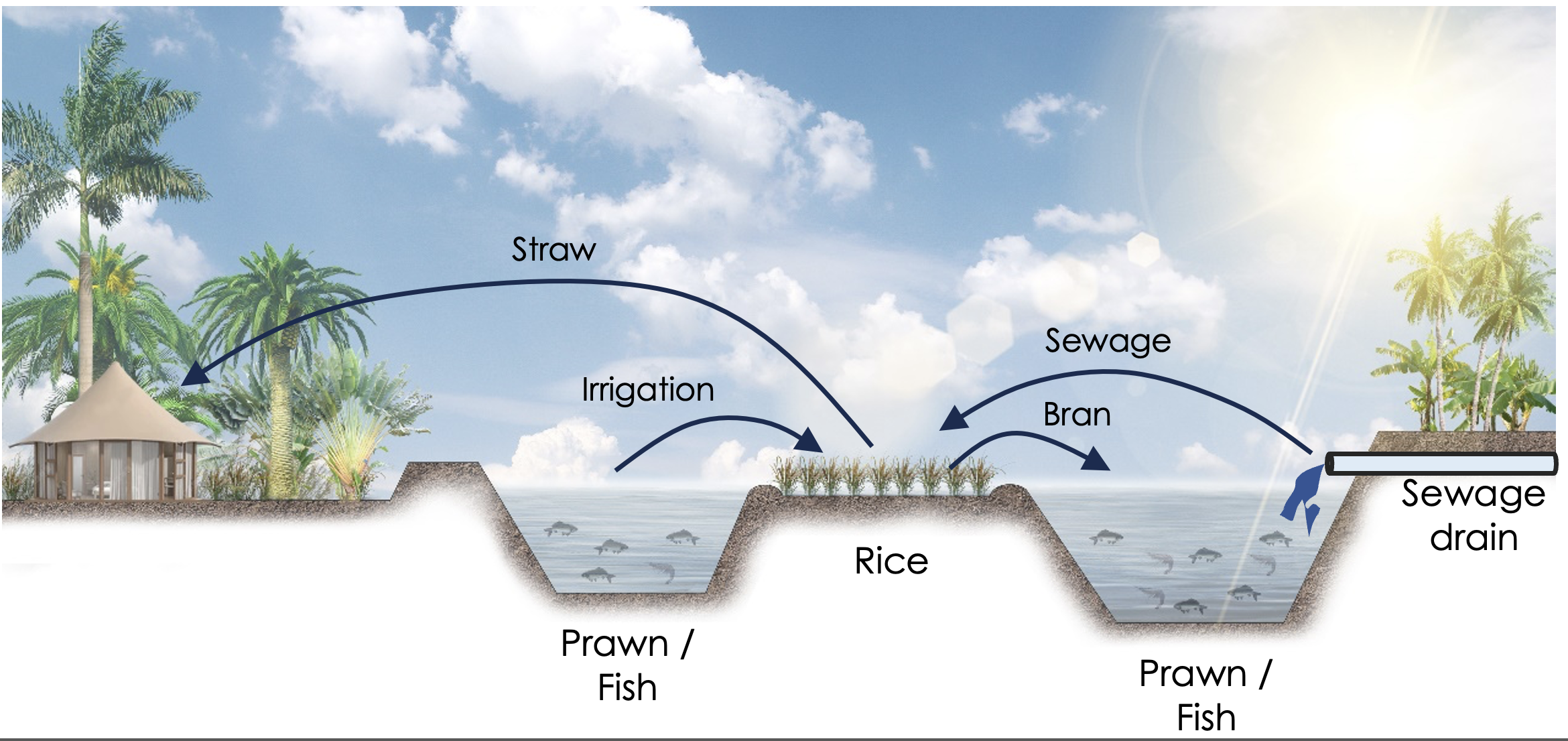
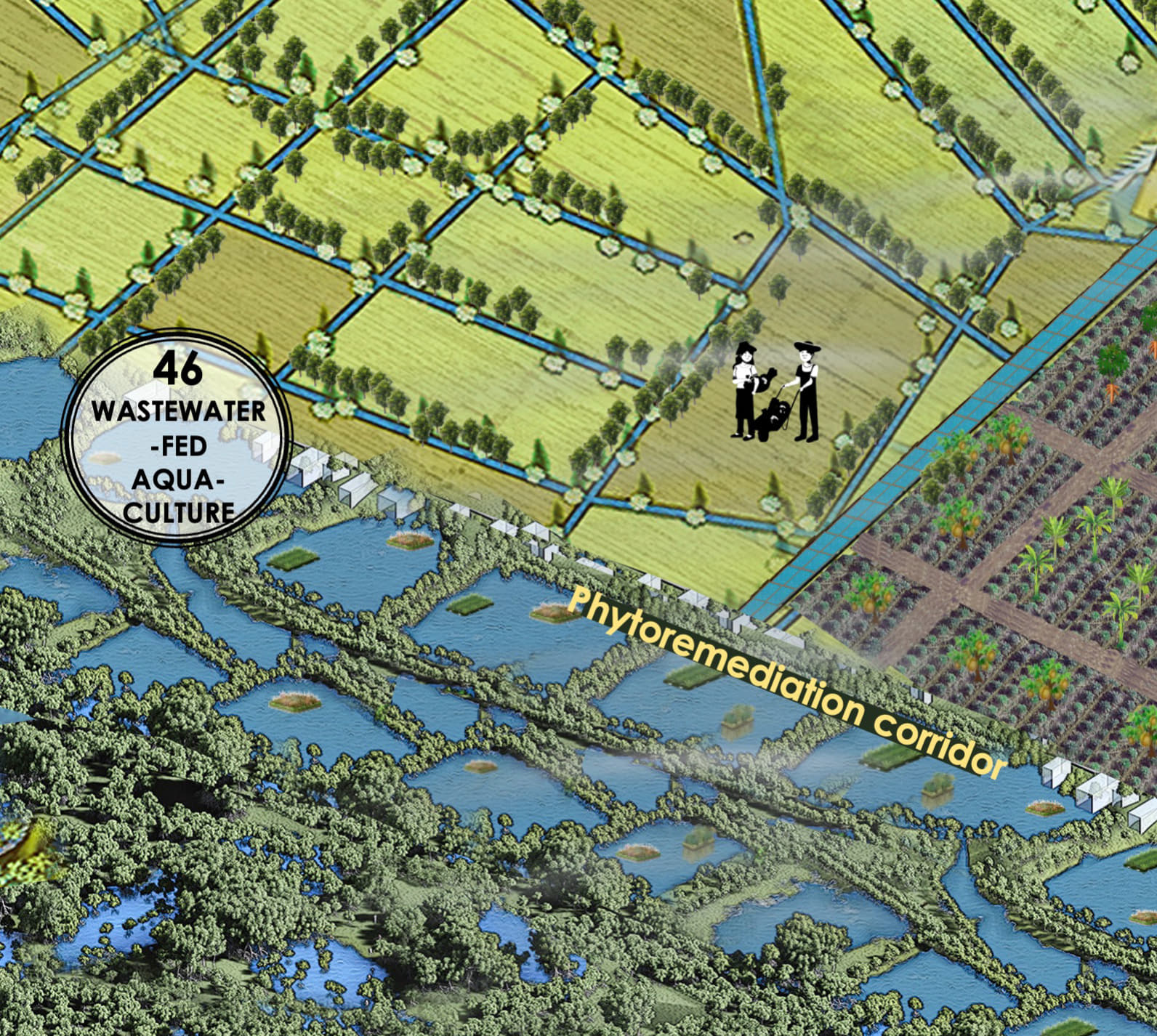
They can be considered as a sub-category of wastewater-related NbS. Wastewater-fed aquaculture utilizes treated or partially treated wastewater to cultivate fish, plants, and other aquatic organisms, integrating waste reuse with food production, as seen in Bangladesh and Vietnam’s rice-fish farming systems.

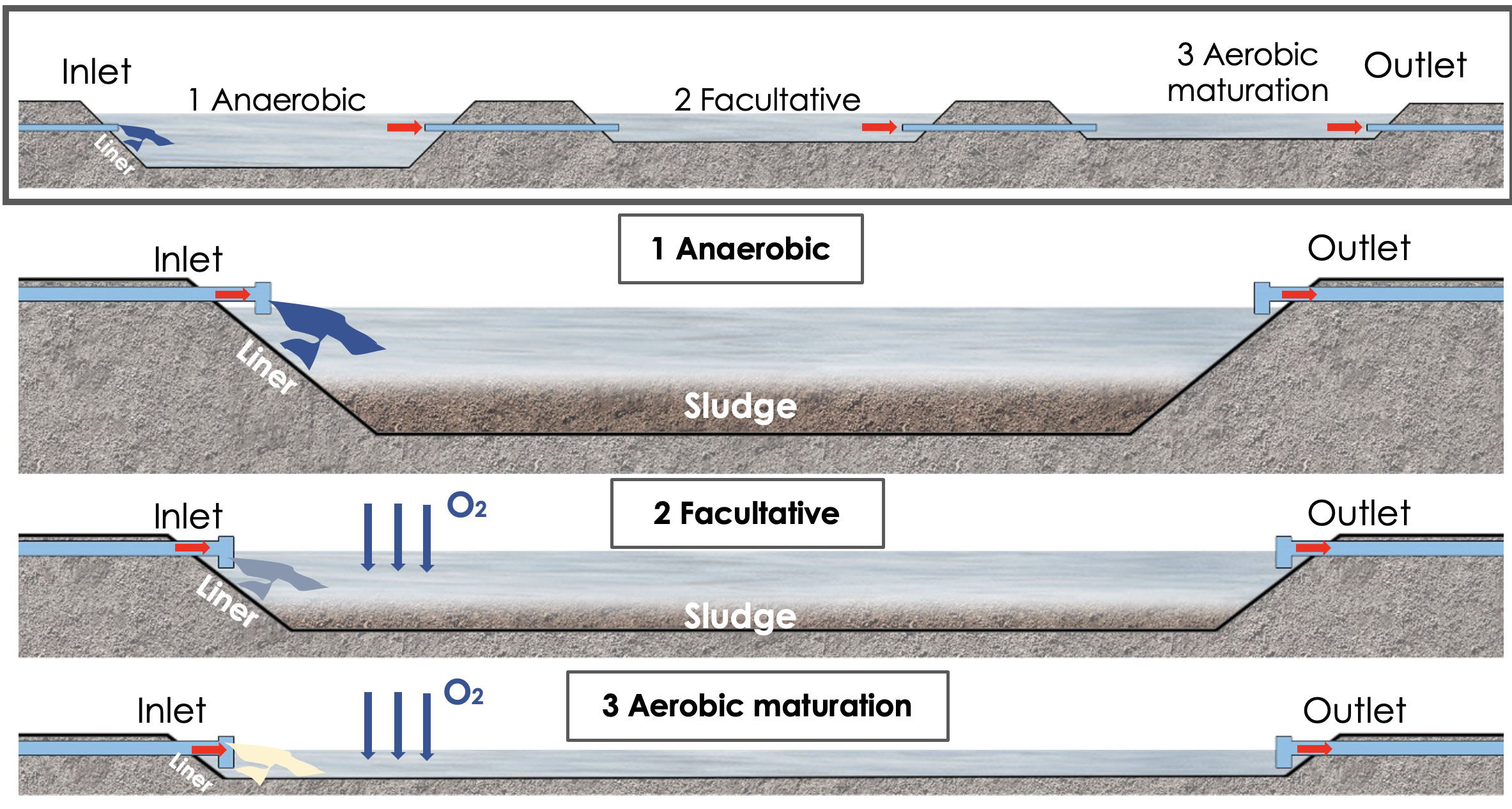
WSPs, including anaerobic, facultative, and aerobic ponds, treat blackwater, greywater, or faecal sludge through sunlight, wind, microorganisms, and algae, effectively removing biochemical oxygen demand (BOD) and pathogens.

Anaerobic treatment ponds specifically focus on breaking down organic material and producing biogas, which can be used as an energy source for heating, cooking, or small-scale electricity generation.

These systems offer technical benefits, such as low-cost operation, high nutrient recovery for agricultural reuse, and significant BOD reduction (up to 85%), while addressing water pollution.

They also provide landscape-level co-benefits, including reduced nutrient runoff, improved soil fertility, and a circular economy approach to wastewater reuse. Social and economic advantages include lower sanitation costs for rural and peri-urban areas, food security and opportunities for local energy production.


  • Nutrient recycling and recovery
  • Natural wastewater treatment
  • Circular economy
  • Biodiversity support
  • Community based water management
  • Pollution control
Soil Erosion Soil Erosion
Biodiversity Loss Biodiversity Loss
Flood Control Flood Control
Disaster Risk Reduction Disaster Risk Reduction
Carbon Sequestration Carbon Sequestration
Food Security Food Security

SUPPORTING

  • Soil and nutrient cycling: Wastewater provides nutrients (e.g., nitrogen and phosphorus) to support aquaculture and agriculture, promoting soil fertility and sustainable food production.

REGULATING

  • Water purification: Natural processes in stabilization ponds and anaerobic treatment reduce organic pollutants and pathogens, improving water quality and protecting aquatic ecosystems.

PROVISIONING

  • Food production: Aquaculture systems using treated wastewater produce fish and other aquatic organisms for local consumption and markets.

SOCIAL BENEFITS

  • Livelihood opportunities: Wastewater-fed aquaculture and biogas recovery generate income and job opportunities for local communities while improving sanitation infrastructure.
NbS46_3 Types of Wastewater Ponds Sections with Legends
NbS46_Wastewater Stabilisation_Pond section with no legend

Health Risks: Inadequate treatment or monitoring of wastewater can result in harmful pathogen exposure, posing risks to public health and aquaculture safety.

Land Use Conflicts: Large surface areas required for stabilization ponds may compete with land needed for agriculture or urban development.

Community Acceptance: Negative perceptions of using treated wastewater for aquaculture or agriculture can hinder local adoption and scalability.

Maintenance and Expertise: Effective operation requires skilled personnel for design, maintenance, and monitoring, which may be challenging in remote or resource-limited areas.

Nutrient Recycling for Agriculture

Treated wastewater provides nutrients (e.g., nitrogen, phosphorus) for agriculture

Renewable Energy Generation

Anaerobic ponds can produce biogas, with potential outputs of 30–50 m³/day for small-scale energy needs.

Increased Aquaculture Productivity

Integrated wastewater-fed systems can increase fish yields by 20–50%, supporting local food security.

Carbon Emission Reduction

Biogas recovery offsets fossil fuel use, reducing greenhouse gas emissions by up to 1 ton CO₂ equivalent per 10,000 m³ of treated wastewater.

Improved Water Quality

Direct Costs

Construction and installation range from $3–$10 per m³ of wastewater treated.

Indirect Costs

Land acquisition and training costs average $2k–$5k/ha, influenced by local land values and workforce needs.

Time Horizon

Typical lifespan of systems is 15–20 years, with a discount rate of 5–8% for financial feasibility studies.

Direct Benefits

Savings on fertilizer and energy production can generate significant benefits.

Indirect Benefits

Enhanced agricultural yields and aquaculture income.

Risk Assessment

Risks such as contamination or maintenance failures could result in unexpected costs for repairs and mitigation.

REFERENCES

Community-based anaerobic ponds integrated into palm oil mill wastewater treatment systems, Trang Province, Thailand

Pilot wastewater stabilisation ponds, Kampong Chhnang, Cambodia

980 million litres of wastewater treated daily and supporting fish farming, East Kolkata Wetlands

IMPLEMENTATION OPPORTUNITIES

Mekong Delta, Vietnam: to support integrated rice-fish farming systems.

Central Luzon, Philippines: Wastewater from livestock and poultry farming could be treated in anaerobic ponds and reused for aquaculture

Northern Sumatra, Indonesia: Palm oil plantations’ wastewater can be treated in anaerobic ponds.