
Coral Reef Restoration And Nurseries

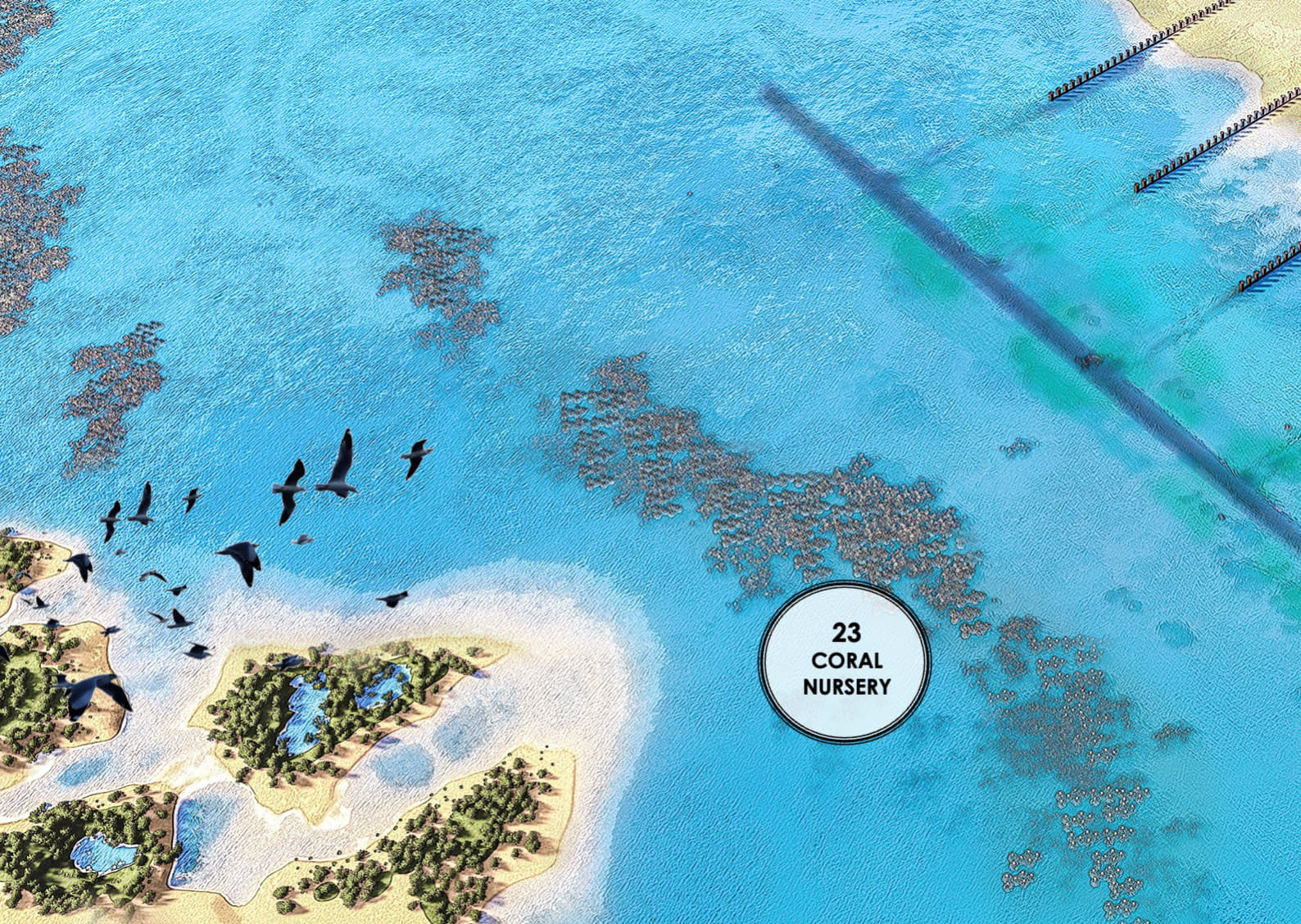
Coral reef restoration and nurseries aim to rehabilitate and enhance the ecological functions of degraded coral reef ecosystems by cultivating and transplanting coral species.

This approach involves growing corals in dedicated underwater or land-based nurseries using techniques such as micro-fragmentation, coral gardening, or 3D-printed substrates. Once mature, these corals are transplanted onto damaged reefs to promote recovery.

Restoration efforts utilize innovative materials like biodegradable structures, mineral accretion technology, or eco-engineered frameworks to facilitate coral attachment and growth, while enhancing reef complexity.

Coral nurseries support biodiversity by providing habitat for marine life, improve ecosystem resilience to climate change by increasing coral genetic diversity, and aid in carbon sequestration. They also strengthen coastal protection against erosion and storm surges.


  • Ecosystem based adaptation
  • Ecosystem based disaster risk reduction
  • Ecosystem based mitigation
  • Ecosystem restoration
  • Integrated coastal zone management
  • Marine spatial planning
Biodiversity Loss Biodiversity Loss
Flood Control Flood Control
Carbon Sequestration Carbon Sequestration
Disaster Risk Reduction Disaster Risk Reduction

SUPPORTING

  • Provides shelter, breeding grounds, and nursery habitats for marine species.
  • Enhances nutrient cycling between coral ecosystems and surrounding marine organisms.
  • Supports primary production, forming the base of marine food webs.

REGULATING

  • Sequesters carbon and regulates CO₂ levels.
  • Stabilizes sandy substrates, reducing sedimentation and erosion.
  • Act as natural breakwater and protects coastlines by dissipating wave energy, reducing storm surge impacts.
  • Improves water quality by trapping sediments and filtering pollutants.
  • Increases ecosystem resilience by restoring coral genetic diversity.

PROVISIONING

  • Supports sustainable fisheries by enhancing fish and invertebrate populations.
  • Provides raw materials like calcium carbonate for various industries.
  • Supplies bioactive compounds for the development of medicines.
  • Boosts aquaculture potential by restoring marine habitats.

SOCIAL BENEFITS

  • Creates opportunities for recreational activities, such as diving and ecotourism.
  • Strengthens cultural and spiritual ties to marine ecosystems for local communities.
  • Provides inspiration for education, art, and conservation awareness.
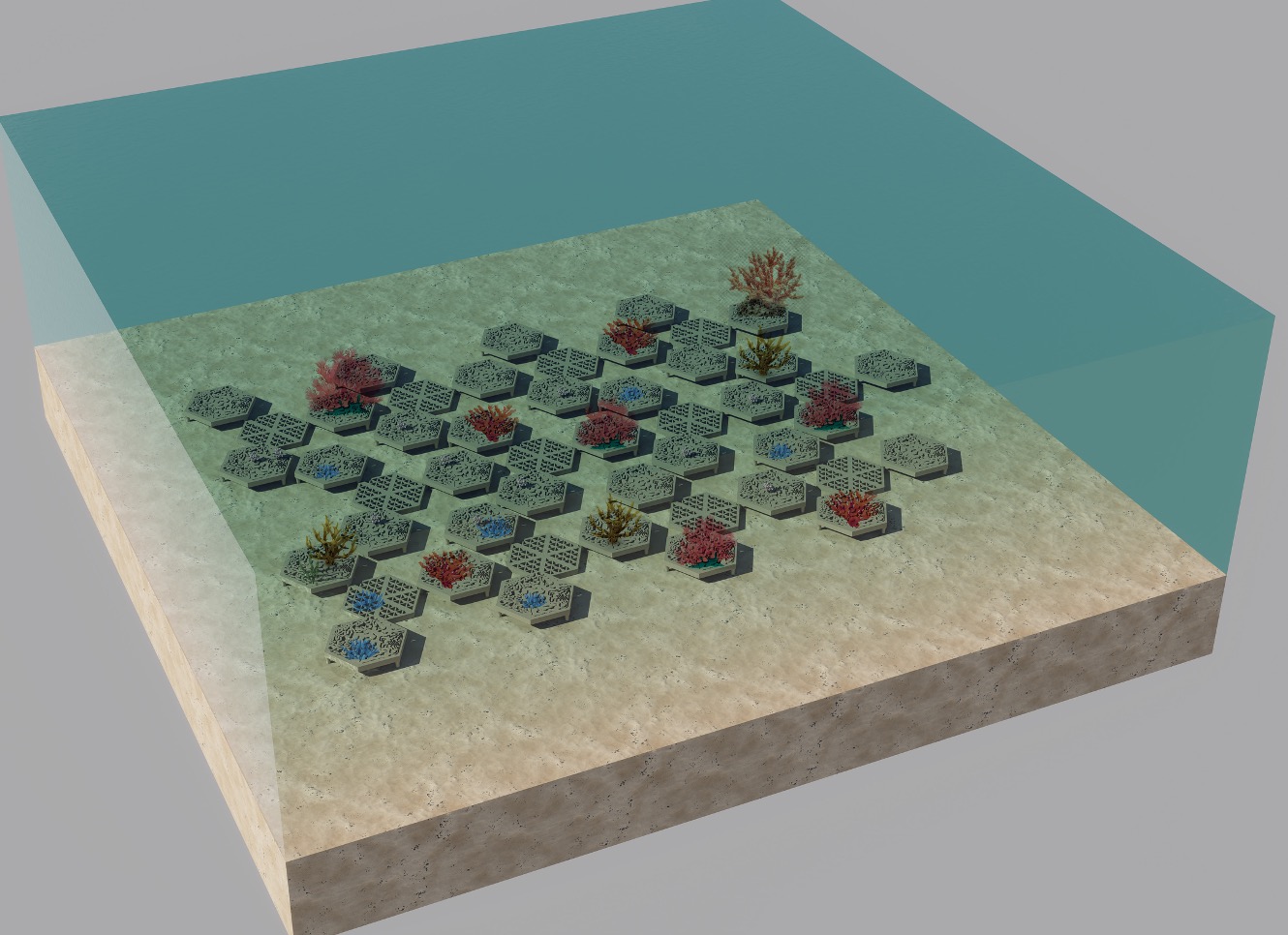
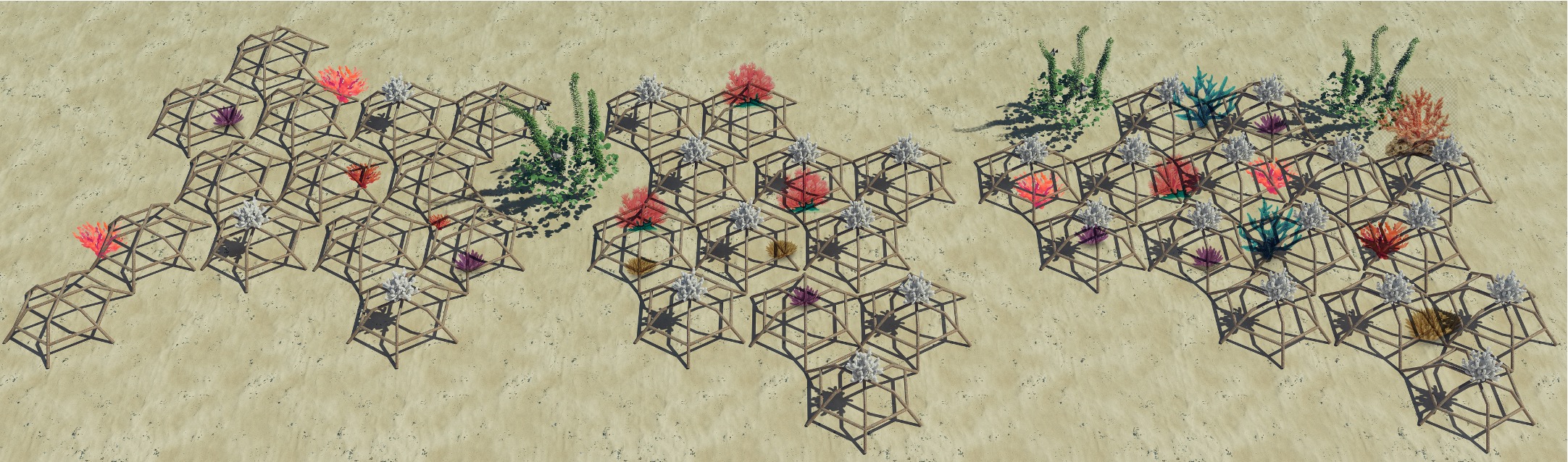
NbS23_Reef Star Module 3D printed Tiles Structures for Coral Nurseries
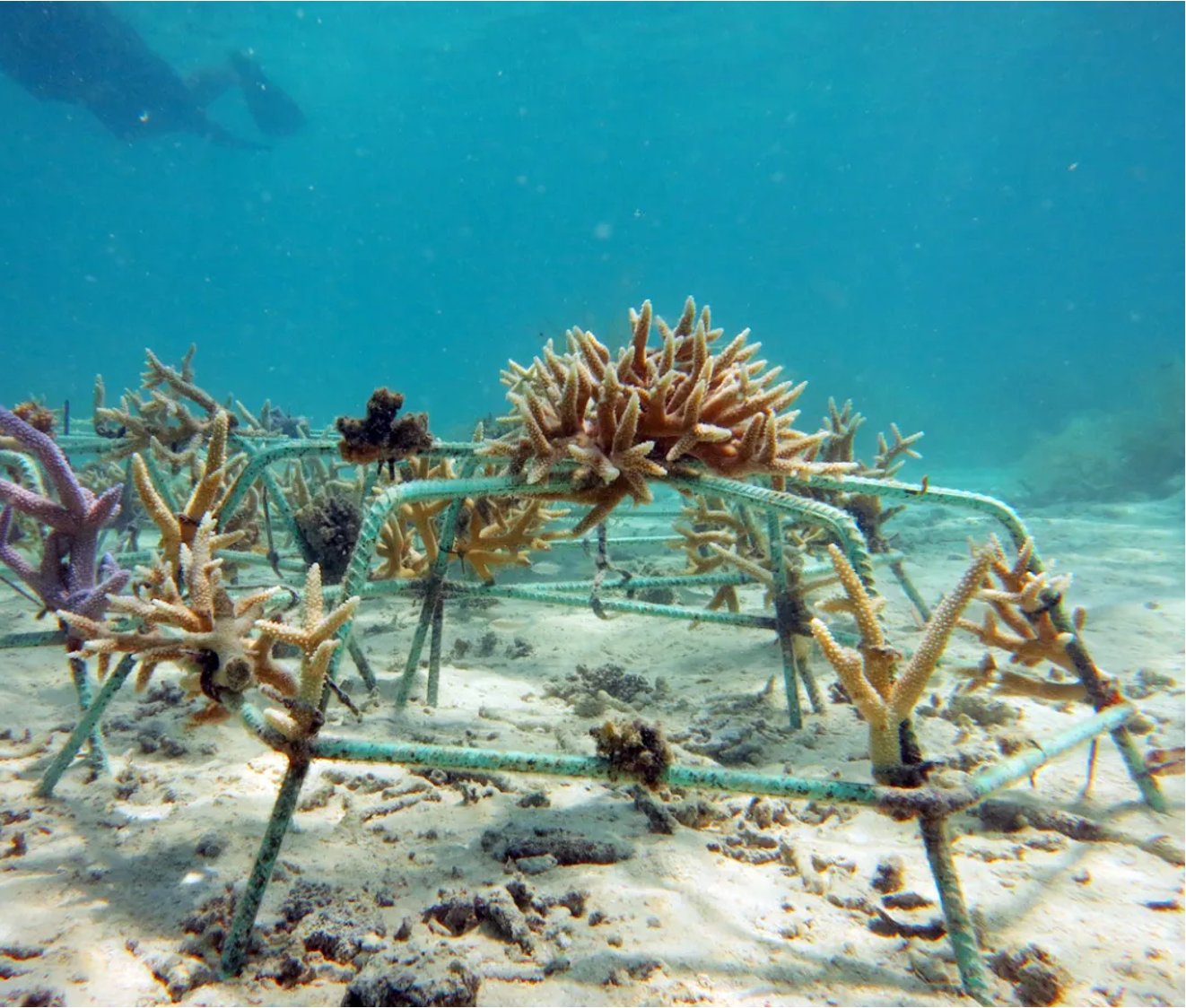
NbS23_Reef star Module 1
NbS23_Reef star Module 2
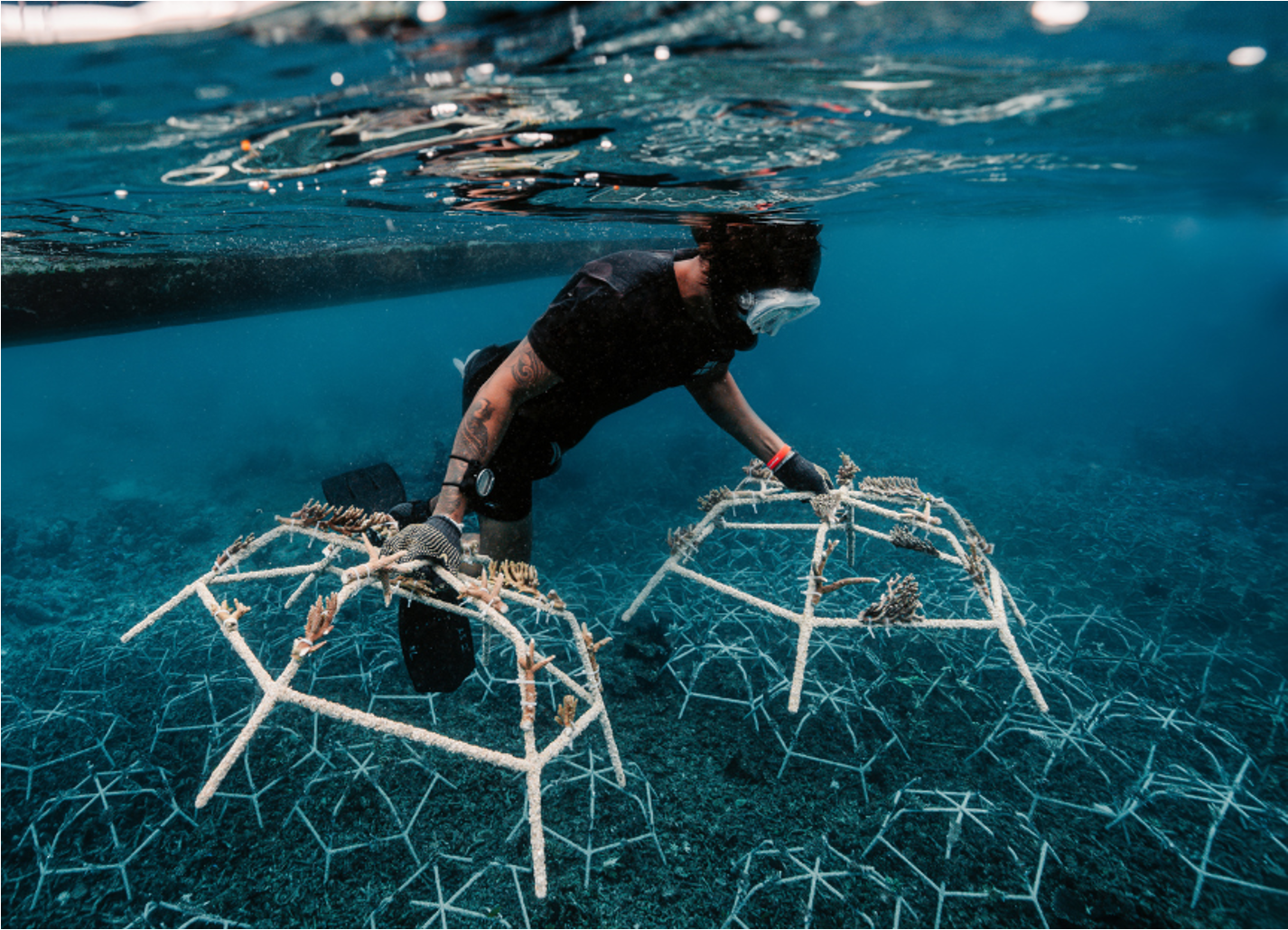
NbS23_Reef Star Modules

Heat Damage: Rising sea temperatures can cause coral bleaching, reducing the survival rates of restored corals.

Ocean Acidification: Ocean acidification weakens coral skeletons, making them more susceptible to damage.

invasive Corals: Introducing non-native coral species or substrates may disrupt existing ecosystems.

Costs and Labour: Current techniques are labor-intensive and costly, making it difficult to scale projects to the size needed.

Long Term Requirements: Long-term monitoring is essential to ensure success, but it requires significant time, expertise, and ressources.

Human Activity: Conflicts with activities like fishing, tourism, or coastal development can hinder restoration efforts.

Biodiversity Enhancement

Species richness and abundance, genetic diversity within restored areas.

Coastal Protection

Wave attenuation rates, erosion rates, coastal flood risk reduction.

Water Quality Improvement

Turbidity levels, nutrient concentrations, amount of sediment trapped by restored reefs.

Resilience to climate

Percentage of restored coral colonies surviving extreme conditions. Speed at which reefs recover after disturbances (e.g., bleaching events or storms).

Educational and Research Opportunities

Number of local schools, universities, and community groups involved in restoration or monitoring activities. Level of awareness or behavior change in local communities regarding marine conservation.

Direct Costs

Coral nursery setup, labor and expertise, materials, monitoring and maintenance : $481 per m²

Indirect Costs

Opportunity costs, Potential ecological risks associated with large-scale restoration activities.

Time Horizon

Short-term (1–3 years): Establishment of nurseries, planting of corals, initial monitoring. Long-term (>10 years): fully established.

Direct Benefits

Biodiversity, coastal protection, carbon sequestration, tourism revenue.

Indirect Benefits

Climate resilience, educational and research opportunities, local community involvement.

Risk Assessment

Coral disease, invasive species, vulnerability to changes in sea temperature, ocean acidification, and extreme weather.

REFERENCES

Indonesia, Makassar, Mars Assisted Reef Restoration System (MARRS) .

Philippines, Tubbataha Reefs , Coral Triangle Initiative (CTI-CFF) Marine Protected Areas .

IMPLEMENTATION OPPORTUNITIES

Indonesia, Raja Ampat, known as the “Amazon of the Oceans’’ holds some of the highest marine biodiversity in the world.

Cambodia, Koh Rong reefs are biologically diverse but have suffered from tourism-related damage and overfishing.