
Terraced Green Riverfronts

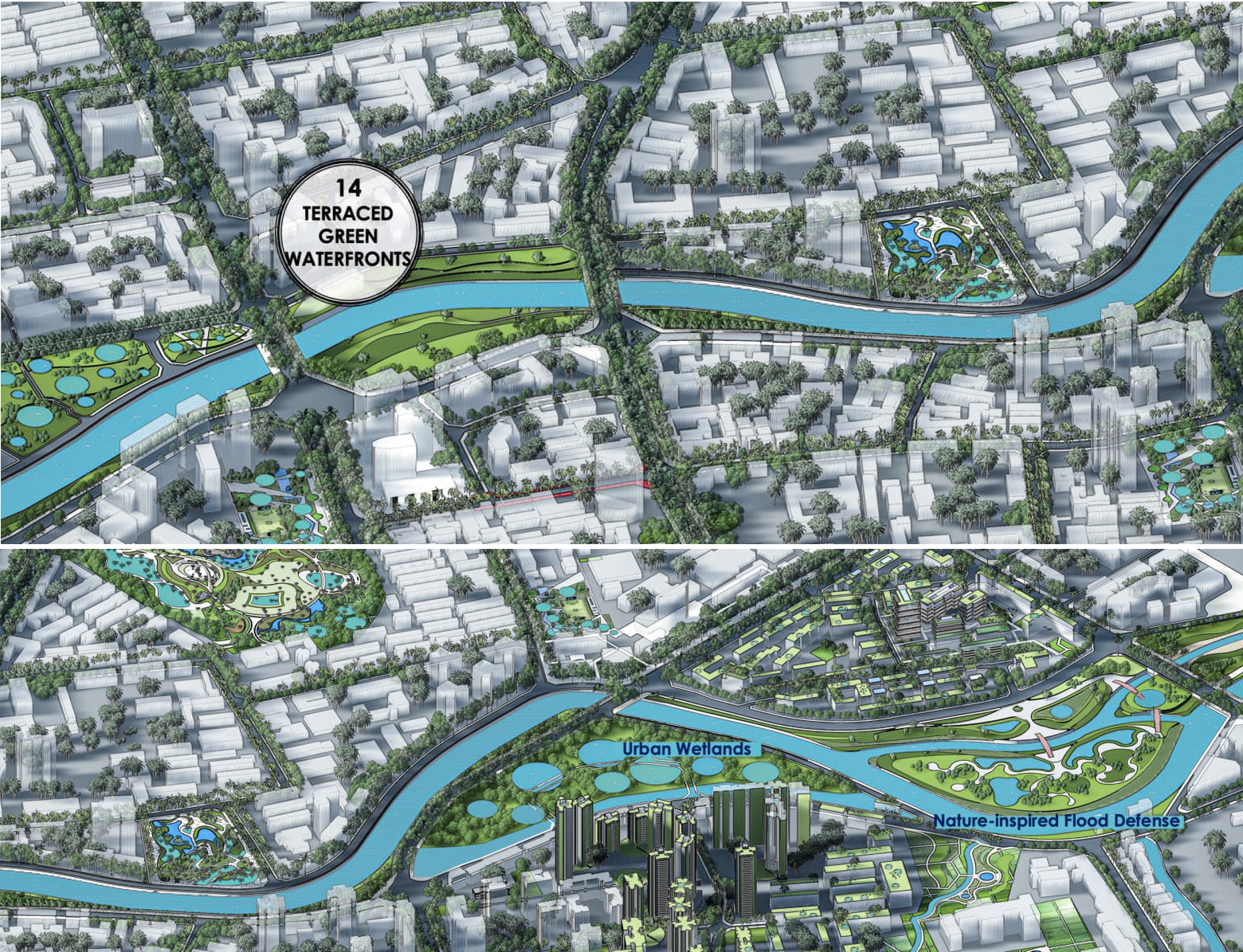
Terraced green riverfronts are a multifunctional nature-based solution (NbS) designed to enhance flood management, climate adaptation, and urban resilience, blending technical, landscape, and social benefits.

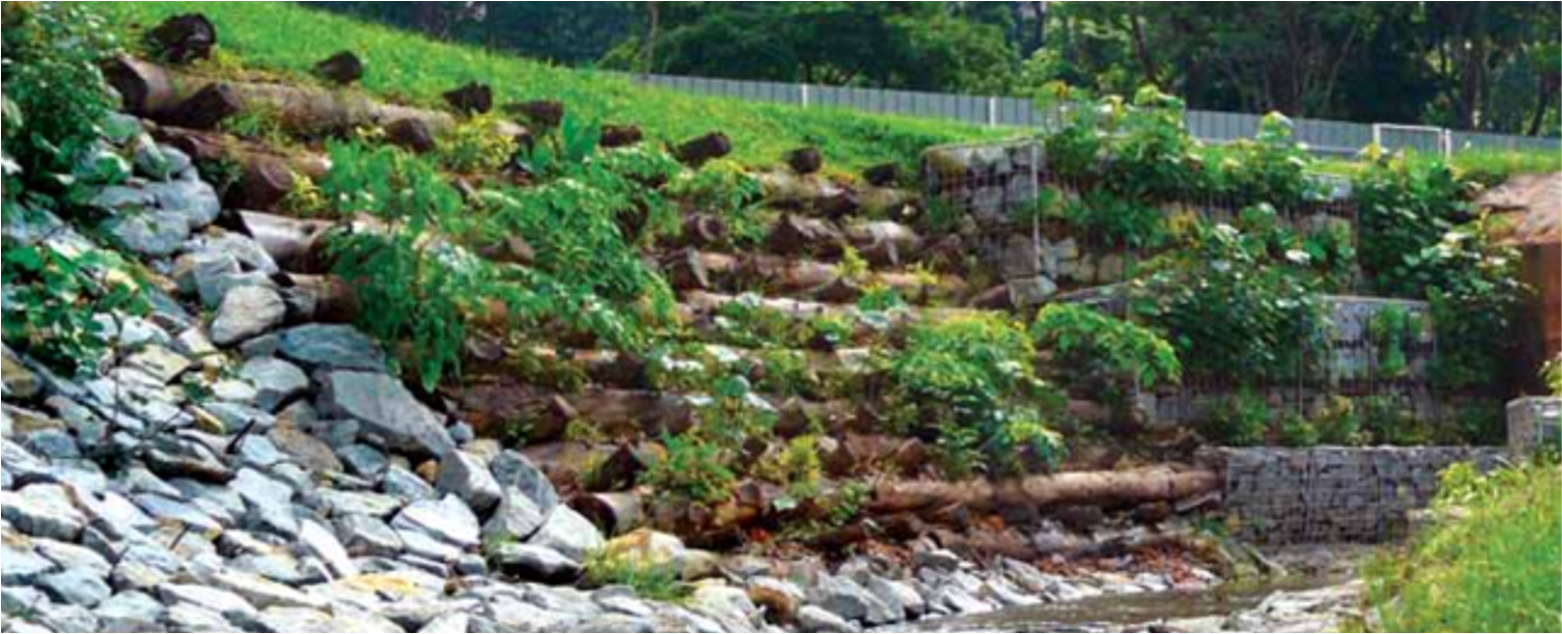
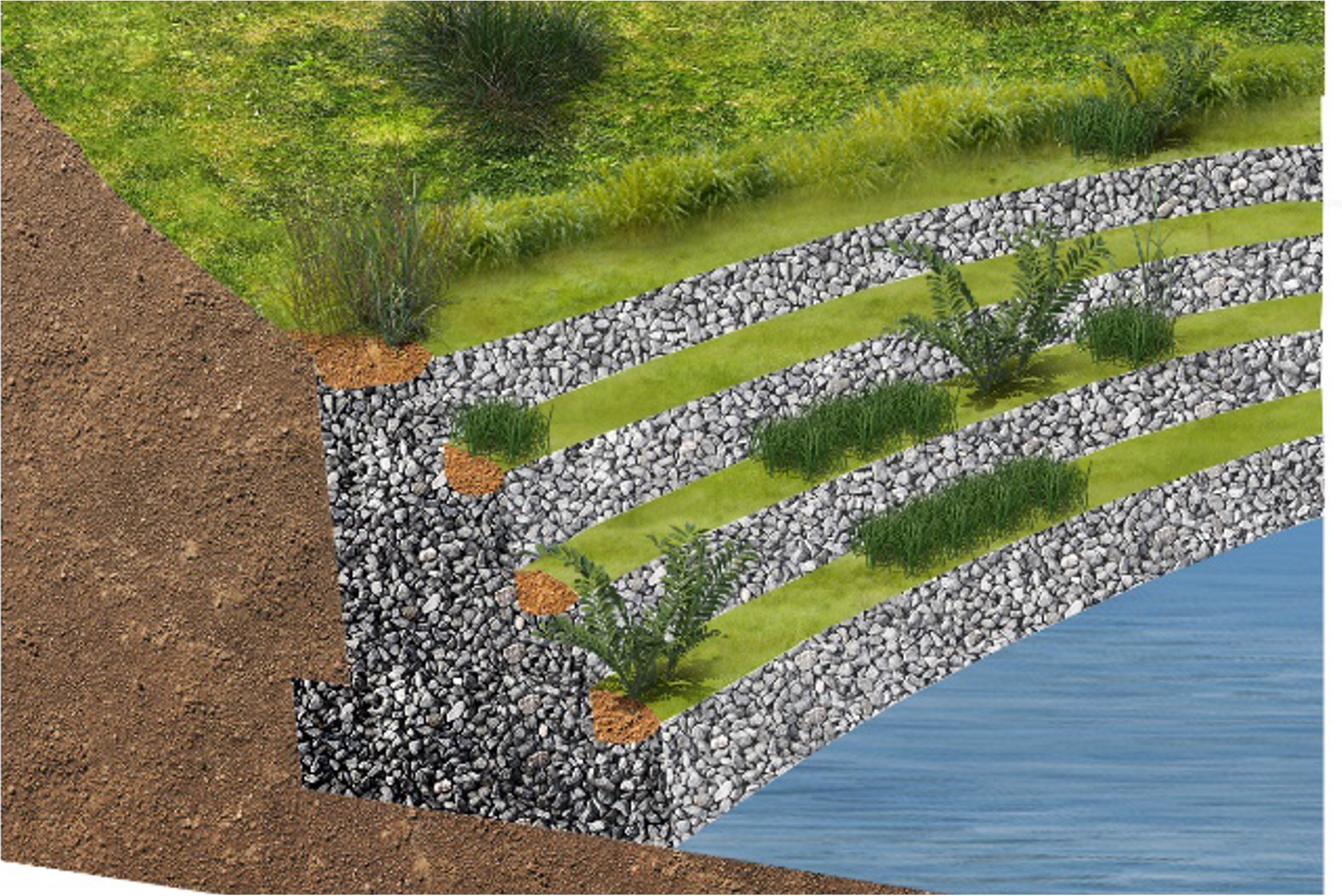
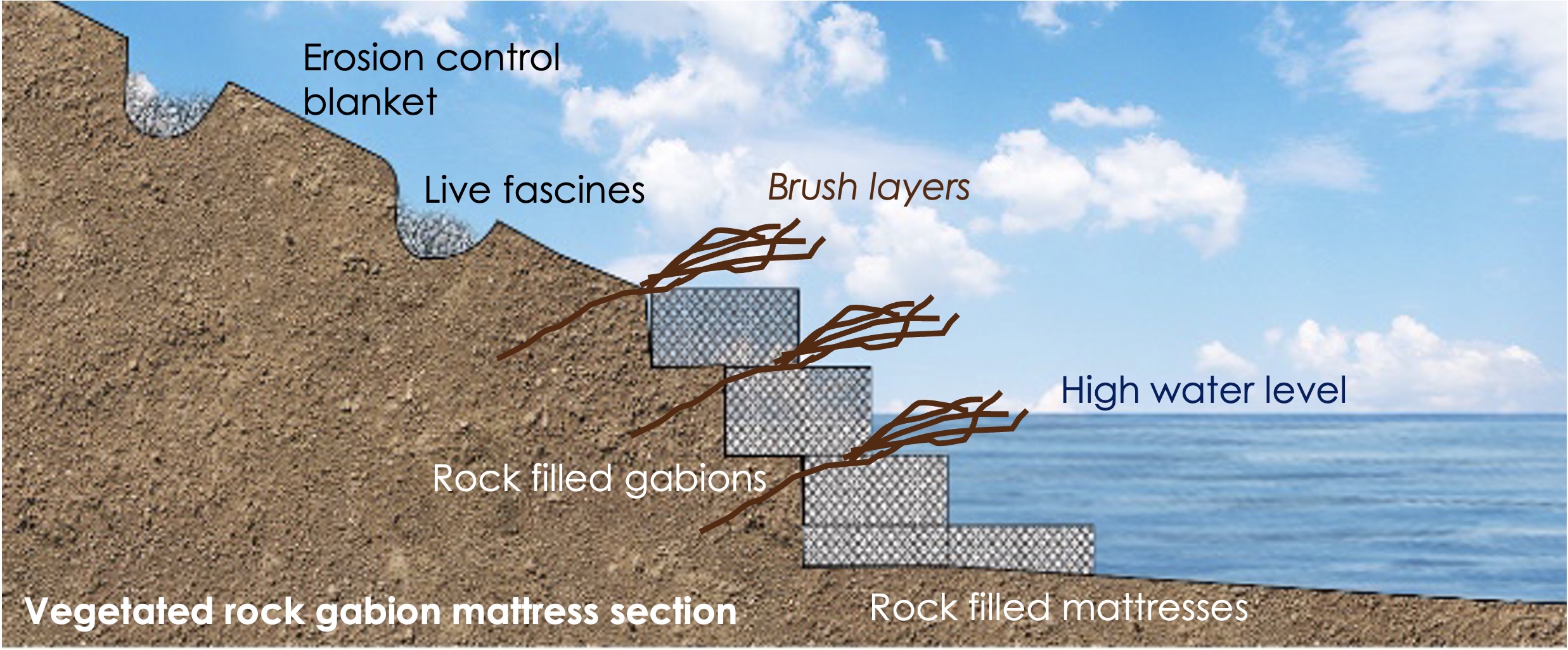
These riverfronts utilize tiered landscaping, vegetated gabion walls, and permeable surfaces to reduce flood risks, improve water retention, and stabilize riverbanks, while integrating vegetation to absorb stormwater and filter pollutants.

Acting as part of the sponge city approach, they mitigate urban heat islands, promote biodiversity corridors, and support aquifer recharge. Their design fosters community engagement by creating recreational spaces, local markets, and tourism opportunities, while also contributing to walkability and urban quality of life.

Contextually, terraced green riverfronts are well-suited to Southeast Asia’s flood-prone cities and rural settlements, offering scalable, climate-resilient solutions that align with both urban development and ecosystem preservation. Lessons from successful implementations demonstrate their economic viability and ability to enhance quality of life in diverse settings.


  • Water sensitive urban design
  • Sustainable land management
  • Ecosystem restoration
  • Green infrastructure
Biodiversity Loss Biodiversity Loss
Flood Control Flood Control
Urban Heat Island Urban Heat Island
Disaster Risk Reduction Disaster Risk Reduction
Carbon Sequestration Carbon Sequestration
Air Quality Improvement Air Quality Improvement

SUPPORTING

  • Biodiversity Habitat: Provides habitats for aquatic species and terrestrial wildlife, enhancing local biodiversity along riverbanks.
  • Soil Formation: Stabilizes soil through vegetative cover and bioengineering, preventing erosion.

REGULATING

  • Flood Regulation: Absorbs and slows down stormwater runoff, mitigating flood risks by using permeable surfaces and green infrastructure.
  • Climate Regulation: Helps in urban cooling by increasing green cover and water retention, contributing to heat island mitigation.

PROVISIONING

  • Raw Materials: Vegetation can provide materials like timber, medicinal plants, and other natural resources for local use.

SOCIAL BENEFITS

  • Recreation and Well-being: Creates green spaces for public use, offering opportunities for leisure, relaxation, and community engagement.
  • Cultural and Aesthetic Values: Enhances the aesthetic appeal of the riverfront, contributing to community identity and heritage.
NbS14_Gabion Wall in Slope
NbS14_Gabion Wall with Enriched Soil
NbS14_Vegetated Rock Gabion with Legends

Possible Erosion Risk: Improper design or maintenance of terraced structures can lead to erosion, especially during intense rainfall, affecting the stability of the riverbank.

Invasive Species: The introduction of non-native plant species for green cover could disrupt local ecosystems and threaten native biodiversity.

Conflicting Land Use: Urban development and industrial activities along riverfronts may suffer from space limitations.

High Initial Investment: The construction of terraced green riverfronts requires important upfront investment, which may pose financial challenges for local governments.

Flood Mitigation

Reduction in flood peak flow and increased water absorption capacity during heavy rainfall.

Biodiversity Enhancement

Increase in local plant and animal species diversity along the riverfront area.

Carbon Sequestration

Amount of carbon dioxide absorbed by vegetation along the riverfront (tons/year)

Recreational Opportunities

Increase in public use of green spaces, measured by foot traffic or park visits.

Improved Water Quality

Reduction in pollutants in river water, such as suspended solids or nutrient levels.

Social Cohesion

Community engagement in riverfront stewardship activities or participation in events like clean-up programs.

Direct Costs

Restoration, monitoring, infrastructure. $5,000–$30,000 per hectare restoration cost

Indirect Costs

Loss of income from alternative land uses (e.g., agriculture or development).

Time Horizon

Typically 10-20 years, with a discount rate of 3-5% for long-term cost-benefit analysis.

Direct Benefits

Direct benefits include enhanced flood resilience and improved water quality, which could reduce costs from flood damage.

Indirect Benefits

Social, aesthetic and recreational value, resulting in increased tourism or local business activity.

Risk Assessment

Potential risks include damage from extreme weather events or lack of community engagement.

REFERENCES

Thailand, Bangkok, Chao Phraya Riverfront Development, riverfront revitalization effort, using vegetated terraces, riprap, and gabion walls.

Singapore, River Promenade.

Cambodia, Phnom Pehn, Mekong River Flood Protection and Green Infrastructure.

IMPLEMENTATION OPPORTUNITIES

Vietnam , Hanoi, Red River waterfronts HCMC, Saigon River.

Indonesia, Surabaya Brantas River.

Philippines, Manila, Pasig River.