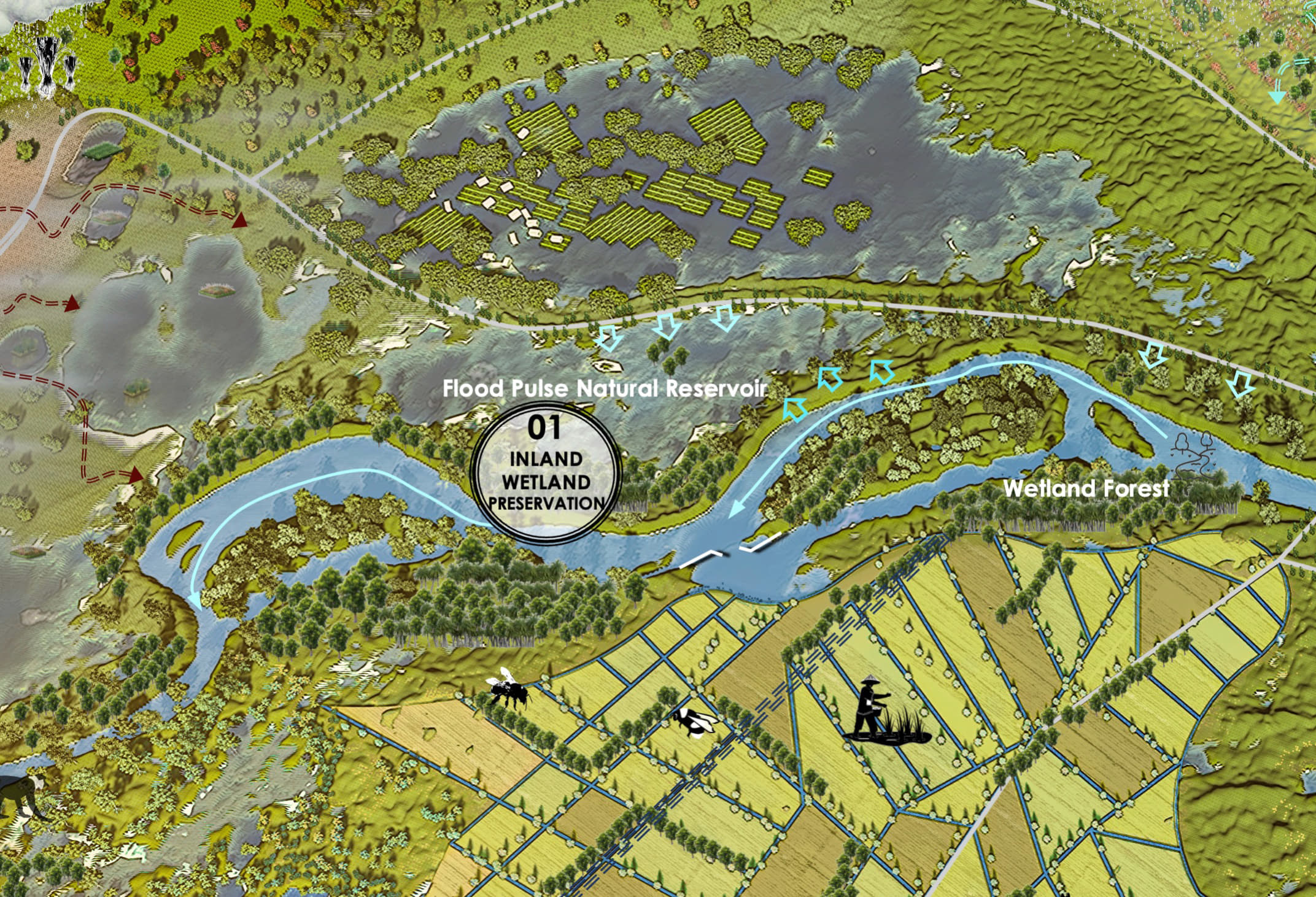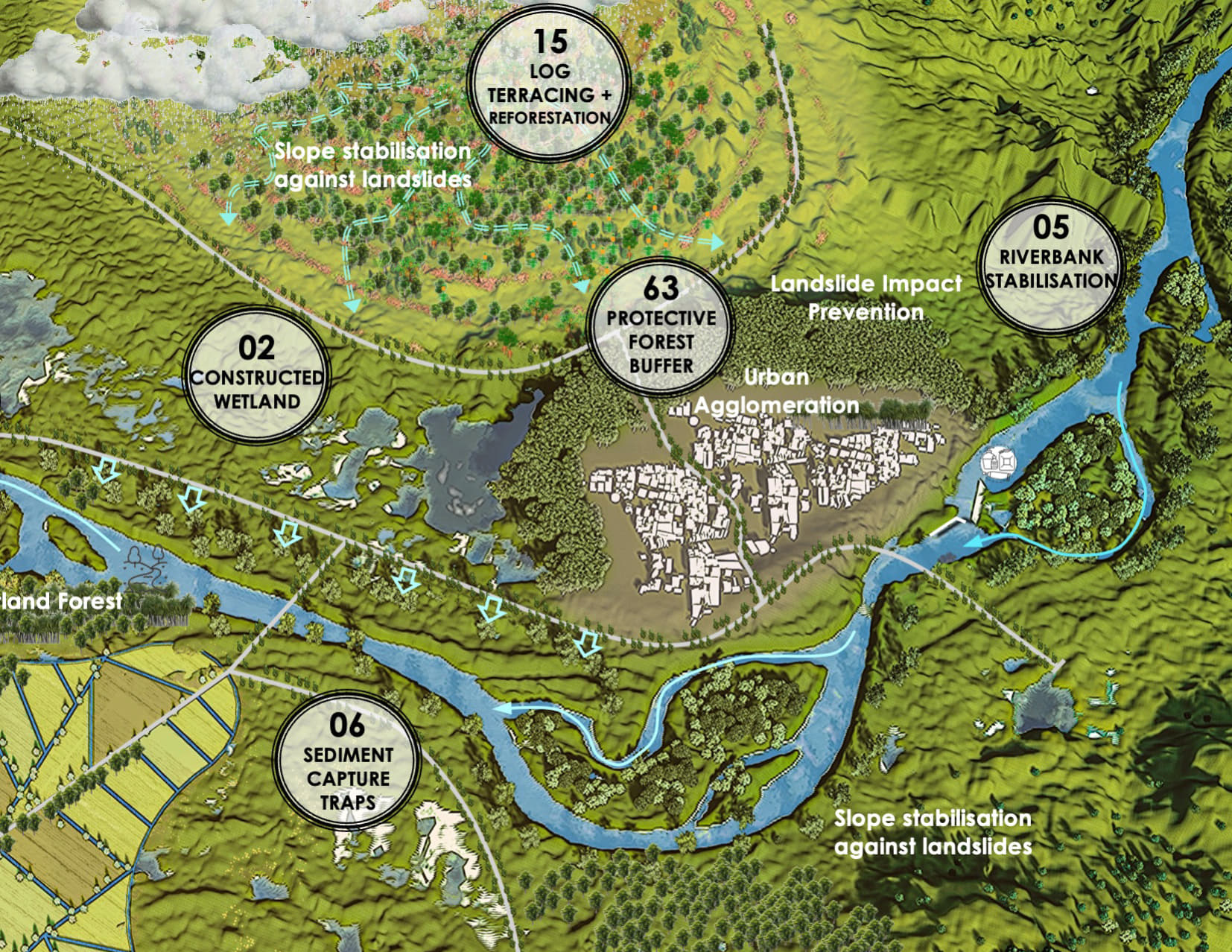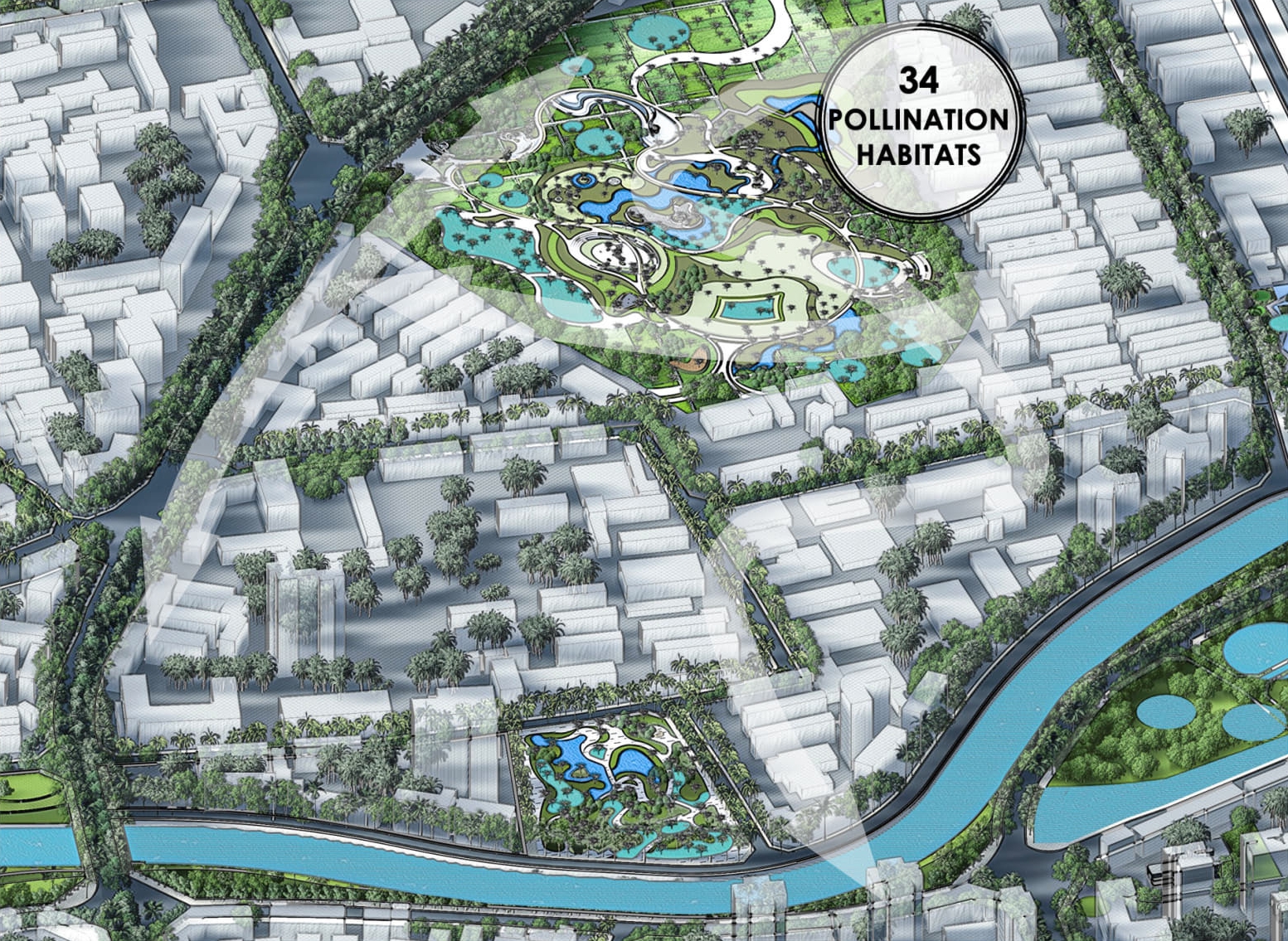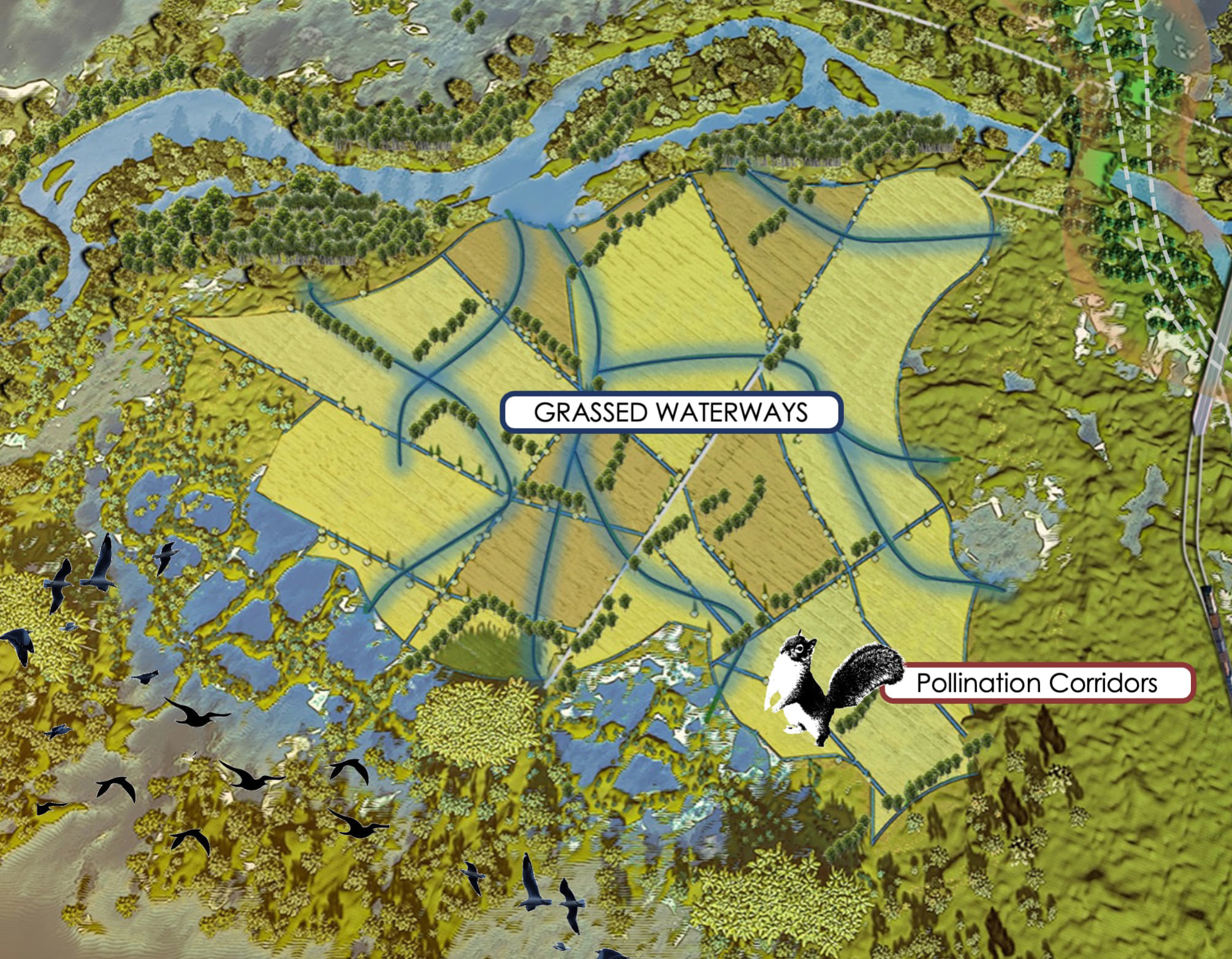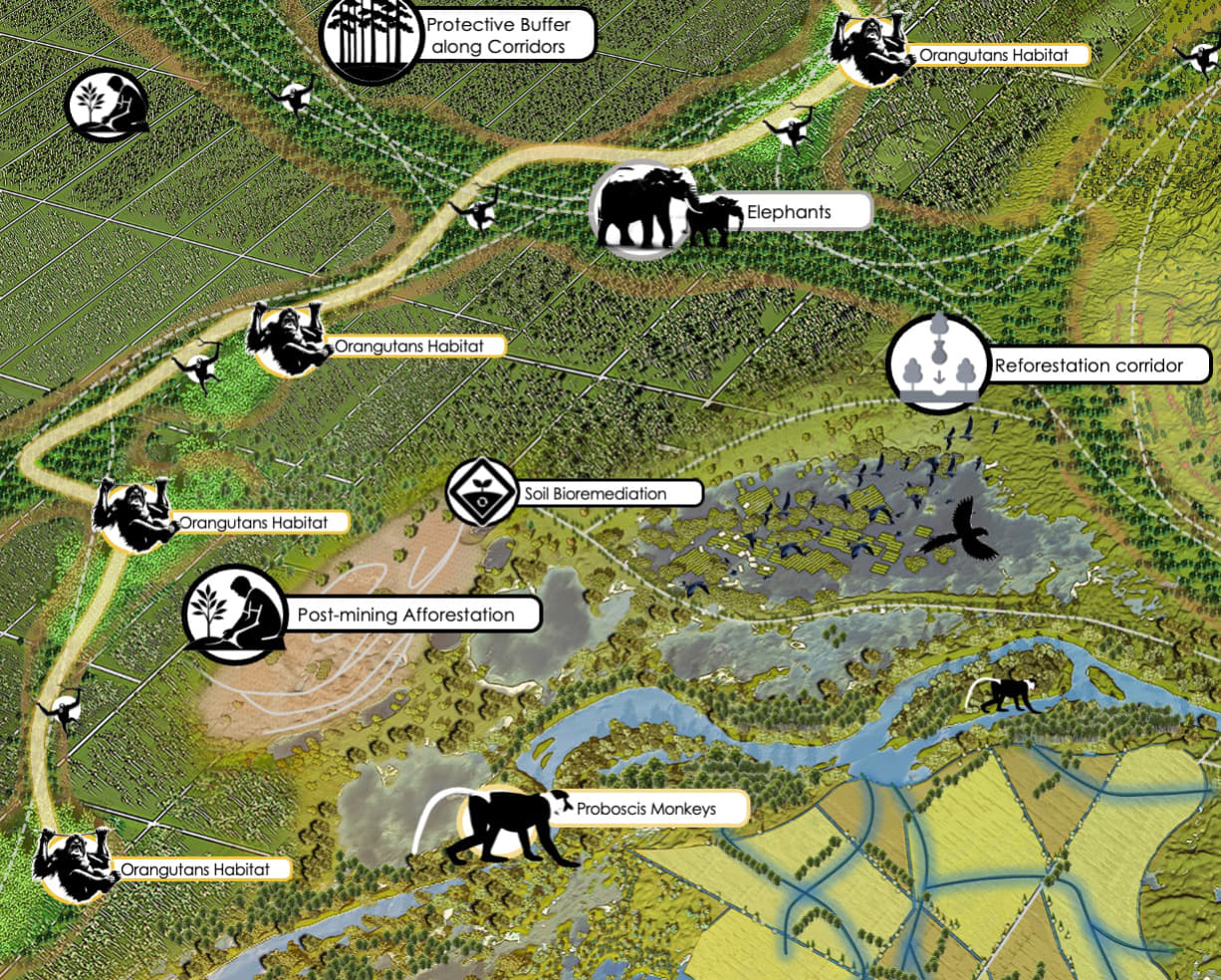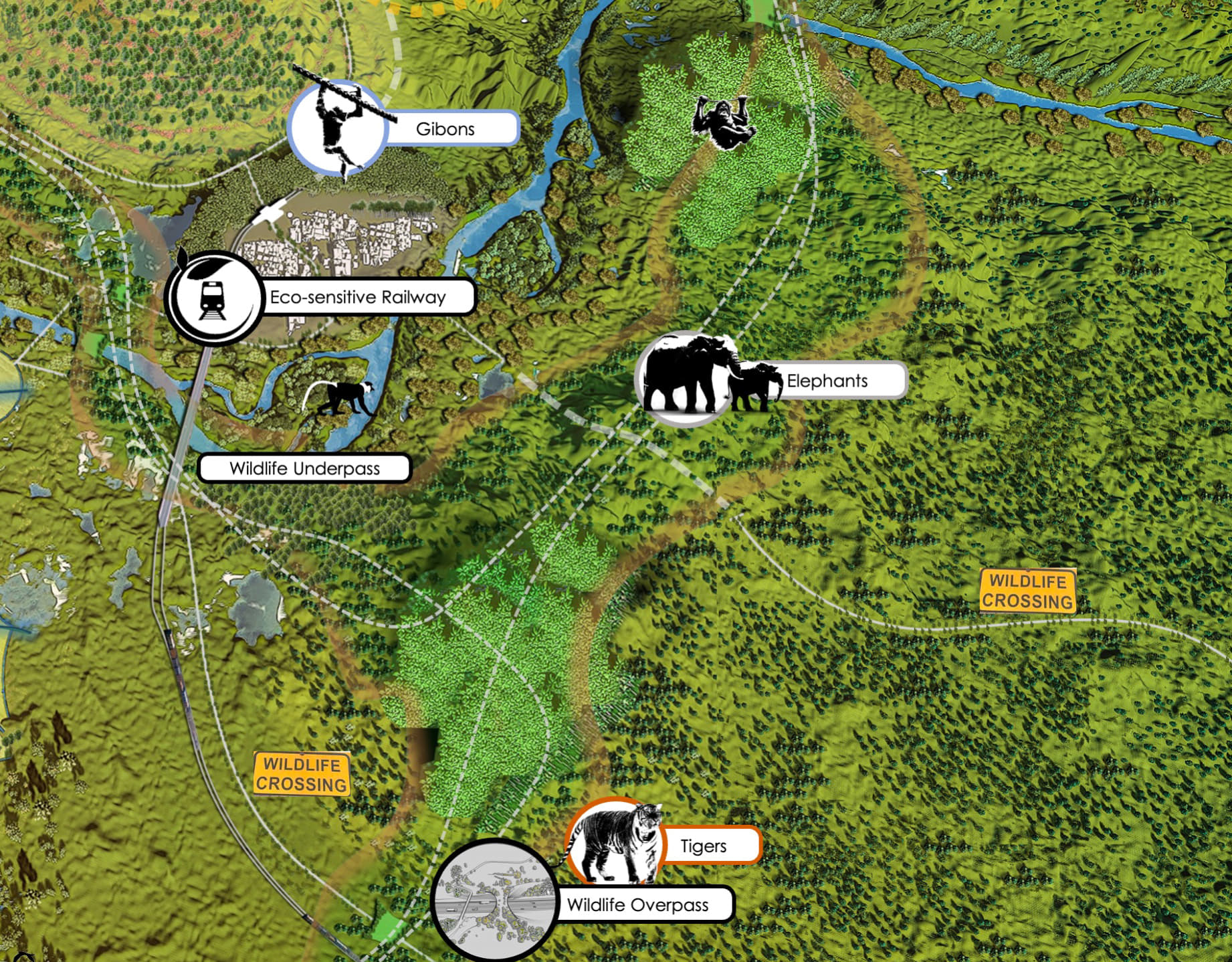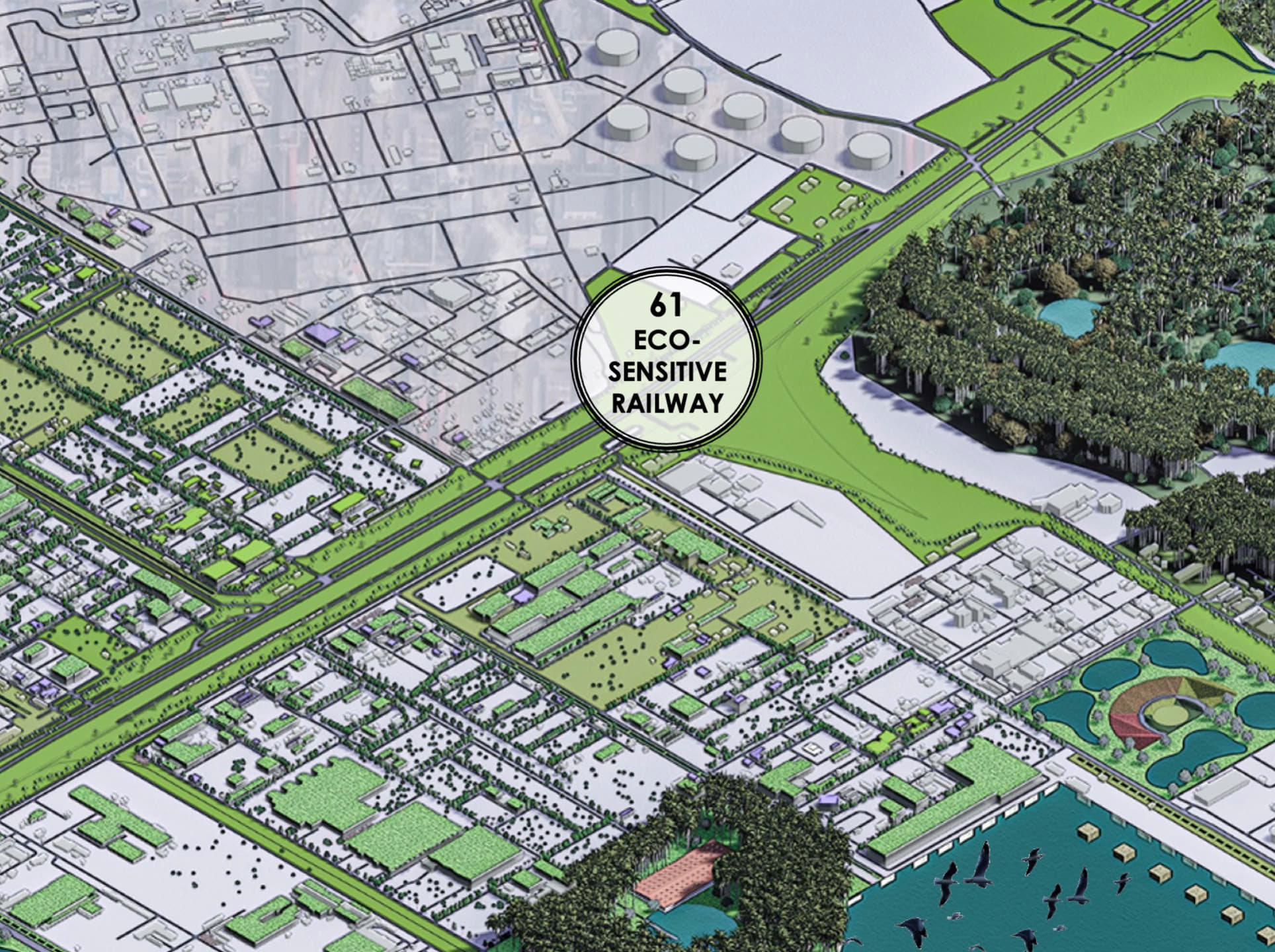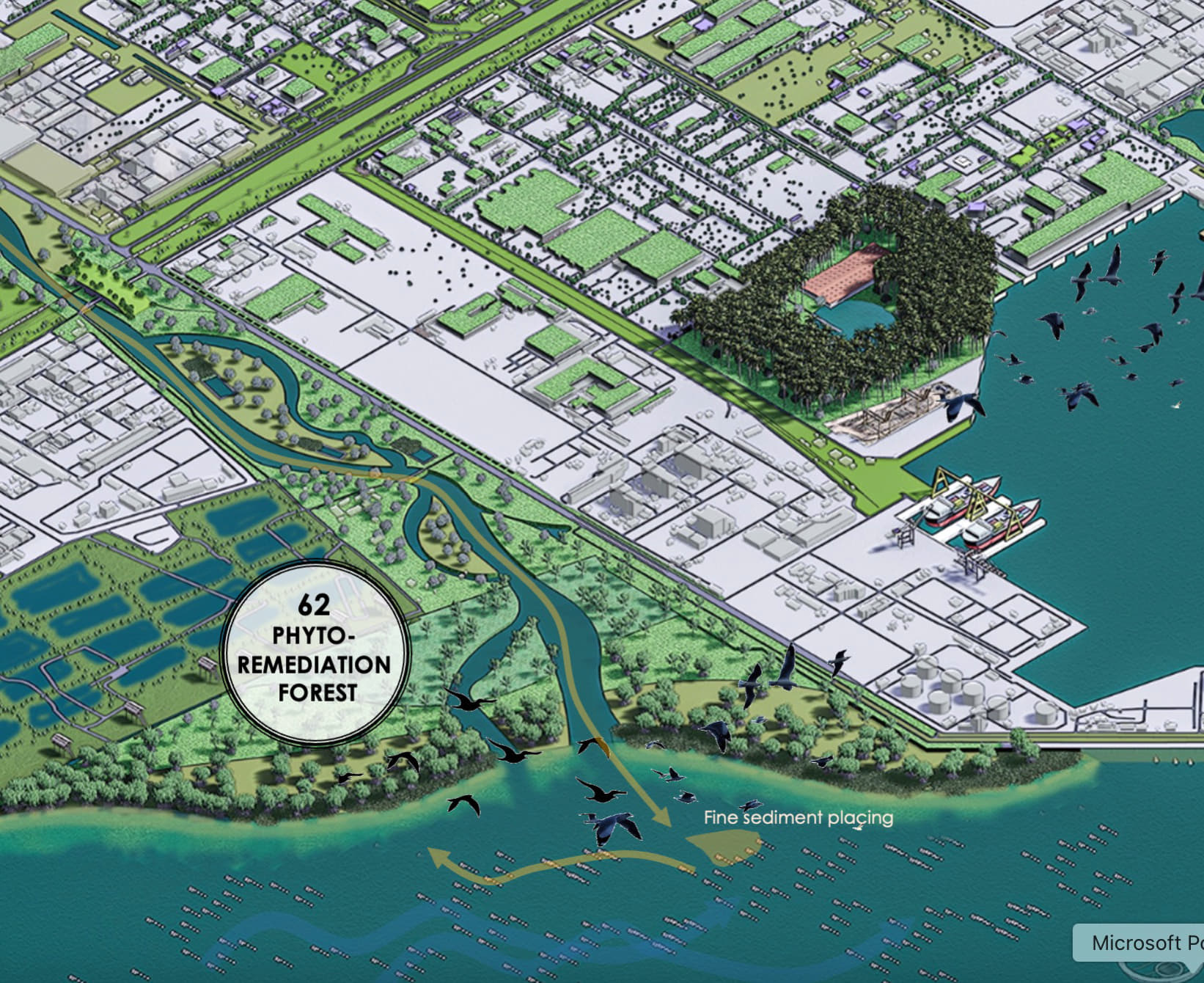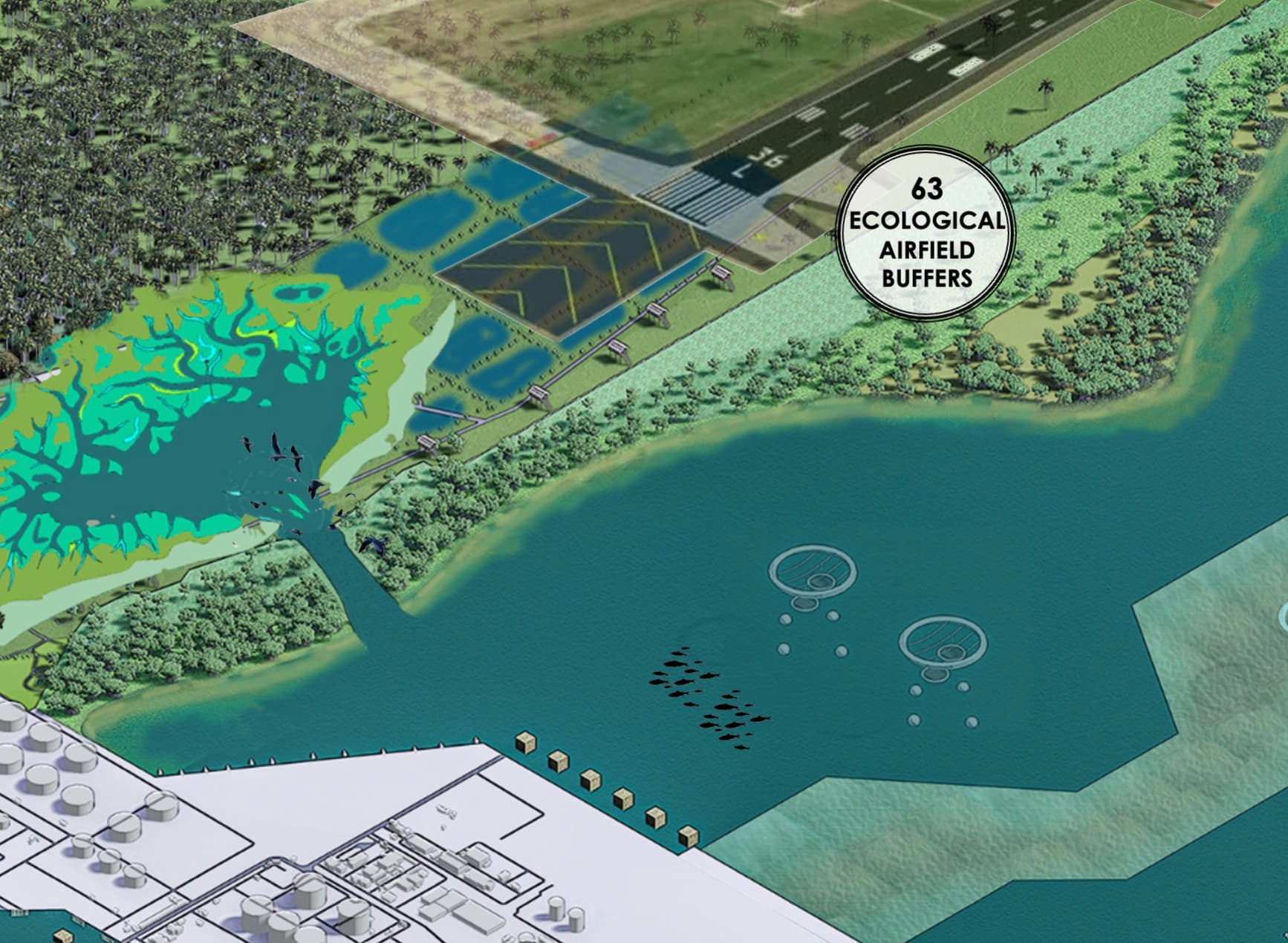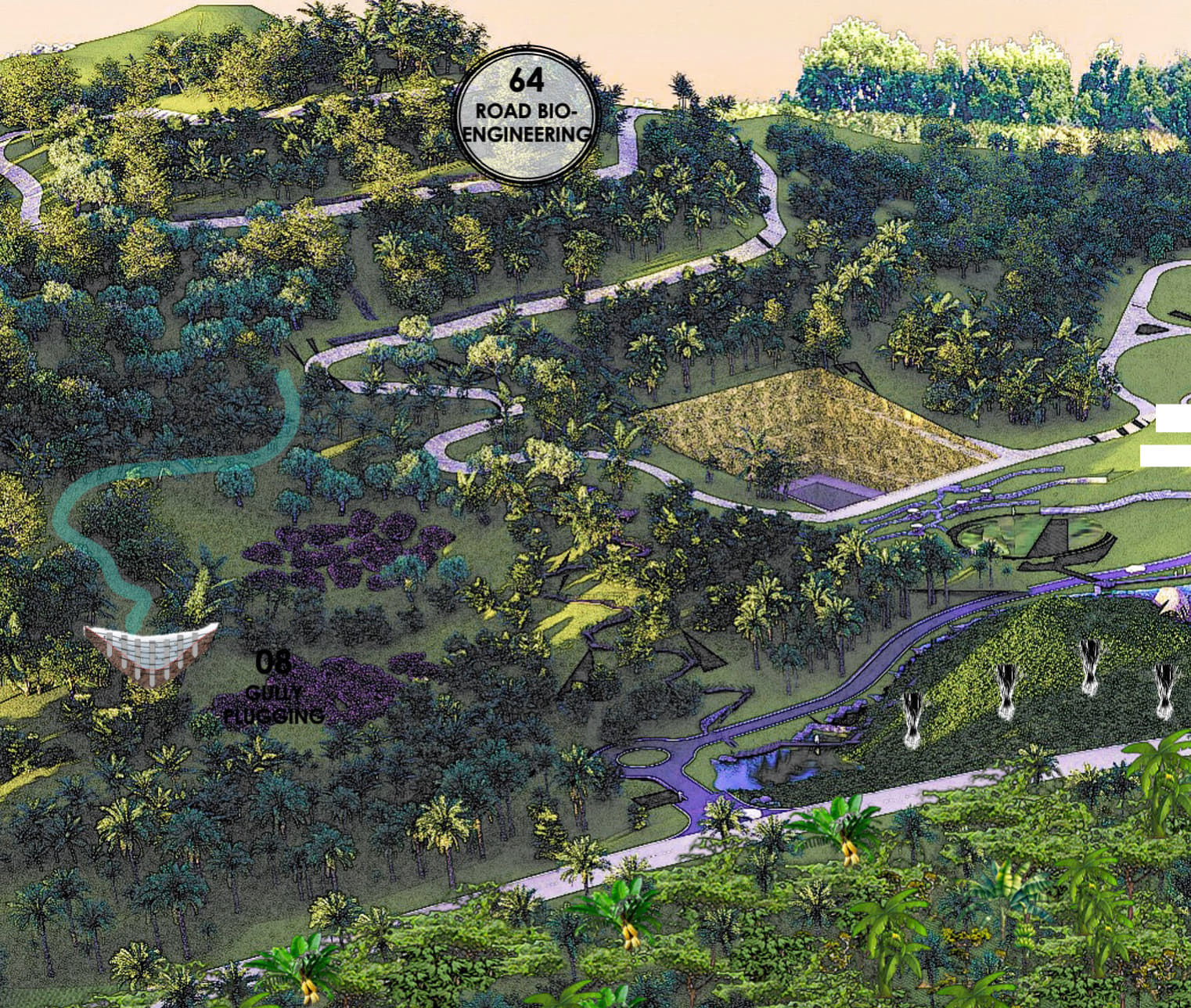

The forests, wetlands, and coasts of Southeast Asia are being rapidly fragmented by urbanization, agriculture, and infrastructure, threatening the survival of species that depend on continuous habitats. Wildlife corridors are vital to reconnect these landscapes, enabling species to migrate, adapt to climate change, and maintain ecological functions such as pollination and seed dispersal.
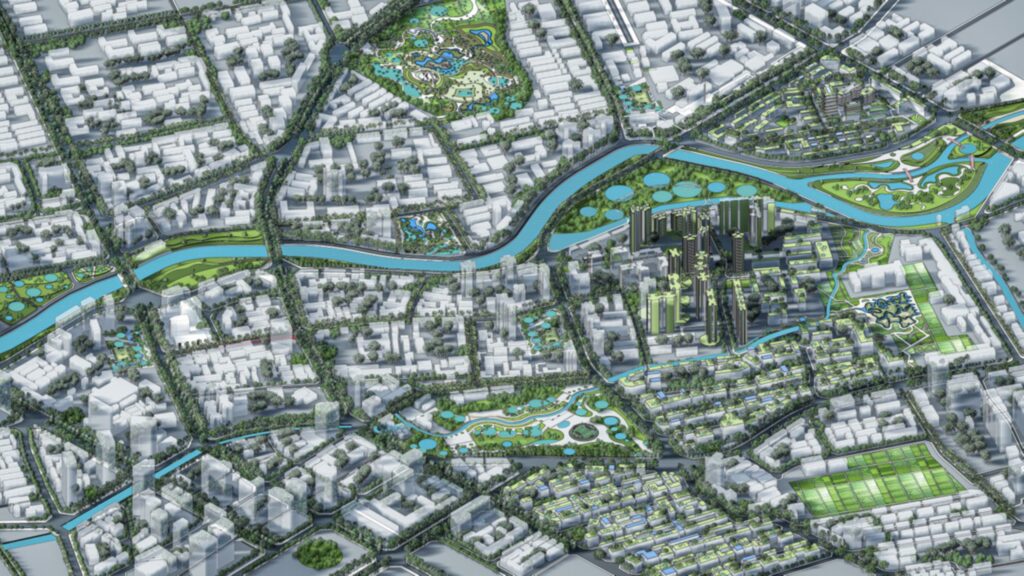
Designed as climate-sensitive landscapes, they also serve as buffer zones between human activity and nature, reducing conflict while sustaining biodiversity.
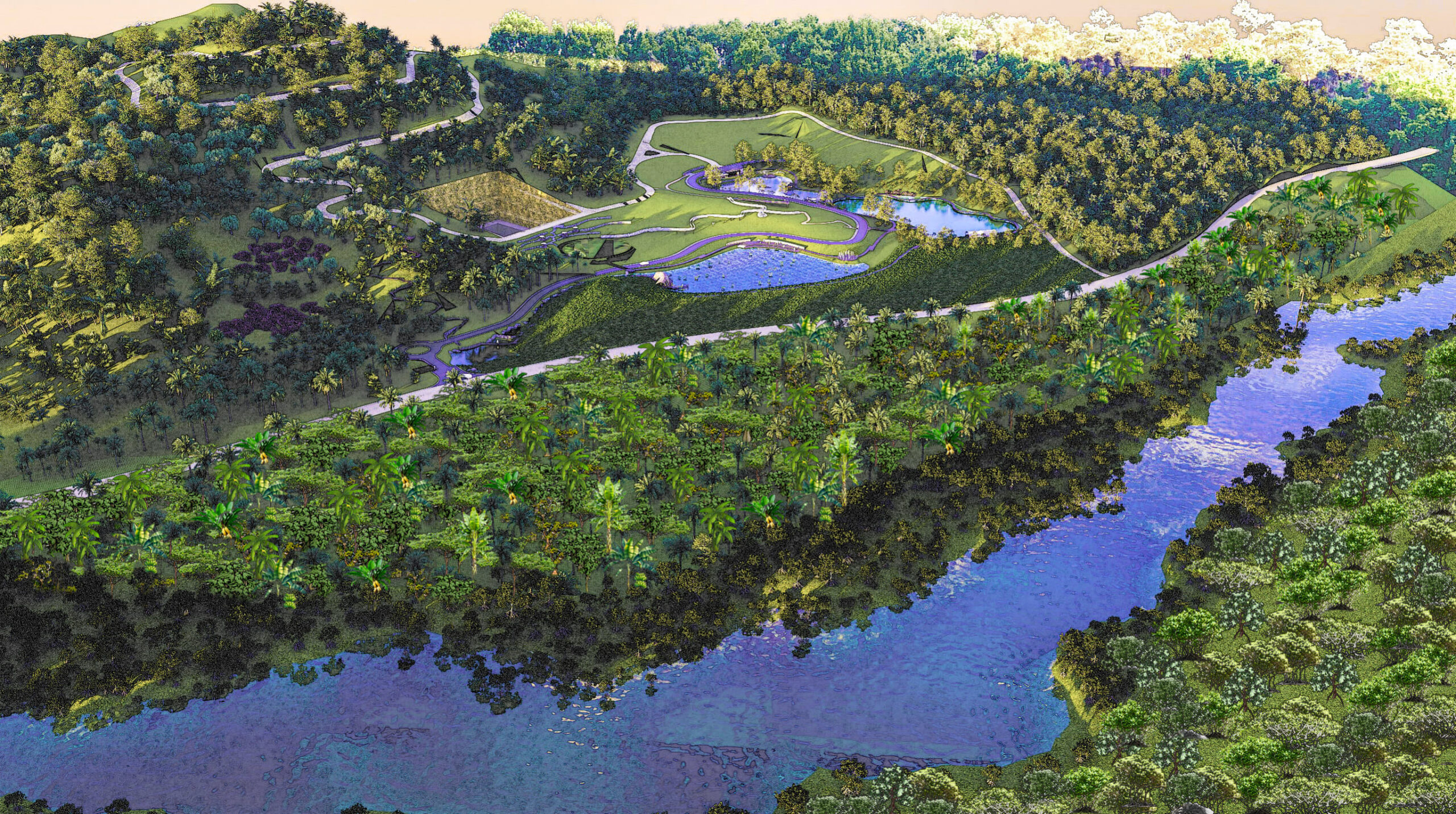
Across the region, initiatives are restoring connectivity. In Malaysian Borneo, corridors linking fragmented forests are critical for orangutans and proboscis monkeys, while in Thailand, upland reforestation and agroforestry help tigers and elephants move between sanctuaries like Huai Kha Khaeng and Thung Yai Naresuan. In Indonesia’s palm oil and logging landscapes, ecological bridges and underpasses offer lifelines for orangutans, and in Vietnam’s Central Highlands, road-crossing structures improve mobility for gibbons and sun bears.
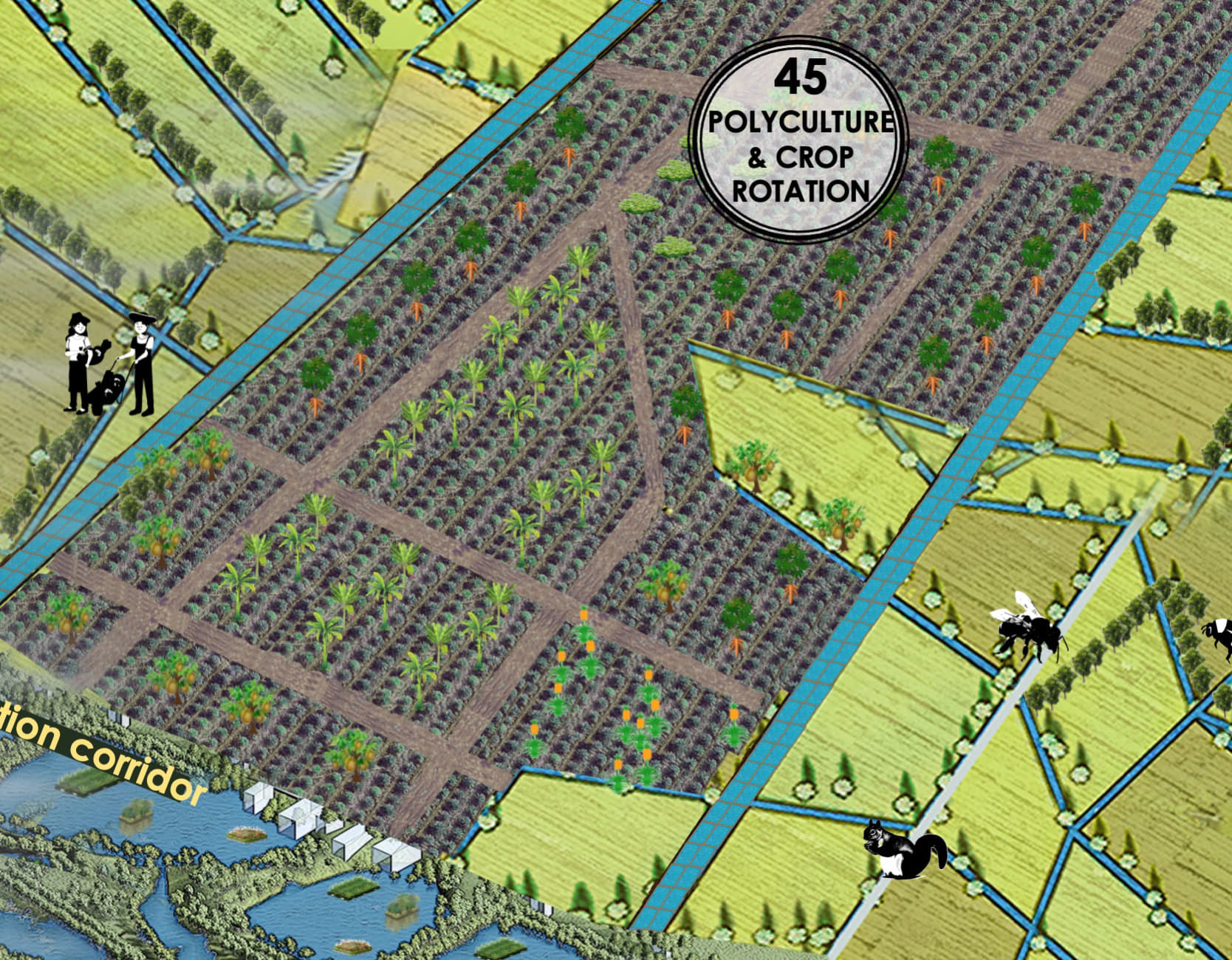
Community stewardship is equally important. In Cambodia’s Phnom Prich Wildlife Sanctuary and parts of Laos, buffer zones managed by local communities reduce human-wildlife conflict, while eco-tourism and non-timber products create sustainable livelihoods. Wetland connectivity also plays a key role: along the Mekong Delta and Cambodia’s Tonle Sap, restored wetlands and bioretention ponds provide crucial stopover sites for migratory birds like the Sarus crane.
By weaving together forests, wetlands, and even marine ecosystems, wildlife corridors create living networks that support biodiversity, secure ecosystem services, and strengthen resilience against climate and disaster risks. They are not just pathways for species but lifelines for ecological and human communities alike.