
Southeast Asia’s forests—ranging from upland rainforests to mangroves and peat swamps—are vital for biodiversity, livelihoods, and climate resilience. Yet they face mounting pressures from deforestation, land degradation, and climate extremes such as floods, droughts, and fires. Maintaining healthy forests and natural habitats requires a comprehensive approach that integrates Nature-based Solutions (NbS) to restore ecosystems, protect communities, and strengthen resilience against future risks.
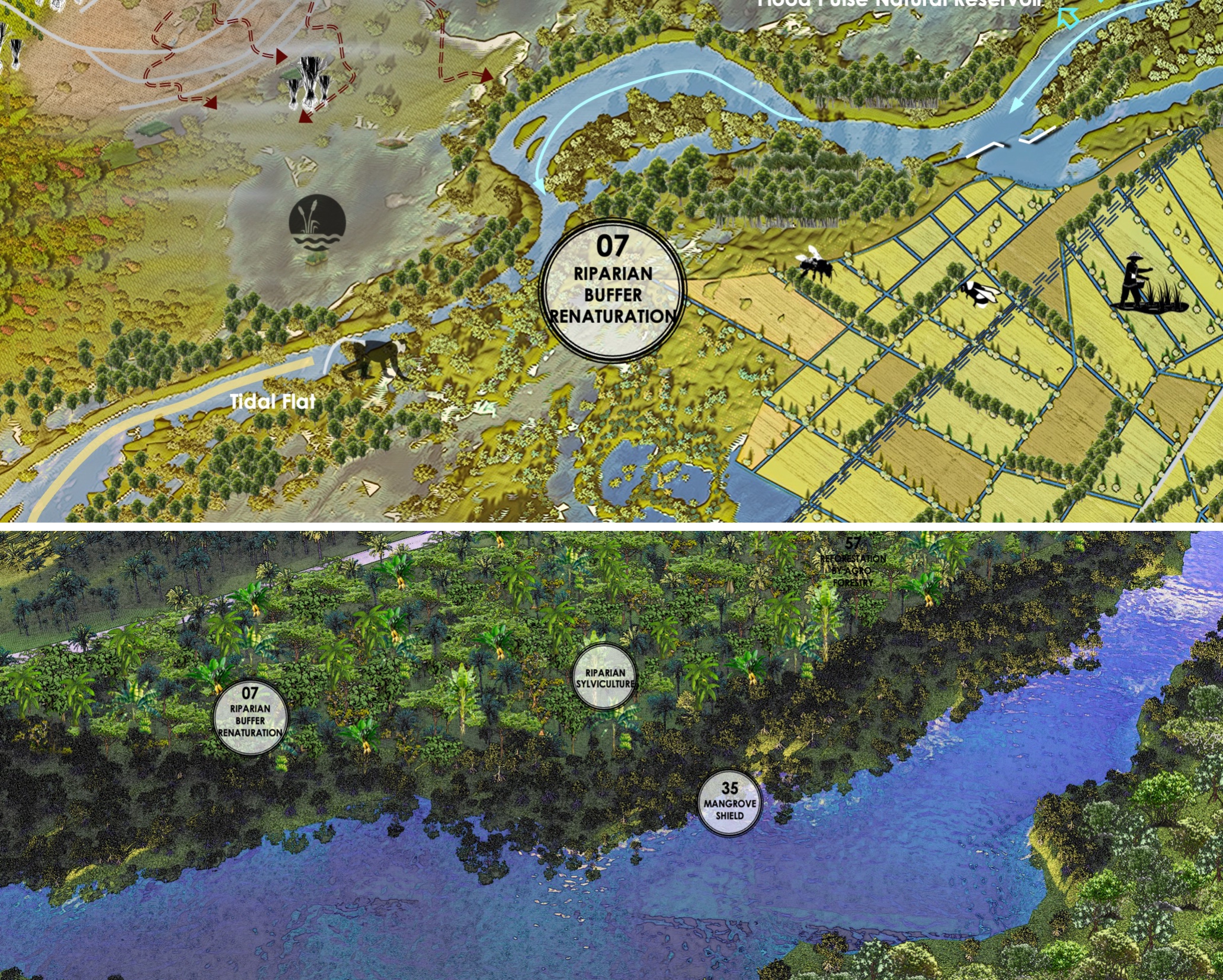
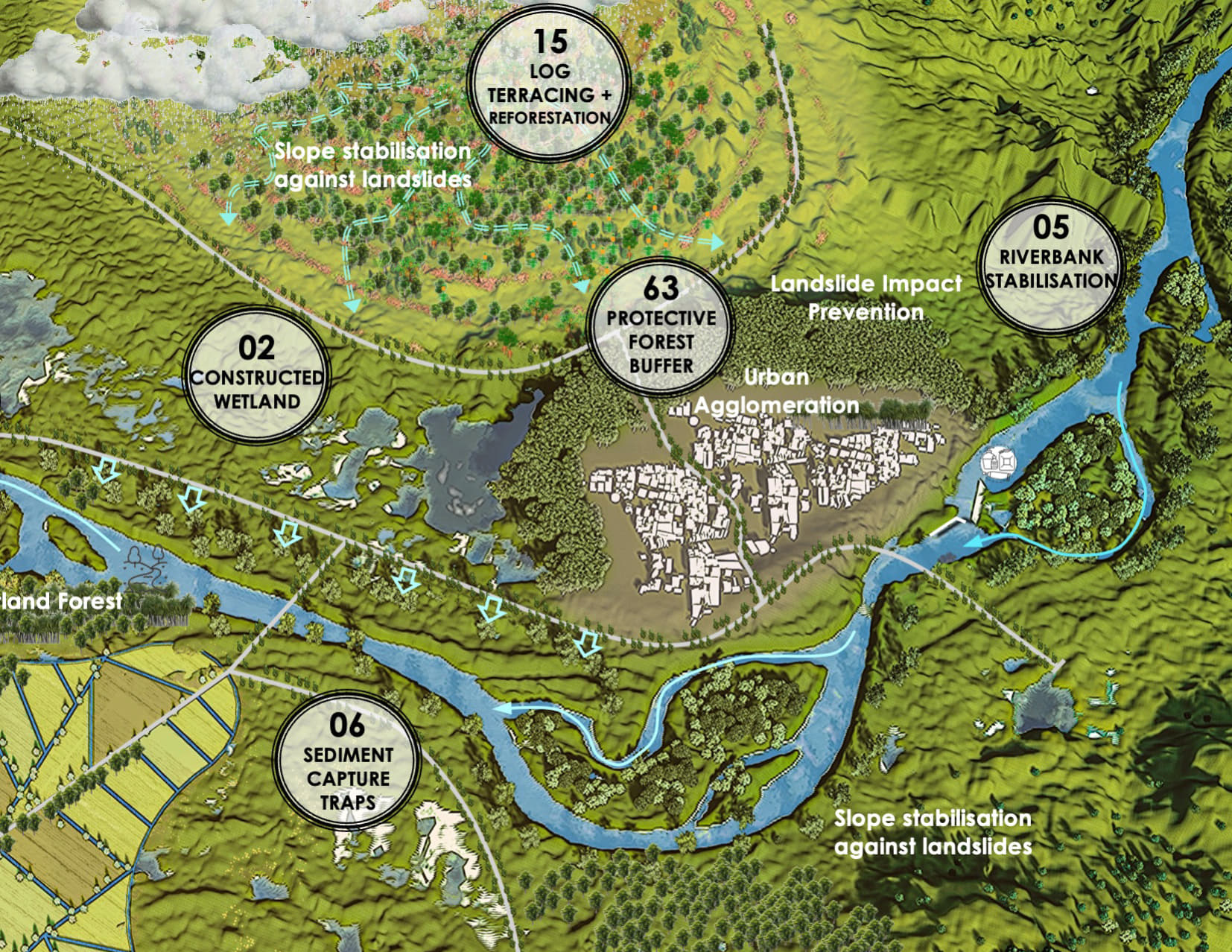
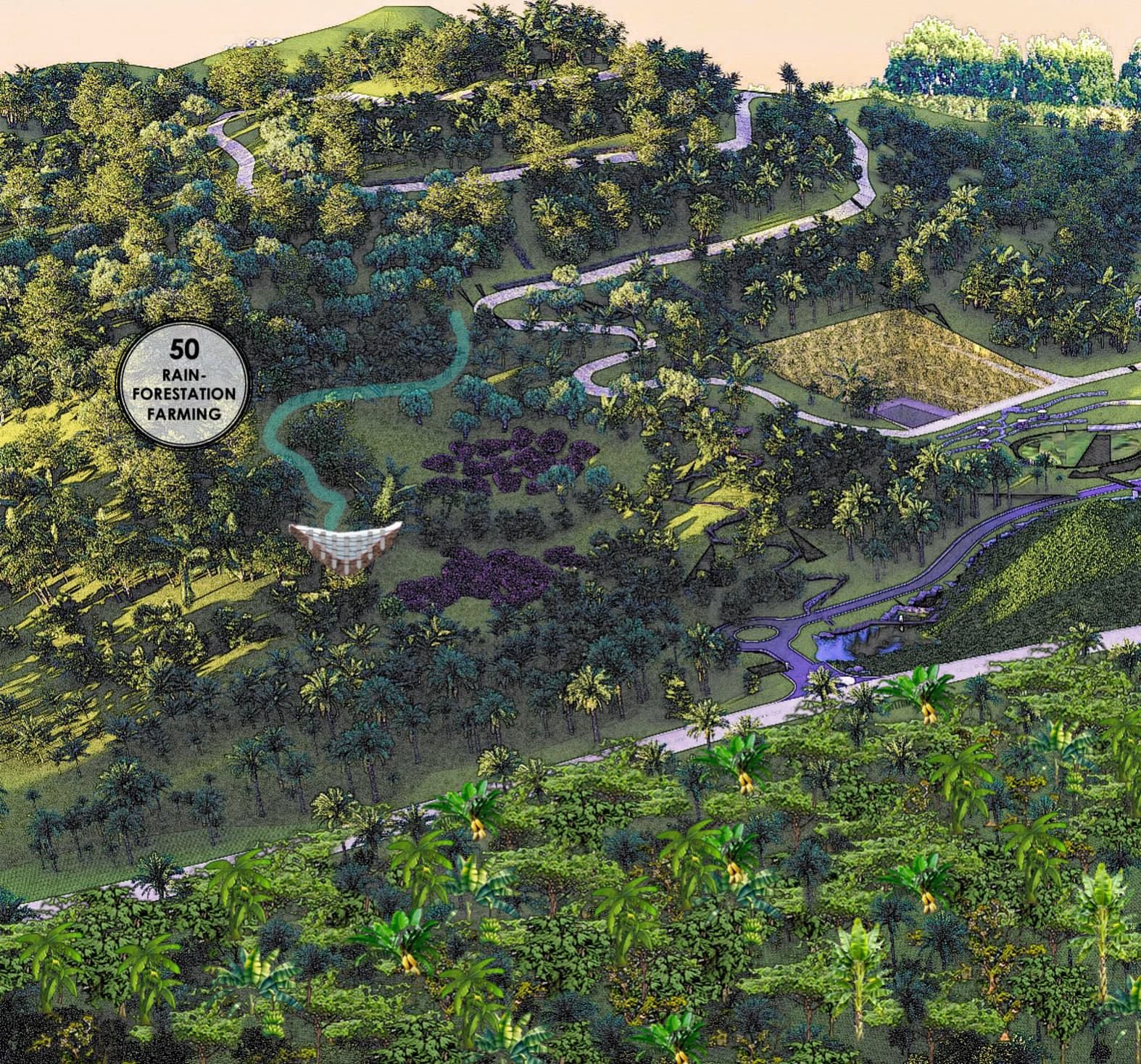
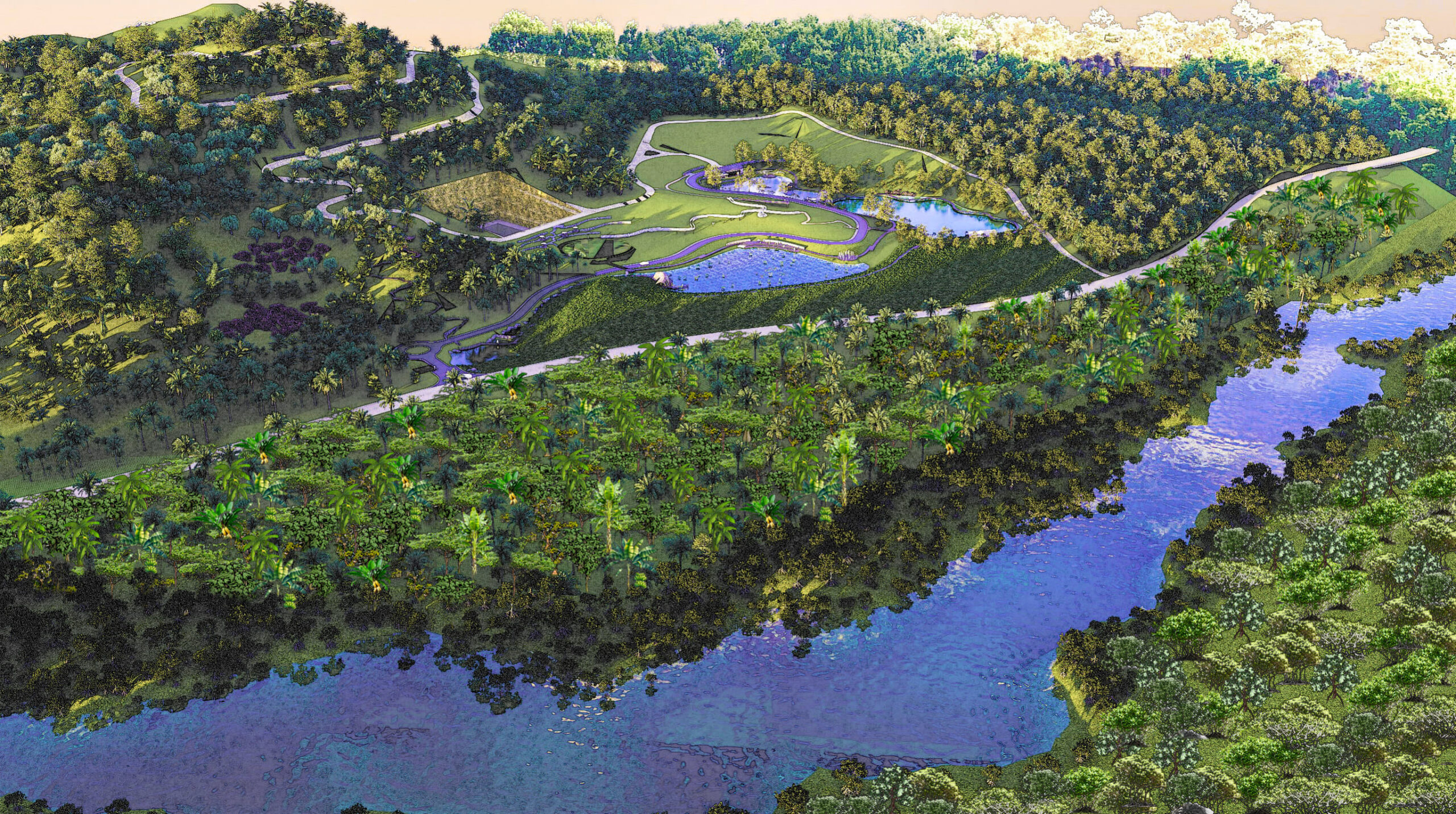
Across the region, restoration is underway. In the Philippines’ Cordillera Mountains and Vietnam’s Annamite Range, reforestation with native species stabilizes soils, reduces landslides, and enhances water cycles. Rainforestation farming in the Sierra Madre combines agroforestry and biodiversity recovery, while peat swamp restoration in Central Kalimantan curbs carbon emissions, prevents fires, and preserves unique habitats. Along major waterways such as Cambodia’s Tonle Sap and Vietnam’s Mekong Delta, riparian forest buffers improve water quality, reduce erosion, and create vital wildlife corridors.
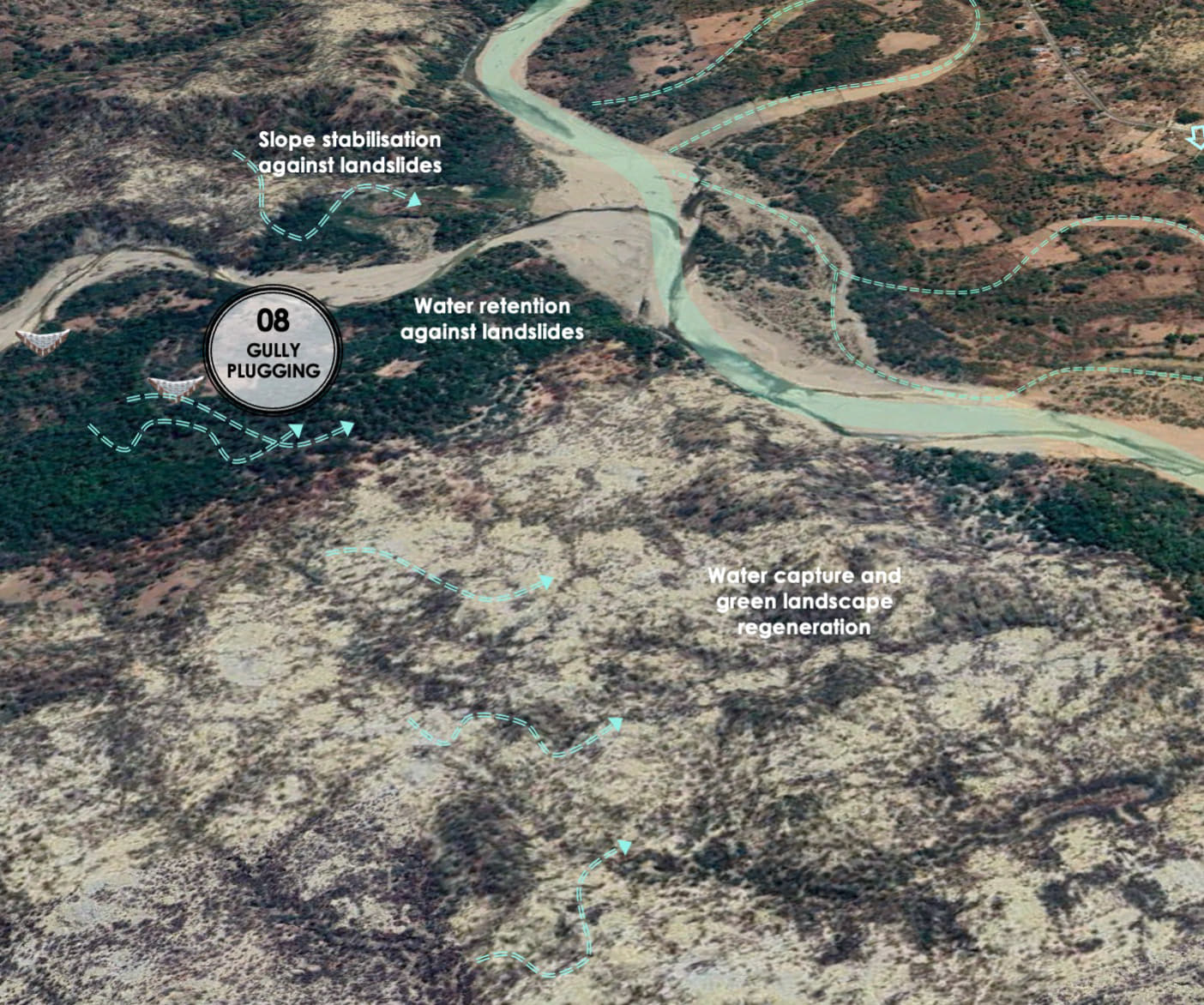
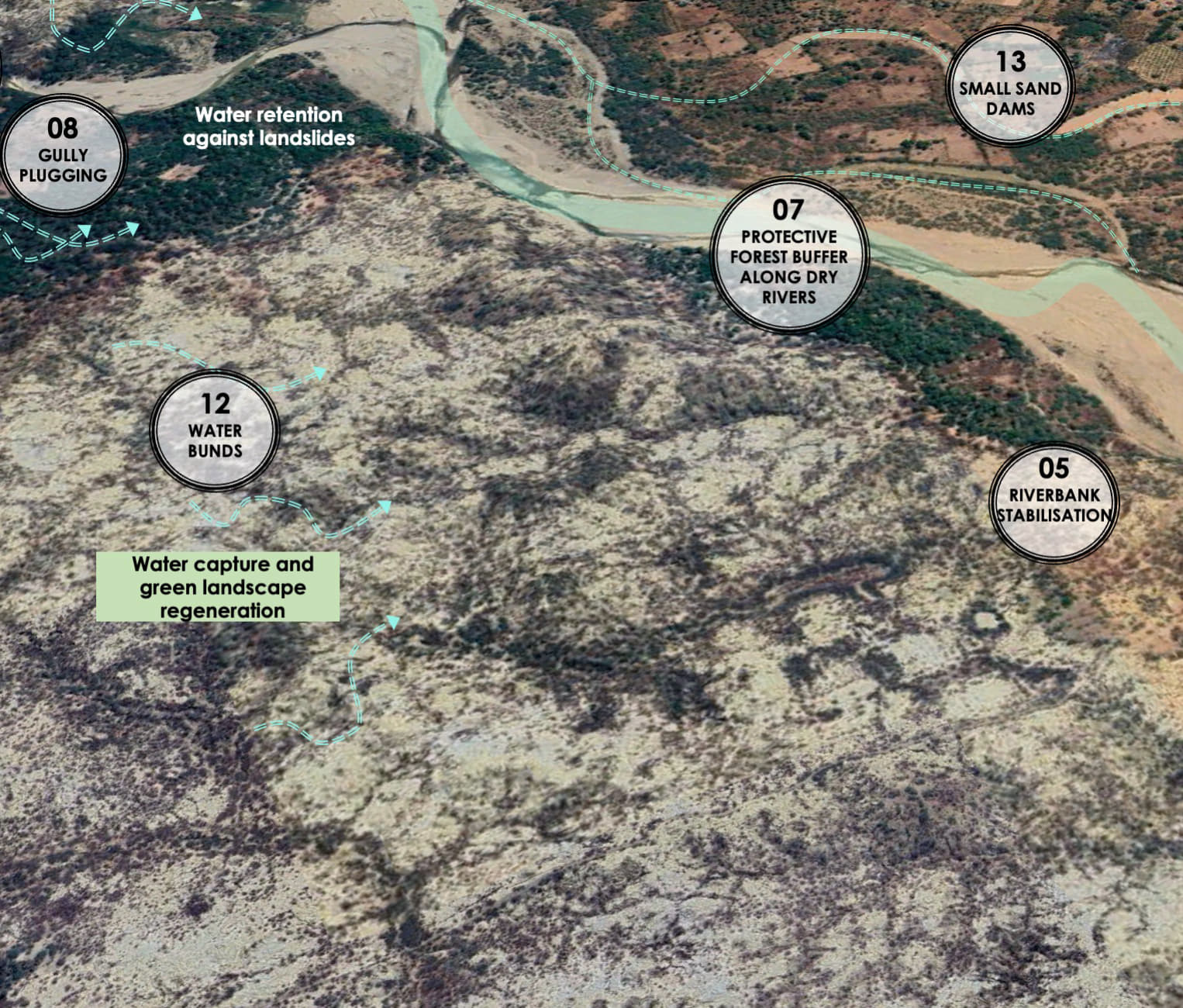
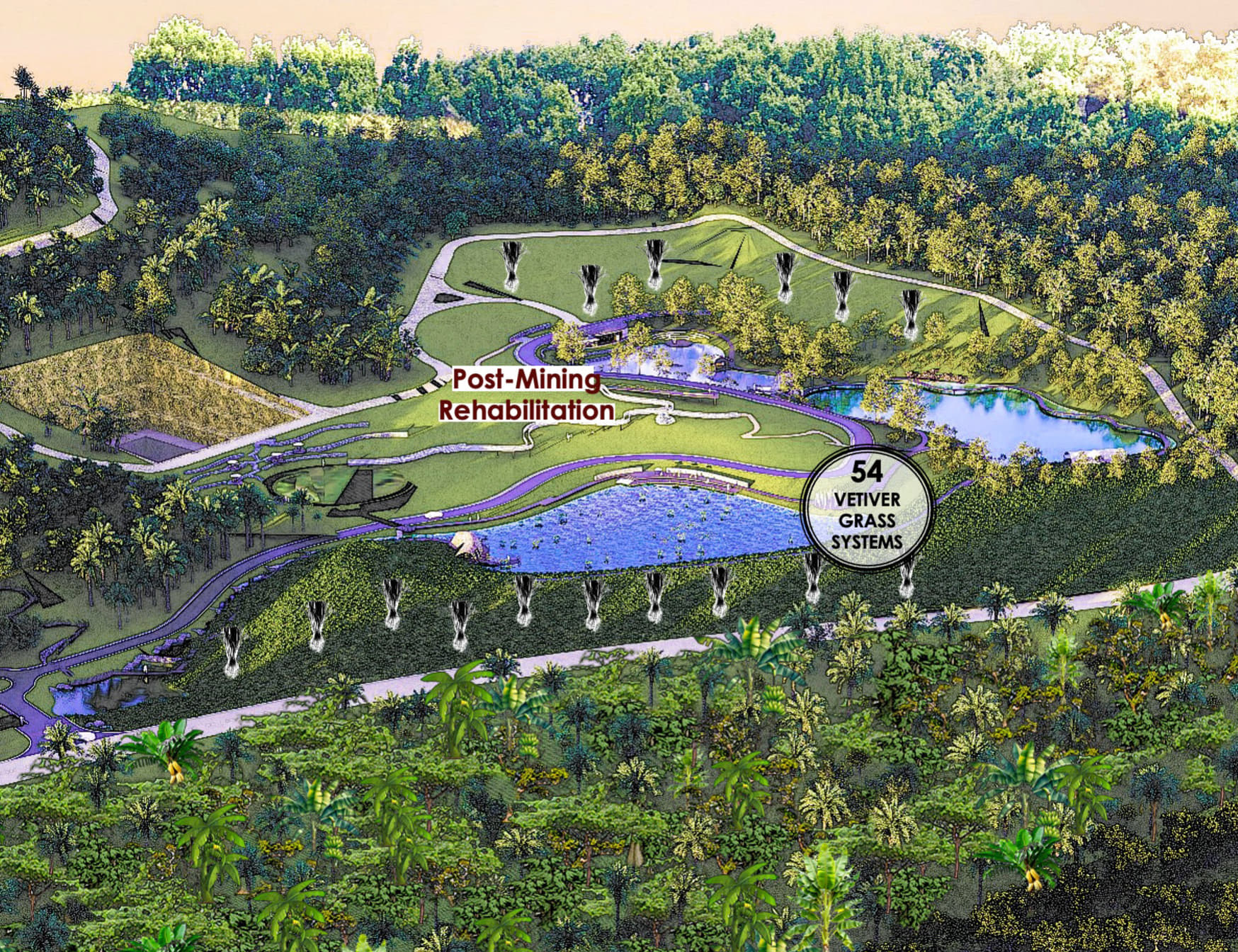
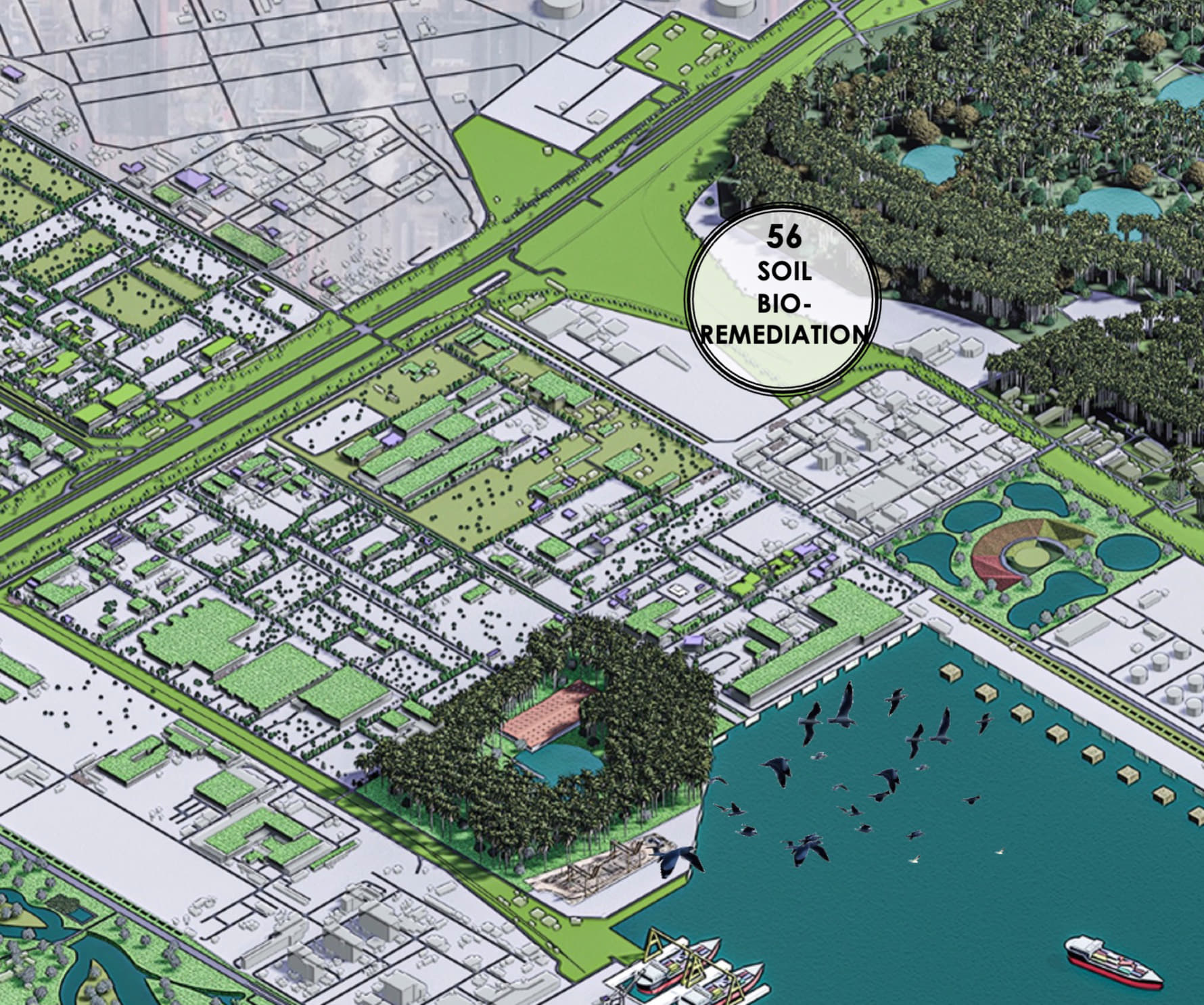
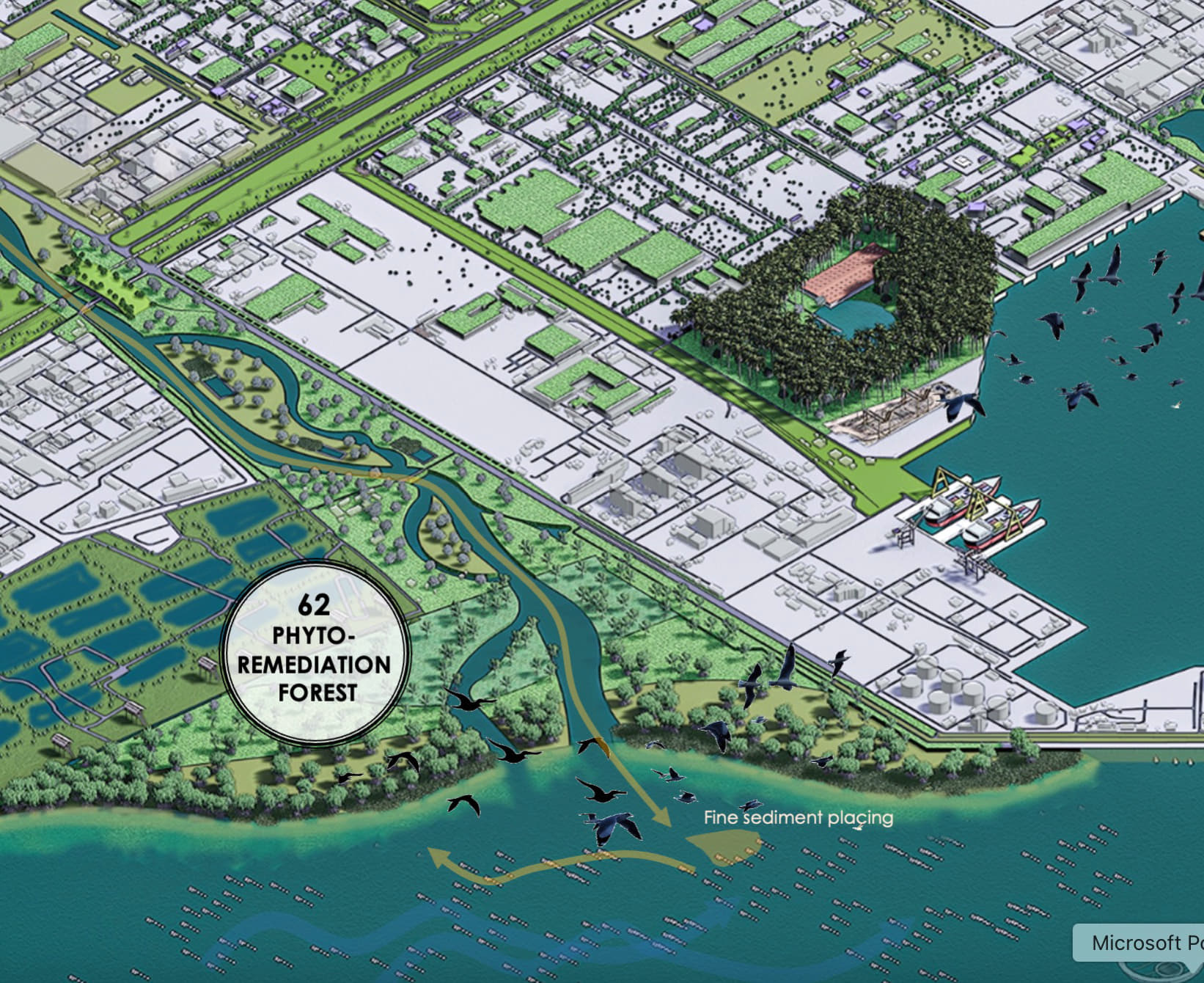
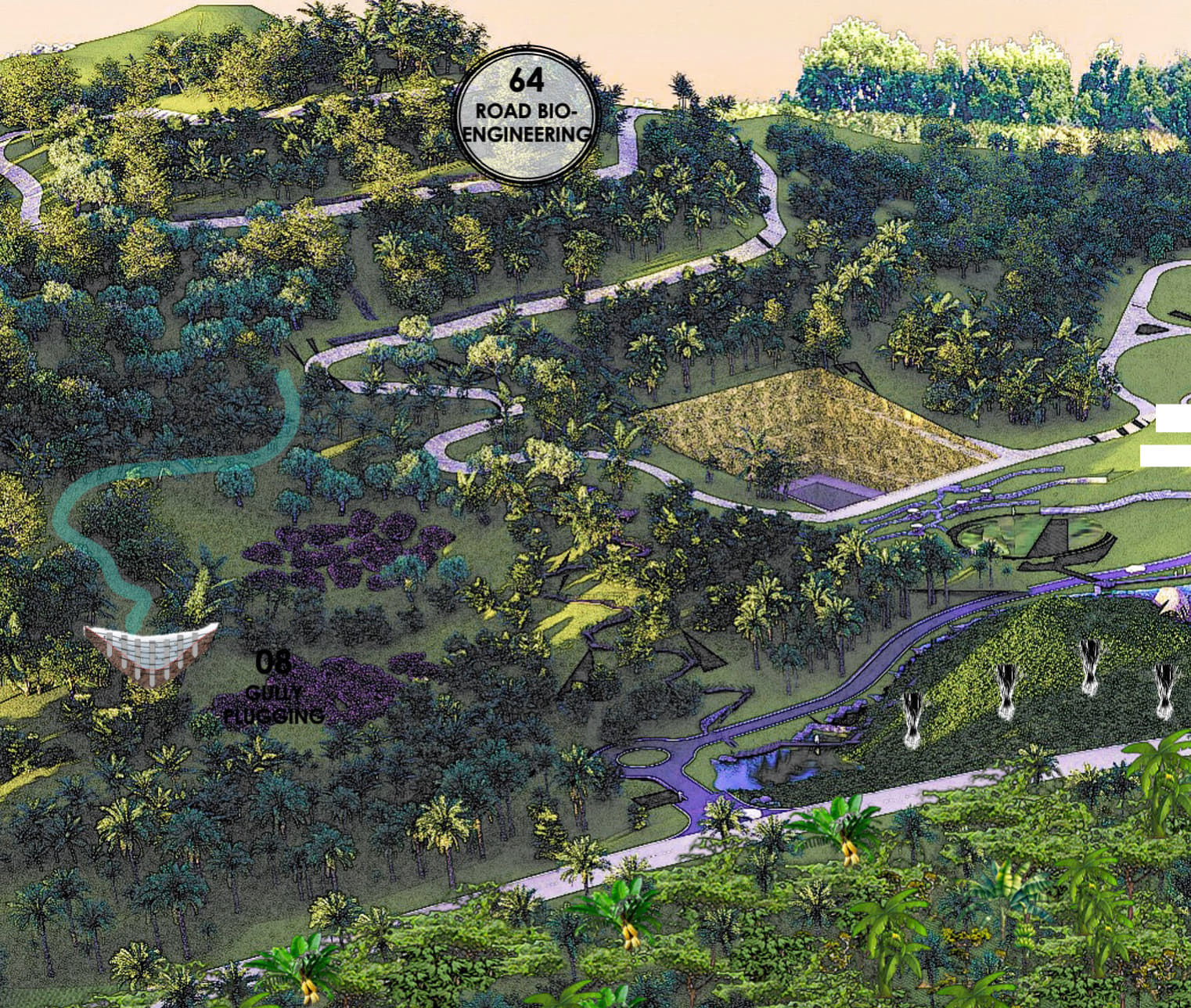
NbS are also helping degraded landscapes rebound from mining, urbanization, and infrastructure pressures. Techniques such as soil bioengineering, phytoremediation corridors, and gully plugging restore ecological functions in areas scarred by logging or urban sprawl, from Malaysia’s Taman Negara to Java’s expanding cities. Community forestry in northern Thailand and assisted natural regeneration in Laos empower local stewardship, ensuring that forests remain both productive and resilient.
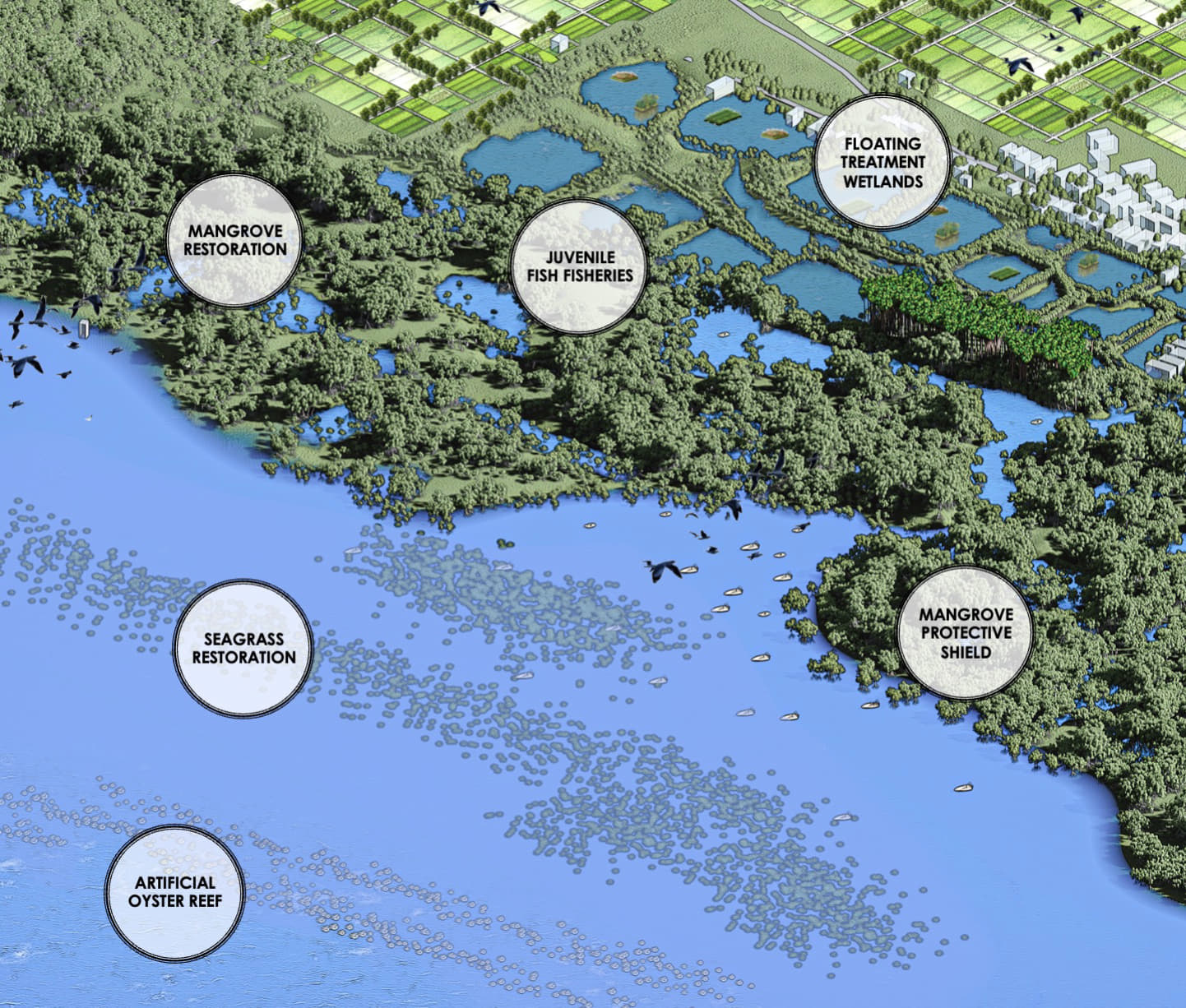
In coastal regions, mangrove restoration—from Thailand’s shorelines to Vietnam’s Mekong Delta—provides a natural shield against storm surges and sea-level rise, while sequestering carbon and supporting fisheries. Further inland, riparian sylviculture and vetiver grass planting in Cambodia’s Cardamom Mountains help protect soils and sustain water quality.
In synergy, these interventions show how forests and habitats can transition from threatened to thriving. Embedding NbS in restoration and conservation can safeguard biodiversity and also build landscapes that can withstand the challenges of a changing climate.