
Across Southeast Asia, rivers and deltas such as the Mekong, Chao Phraya, and Red River are lifelines for millions of people. Yet they face growing challenges: stronger monsoon floods, periods of drought, erosion, and the intrusion of saltwater into fertile lands. Building resilience in these landscapes means working with water, not against it.
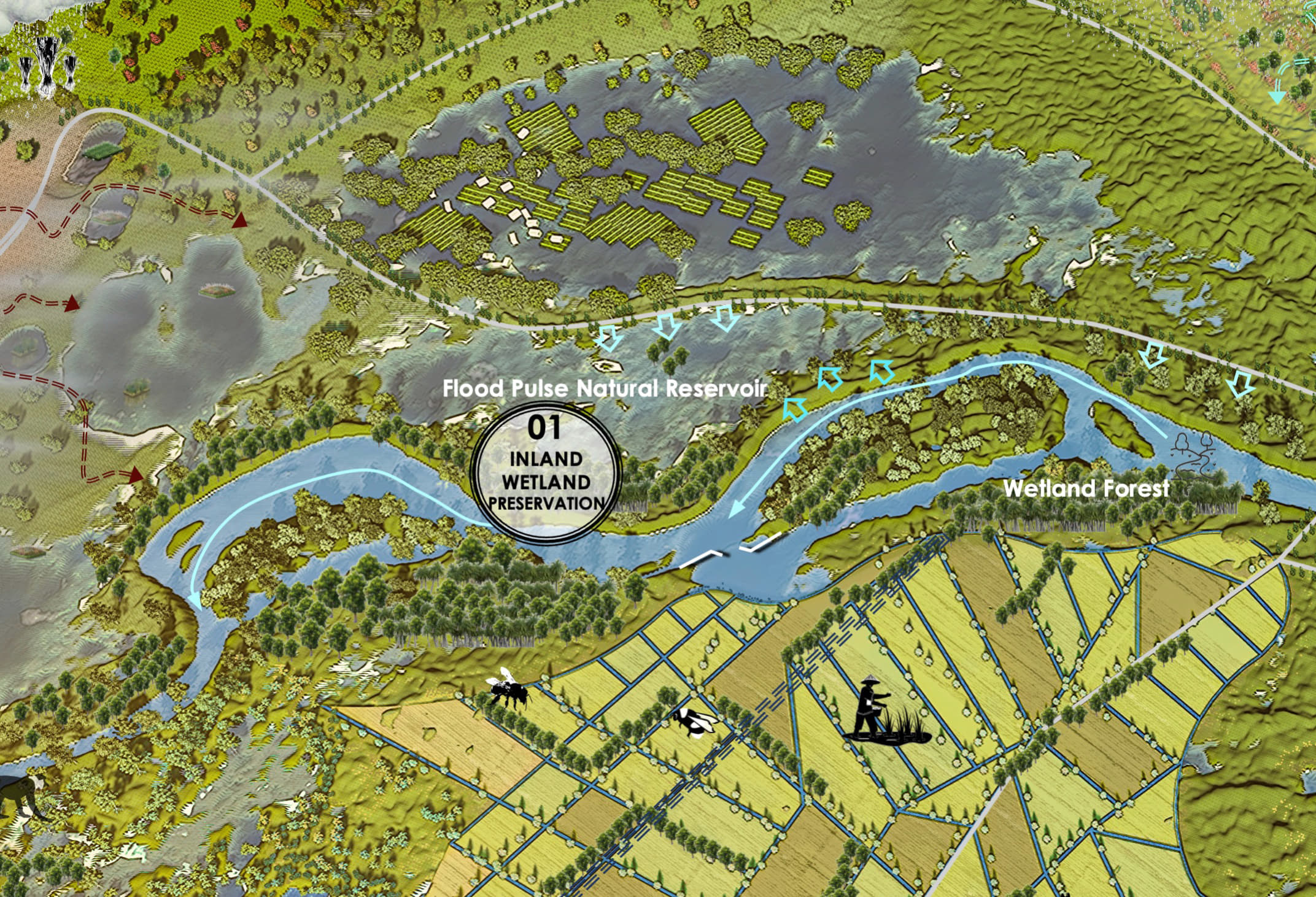
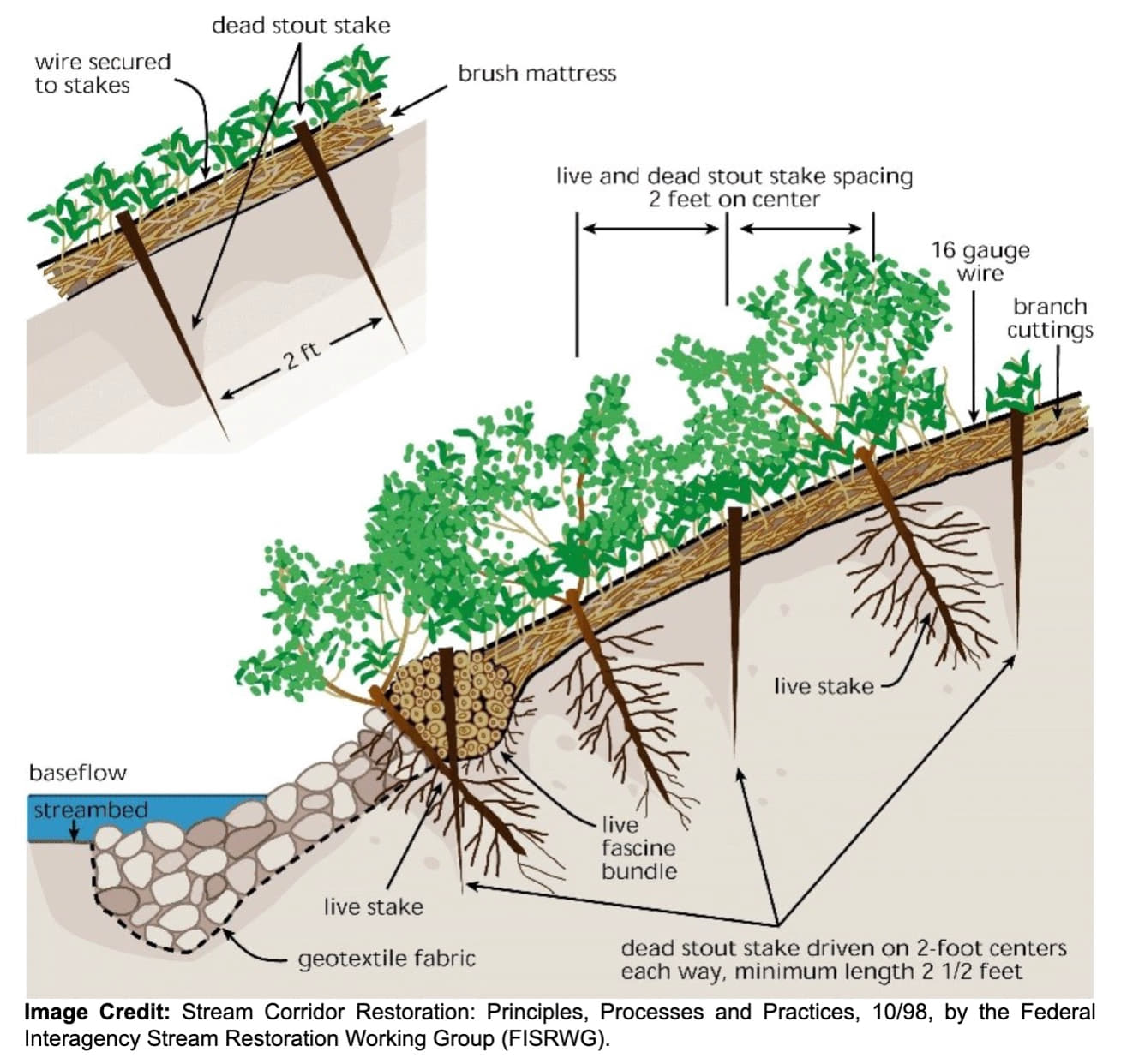
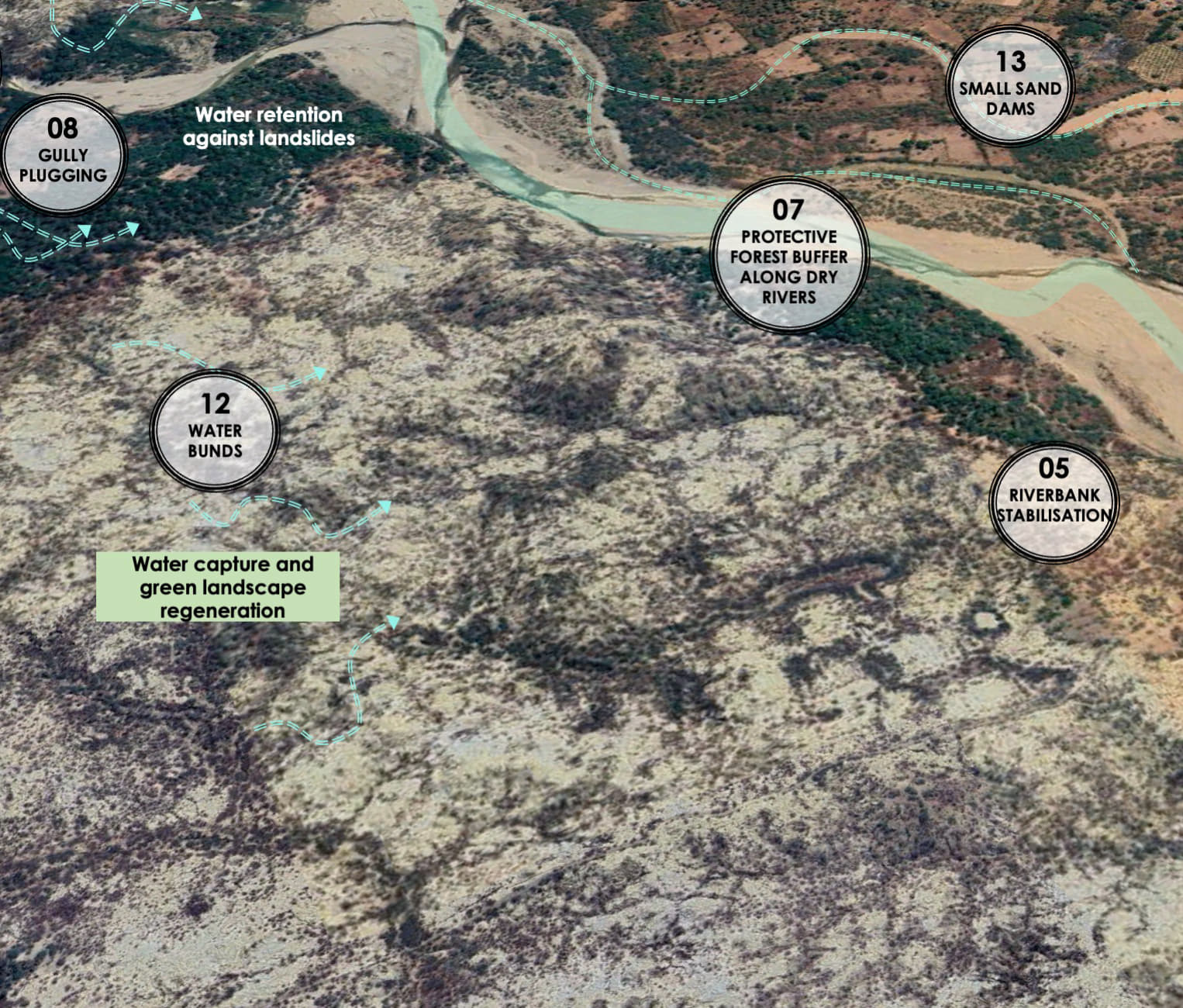
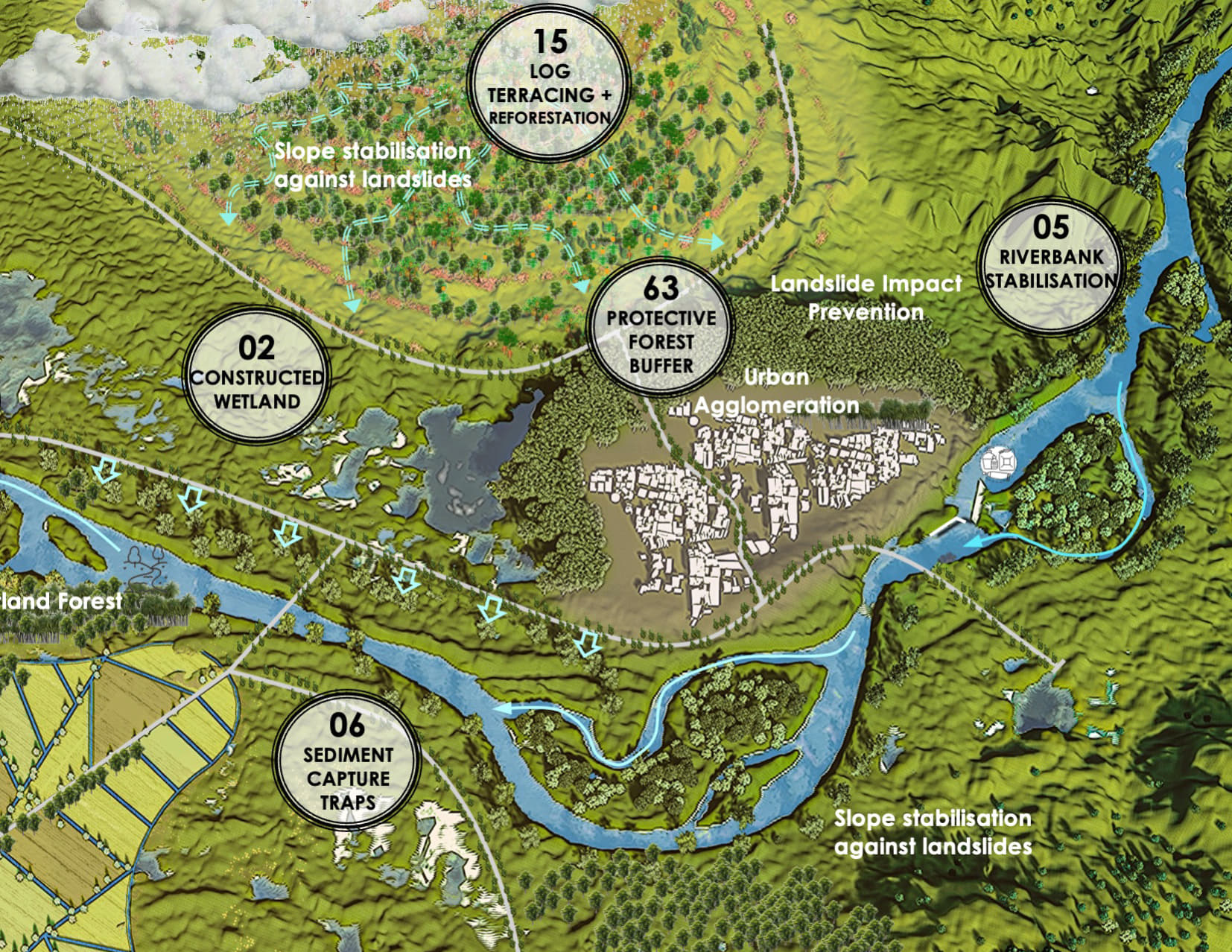
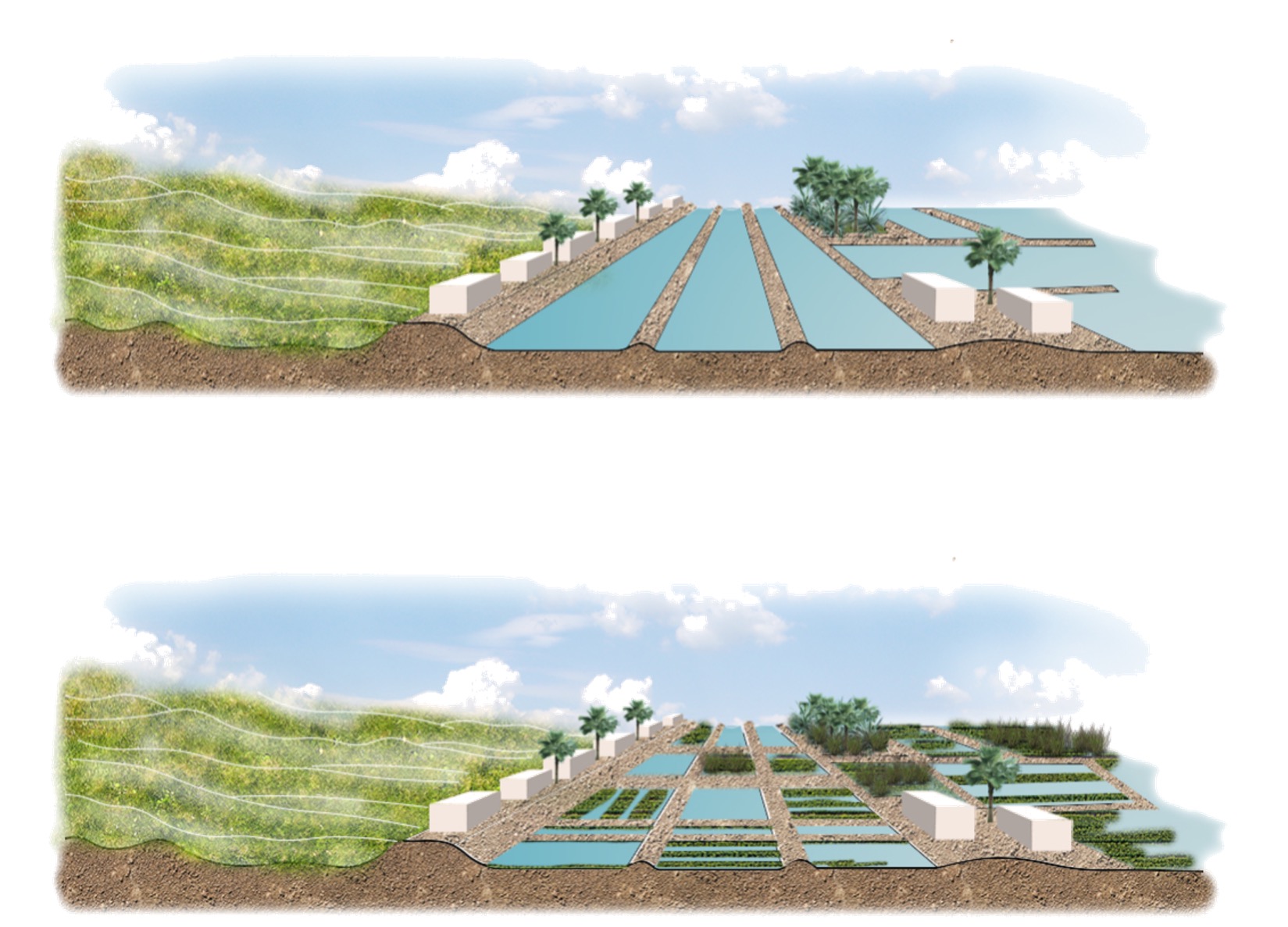
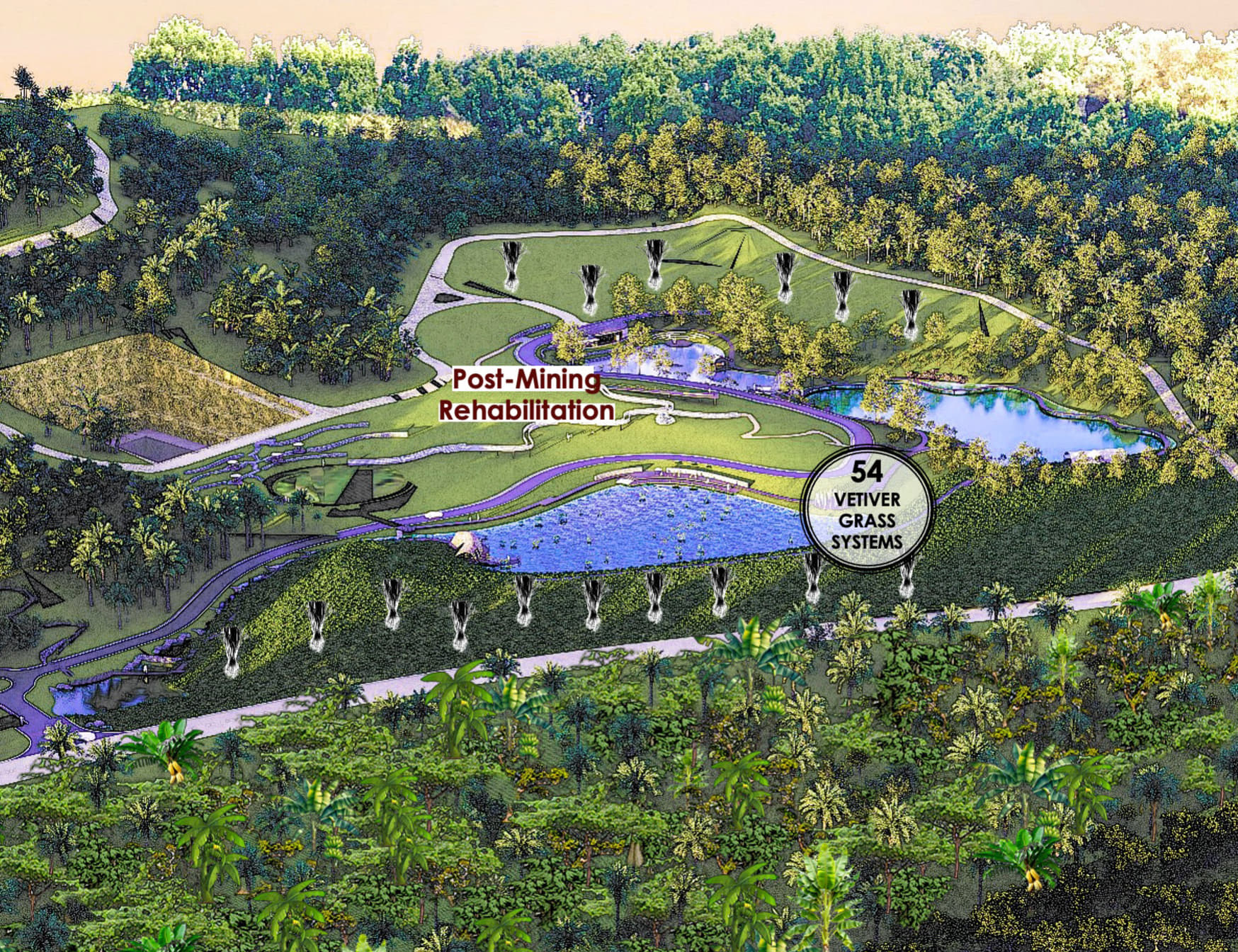
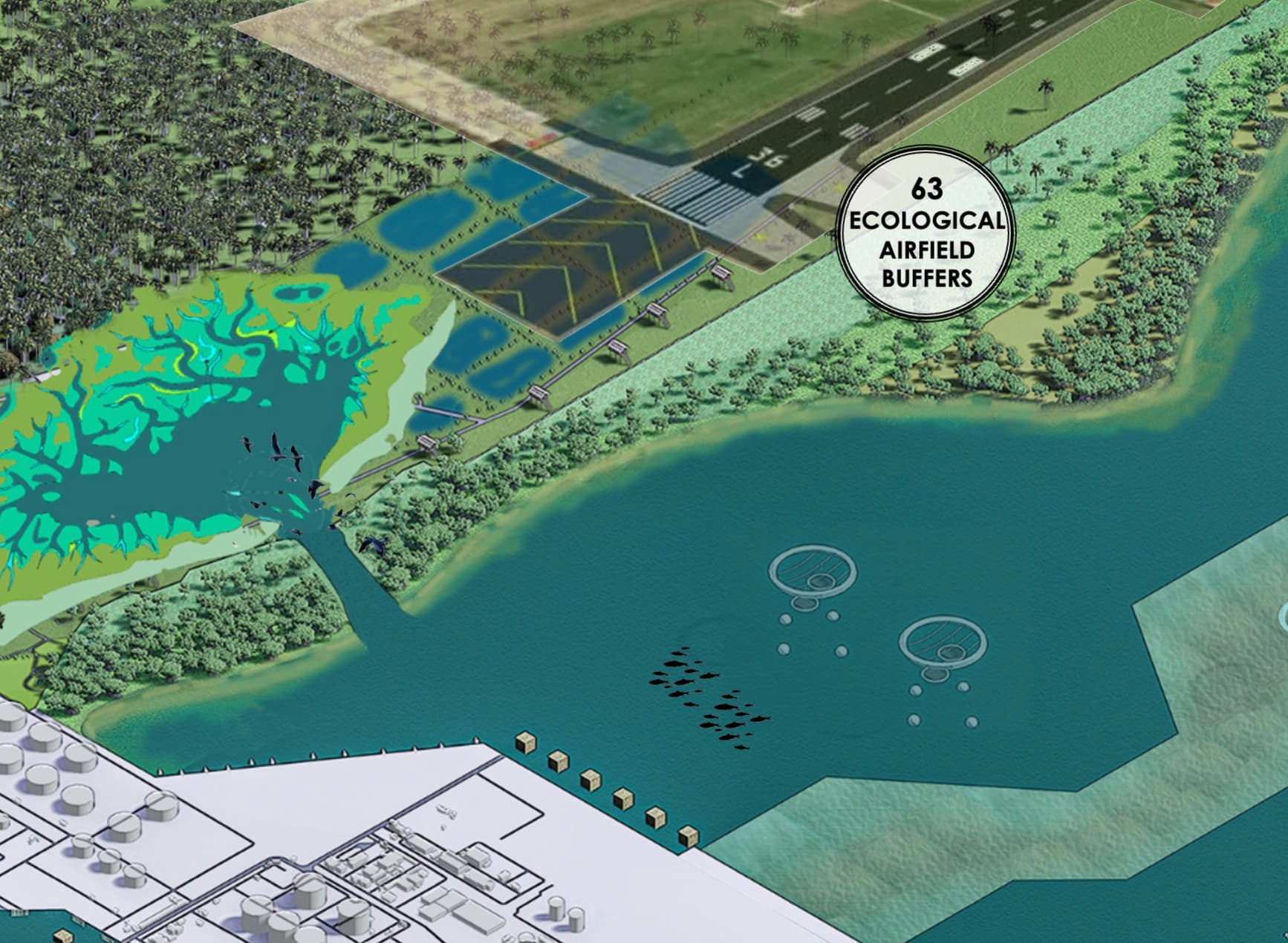
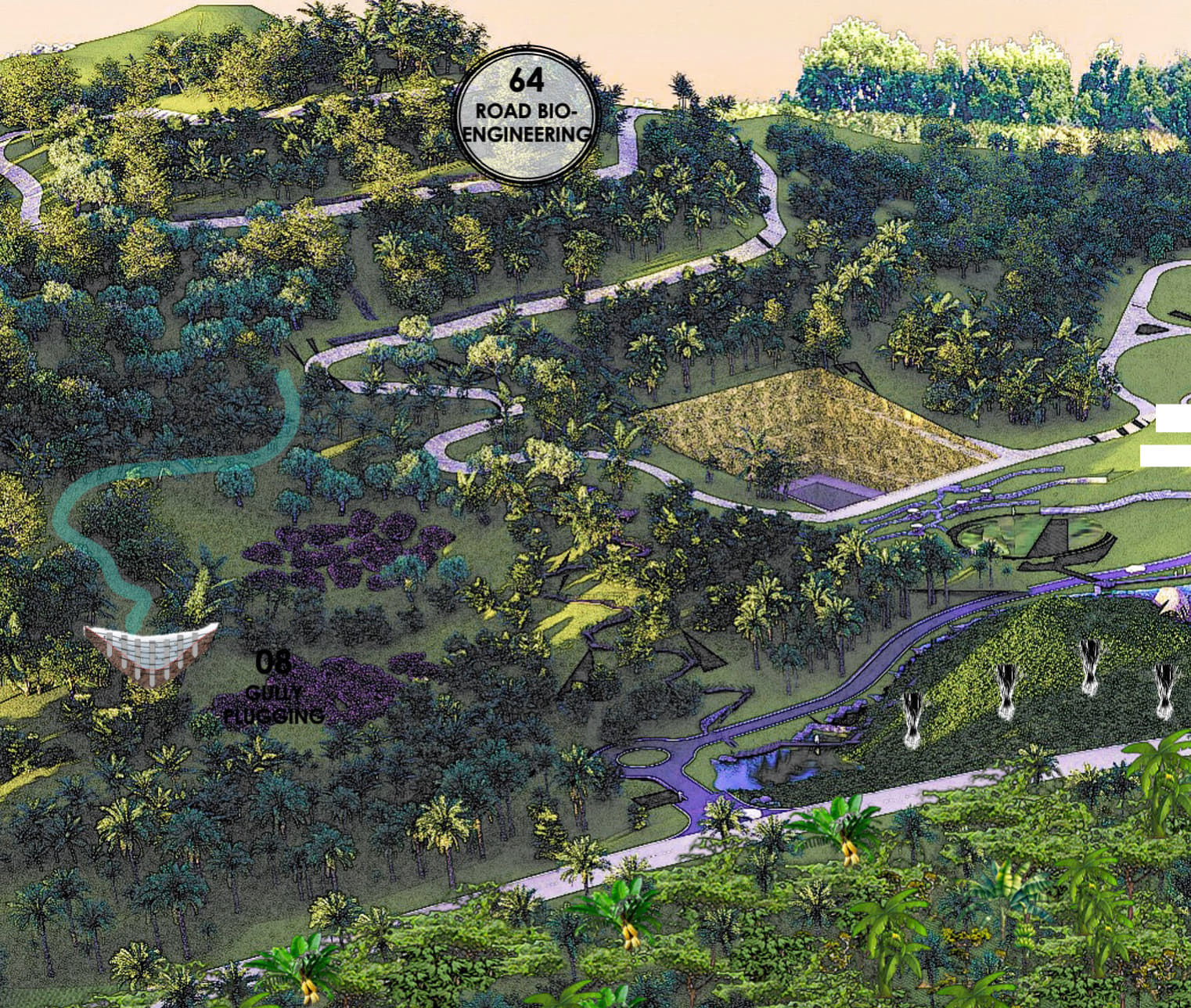
Nature-based Solutions (NbS) offer ways to restore balance while supporting local livelihoods. In humid riverine areas, riparian forests and wetlands can absorb floodwaters, reduce erosion, and protect downstream communities. In seasonal floodplains, storing water benefits fisheries and agriculture while replenishing aquifers. In drier zones, check dams and re-vegetation help degraded riverbeds hold water for the dry season.
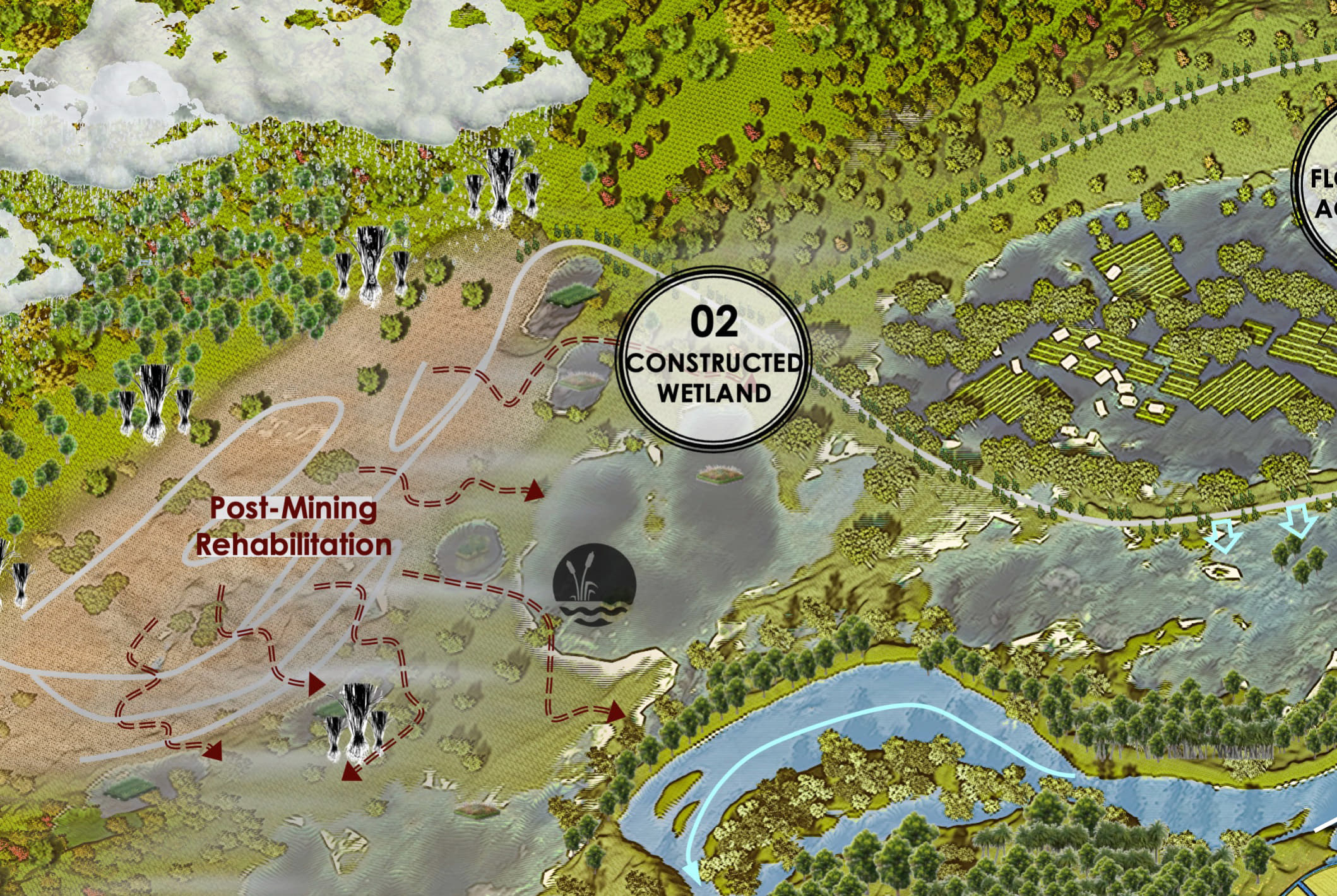
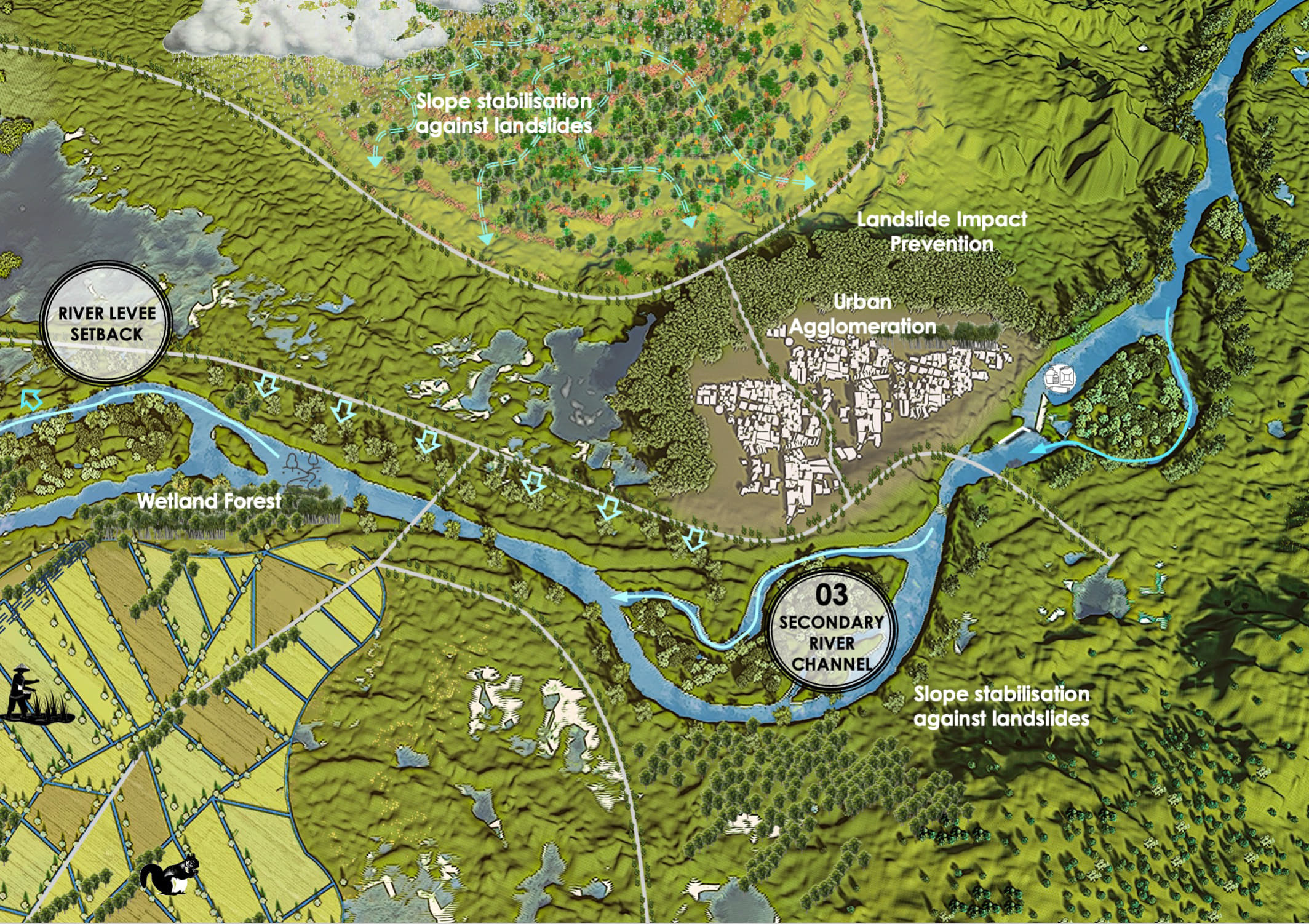
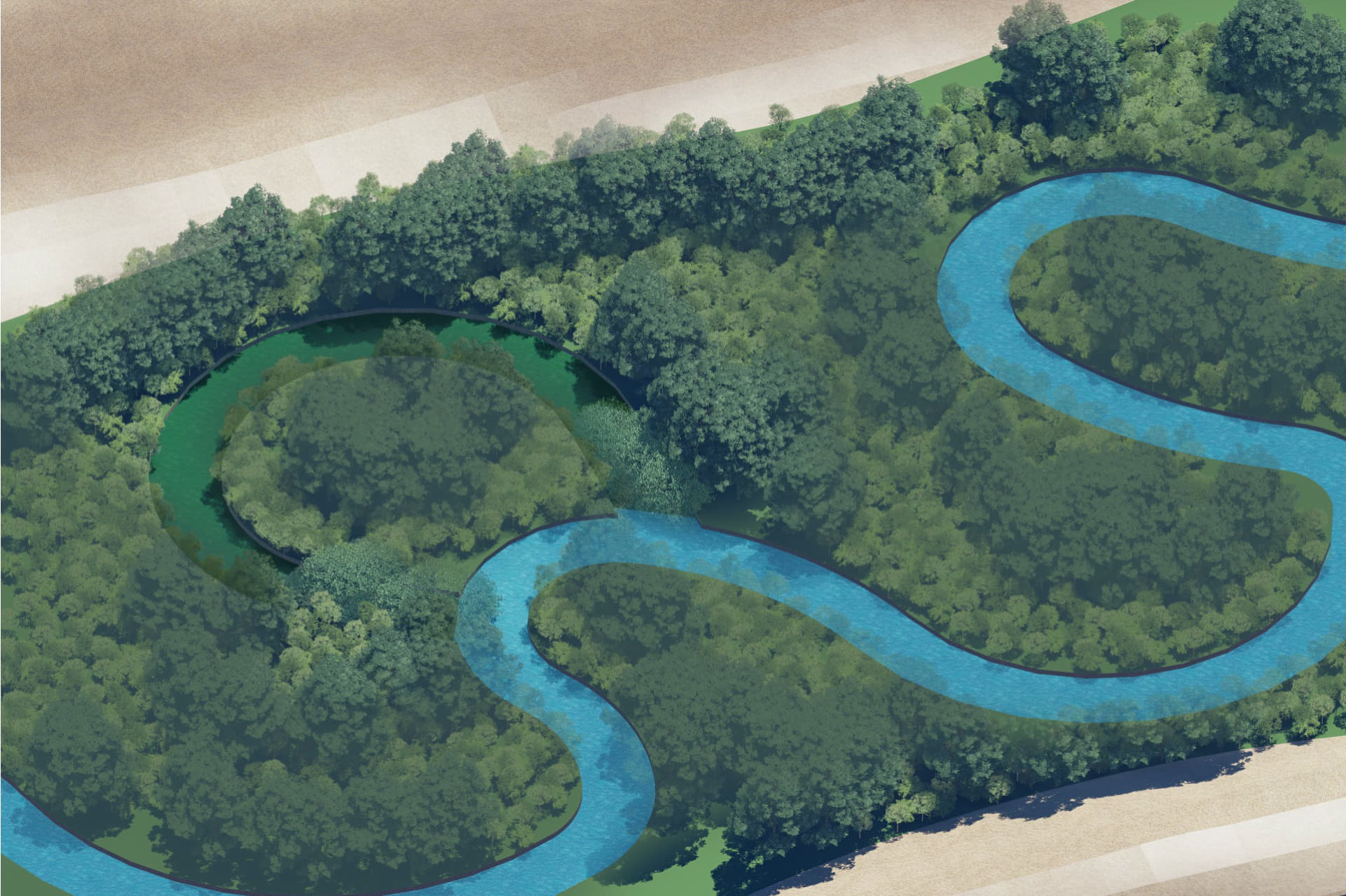
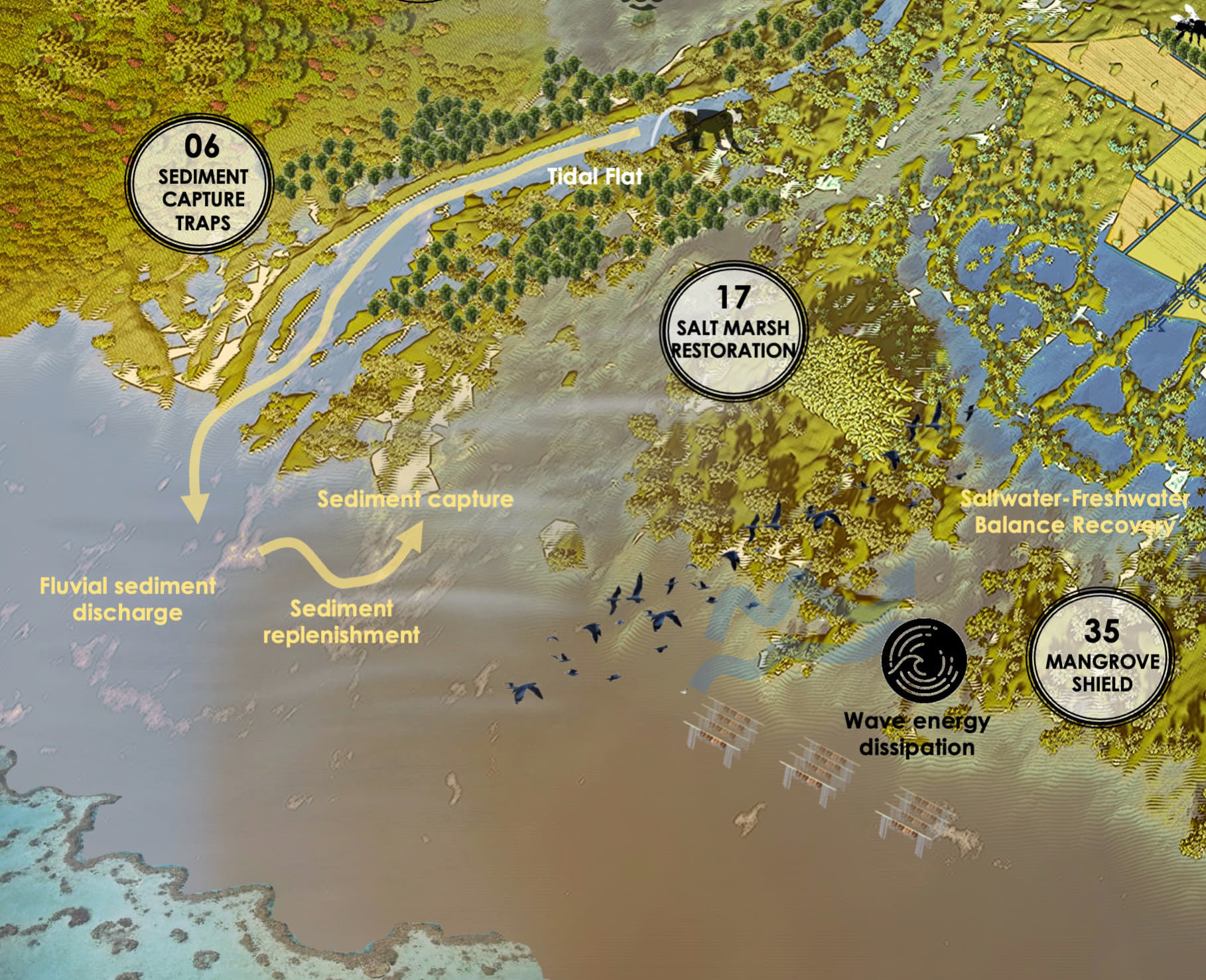
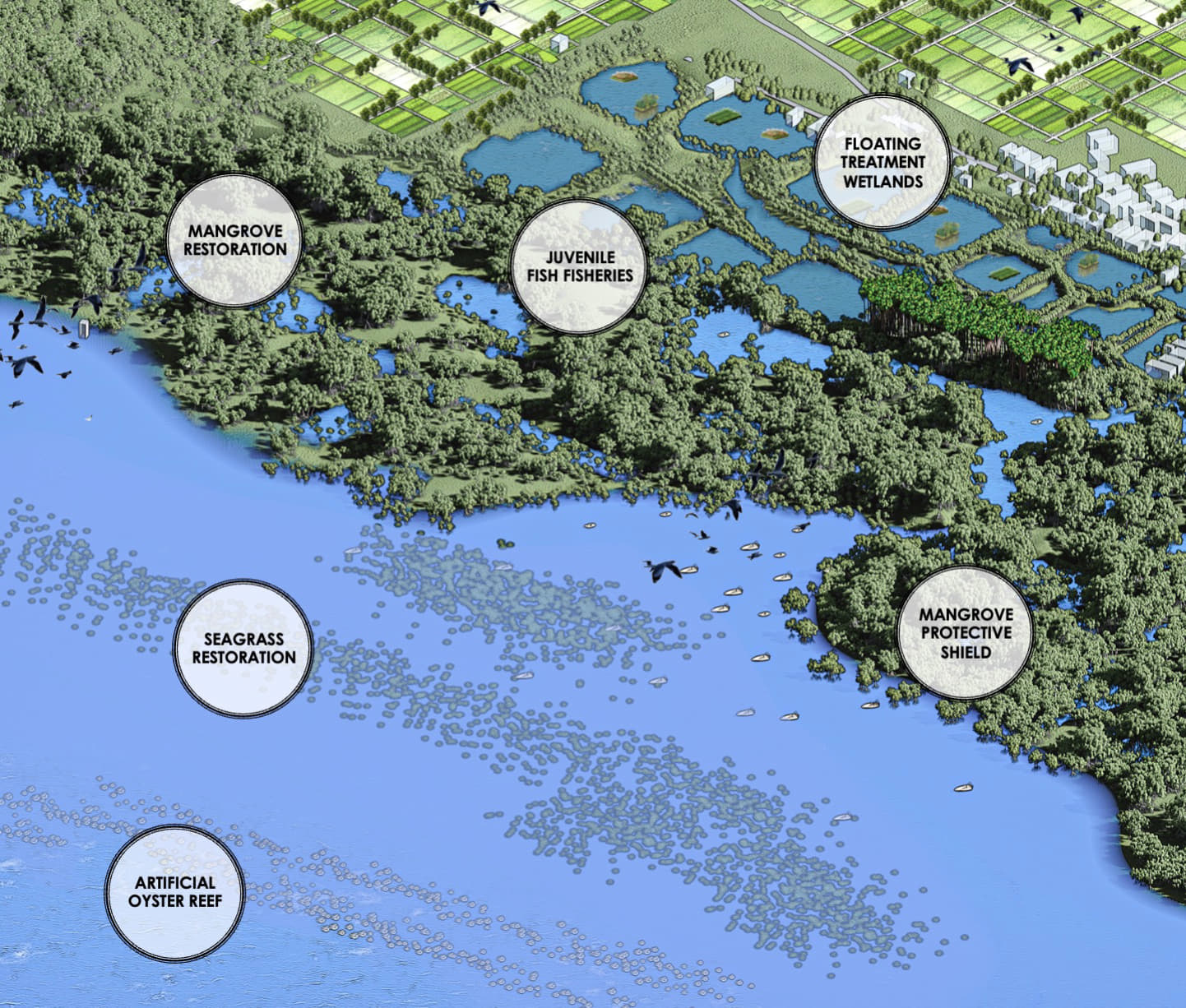
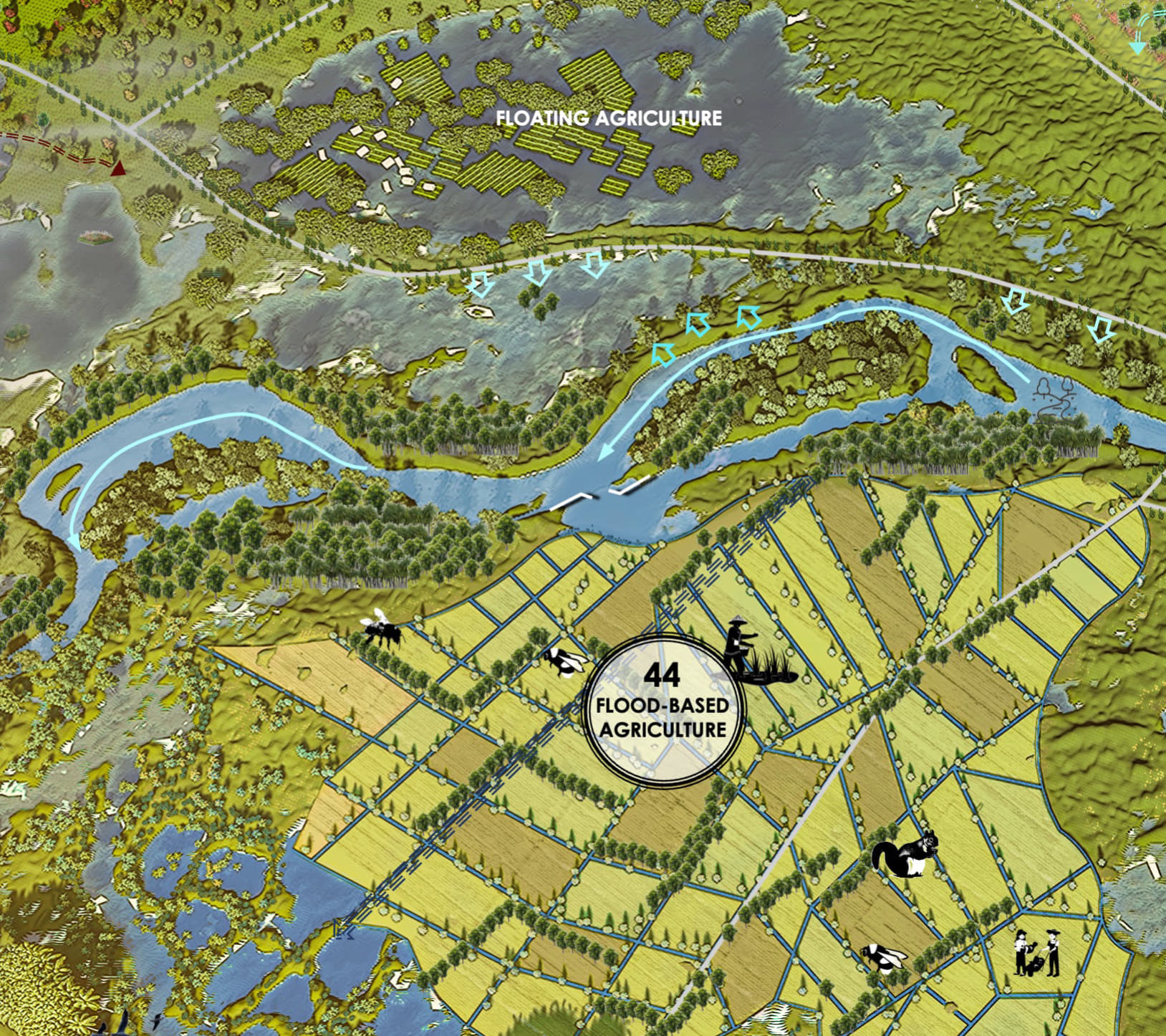
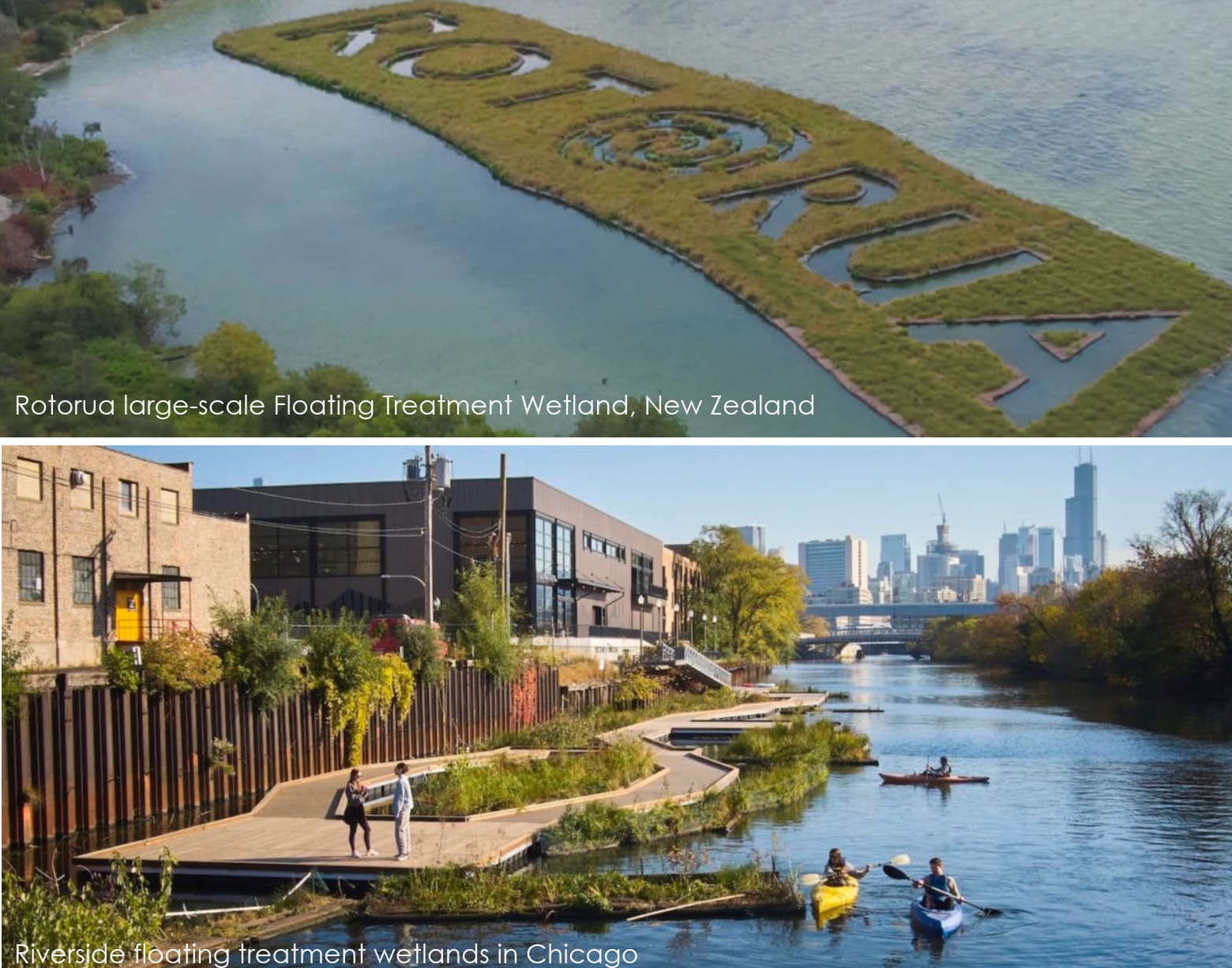
In the Mekong Delta, where floods, land subsidence, and saline intrusion threaten food security, restoring both natural and constructed wetlands reduces risks while enhancing biodiversity and fisheries. Reconnecting rivers with their floodplains—through levee setbacks or opening oxbow lakes—restores natural flows, improves water quality, and creates new spaces for water storage.
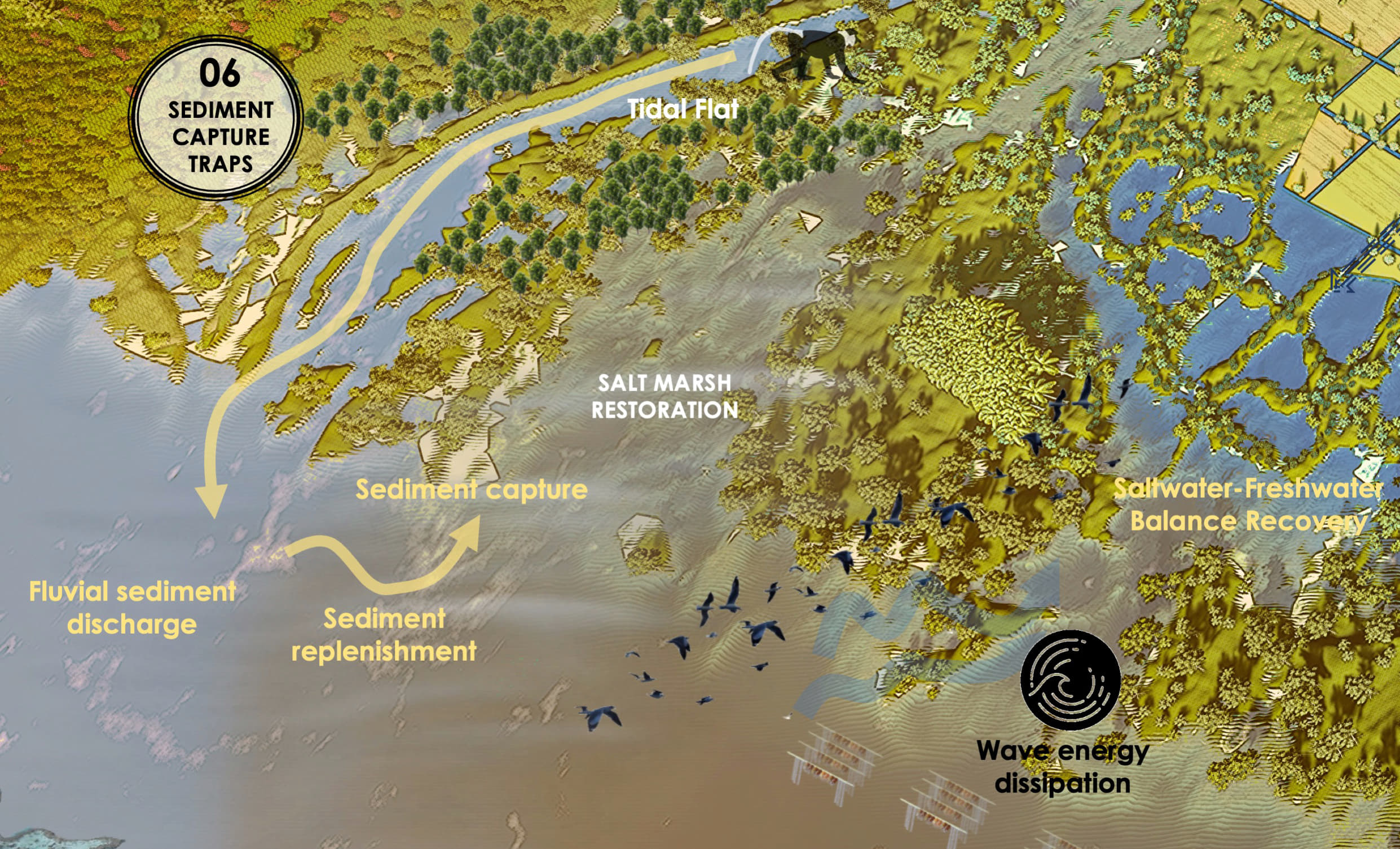
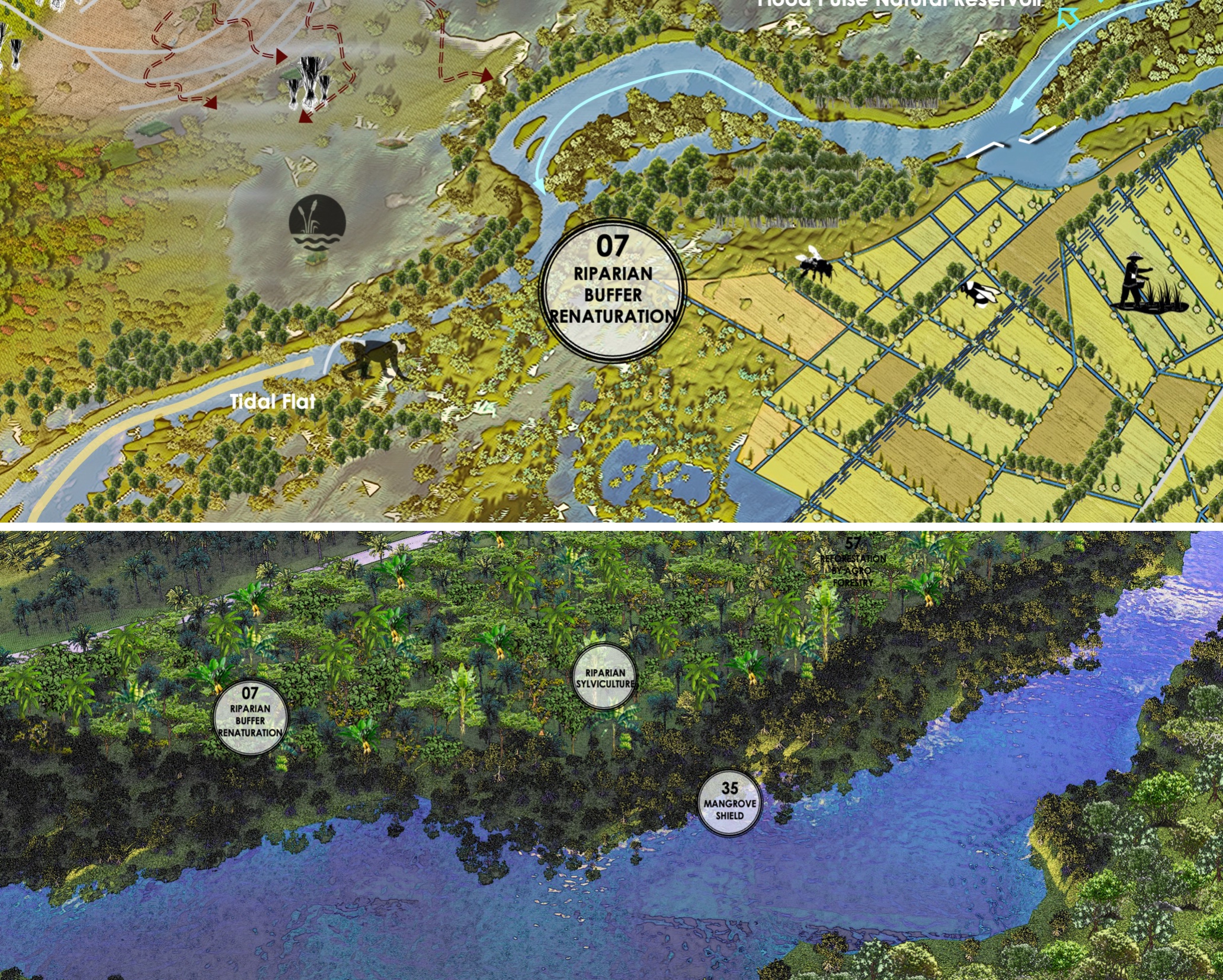
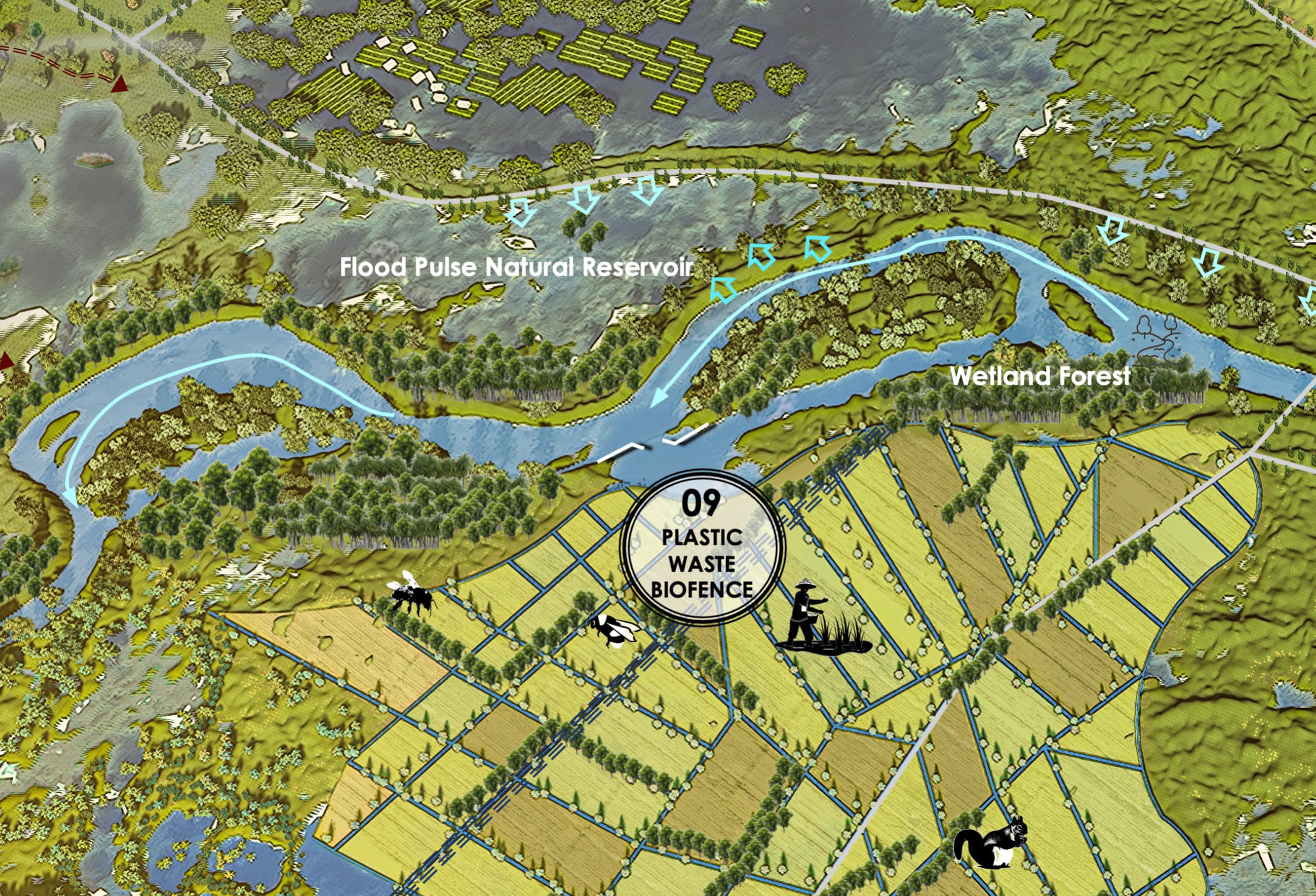
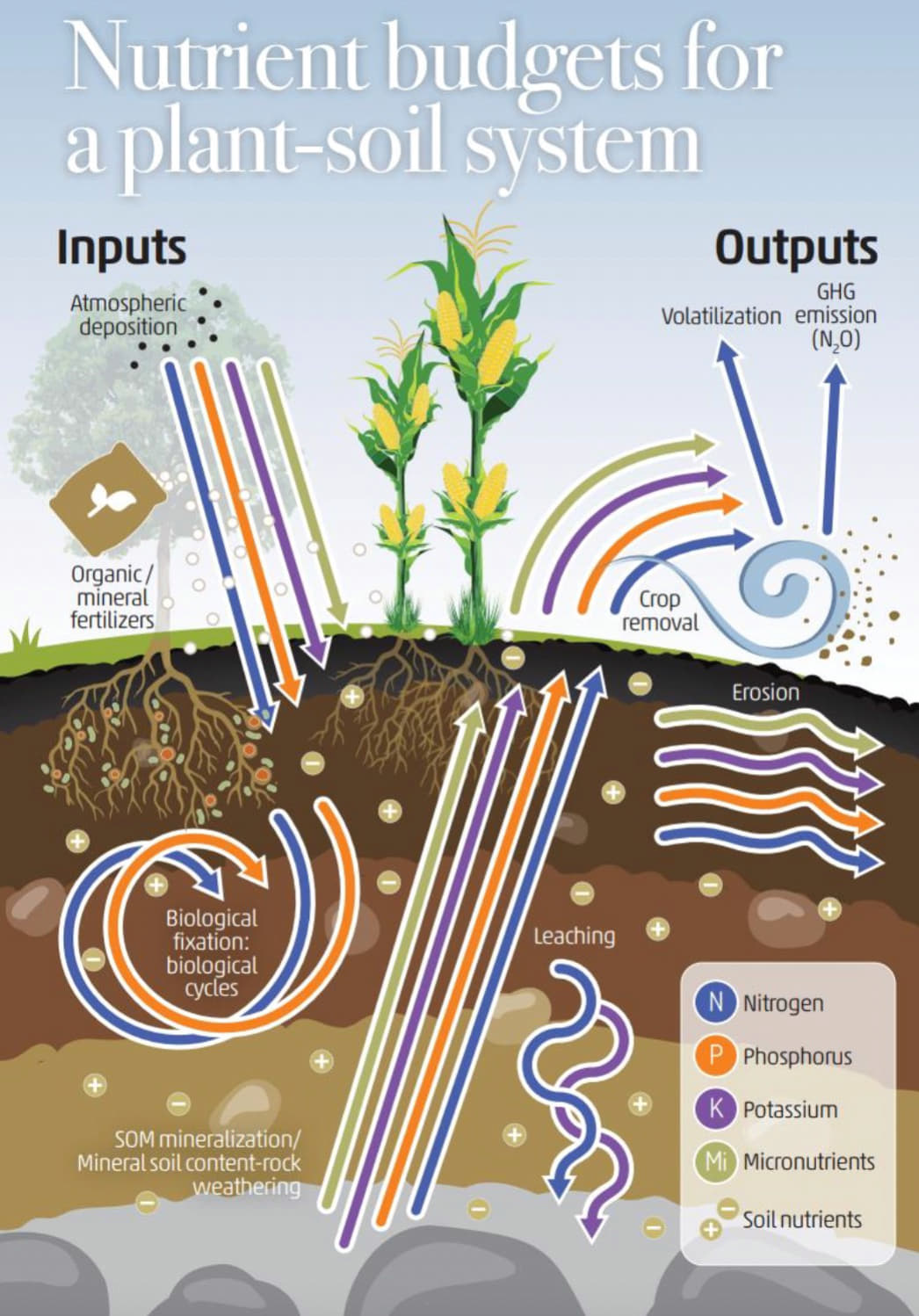
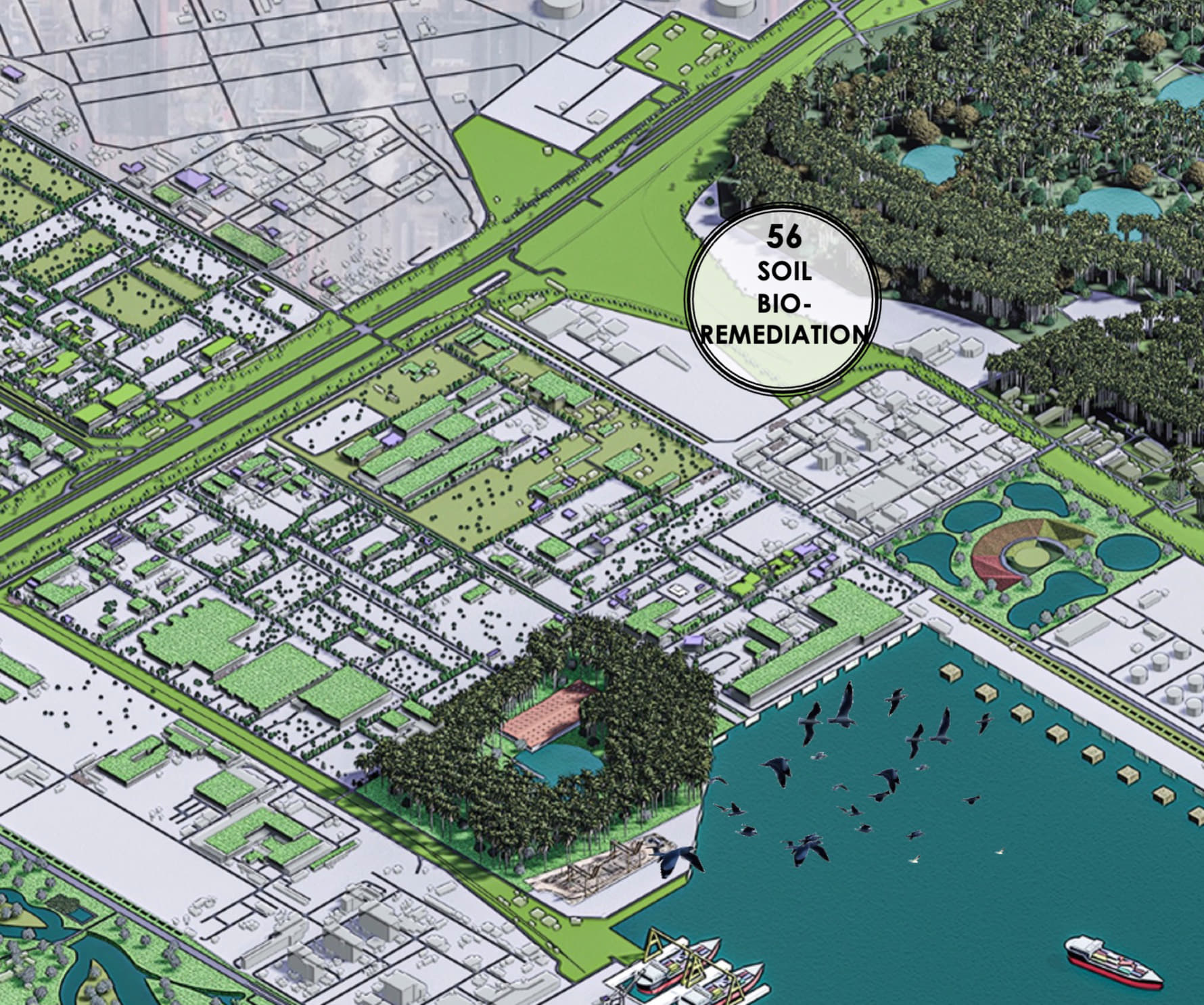
These approaches also strengthen agriculture. Floodplain farming, agroforestry along riverbanks, and riparian sylviculture improve soil fertility and reduce erosion, while blending food production with flood protection. Measures such as biofences to capture plastic waste, sediment traps, and vegetated buffer zones keep rivers cleaner and banks more stable. In dry times, swales, ponds, and aquifer recharge areas ensure freshwater remains available.
By combining these practices, riverine and delta landscapes can shift from fragile and flood-prone to resilient and regenerative.