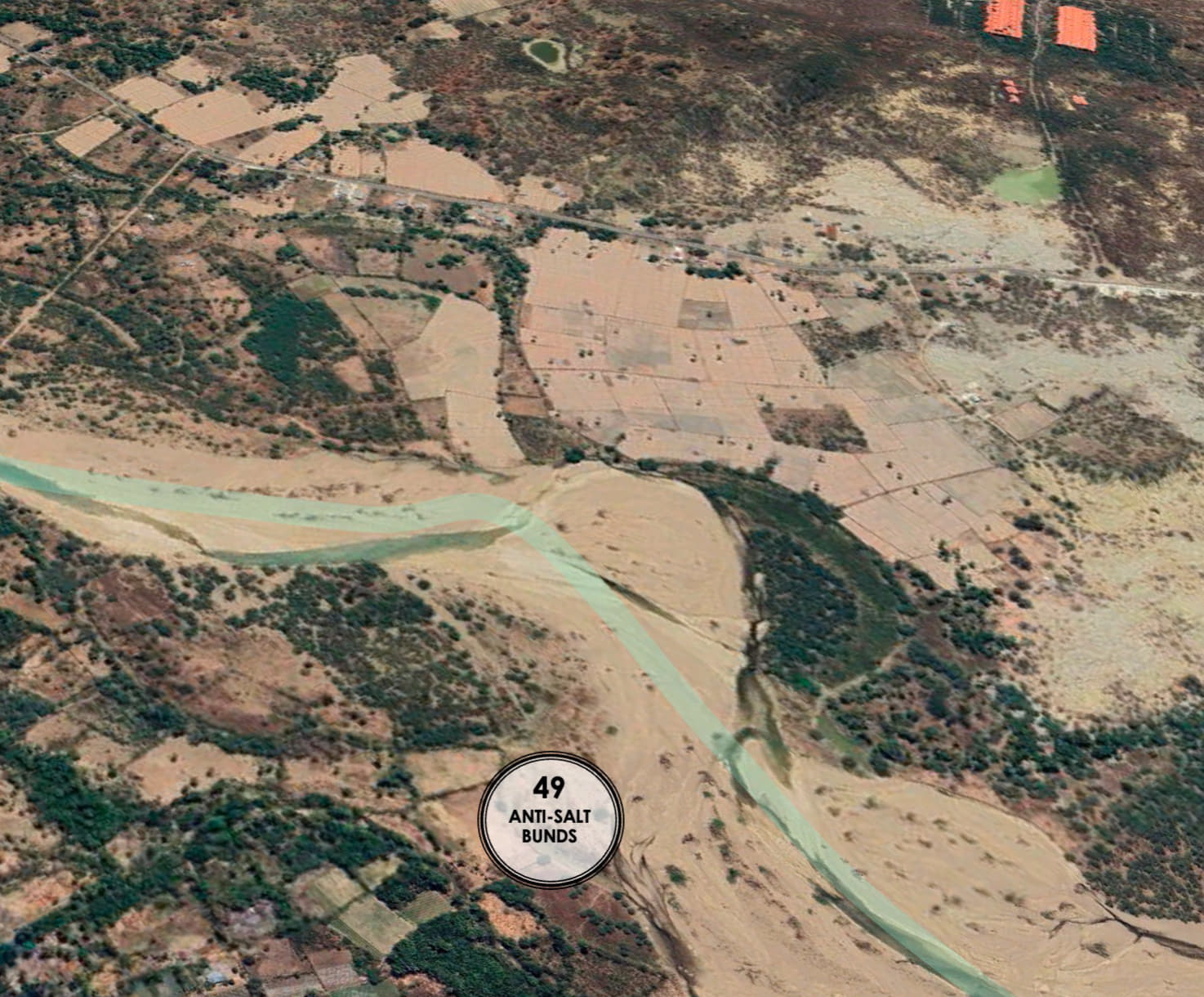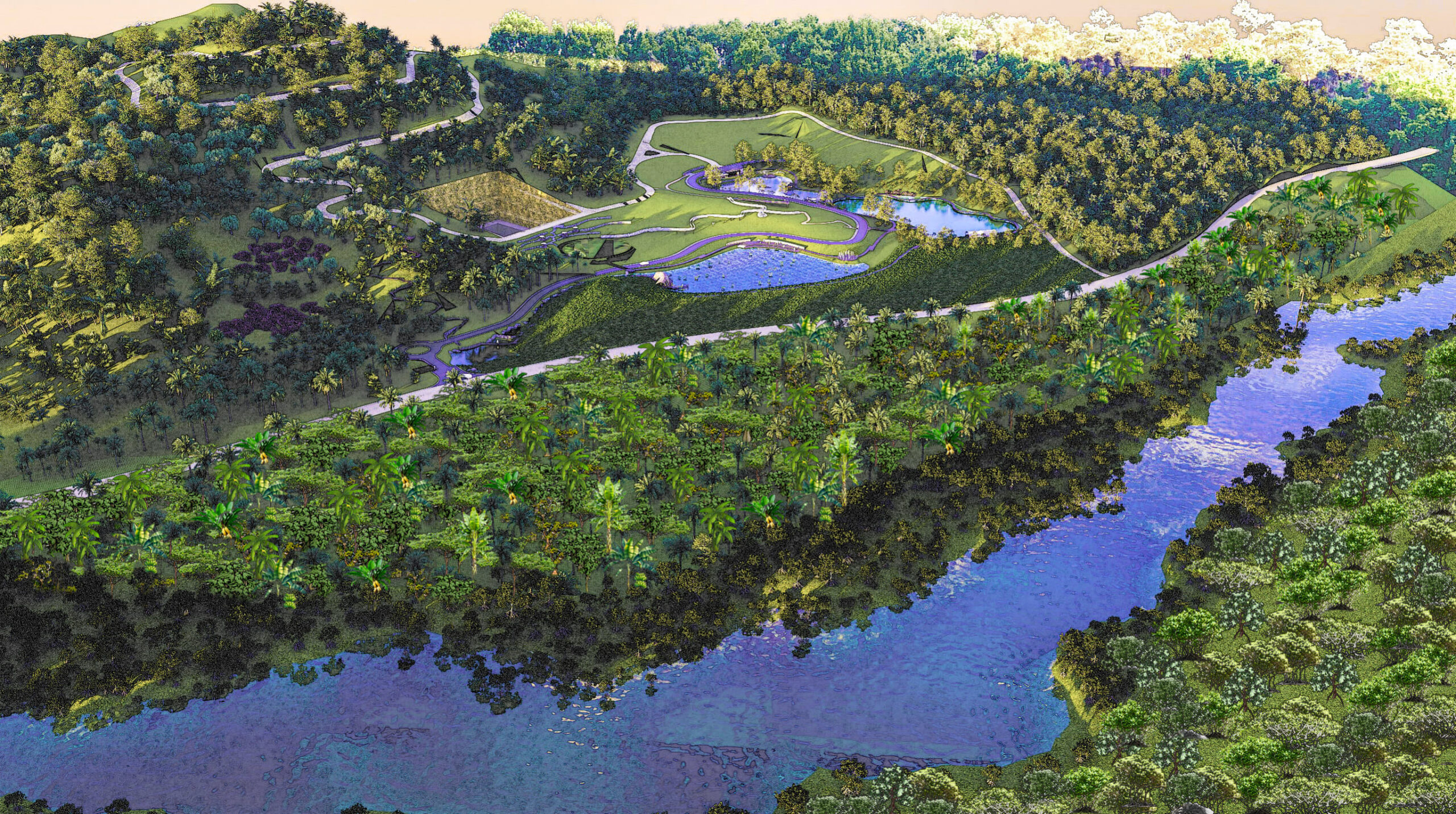

Across Southeast Asia, many rivers run dry for long stretches of the year, only to swell again with the rains. The Mun and Chi River basins in northeastern Thailand, the Tonle Sap floodplains of Cambodia, the Nam Ngum watershed in Laos, and the uplands of central Myanmar all experience extreme swings in water availability. These landscapes face erosion, declining soil fertility, and increasing water stress. To secure livelihoods and restore ecological balance, they require strategies that manage water resources sustainably.
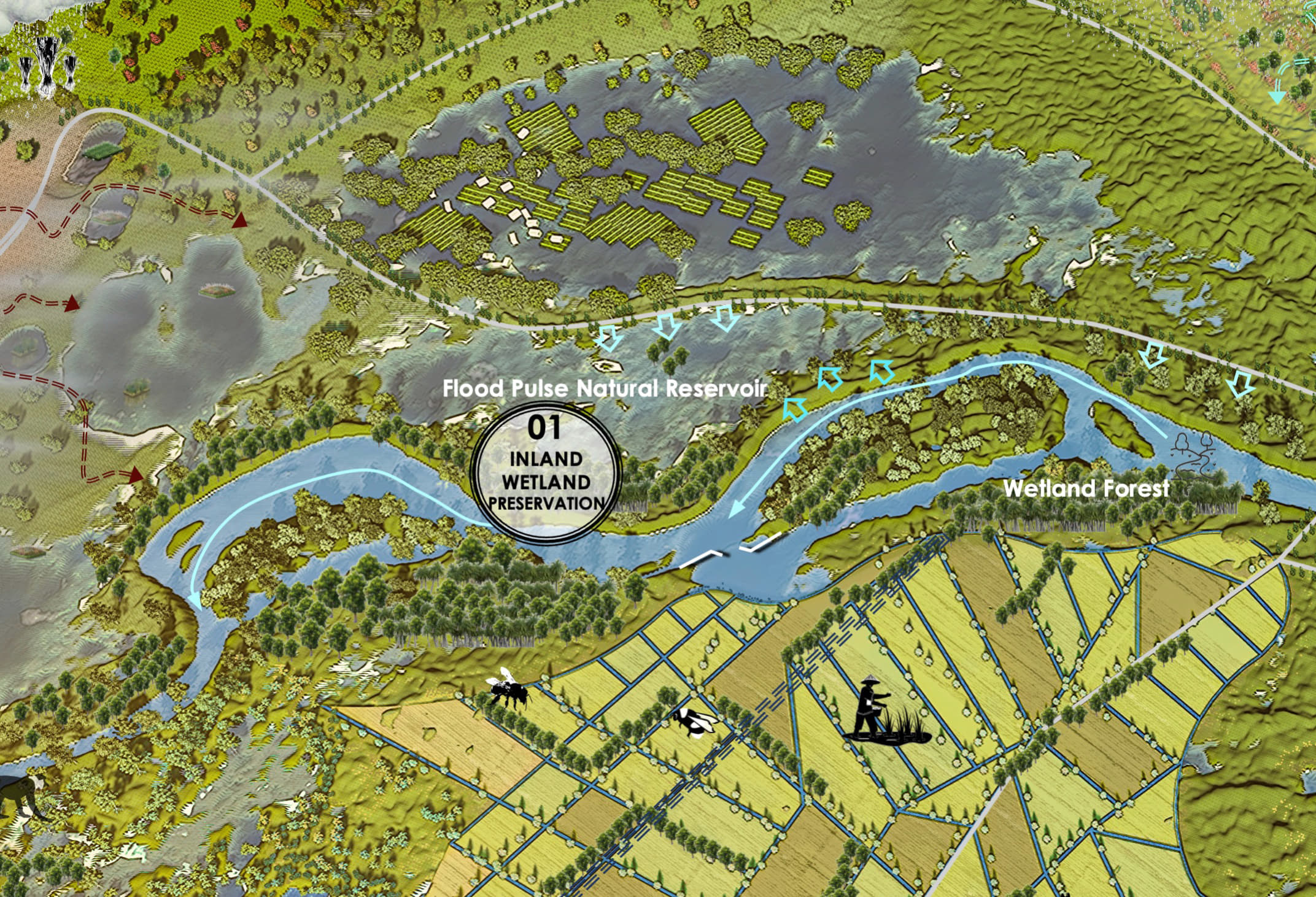
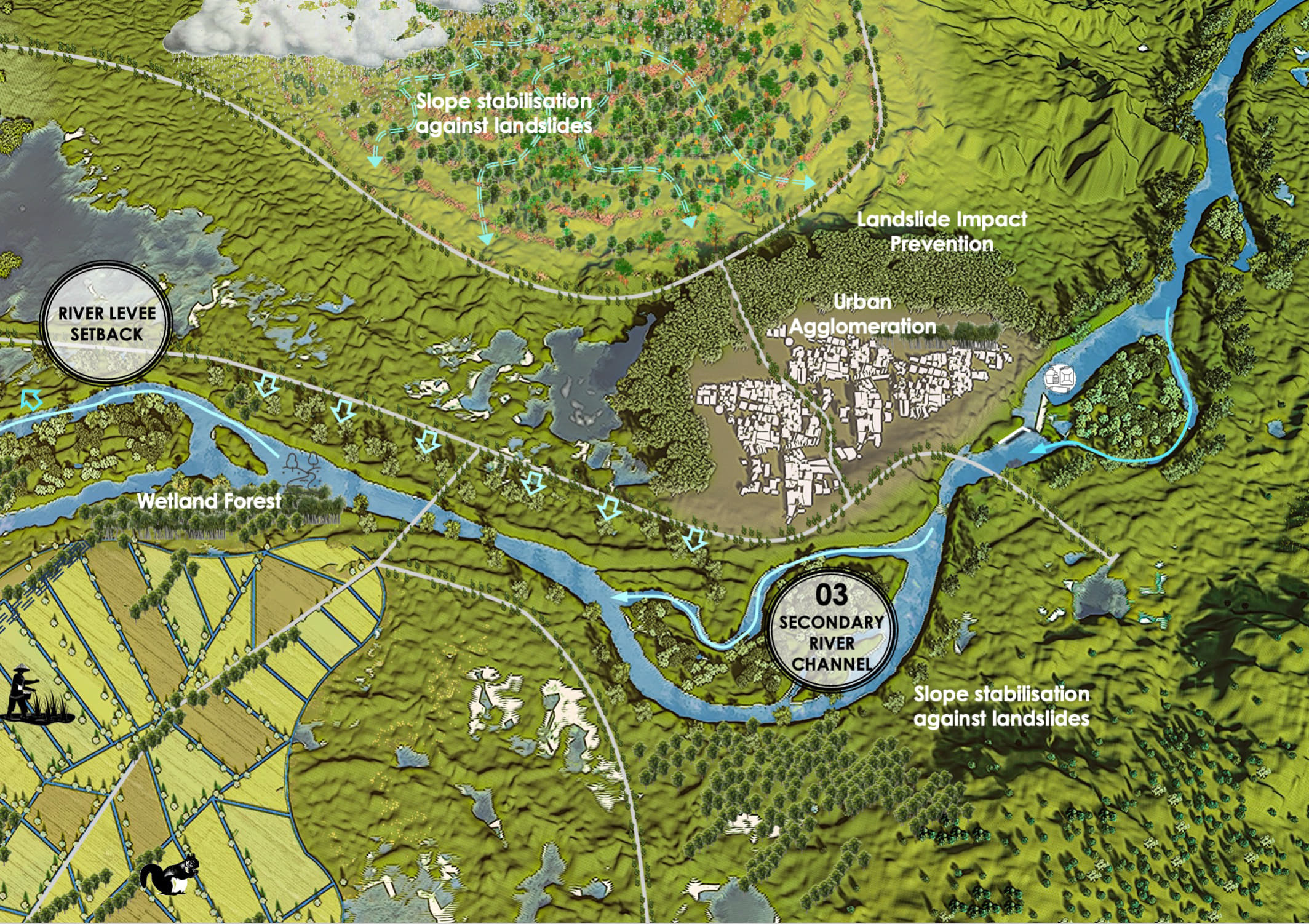
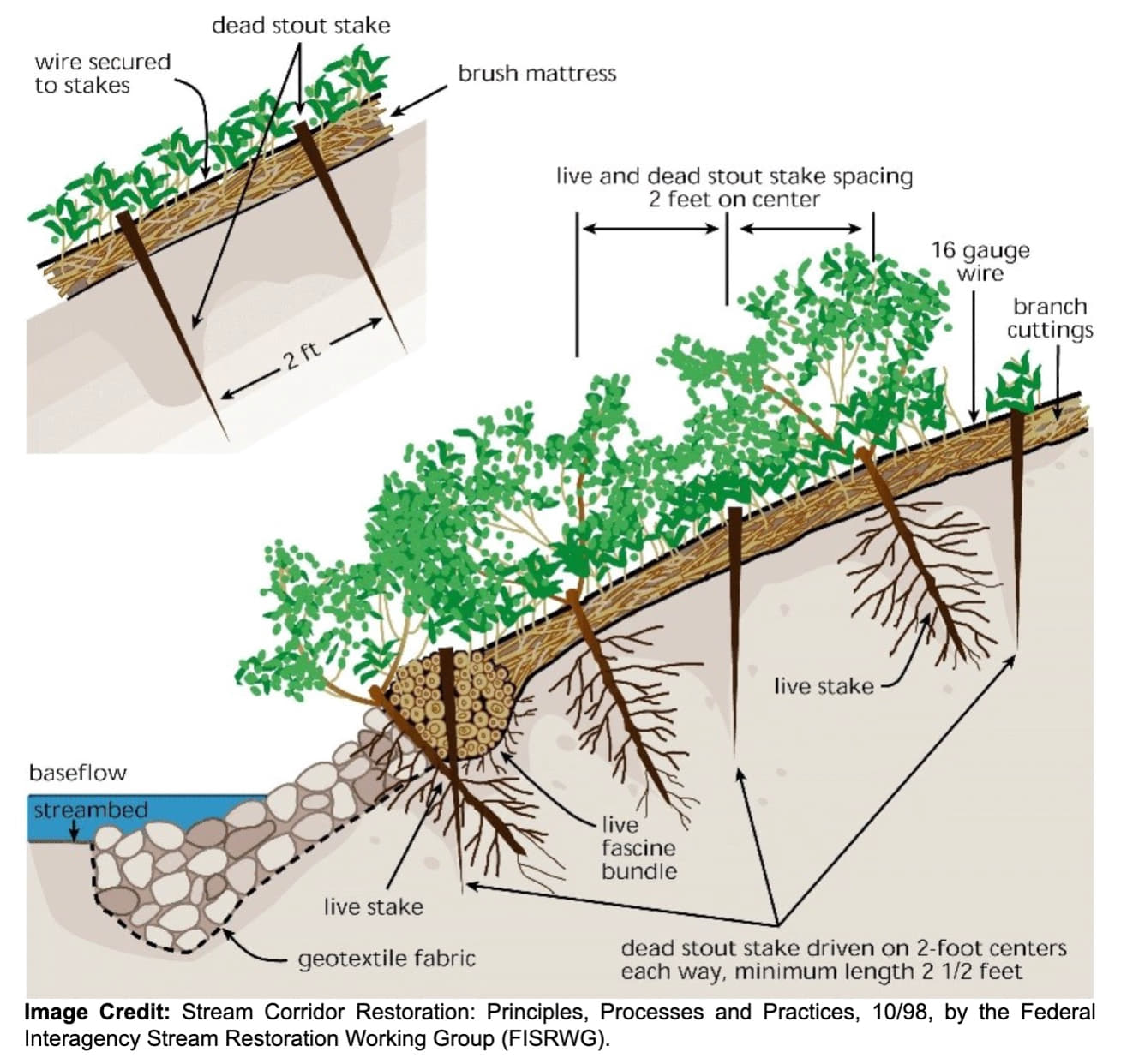
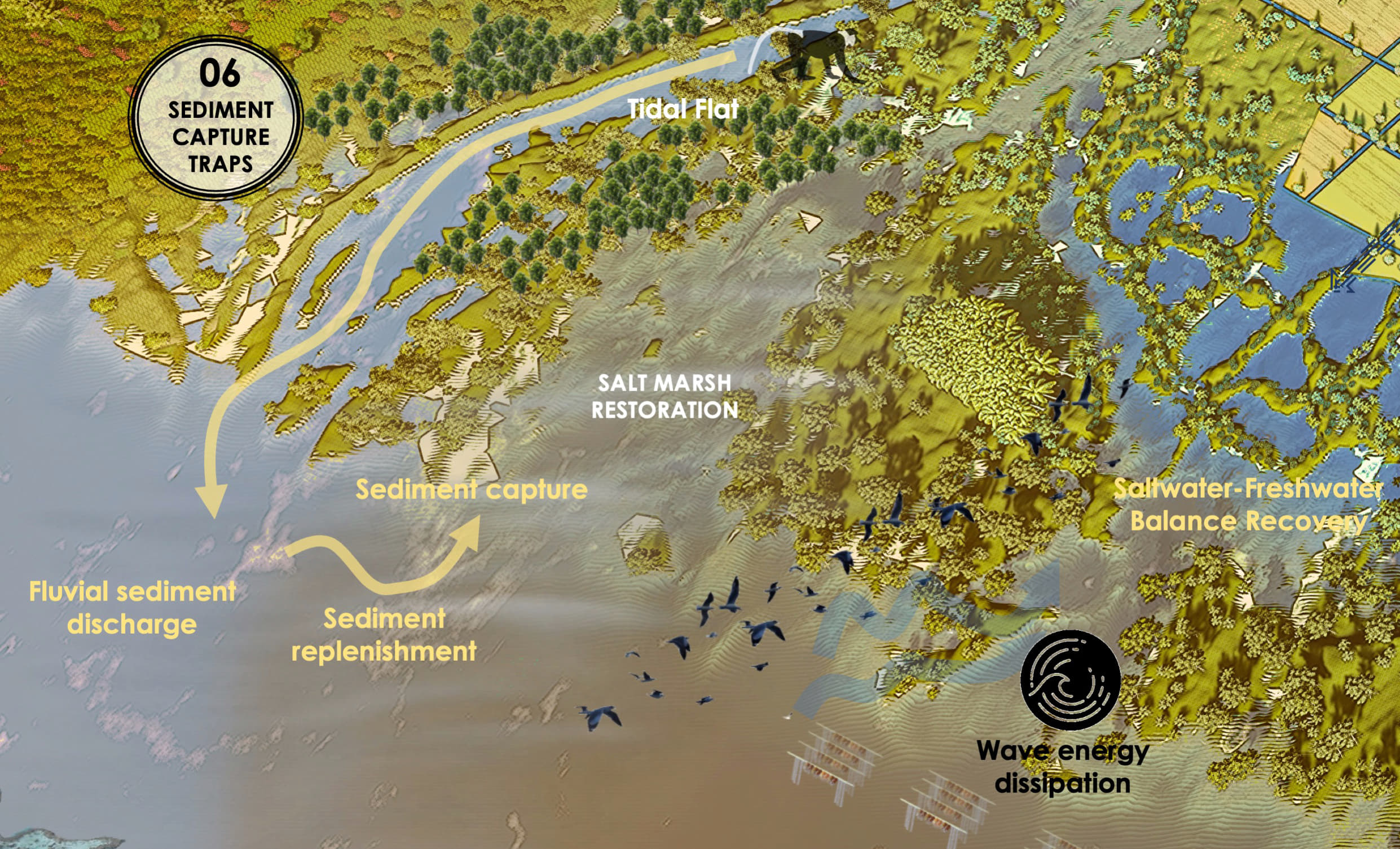
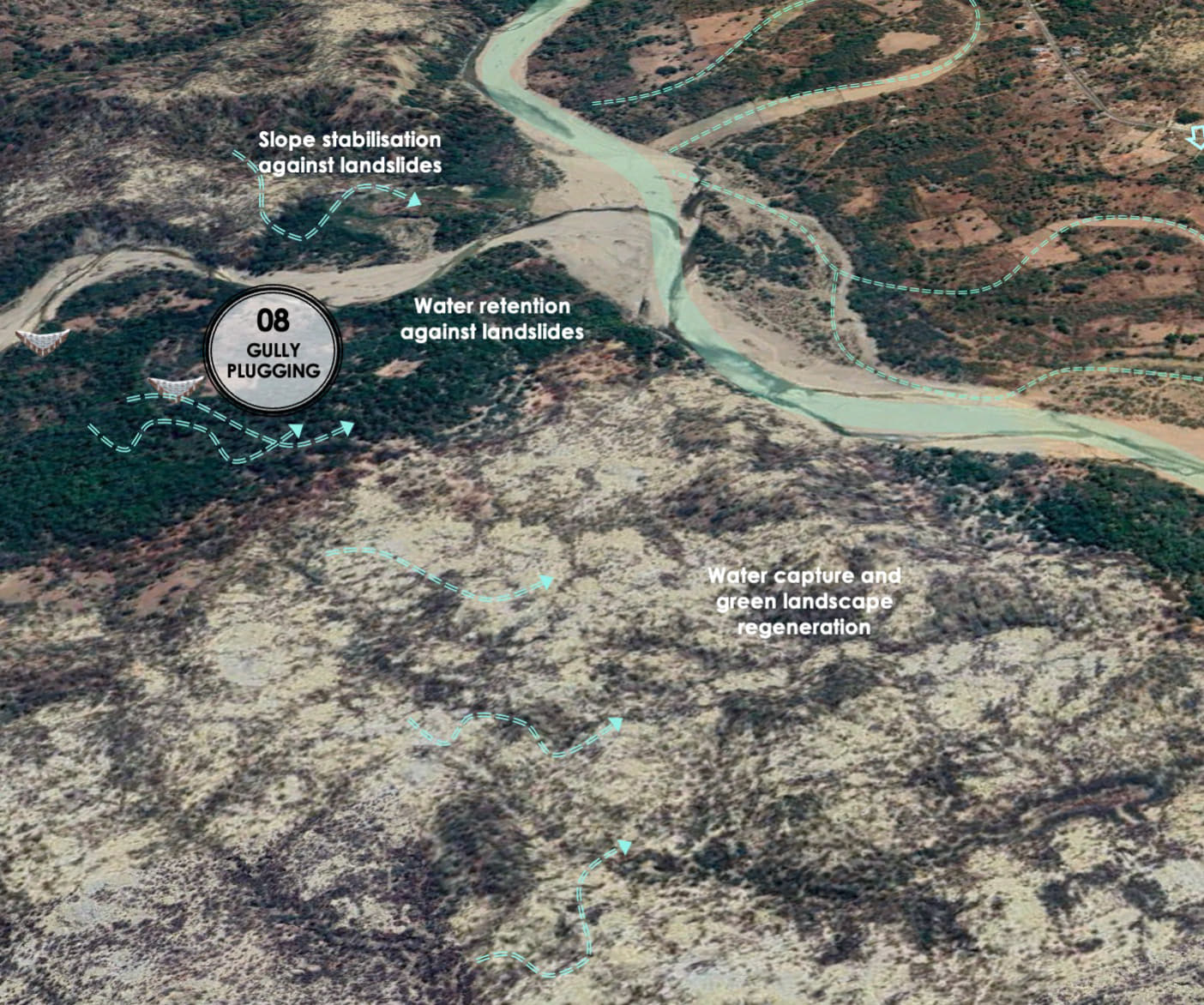
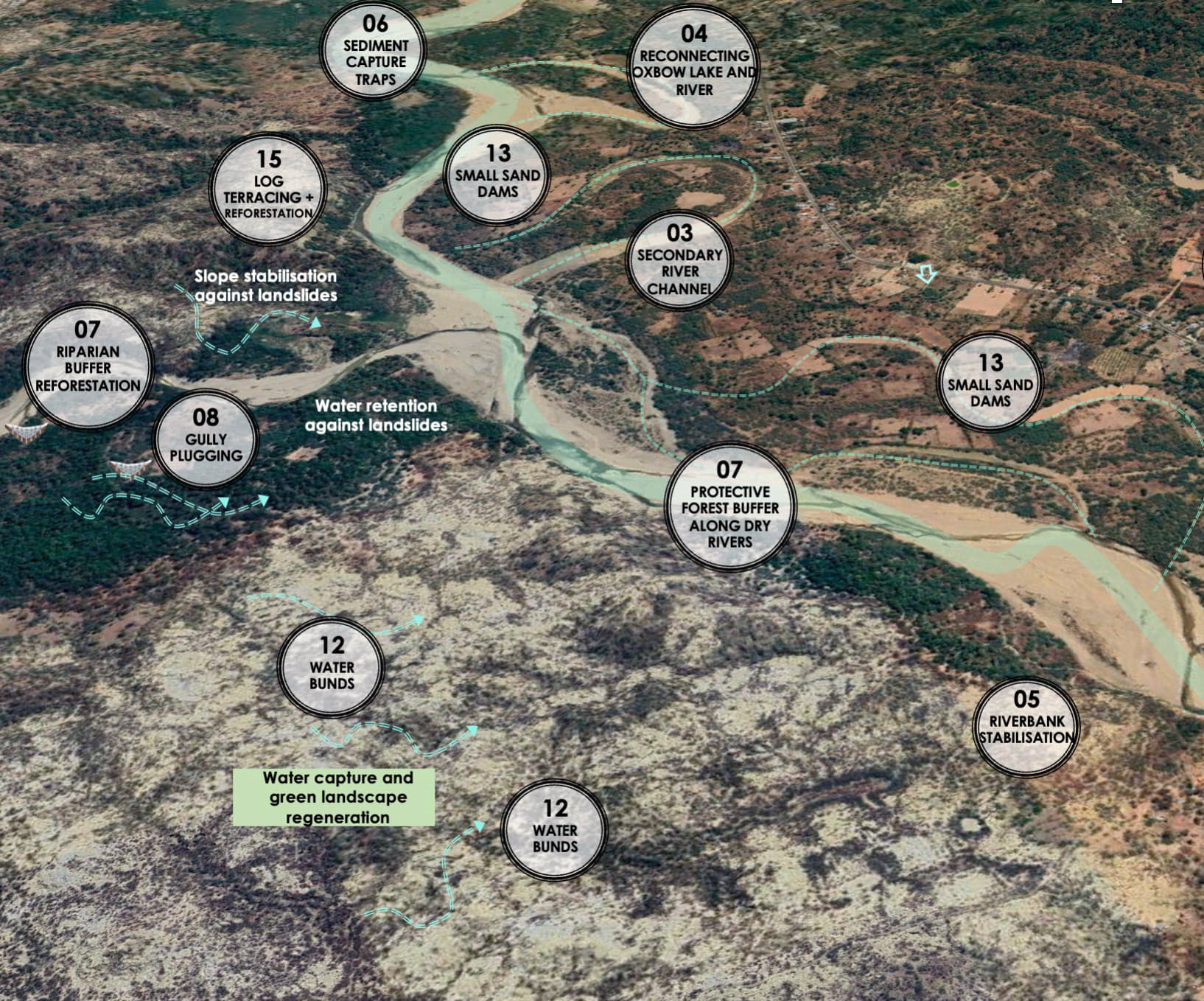
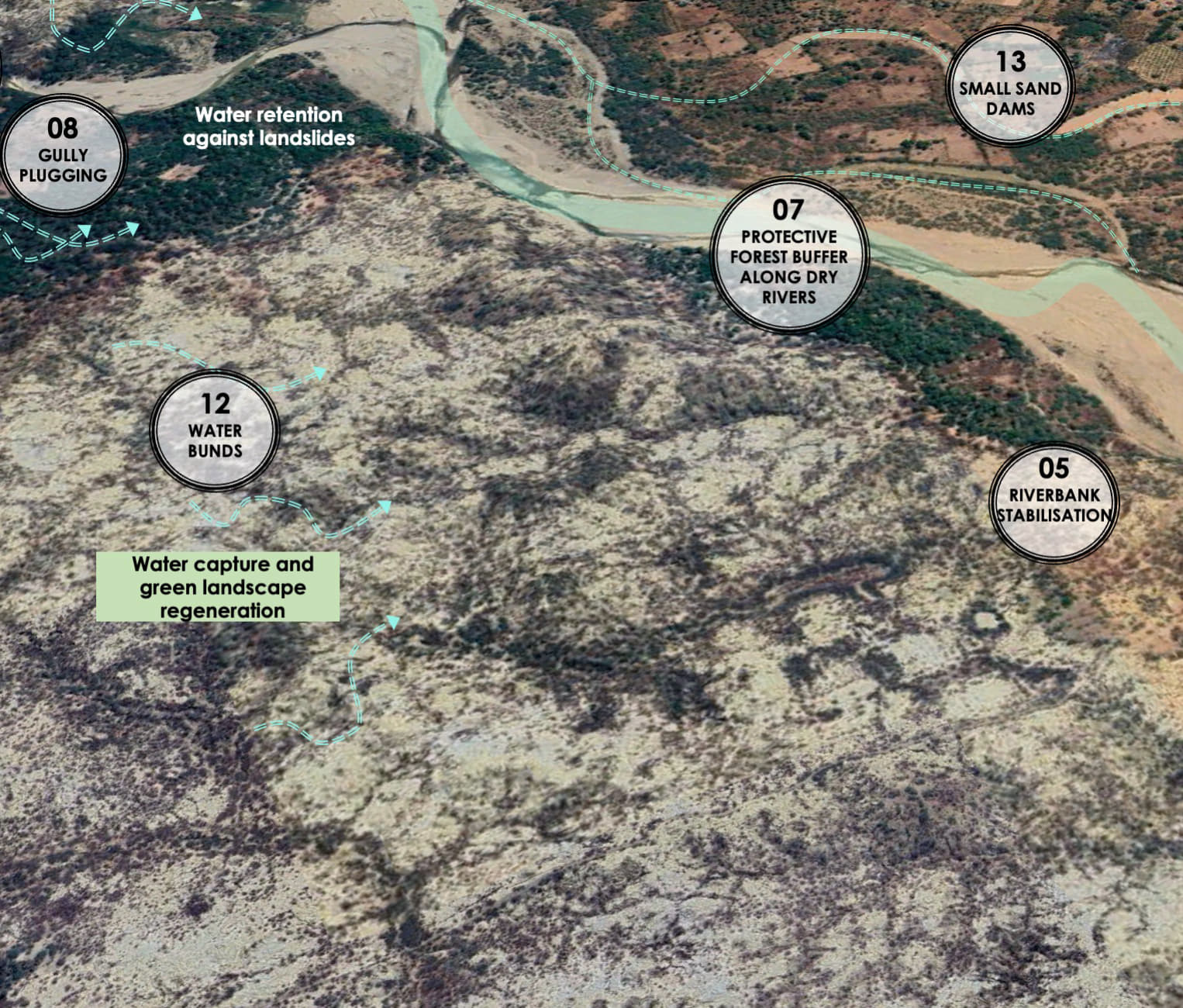
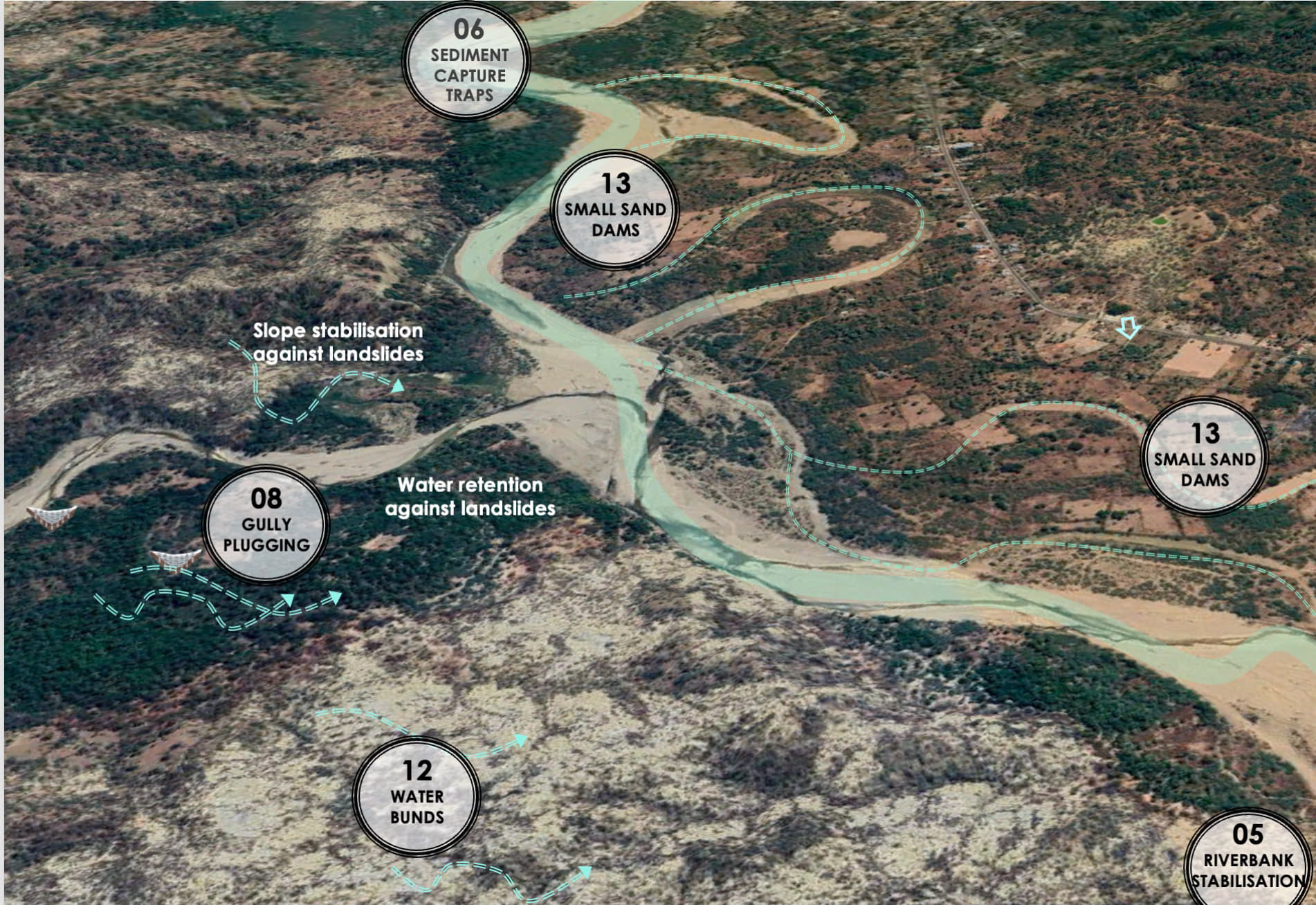
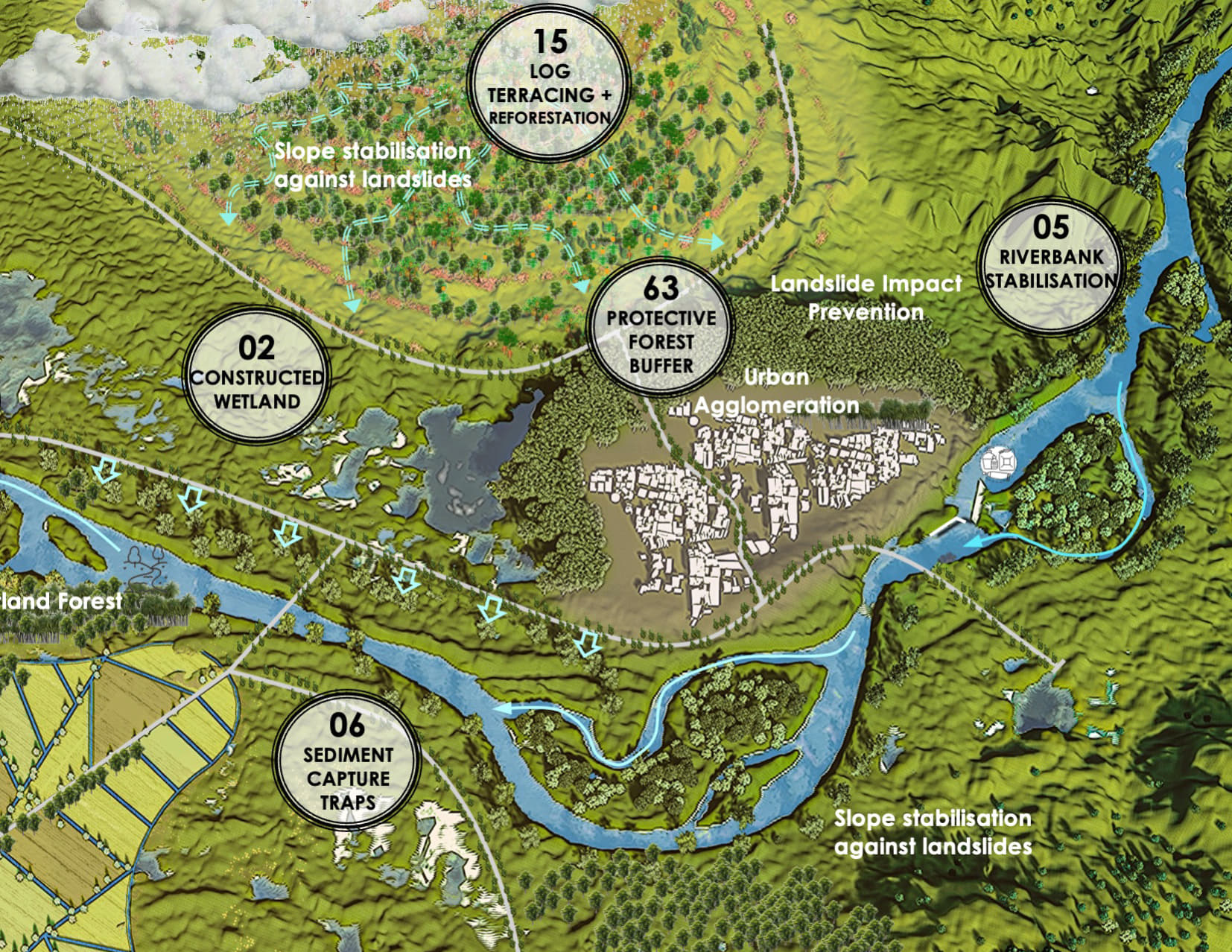
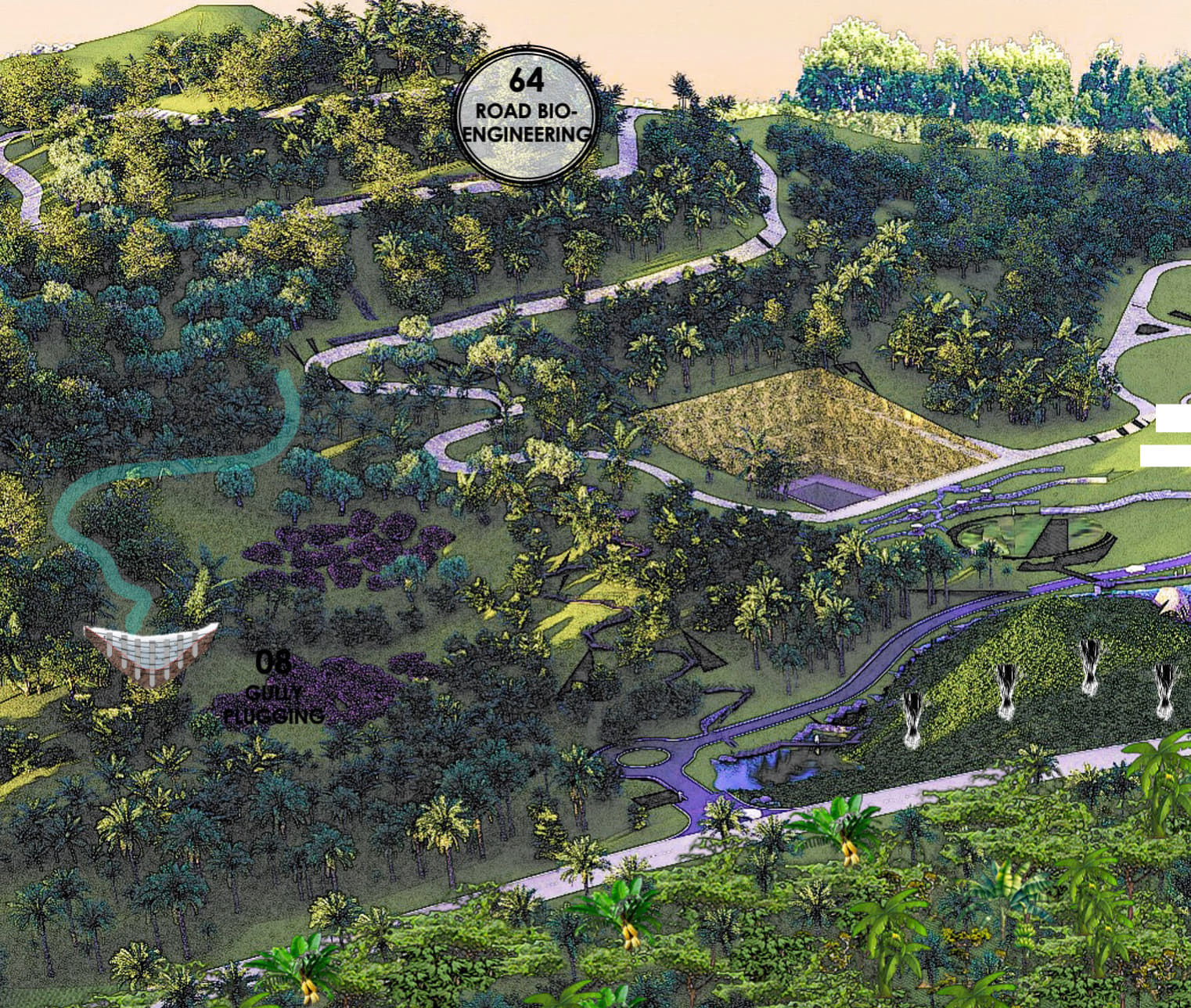
Nature-based Solutions (NbS) help communities adapt by restoring natural hydrology, enhancing groundwater recharge, and sustaining agriculture. In Myanmar’s Dry Zone, small sand dams trap sediments and allow water to seep gradually into aquifers. In upland areas, gully plugging, riverbank stabilization, and re-vegetation slow runoff and retain moisture. Constructed wetlands and water bunds capture excess rain during monsoons, storing it for irrigation during droughts. These methods create more resilient water systems.
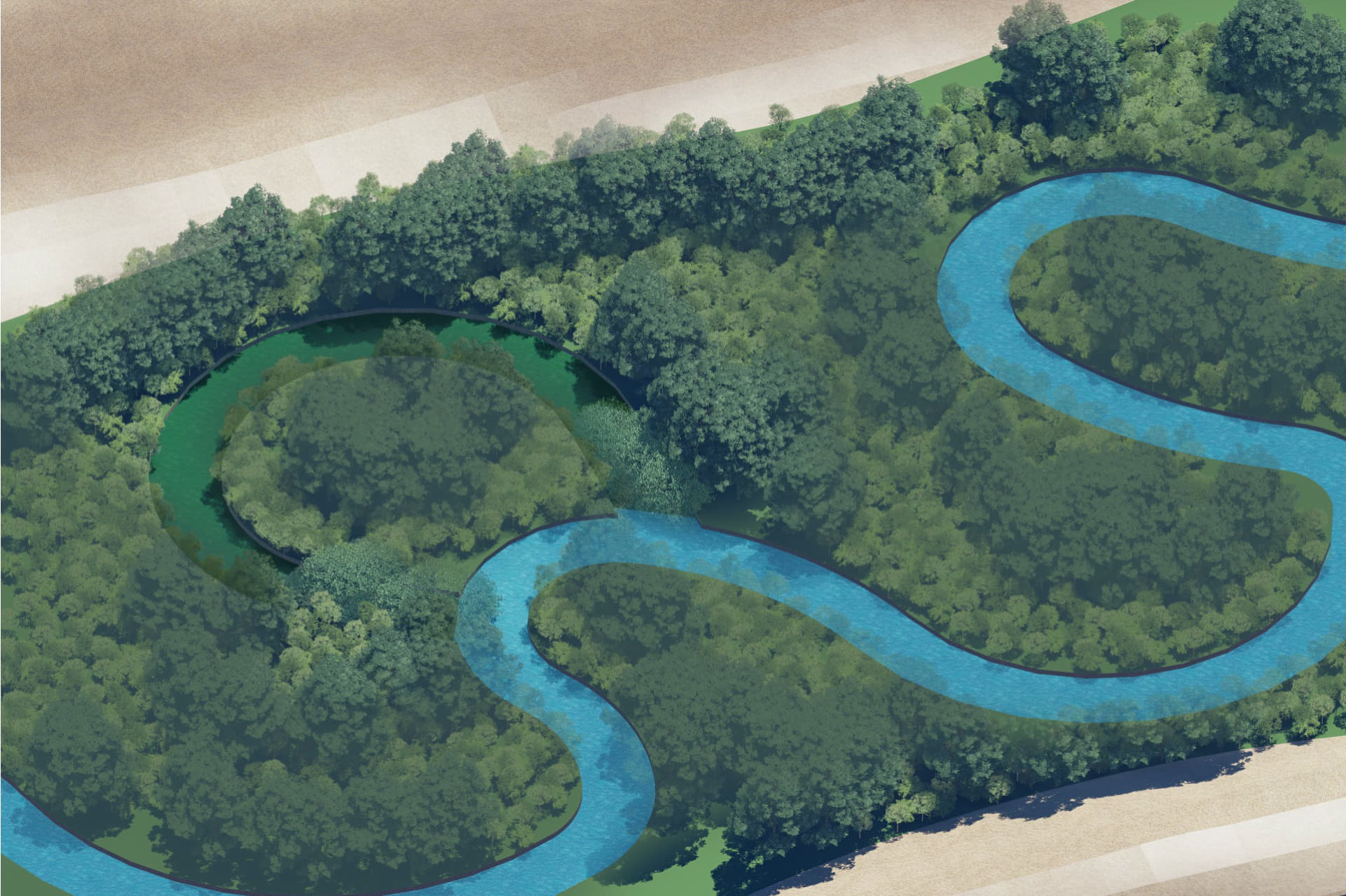
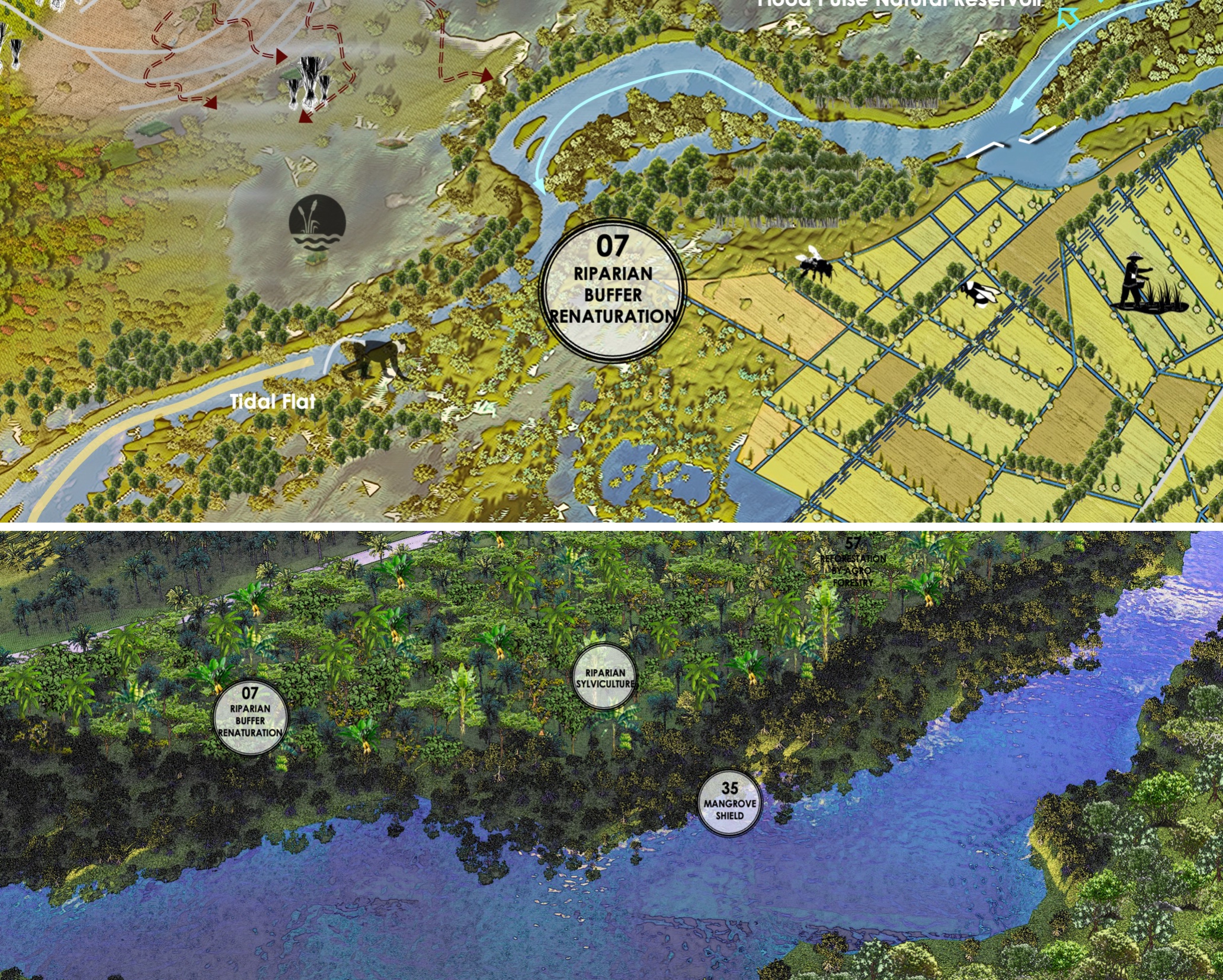
Agriculture, often at the frontline of water scarcity, benefits strongly from NbS. Phytofiltration basins and water bunds reduce evaporation and filter pollutants, ensuring cleaner irrigation water. Riparian buffer zones and renatured riverbeds improve soil fertility and reduce erosion. In Cambodia’s Prek Thnot basin, farmers use log terracing to retain topsoil and increase harvest stability despite erratic rainfall. In Laos, reconnecting oxbow lakes with rivers restores natural flood retention and supports local fisheries.
These measures strengthen regional ecosystems. In Vietnam’s Central Highlands, bioretention ponds and wetlands integrate into agroforestry systems, supporting biodiversity and stable water supply. Along the Ayeyarwady basin, reconnecting oxbow lakes revives wetlands crucial for communities and wildlife, maintaining resilience through cycles of drought and flood.
By combining wetland restoration, aquifer recharge, and sustainable agriculture, these landscapes can sustain both people and nature. Such integrated approaches safeguard water, food, and ecosystems under climate change.