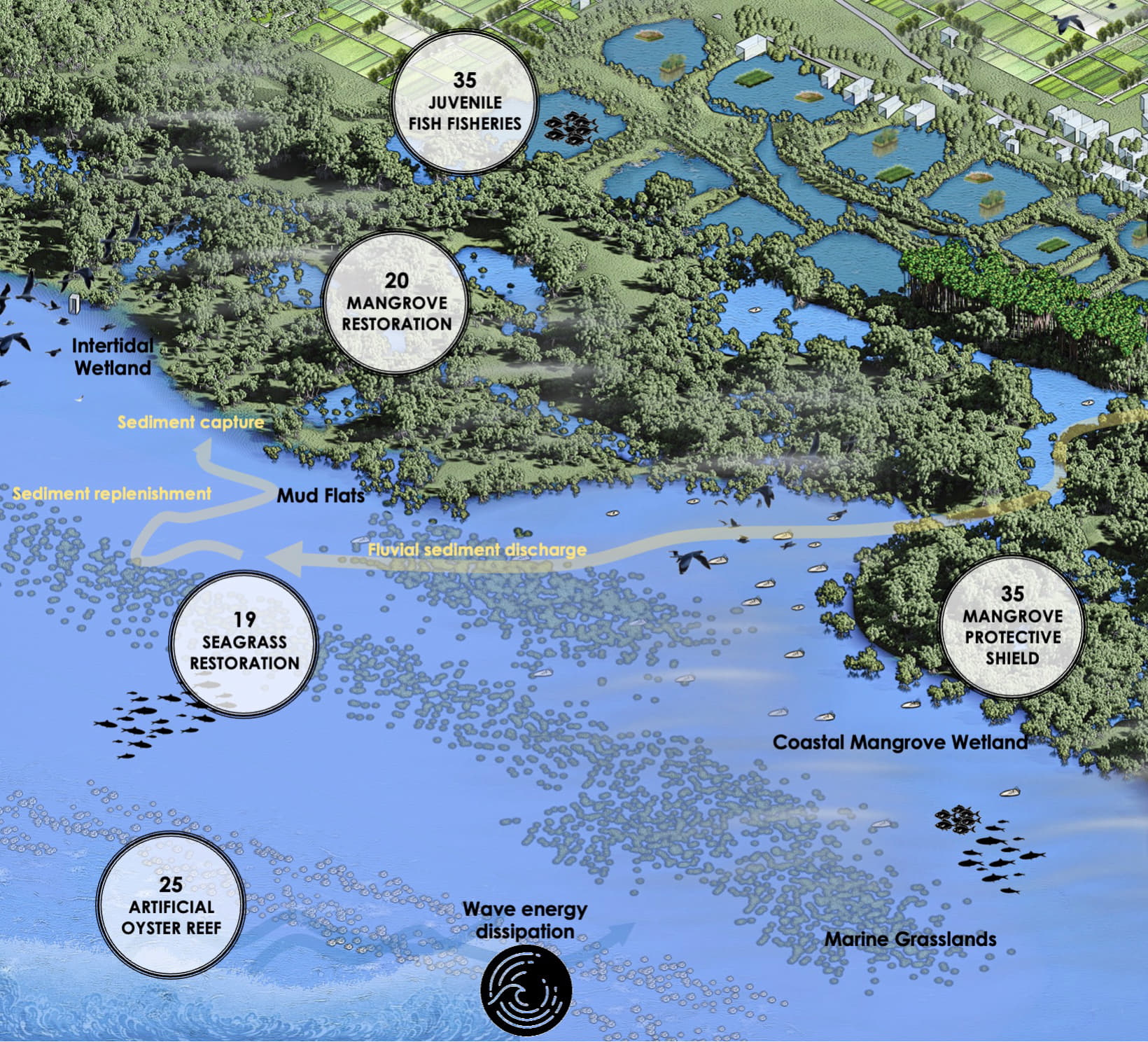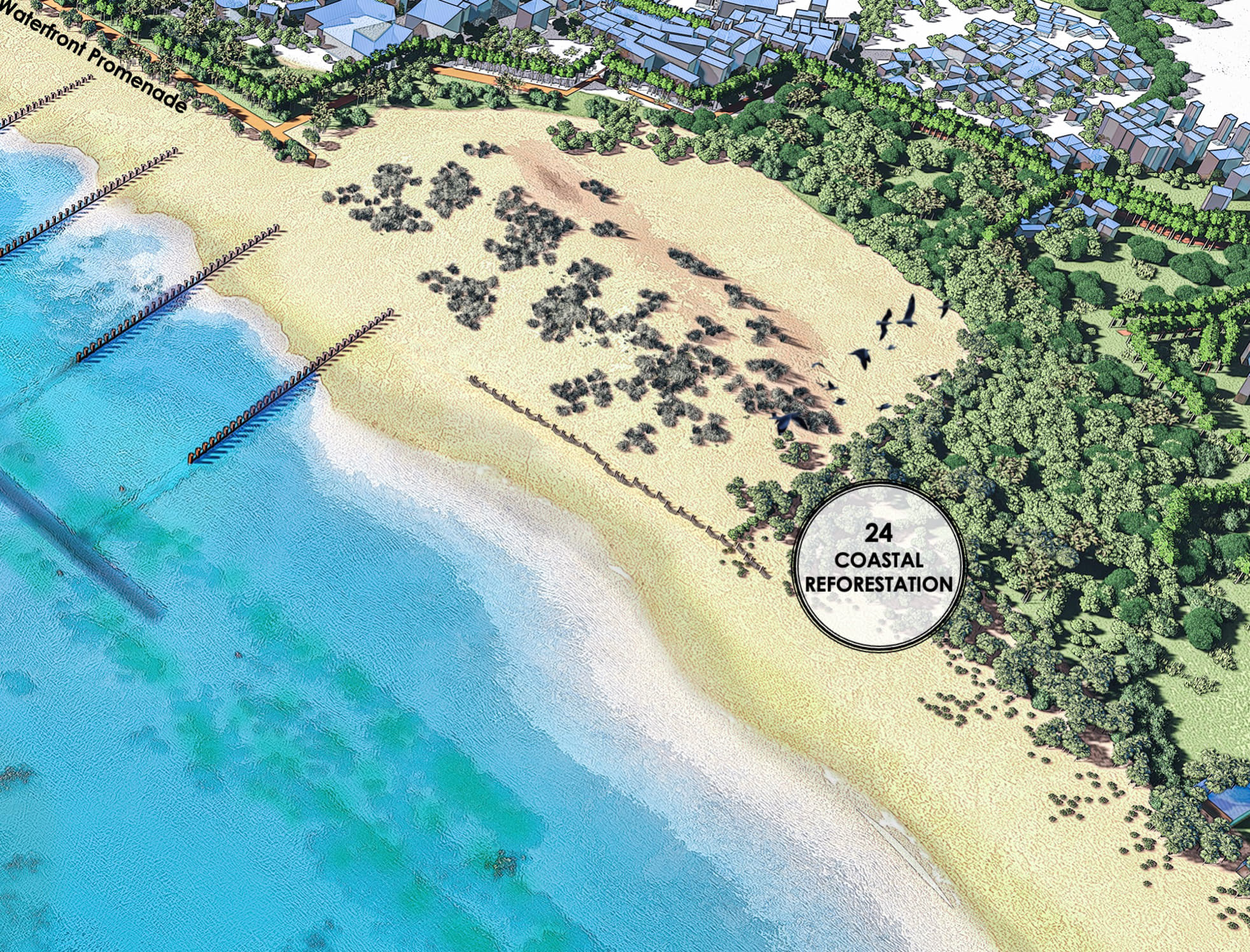

Along Southeast Asia’s muddy shorelines, mangroves, wetlands, and peatlands form living barriers between land and sea. From the Mekong Delta in Vietnam to the Ayeyarwady Delta in Myanmar and the Mahakam Delta in Indonesia, these ecosystems shield millions of people from storm surges, tides, and rising seas. They also nurture fisheries, store vast amounts of carbon, and sustain local livelihoods. Yet they are under growing threat from erosion, altered river flows, plastic pollution, and land conversion. Protecting and restoring mangroves is therefore central to both climate resilience and community well-being.
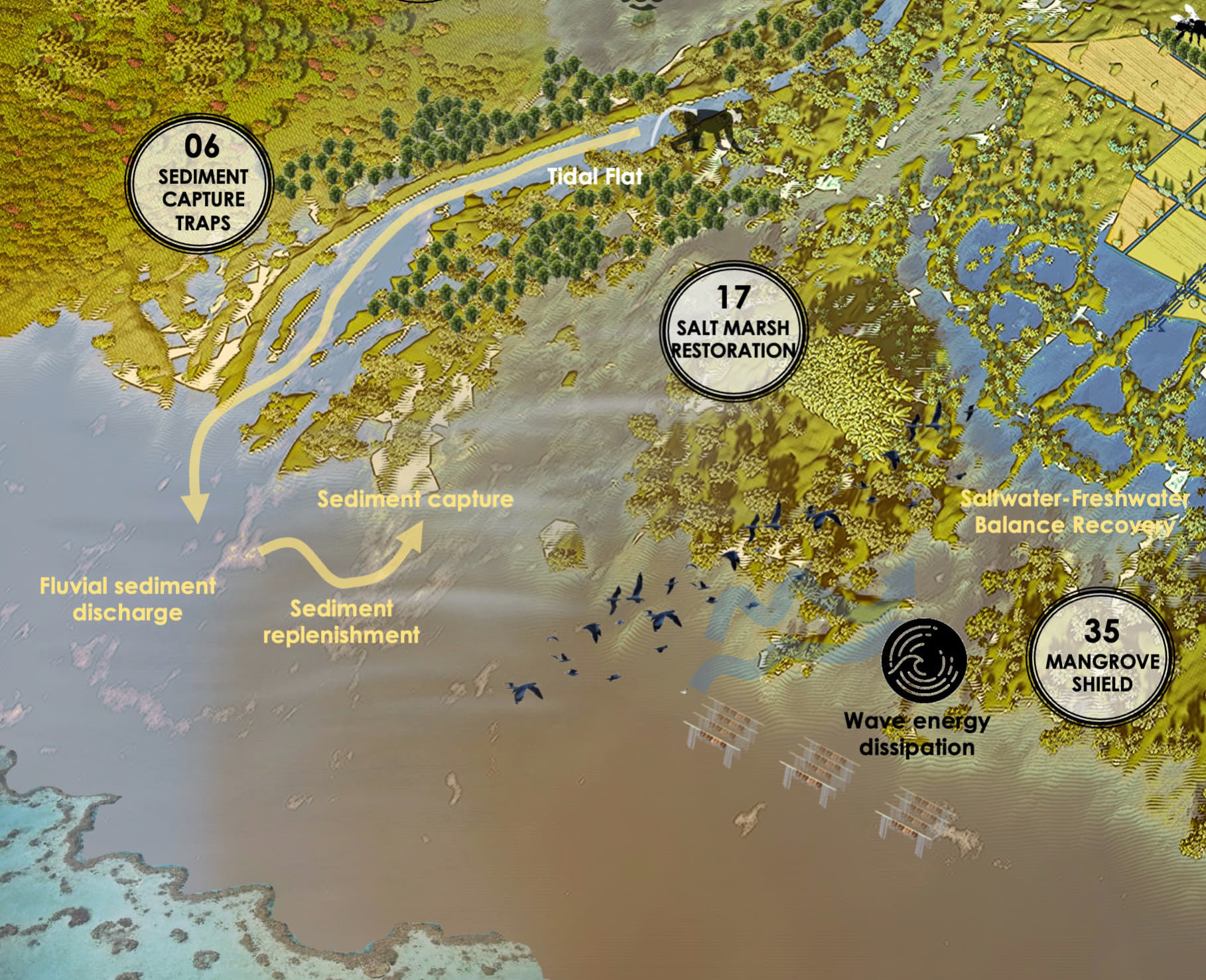
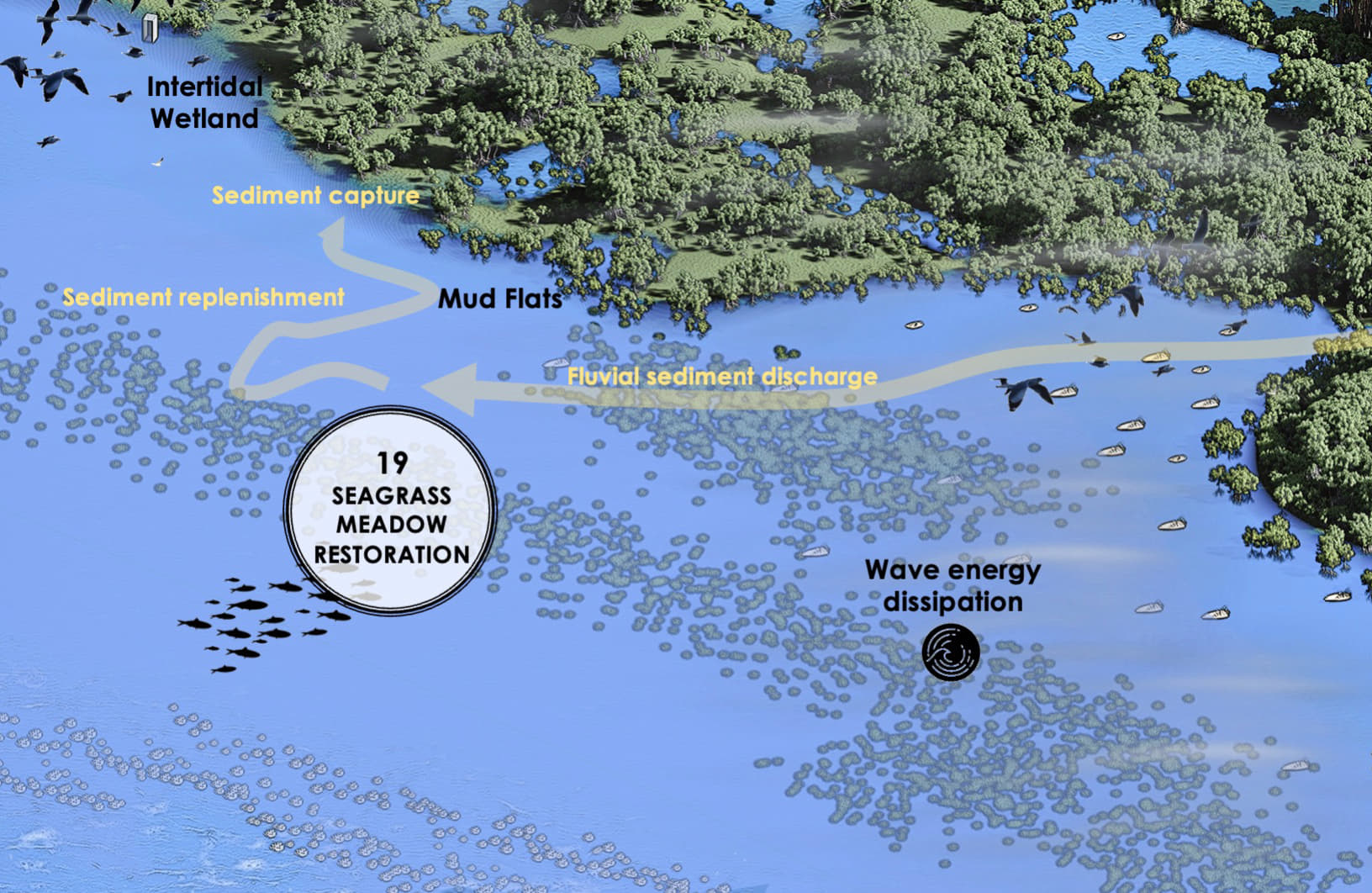
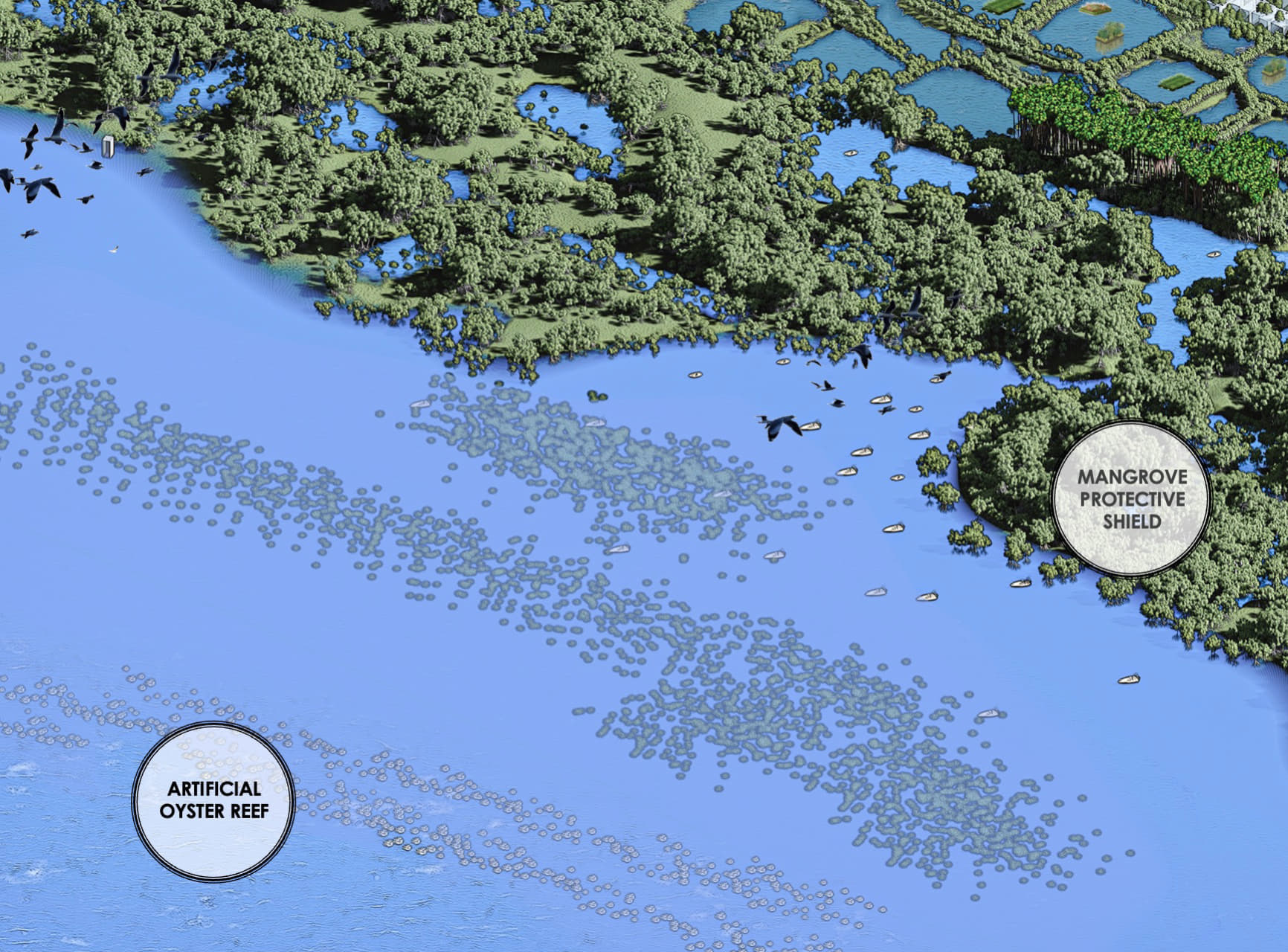
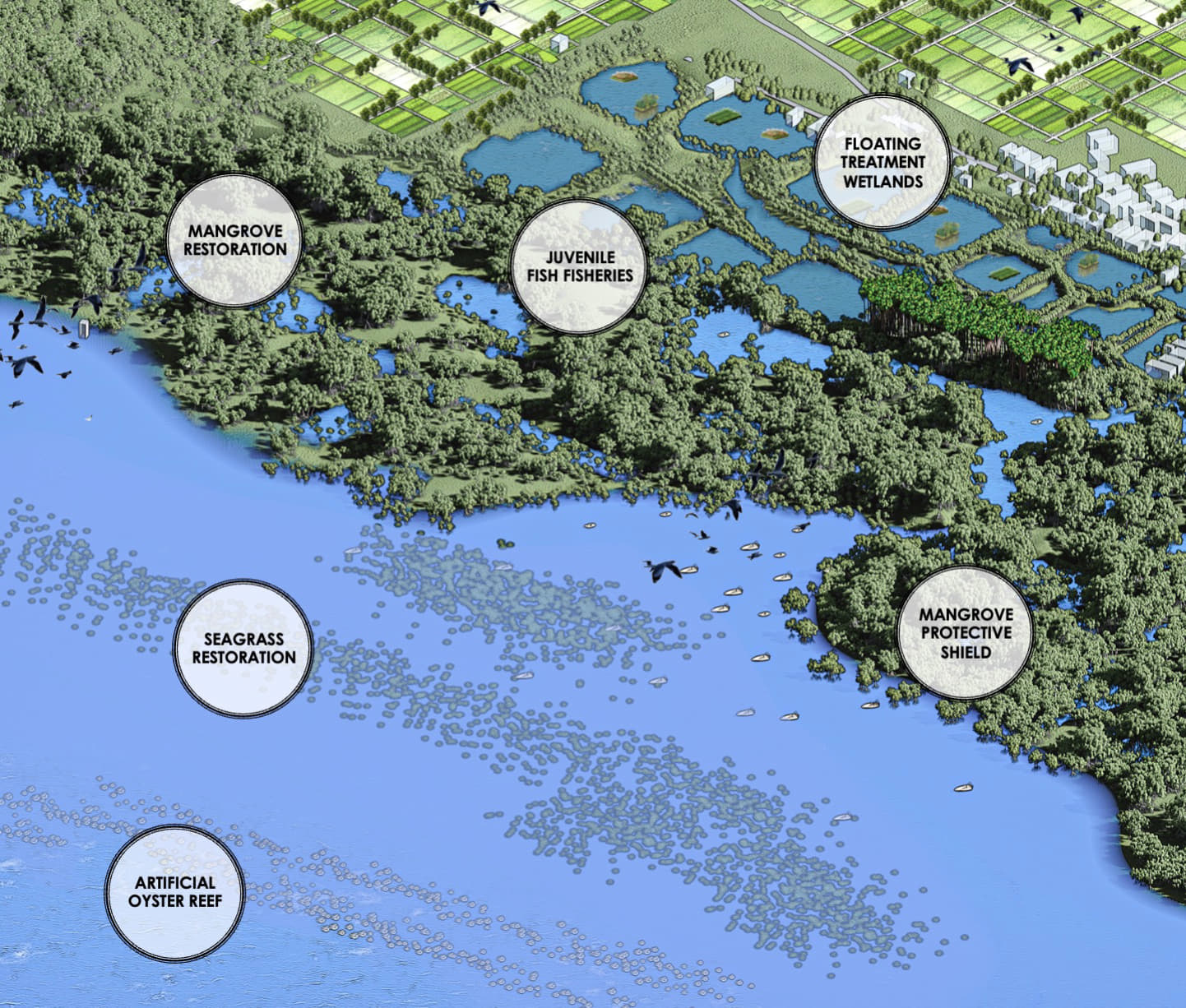
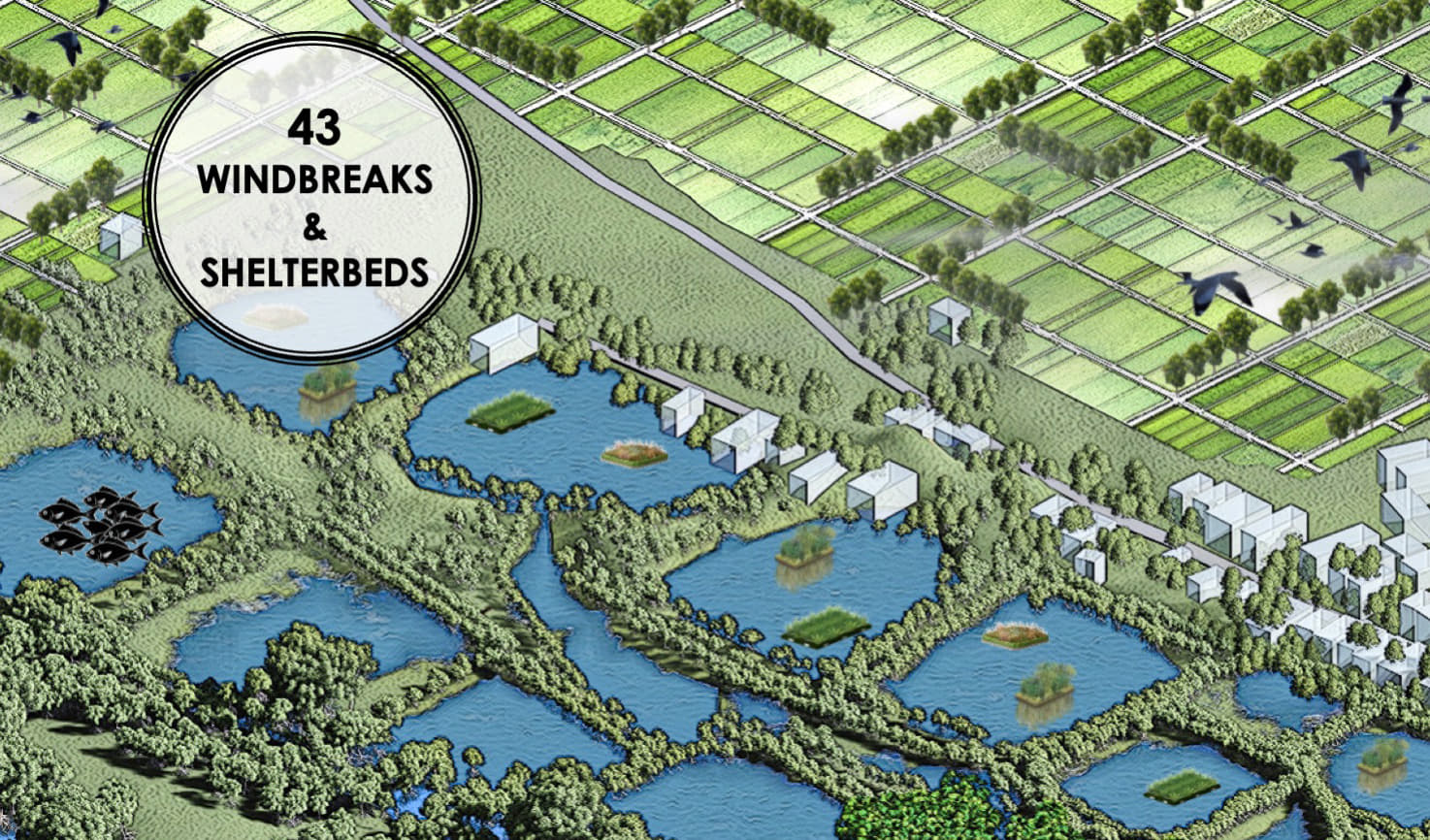
Nature-based Solutions (NbS) are transforming these fragile landscapes into resilient coastal buffers. In the Philippines and Vietnam, mangrove replanting is combined with salt marsh restoration and tidal flat nourishment, creating layered defences against erosion. Hybrid measures such as permeable brushwood barriers, planting mats, and artificial seagrass meadows help trap sediments and accelerate shoreline recovery. In Indonesia, where mangrove loss is severe, community-based aquaculture integrates shrimp farming with mangrove protection, ensuring food security and economic resilience while restoring habitats.
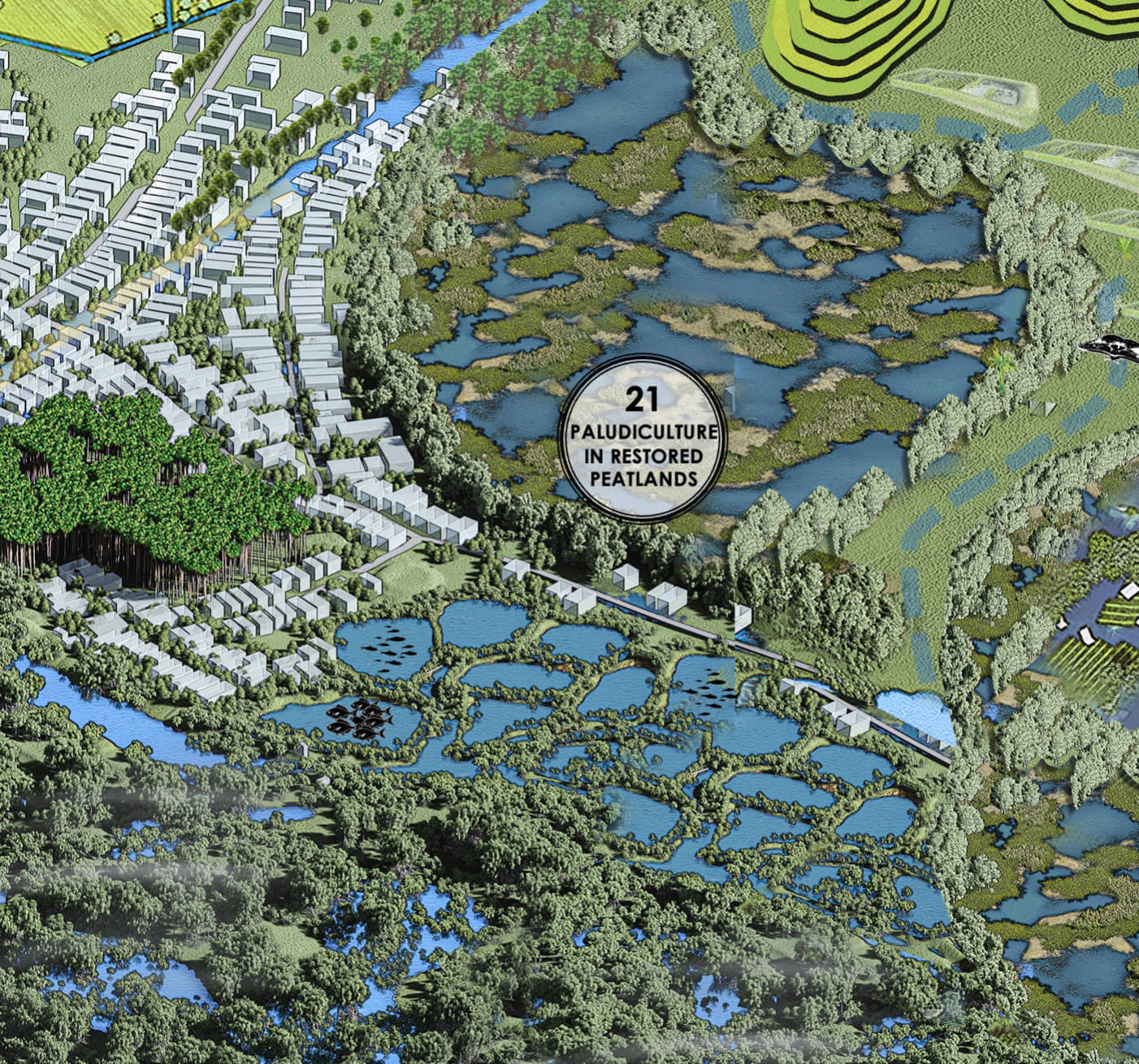
Mangroves can also support innovative land uses. Practices like paludiculture in peatlands allow communities to cultivate sustainable resources—such as nipa palm and firewood—without draining soils or degrading ecosystems. In Central Kalimantan’s peatlands, restoration programs are helping rewet drained areas to reduce fire risks and safeguard one of the planet’s richest carbon sinks.
Managing sediments is another crucial piece of resilience. Where natural flows have been disrupted, NbS restore balance by redirecting and capturing sediments to nourish mangrove root systems. Techniques include tidal flat restoration, permeable sediment traps, and artificial reefs, all of which enhance mangrove regeneration while keeping waterways navigable. Strategic sediment management, combined with river levee setbacks and oxbow reconnections, ensures that nutrients continue to reach deltaic forests, allowing them to adapt to sea-level rise.