
Water Bunds

Water bunds are designed to collect, store, and manage water, playing a crucial role in improving agricultural productivity, preventing soil erosion, and recharging groundwater.

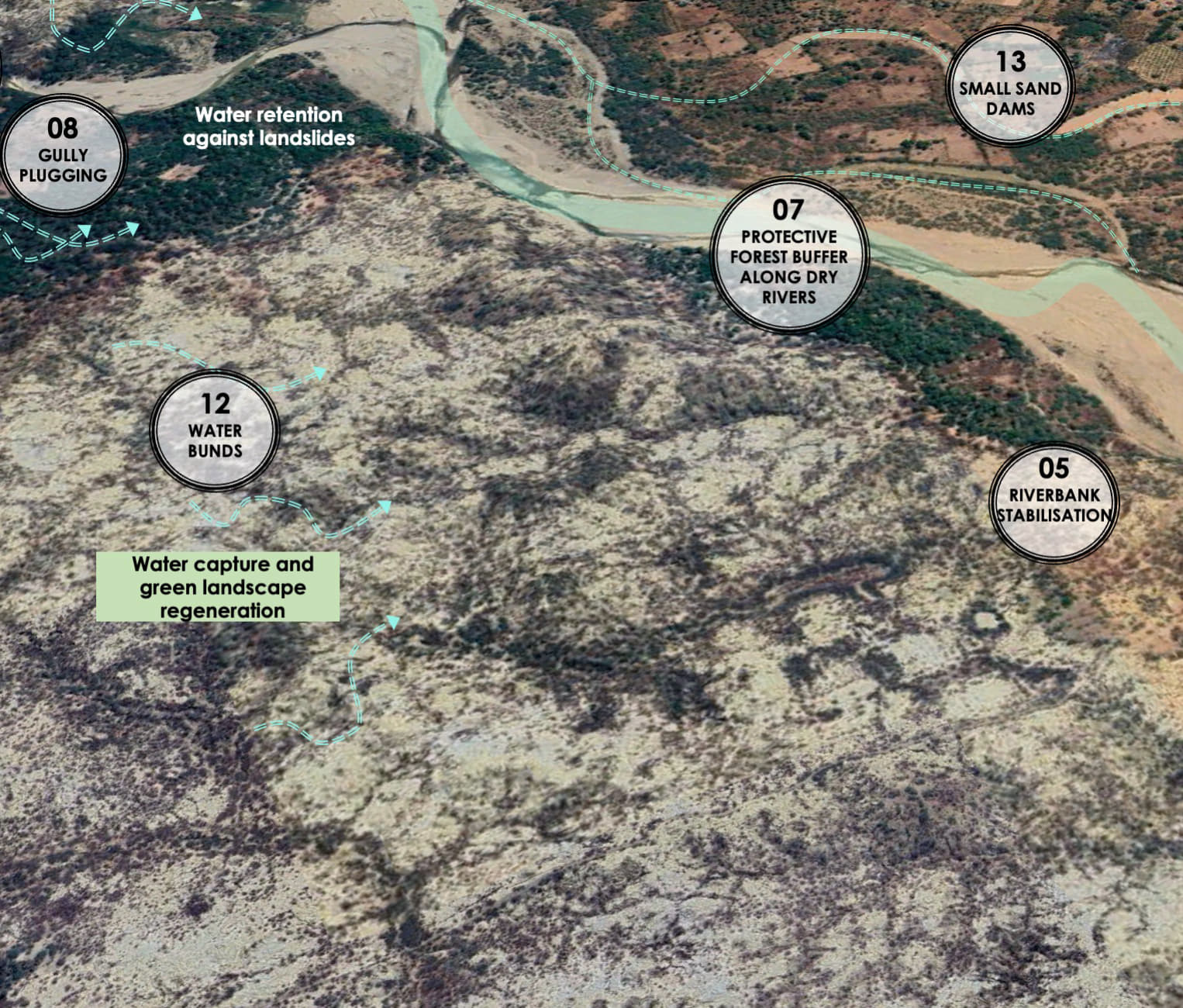
Typically built as embankments or earthen ridges along contour lines, water bunds slow down surface runoff during rains, allowing water to infiltrate the soil and be stored for future use.

This technique is especially beneficial in the dry and semi-dry regions such as northeastern Cambodia, central and northern Thailand, and upland Laos, where erratic rainfall and water scarcity challenge agricultural livelihoods. Lessons from similar practices in dry regions of East Africa demonstrate that water bunds effectively conserve moisture, improve soil fertility, and support resilient farming systems even under harsh climatic conditions.

Water bunds mitigate soil erosion by reducing water velocity, trap sediments and organic matter, and enhance the so. it’s capacity to retain moisture. On a landscape scale, water bunds stabilize degraded terrains, promote vegetative cover, and support ecosystem restoration.

Socially and economically, they improve crop yields, reduce vulnerability to droughts, and enhance groundwater availability, directly benefiting farmers and local communities. By fostering participatory approaches, such as community-driven bund construction and maintenance, water bunds also build social cohesion and promote sustainable land and water management.


  • Sustainable agriculture
  • Water management
  • Ecosystem restoration
  • Biodiversity support
  • Climate resilience
  • Soil conservation
Soil Erosion Soil Erosion
Flood Control Flood Control
Food Security Food Security
Disaster Risk Reduction Disaster Risk Reduction
Biodiversity Loss Biodiversity Loss

SUPPORTING

  • Soil fertility maintenance: By reducing erosion and enhancing water retention, water bunds support soil health and agricultural productivity.
  • Biodiversity promotion: Water bunds provide microhabitats that support local flora and fauna.

REGULATING

  • Water regulation: Water bunds capture runoff and promote groundwater recharge, helping to maintain stable water levels for agriculture.
  • Erosion control: They help prevent soil erosion by slowing down water movement, stabilizing the soil structure.

PROVISIONING:

  • Improved agricultural productivity: Water bunds increase crop yields, contributing to food security.
  • Water supply for irrigation by storing water, ensuring a continuous water supply for irrigation. SOCIAL

SOCIAL BENEFITS:

  • Community resilience: By improving water availability and reducing erosion, water bunds contribute to stronger farming communities.
  • Economic benefits: Increased agricultural productivity and reduced costs from soil erosion.
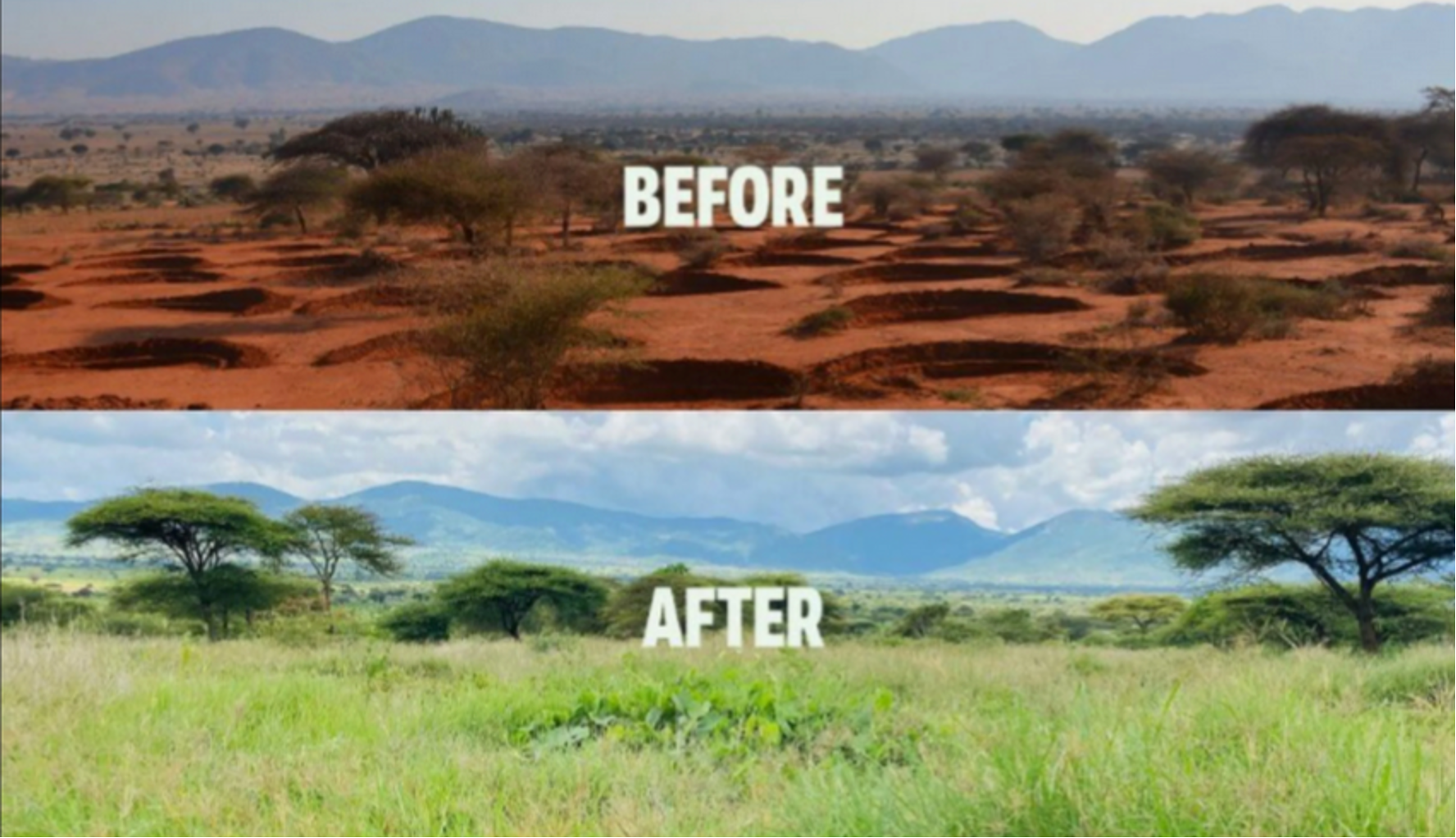
NbS12_Water bunds Action Kenya
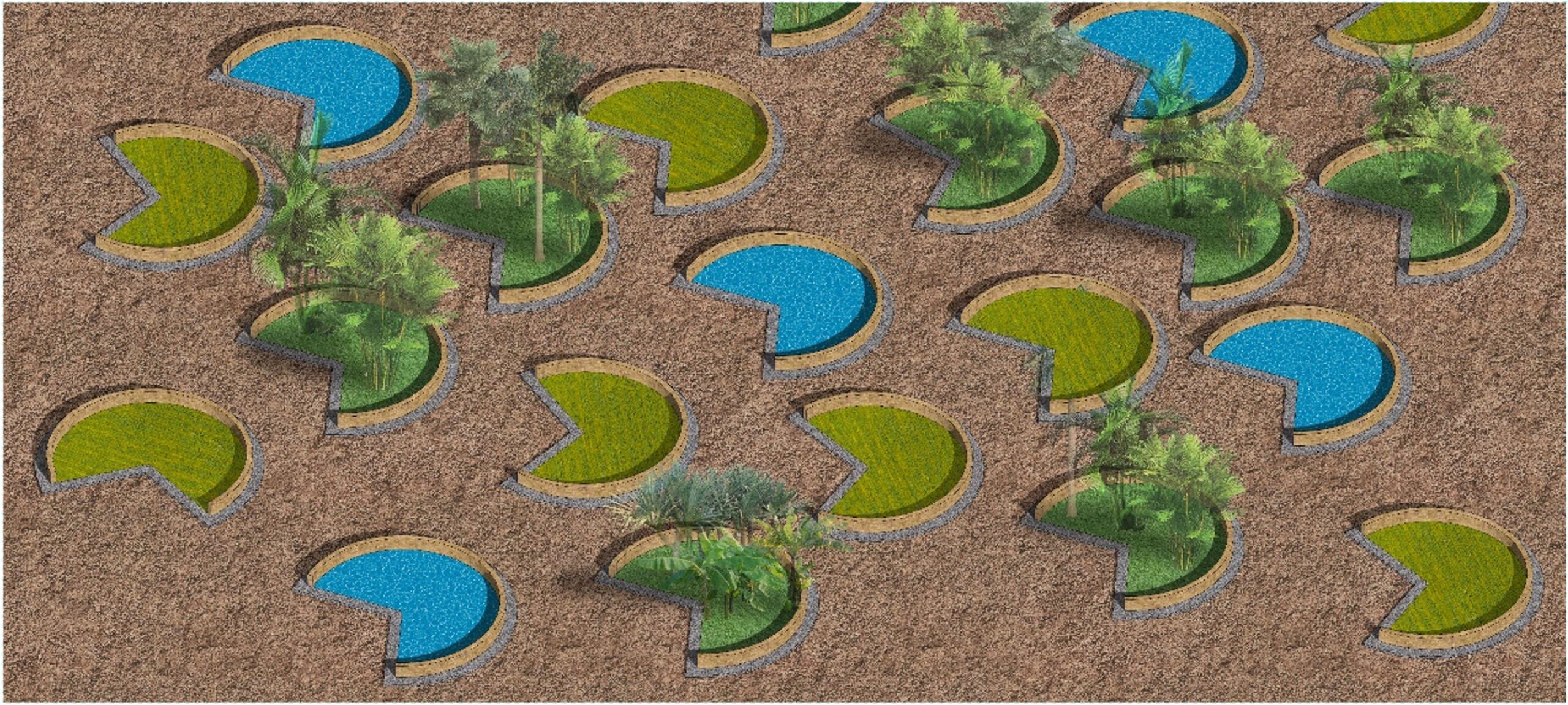
NbS12_Water bunds Axonometry
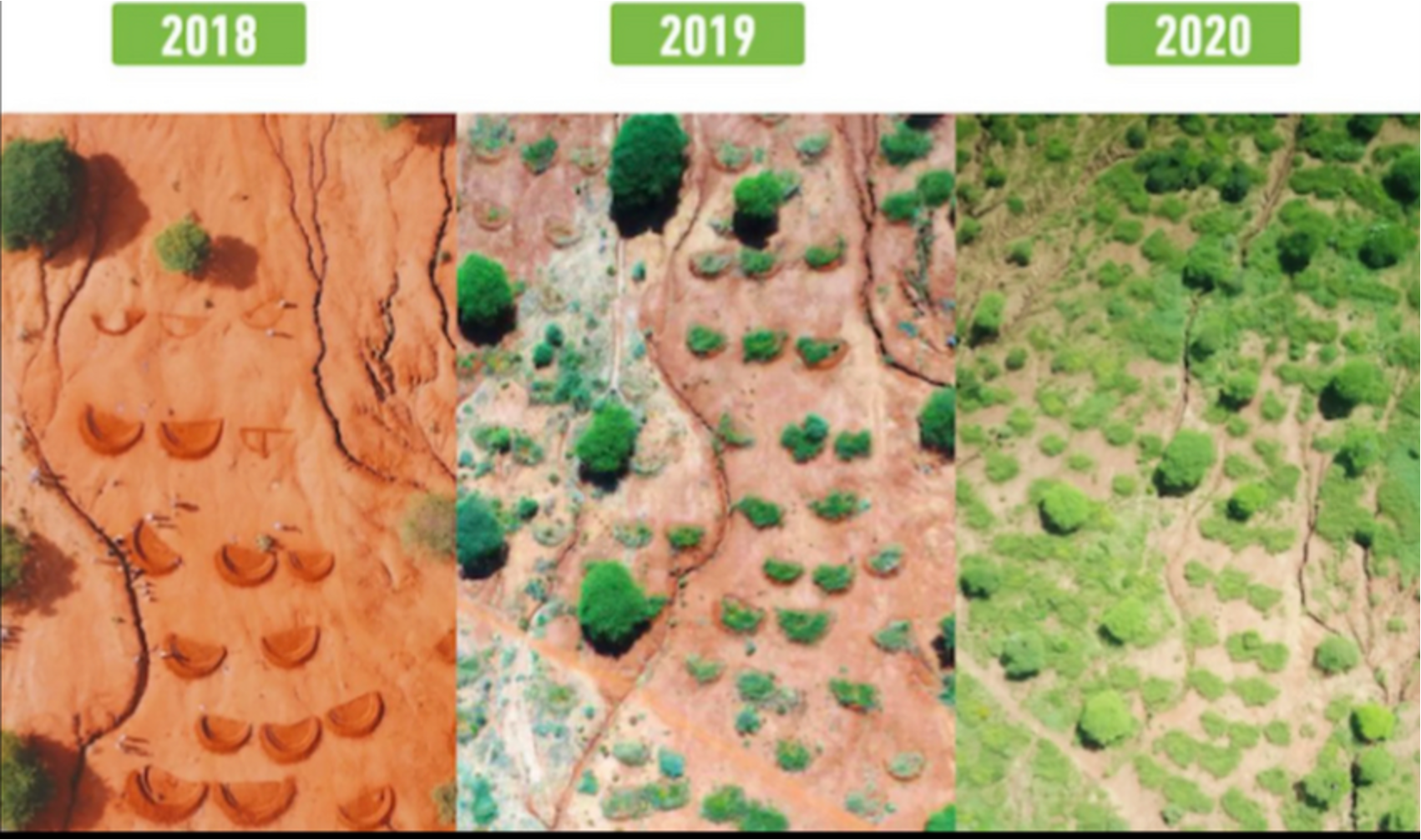
NbS12_Water bunds Impacts in 2 years

Maintenance and Durability: Silt accumulation, structural degradation, or damage from floods can reduce effectiveness over time.

Climate variability: Erratic rainfall patterns and extreme weather events, such as heavy storms or droughts, can undermine the capacity of water bunds to store and manage water effectively.

Land-use conflicts: In densely populated areas, land competition for agricultural or urban use can limit the space available for water bunds.

Inadequate technical knowledge: Lack of proper design, construction, and management expertise may lead to poorly constructed water bunds that fail to achieve desired outcomes.

Increased Agriculture Productivity

Higher crop yields due to improved water management, measured by increased crop output per hectare.

Erosion Control

Reduction in soil erosion, indicated by less sedimentation in surrounding water bodies or lower soil loss rates.

Improved Groundwater Recharge

Increased groundwater levels, measured through water table monitoring or increased well water availability.

Enhanced Biodiversity

Creation of microhabitats, measured by the presence of a variety of plant and animal species in and around the bunds.

Climate Change Resilience

Improved capacity to withstand climate extremes, indicated by fewer crop failures during dry periods or reduced flooding during wet periods.

Social and Economic Benefits

Improved livelihoods, measured by increased income from more reliable agriculture or reduced costs associated with water scarcity.

Direct Costs

Restoration, monitoring, infrastructure. $5,000–$30,000 per hectare restoration cost

Indirect Costs

Land acquisition, labor for construction, and monitoring may add 10%-20% to the total project cost.

Time Horizon

Benefits can be realized over 10 to 20 years, with a typical discount rate of 3%-5% for long-term investments.

Direct Benefits

Increased crop productivity and water retention could result in direct benefits, depending on local conditions.

Indirect Benefits

Enhanced ecosystem services, such as soil stabilization and biodiversity, potentially leading to long-term environmental savings.

Risk Assessment

Repair costs due to extreme weather or poor construction.

REFERENCES

Peru, Ica Valley.

Vietnam, Central Plateau.

India, The Thar Desert.

Kenya, Kitui and Baringo Counties.

Tanzania, Shinyanga, Dodoma and Singida Regions.

IMPLEMENTATION OPPORTUNITIES

Indonesia, East Nusa Tenggara.

Northern Cambodia.

Laos‘ Savannakhet Province.