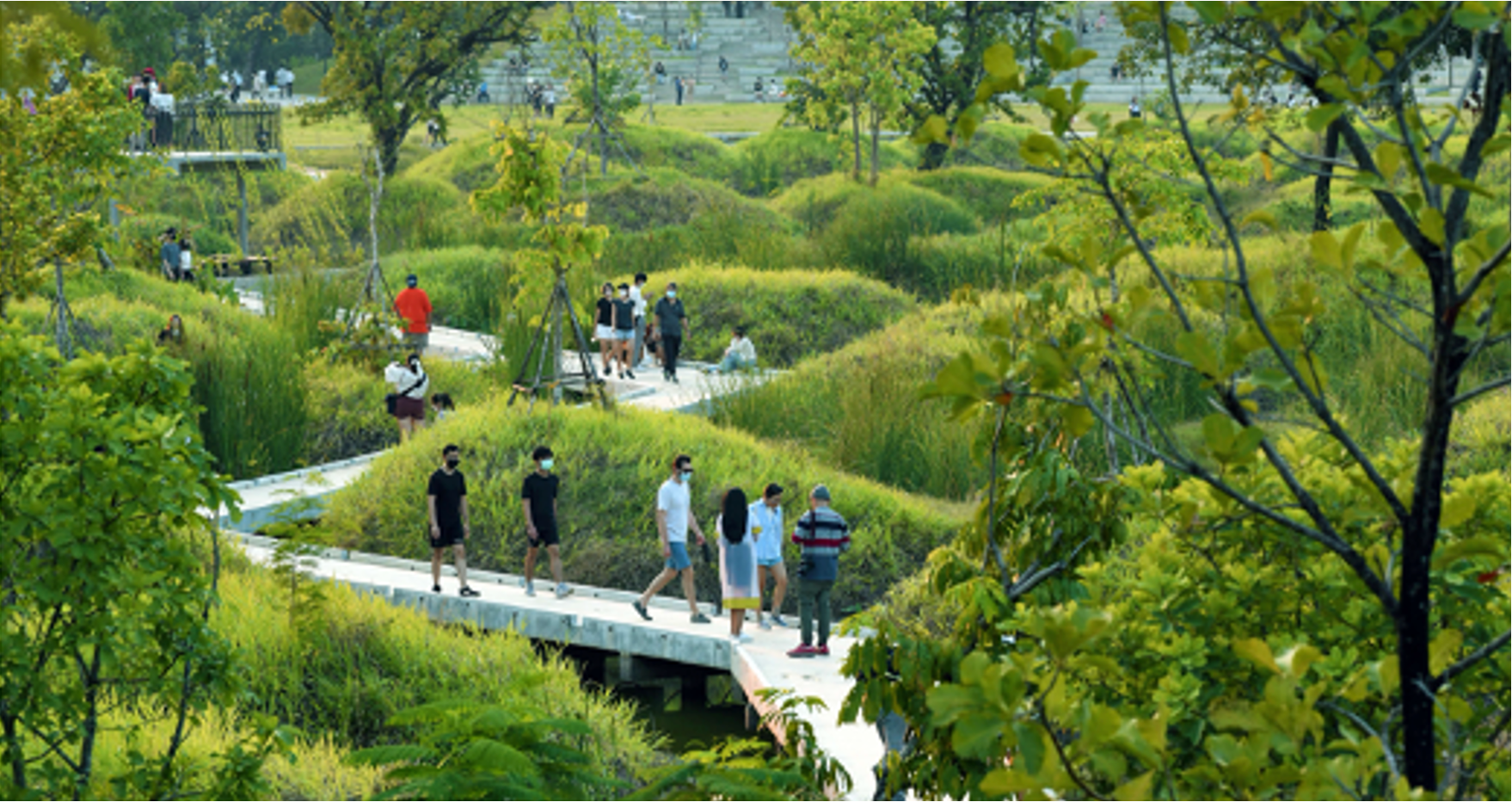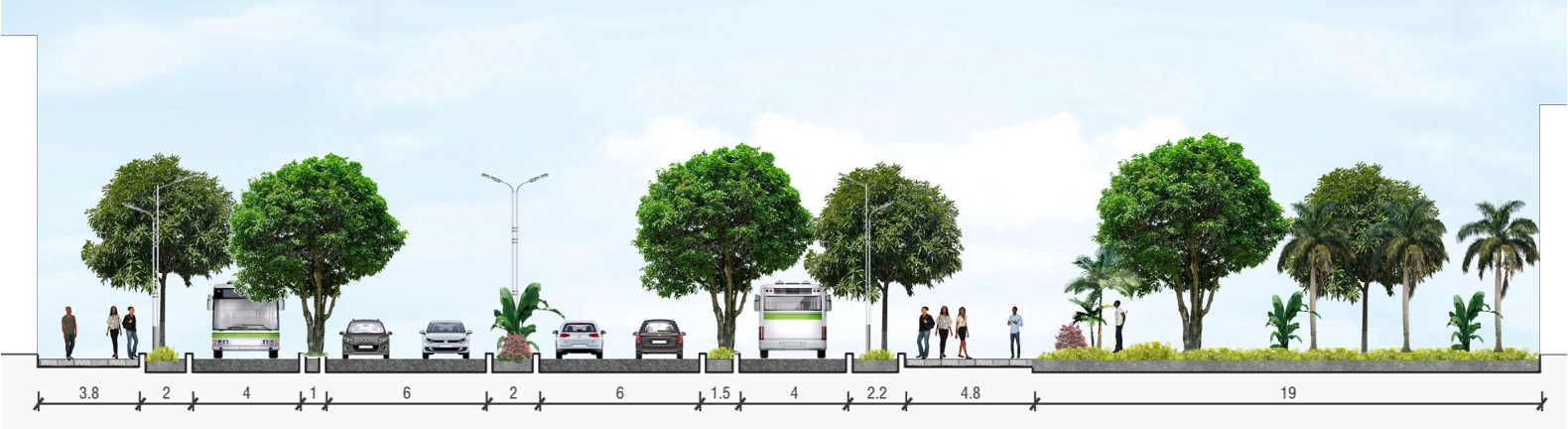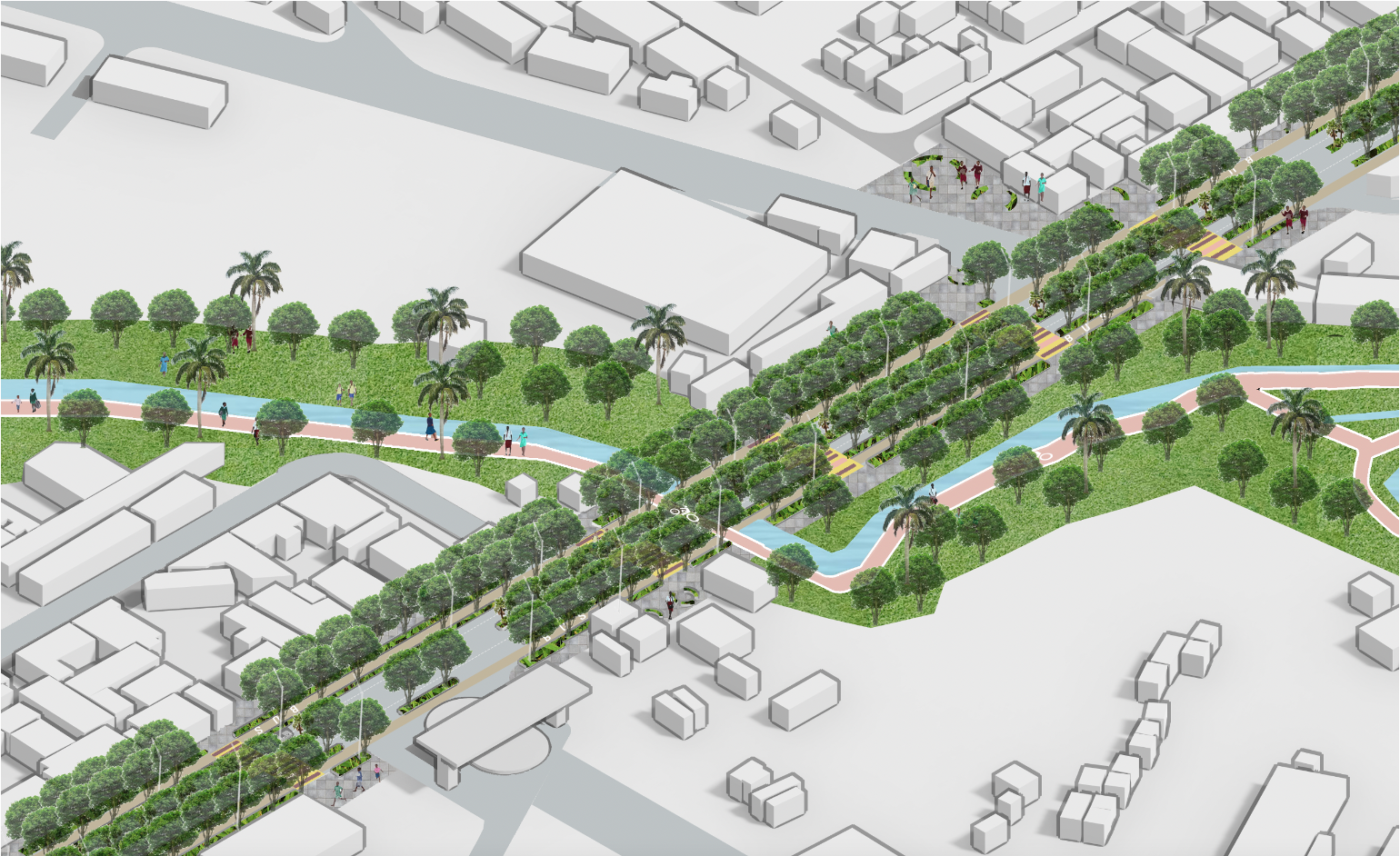

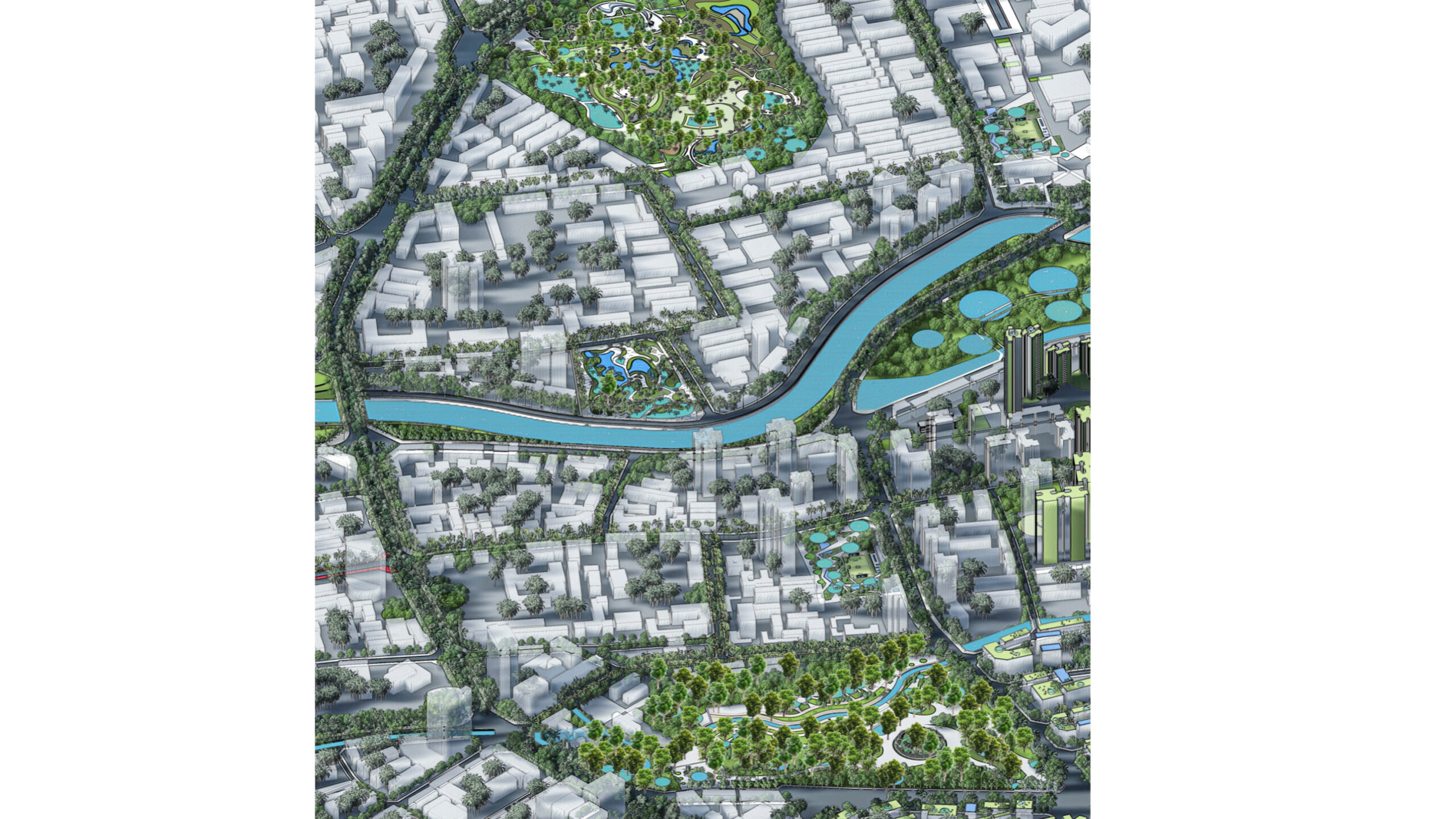
Urban forests and tree canopies play a critical role in addressing a range of climate challenges in cities of Southeast Asia, such as urban heat islands, flooding, and biodiversity loss.In tropical and equatorial climates, these green infrastructures provide multiple benefits, including temperature regulation through shading and evapotranspiration, improving air quality, enhancing stormwater management through water retention, and mitigating flooding risks.
Urban forests and linear street tree canopies also create biodiversity corridors, supporting wildlife while enhancing the aesthetic and recreational value of urban spaces. These green areas are particularly valuable in densely populated cities and industrial zones, as they reduce the impacts of heat stress, improve resilience to extreme weather events, and support the livelihoods of local communities through enhanced quality of life.
The social and economic advantages are further realized in terms of reduced energy costs, increased property values, and enhanced public health. For example, Singapore’s extensive urban greening programs have demonstrated how integrating green cover into urban planning can enhance resilience, while cities like Jakarta and Manila can benefit from expanded green corridors to manage floodwaters and boost urban resilience to climate change.