
Tidal Park

Tidal park development transforms urban coastal or riverine areas into vibrant spaces that harmonize natural tidal ecosystems with human activity.

These parks are designed around the natural tidal processes of water bodies, where areas are periodically submerged and exposed due to tidal fluctuations. Through careful planning, tidal park development utilizes natural and eco-engineered elements such as native vegetation, permeable pathways, and bio-shoreline reinforcements to restore degraded habitats, support biodiversity, and mitigate urban flood risks.

These spaces often include features like tidal wetlands, estuarine lagoons, and dynamic flood basins to absorb storm surges and reduce erosion. By providing recreational and educational opportunities, and reconnecting urban populations with marine and coastal environments, tidal parks represent a sustainable approach to urban development in harmony with nature.


  • Ecosystem based adaptation
  • Ecosystem based disaster reduction
  • Ecosystem restoration
  • Ecosystem based mitigation
  • Green infrastructure
Biodiversity Loss Biodiversity Loss
Flood Control Flood Control
Urban Heat Island Urban Heat Island
Disaster Risk Reduction Disaster Risk Reduction
Carbon Sequestration Carbon Sequestration
Air Quality Improvement Air Quality Improvement

SUPPORTING

  • Promote nutrient recycling by integrating natural cycles into urban green spaces, supporting healthy soils and vegetation.
  • Facilitate soil stabilization in developed areas through vegetation, preventing erosion and supporting infrastructure.
  • Create ecological corridors to connect fragmented urban ecosystems, allowing wildlife to thrive amidst city development.

REGULATING

  • Manage urban flooding by using wetlands, tidal zones, and green infrastructure to absorb and store excess water.
  • Regulate temperature by reducing urban heat through shaded areas and cooling from water bodies.
  • Enhance water quality by filtering runoff through bioengineered wetlands and permeable surfaces.

PROVISIONING

  • Offer clean water sources by protecting and restoring urban aquifers and surface water systems.
  • Provide fresh food through urban agriculture, community gardens, or aquaculture integrated into tidal parks.

SOCIAL BENEFITS

  • Enhance recreation opportunities by offering spaces for walking, birdwatching, kayaking, and other outdoor activities.
  • Promote environmental education through interactive urban parks that highlight biodiversity, climate adaptation, and ecosystem functions.
  • Boost mental health by providing tranquil, green spaces that reduce stress and improve well-being for urban residents.
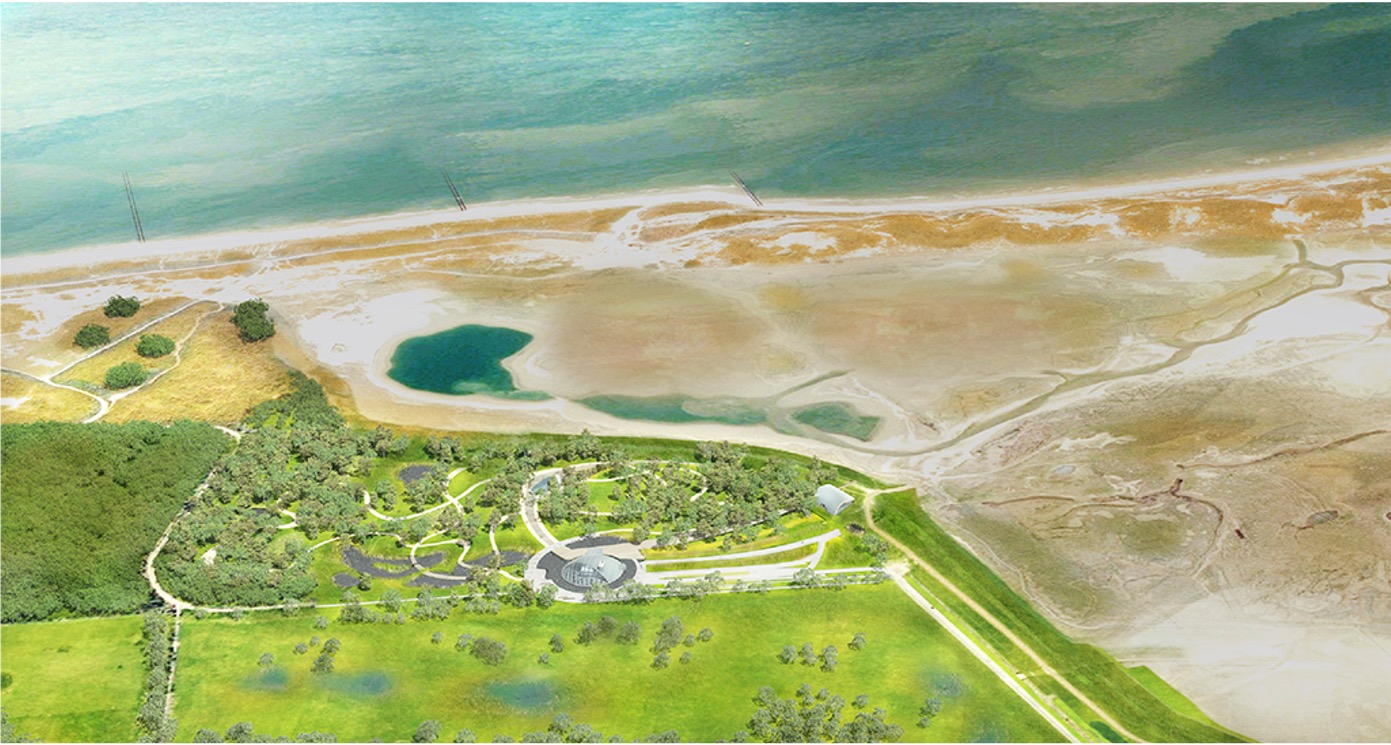
NbS32_Nature Reserve Zwin Belgium
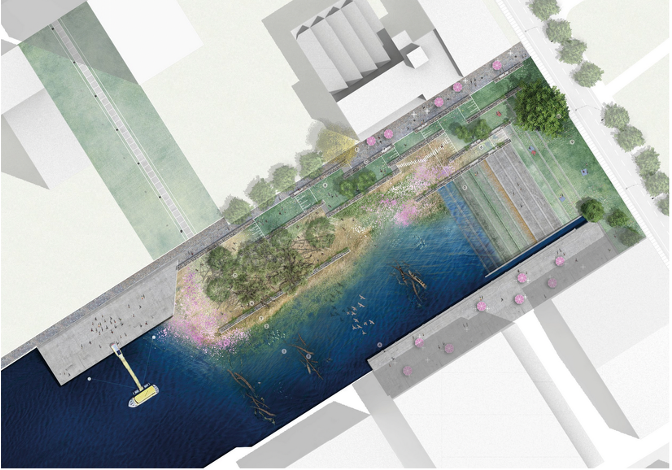
NbS32_Tidal Park Keilehaven Rotterdam

Pollution and Water Quality Degradation: Urban runoff and industrial discharge can contaminate tidal park waters, degrading water quality and threatening aquatic life.

Space Availability : Limited land availability in urban areas increases competition for space, which can delay the development of tidal parks.

Extreme weather events: Rising sea levels and extreme weather events may overwhelm tidal parks’ protective functions, causing erosion and flooding.

Safety Risks: Lack of public understanding of tidal parks’ benefits, coupled with safety risks in tidal areas may discourage community participation.

Disaster Risk Reduction

Frequency and intensity of flood events, reduction in flood-related damages to infrastructure and property, volume of water absorbed or stored by the park during high tides or heavy rainfall.

Urban heat island mitigation

Average temperature difference between urban areas with and without tidal parks, surface temperature reduction in adjacent urban areas.

Carbon Sequestration

Carbon sequestration rate, changes in soil organic carbon levels, vegetation cover and health.

Water Quality Improvement

Levels of pollutants (e.g., nitrogen, phosphorus, heavy metals), water turbidity, frequency of harmful algal blooms.

Economic Revitalization

Increase in property values, job creation associated with park maintenance, management, and tourism.

Direct Costs

Restoration, monitoring, infrastructure. $5,000–$30,000 per hectare restoration cost

Indirect Costs

Loss of income from alternative land uses (e.g., agriculture or development).

Time Horizon

Short-term (1-5 years): park construction, initial maintenance, and ecosystem restoration. Long-term (20+ years): Sustaining park health.

Direct Benefits

Flood mitigation, improved water quality, carbon sequestration.

Indirect Benefits

Biodiversity and habitat creation, public health.

Risk Assessment

Extreme weather, pollution, or invasive species could degrade park ecosystems. With fluctuating tides, strong currents, and rough terrain, public safety is a concern.

REFERENCES

The Netherlands, Rotterdam, Keilehaven Tidal Park combines a city park with a natural estuary system.

UK, London, Thames Barrier Park, reduces flood risk offers green space, promotes biodiversity, and helps improve water quality in the estuary.

IMPLEMENTATION OPPORTUNITIES

Indonesia, Jakarta, along the northern coastline.

Philippines, Manila, Manila bay.

Vietnam, Ho Chi Minh City, Saigon River area or along the coastline.