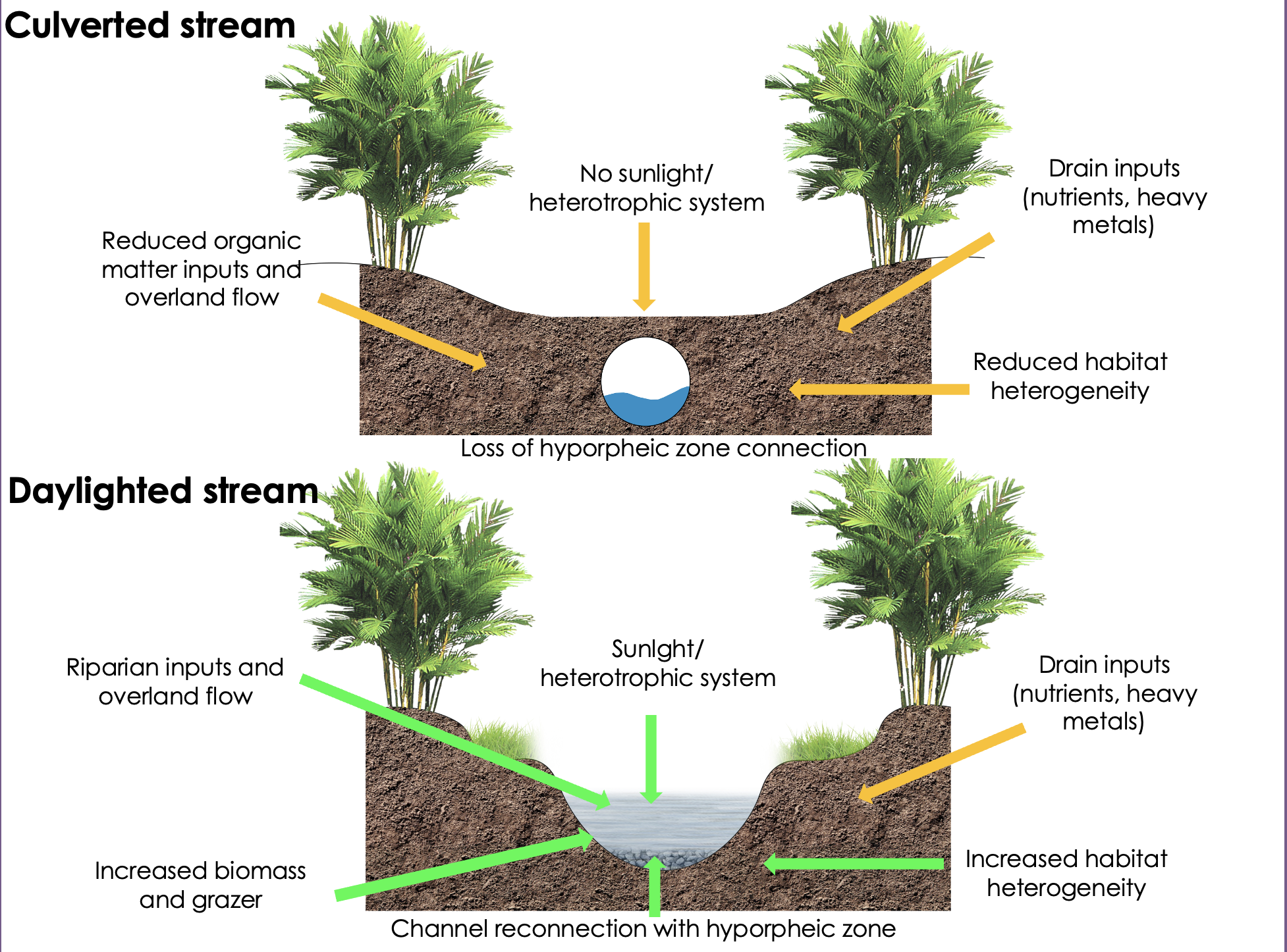

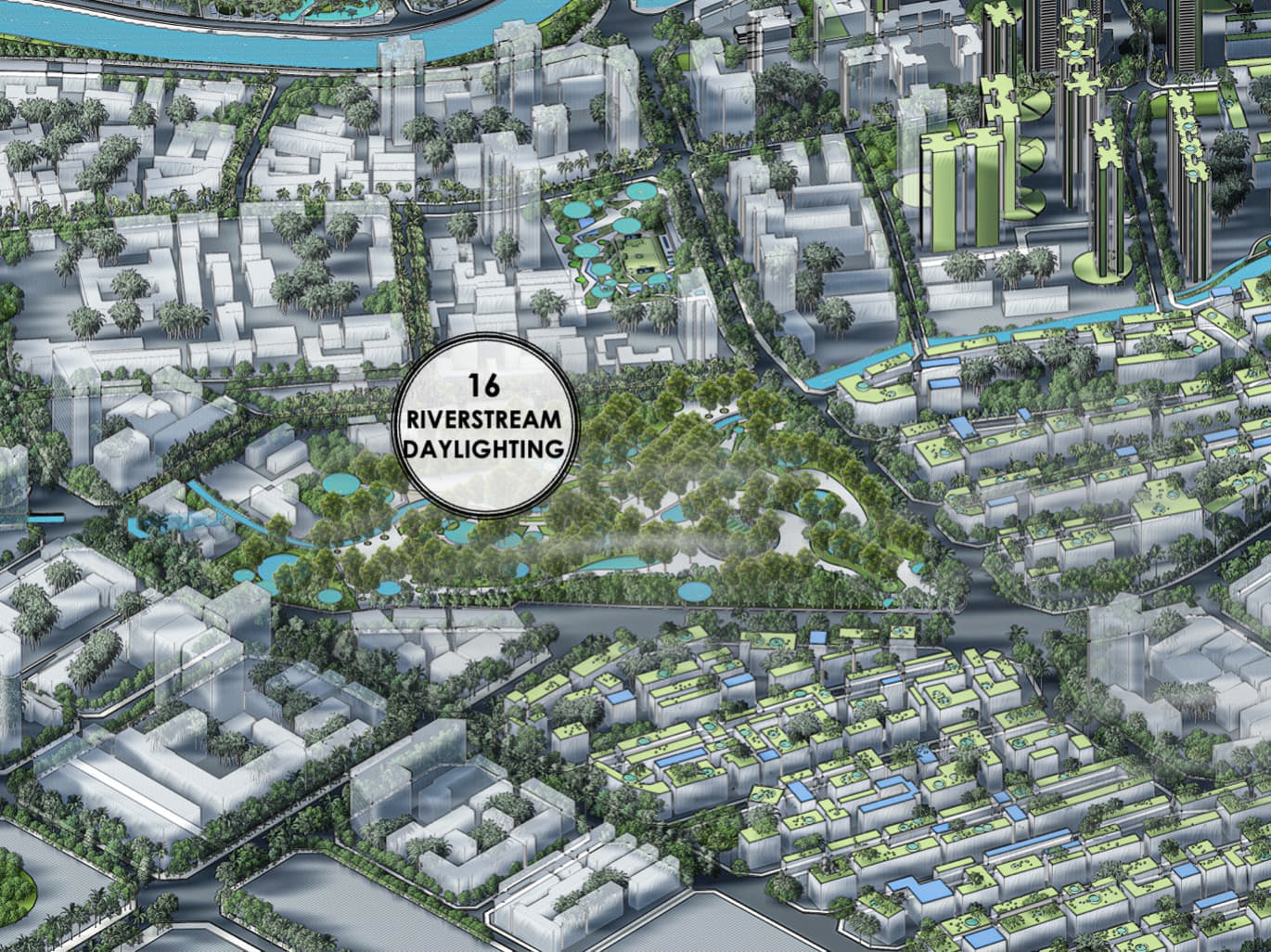
River stream restoration and daylighting (or deculverting) involves uncovering buried streams or restoring degraded rivers to their natural states, thereby addressing urban flooding, enhancing biodiversity, and improving urban and rural resilience to climate events in Southeast Asia.
Techniques include full channel restoration (removal of culverts and concrete), stream naturalization (reintroducing meanders, riparian vegetation, and wetlands), and partial daylighting (exposing sections of buried streams while maintaining infrastructure).
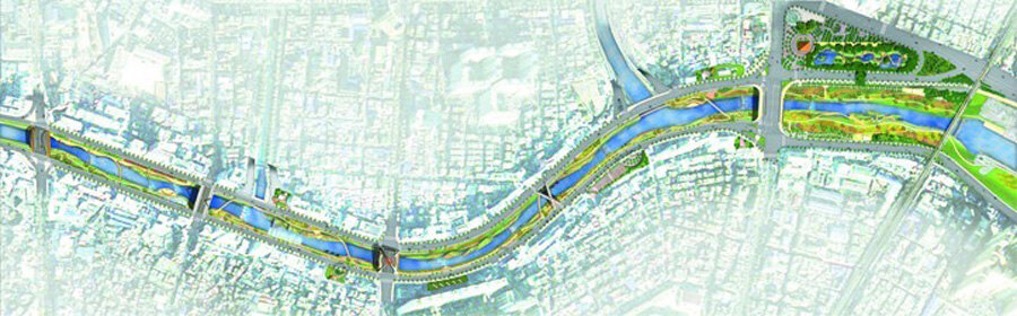
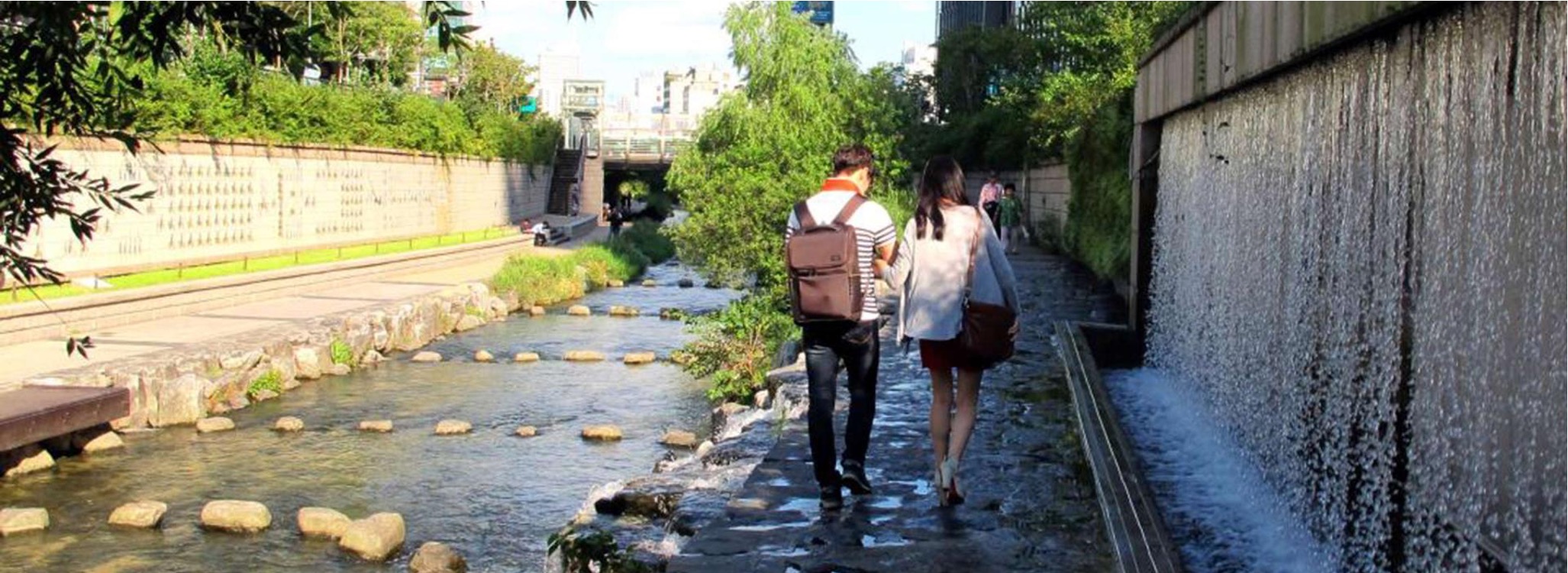
Iconic examples like the Cheonggyecheon River Restoration in Seoul, South Korea, demonstrate how transforming a culverted urban river into a vibrant green corridor can significantly reduce urban heat, improve air quality, and enhance social cohesion. In rural areas, river daylighting projects such as restoring irrigation canals or small river streams support agricultural sustainability and aquifer recharge.
These projects promote ecological connectivity, mitigate urban heat islands, and create recreational green spaces, making cities and rural landscapes more livable and resilient. In Southeast Asia, such initiatives are particularly valuable for cities like Jakarta, Bangkok, and Hanoi, where heavy rainfall, urbanization, and aging drainage systems necessitate innovative flood management.
The approach also revitalizes biodiversity, supports local economies through ecotourism, and fosters environmental stewardship.