
Reconnect Oxbow Lake And River

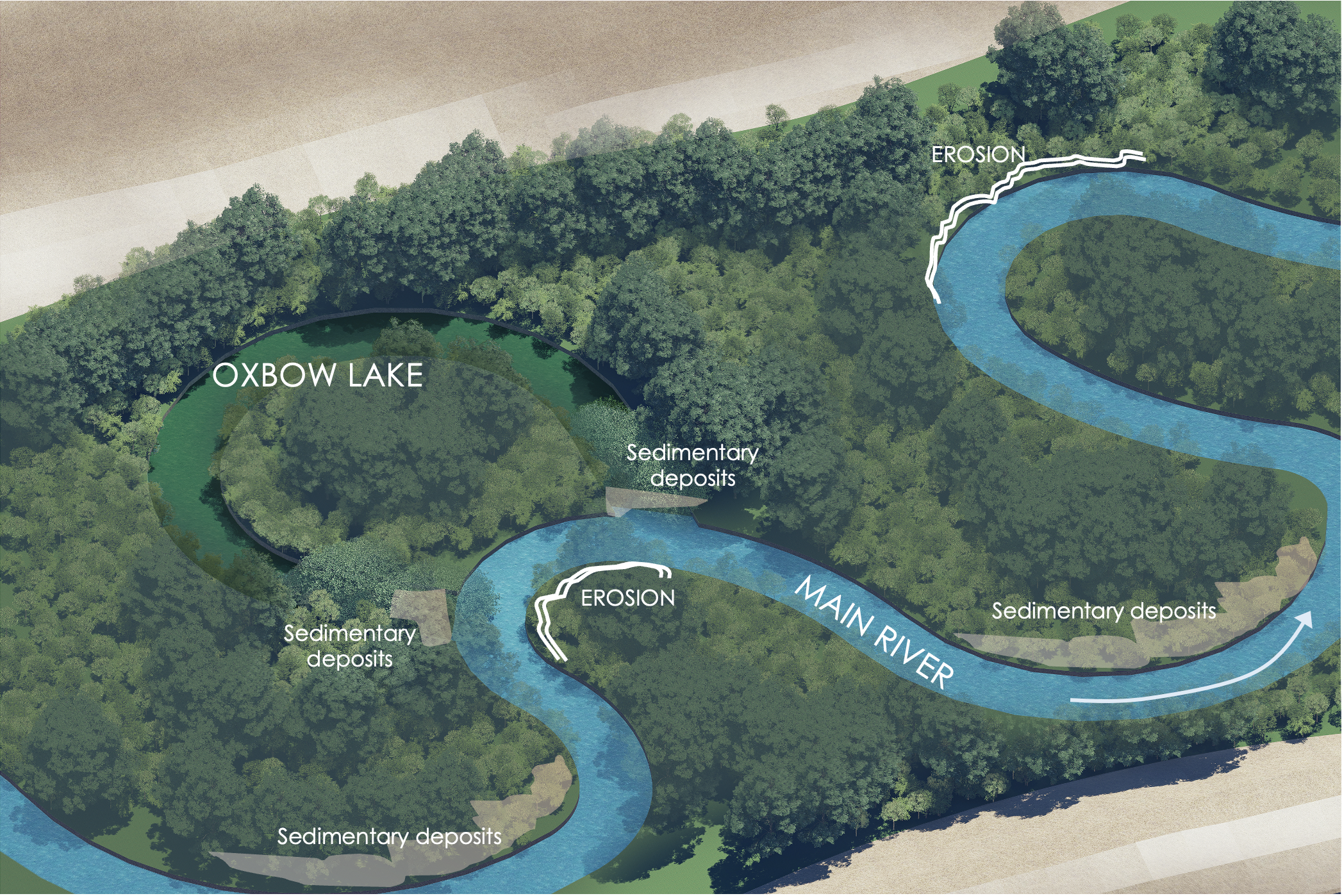
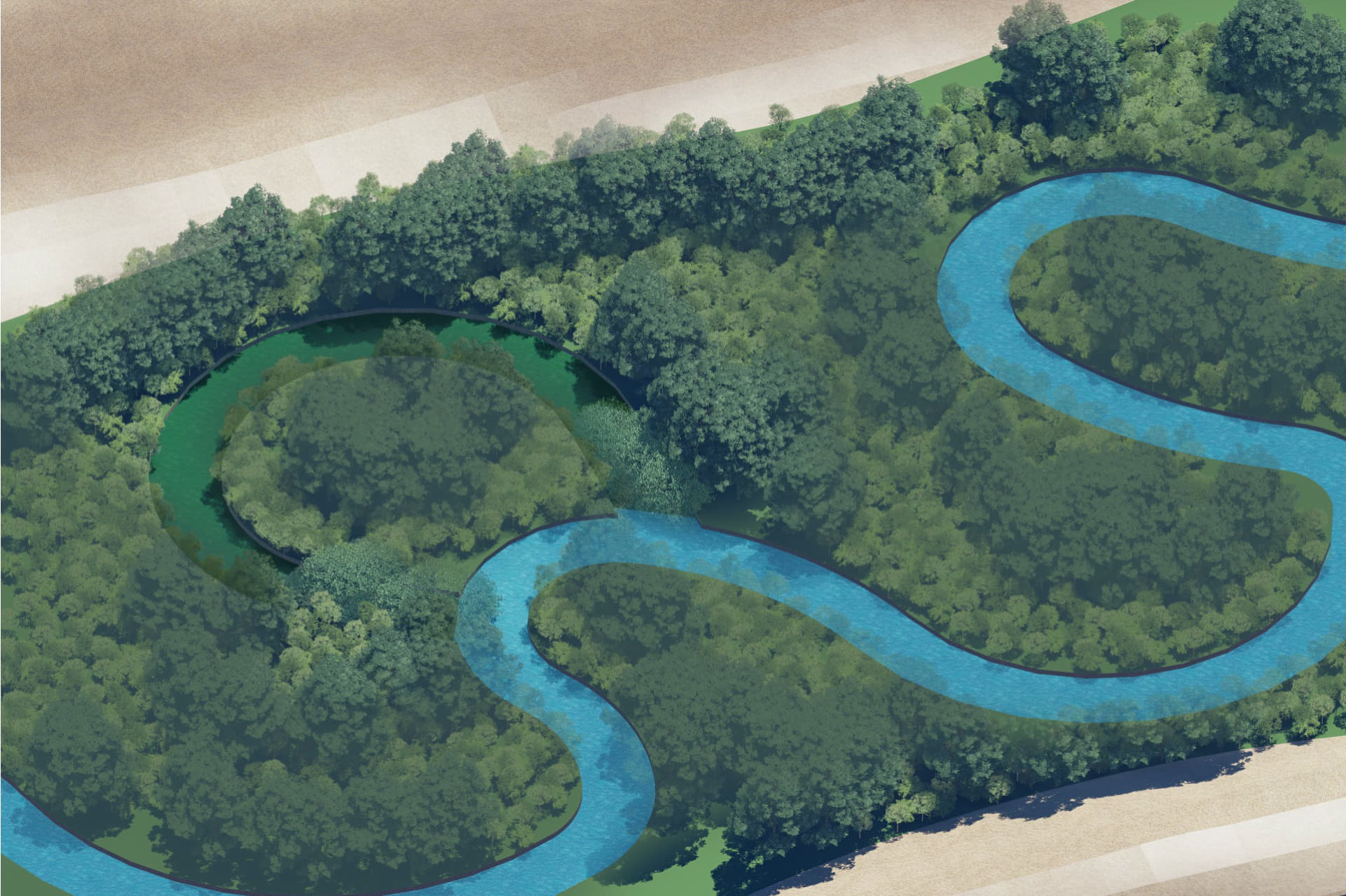
Reconnecting an oxbow lake and its river involves re-establishing the natural hydrological connection between an oxbow lake (a crescent-shaped lake formed by a meander of a river) and the main river channel.

Over time, oxbow lakes can become isolated from the river due to natural processes like sediment deposition or human intervention, such as levee construction or channelization.

Reconnection efforts aim to restore the flow of water between the river and the oxbow, enhancing the health of both water bodies.

This process often involves breaching or removing physical barriers, such as levees or embankments, that have cut off the oxbow from the river. By restoring this connection, water can flow freely between the river and the oxbow, allowing for seasonal flooding, nutrient exchange, and sediment deposition.

These actions help improve water quality, increase biodiversity, and create new habitats for fish, amphibians, and other aquatic species.


  • Ecosystem based disaster risk reduction
  • Ecosystem based adaptation
  • Green infrastructure
  • Ecosystem restoration
Soil Erosion Soil Erosion
Biodiversity Loss Biodiversity Loss
Flood Control Flood Control
Carbon Sequestration Carbon Sequestration
Disaster Risk Reduction Disaster Risk Reduction

SUPPORTING

  • Create habitats for a wide range of species, including migratory birds, amphibians, and aquatic organisms.
  • Reconnection enhances genetic diversity and strengthens ecosystem resilience by improving habitat connectivity

REGULATING

  • Act as natural flood buffers, storing excess water during heavy rainfall and reducing downstream flood risks.
  • Filter sediments, nutrients, and pollutants, reducing eutrophication risks.
  • Water exchange between the oxbow lake and the river helps replenish aquifers and maintain groundwater levels.

PROVISIONING

  • Reconnection improves the quality and quantity of freshwater resources available for domestic, agricultural, and industrial use.
  • Enhance fish populations by providing spawning and nursery habitats, supporting local fisheries.

SOCIAL BENEFITS

  • Serve as valuable sites for environmental education and scientific studies on ecology and hydrology.
  • Provide opportunities for birdwatching, kayaking, fishing, and eco-tourism, boosting local economies.
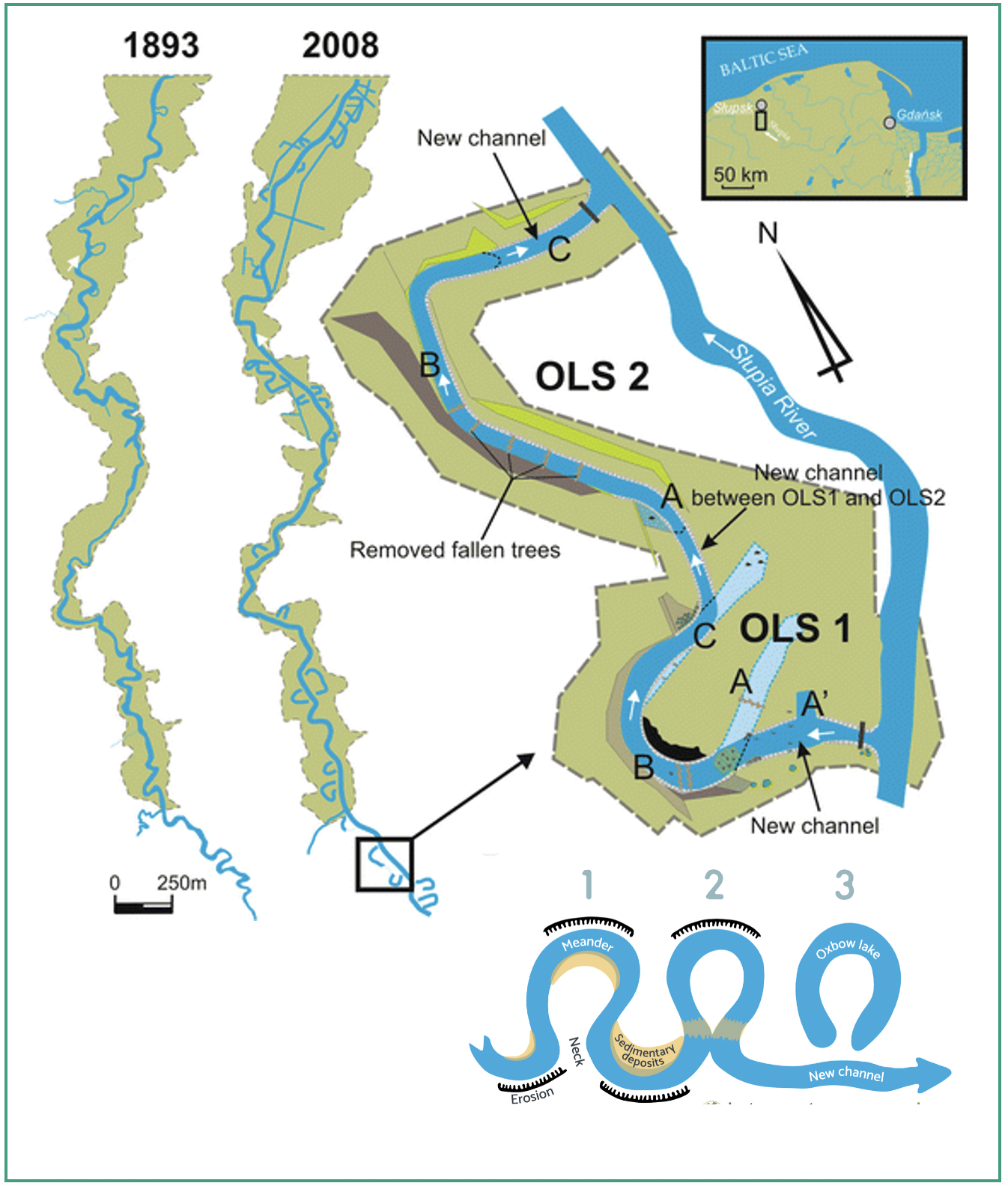
NbS4_Hydrological System Slupia River Poland
NbS4_Oxbow Lake reconnected with River

Water quality: Oxbow lakes can have different water quality characteristics than the main river (lower oxygen levels, higher temperatures, increased sedimentation). It may lead to changes in water chemistry

Species Displacement: Species that have adapted to the isolated environment of the oxbow lake may be vulnerable to change.

Flow Alterations: The natural flow of water in the river may be altered due to the reintroduction of water to the oxbow lake.

Sustainability of the Reconnection: it requires ongoing management to ensure the long-term health and stability of the reconnected ecosystem.

Biodiversity Enhancement 

The number and diversity of species (e.g., fish, aquatic plants, amphibians) before and after the reconnection.

Water Quality Improvement

Nutrient Concentrations (e.g., Nitrogen and Phosphorus), dissolved oxygen levels, turbidity.

Soil and Habitat Restoration

Increased soil quality , vegetation recovery.

Flood Control and Hydrological Regulation

Flood frequency and extent, water retention capacity, flow variability.

Local Economic and Social Benefits

Changes in the yield or quality of fish in the restored ecosystem.Number of visitors, eco-tourism revenues.

Direct Costs

Planning & Design, Construction ($130,000–$600,000)

Monitoring & Maintenance ($15,000–$80,000/year)

Indirect Costs

Economic disruptions (land use, local activities), risk management (flooding, insurance), regulatory compliance, stakeholder engagement.

Time Horizon

Short-Term (1-3 years): Planning & Construction, Long-Term (10+ years): ecosystem stabilization.

Direct Benefits

Water quality improvement, enhanced biodiversity, flood mitigation, carbon sequestration.

Indirect Benefits

Ecotourism and jobs, community resilience, education & stewardship.

Risk Assessment

Ecological risks (invasive species, water quality), hydrological risks (flooding, erosion).

REFERENCES

USA, Mississippi river oxbow lake restoration project (lower Mississippi alluvial valley).

Poland, Pomerania , Słupia River, oxbow lakes in its floodplain, in the lower reaches of the river.

IMPLEMENTATION OPPORTUNITIES

Cambodia, oxbow lakes along the Tonle Sap River.

Indonesia, the middle Mahakam lakes are large oxbow lakes formed by past meanders of the Mahakam river.