
Pollinator Habitats And Corridors

Pollinators play a critical role in biodiversity conservation, urban farming, and regenerative agriculture, while also contributing to wildlife corridors and mitigating human-wildlife conflicts. Pollinator habitats and corridors, ranging from wildflower strips in urban parks and green roofs to grassed waterways in agricultural lands, serve as habitat linkages, enhance ecological connectivity, and support species migration.

Southeast Asia is home to diverse pollinators, including native bees (e.g., Apis cerana and stingless bees), butterflies, moths, beetles, flies, and birds like sunbirds. These pollinators not only sustain ecosystems but also boost crop productivity and maintain forest regeneration, essential in tropical and equatorial climates.

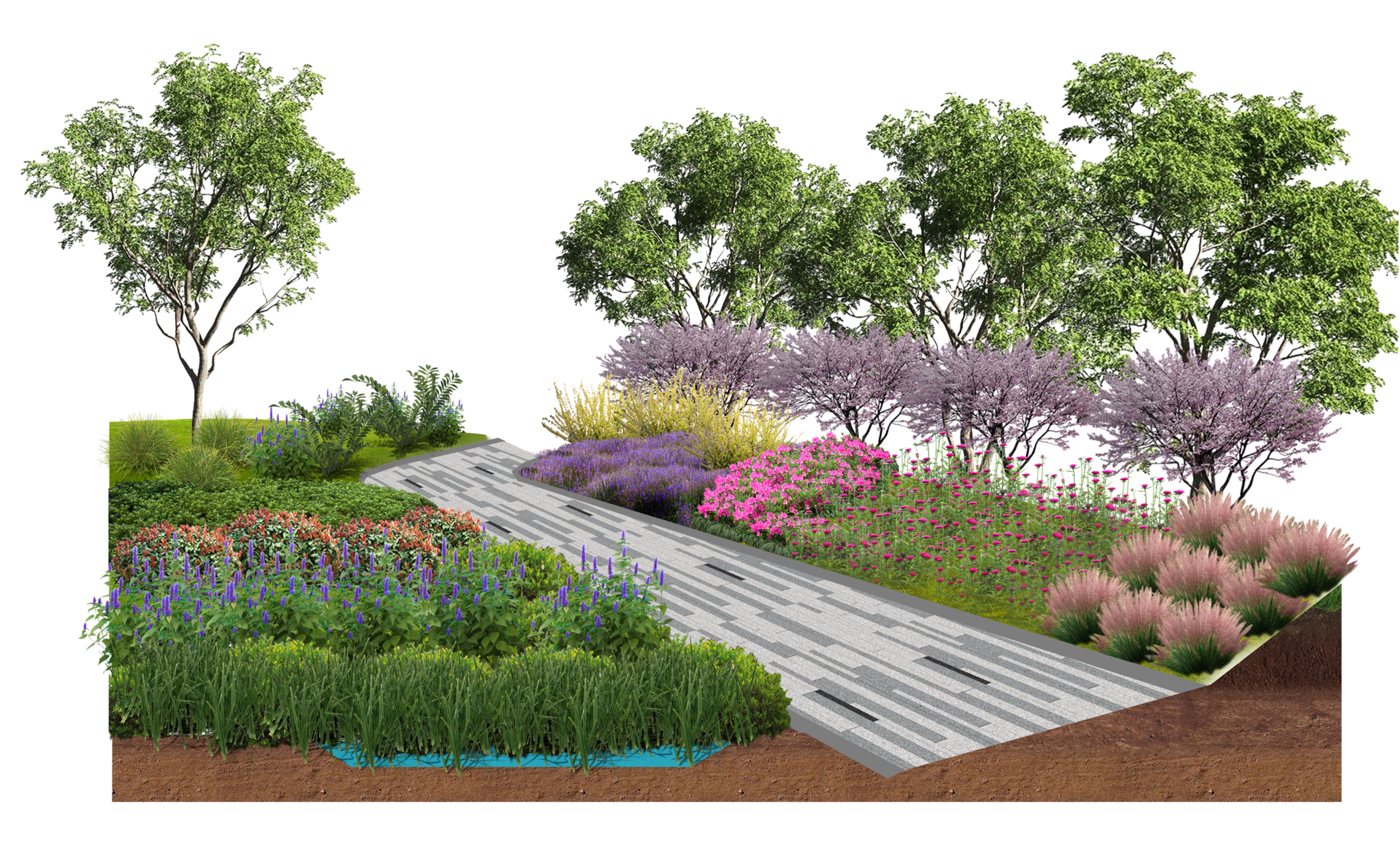
Practical NbS include urban pollinator gardens, rehabilitated forest edges, and integrated landscape management to create pollinator corridors between agricultural fields and forest reserves.

By supporting biodiversity hotspots, promoting ecosystem services, and facilitating coexistence with wildlife (e.g., linking elephant migration paths with biodiverse landscapes), pollinator-focused NbS offer social benefits such as food security, education, and aesthetic value, while providing technical and economic gains like improved yields and climate resilience.


  • Ecological connectivity
  • Agroecology
  • Habitat restoration
  • Climate smart agriculture
  • Integrated landscape management
  • Urban biodiversity enhancement
  • Wildlife corridor development
Biodiversity Loss Biodiversity Loss
Food Security Food Security

SUPPORTING

  • Biodiversity Support: Provide habitats and corridors for pollinators, maintaining species diversity and ecological interactions.

REGULATING

  • Pollination Regulation: Enhance crop pollination and natural vegetation growth, improving ecosystem productivity.

PROVISIONING

  • Agricultural Yield Improvement: Support higher yields of pollinator-dependent crops, enhancing food security and farmer livelihoods.

SOCIAL BENEFITS

  • Community Engagement: Create opportunities for education and participation in pollinator-friendly practices and urban greening. Aesthetic and Recreational Value: Enhance the visual appeal and recreational potential of green spaces through pollinator-attracting flowers and vegetation.
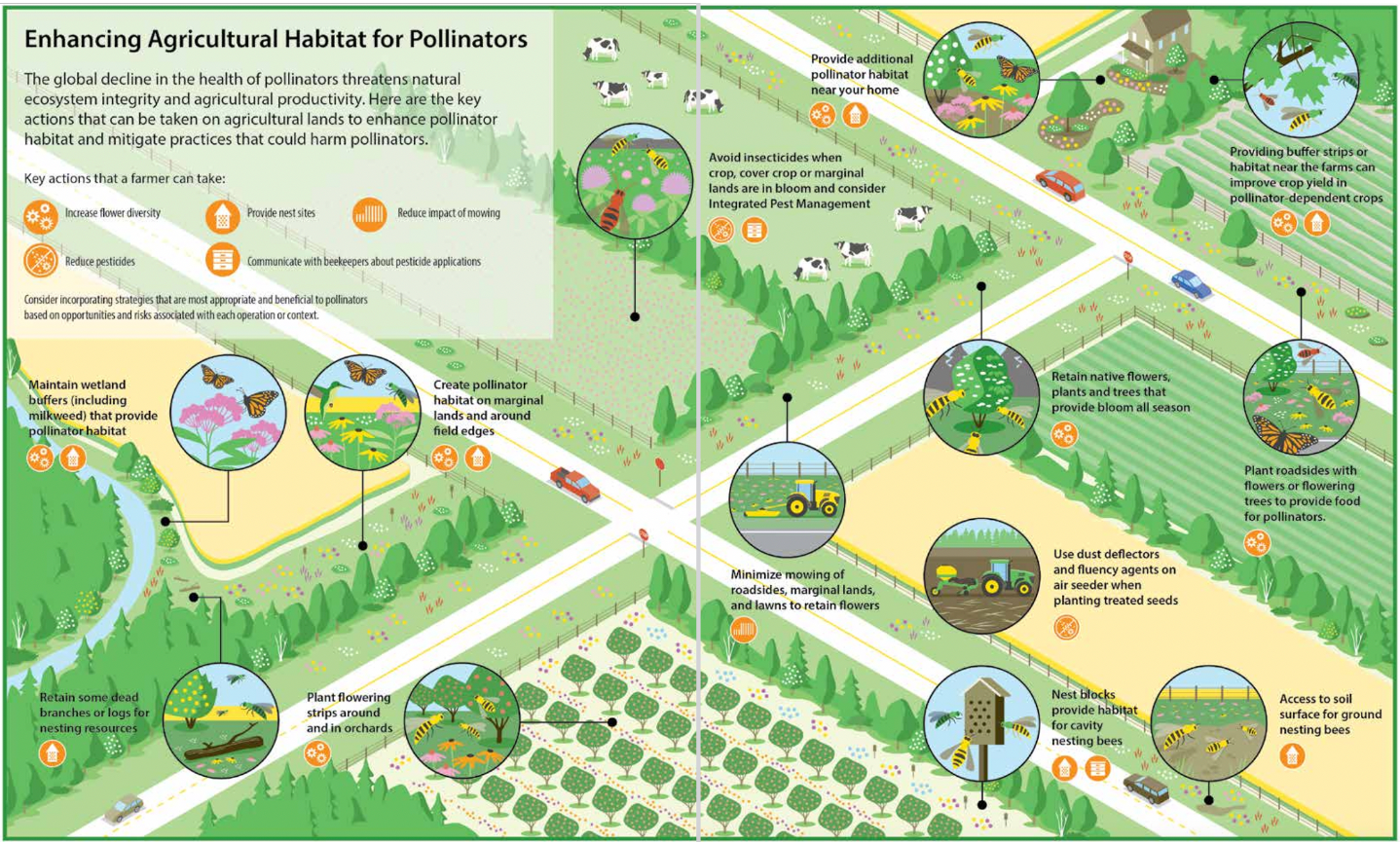
NbS34_Enhancing Agricultural Habitat for Pollinators
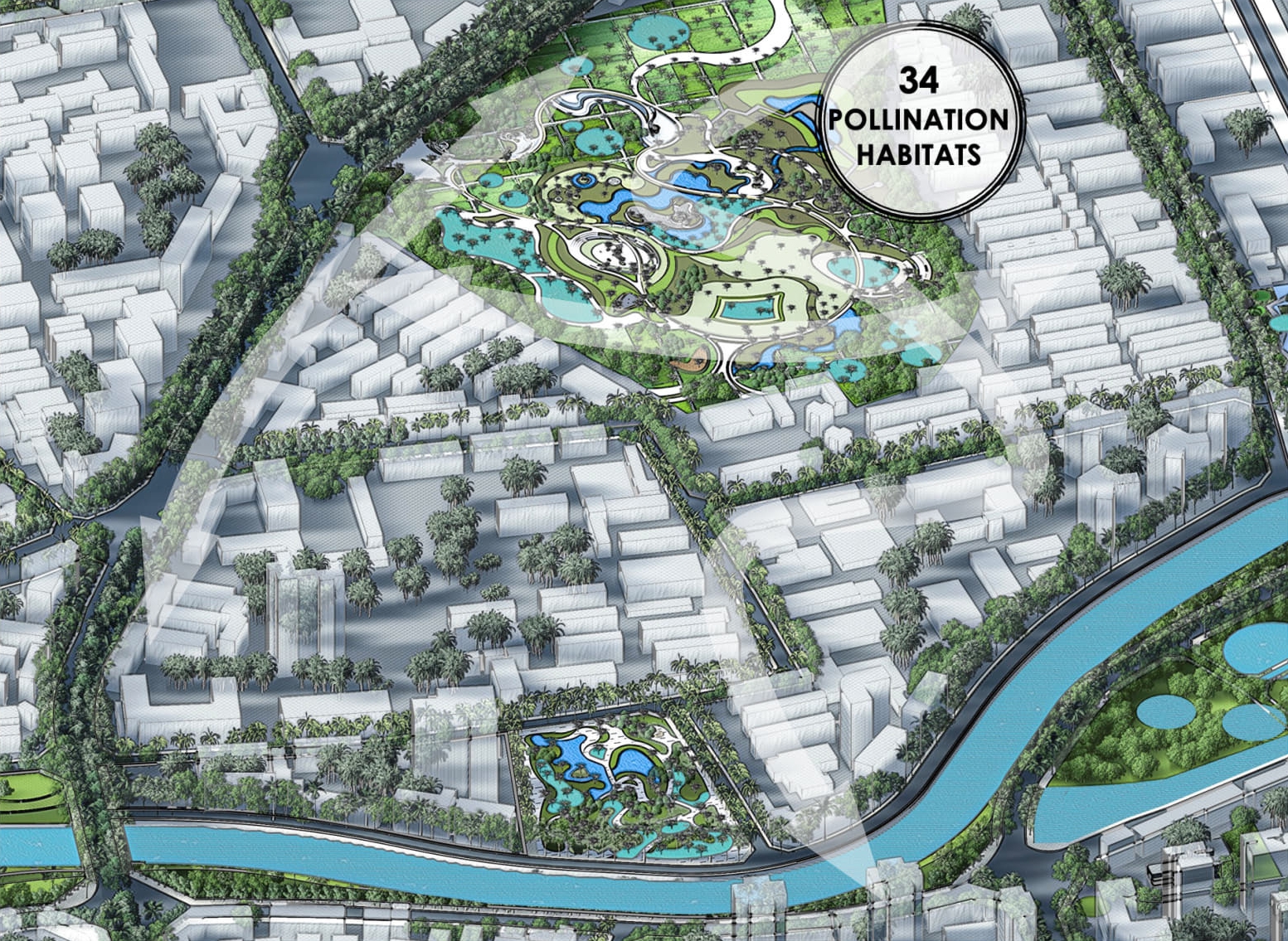
NbS34_Pollinator Park Image

Habitat Fragmentation: Urbanization and agricultural expansion may disrupt the connectivity of pollinator corridors, reducing their effectiveness.

Pesticide Use: Widespread use of chemical pesticides and herbicides in Southeast Asia poses significant risks to pollinator health and survival.

Climate Sensitivity: Changes in temperature and precipitation patterns can affect the flowering cycles of plants and the activity of pollinators, reducing their mutual benefits.

Invasive Species: Introduction of non-native plant or animal species may outcompete native flora and fauna, disrupting local pollinator ecosystems.

Biodiversity Conservation

Increased diversity of native pollinator species, measured by species richness and abundance surveys.

Agricultural Productivity

Enhanced crop yields in farms near pollinator corridors, monitored by harvest data.

Climate Resilience

Improved resilience of ecosystems through pollination of climate-adaptive plant species, assessed by vegetation health indices.

Community Engagement

Greater participation in pollinator conservation initiatives, tracked through community-driven projects.

Urban Aesthetic and Liveability

Visually appealing green spaces in urban areas.

Education and Awareness

Increased awareness of pollinator importance, gauged by the number of educational campaigns and outreach events conducted.

Direct Costs

Initial establishment costs for native plantings, habitat modules range from $5k to $10k/ha.

Indirect Costs

Maintenance costs, including vegetation management and monitoring, may be around $500 to $1,000 /ha/year.

Time Horizon

Projects typically span 10–20 years, with a discount rate of 5–7% for long-term ecological benefits.

Direct Benefits

Increased crop yields from enhanced pollination services can generate valuable benefits in agricultural contexts.

Indirect Benefits

Ecosystem services like biodiversity conservation and community well-being contribute to societal value.

Risk Assessment

Potential failure due to habitat fragmentation or invasive species incurs financial for mitigation efforts.

REFERENCES

Philippines Pollinator Initiative.

Singapore’s Nature Ways.

China, Hong Kong, Kadoorie Farm and Botanic Garden.

IMPLEMENTATION OPPORTUNITIES

Philippines, Central Luzon Agricultural Zone.

Indonesia, Jambu and Riau Provinces.

Singapore’s expanding of Nature Ways into urban core.

Mekong River Delta Region’s ecosystems.

Thailand, Chiang Mai’s urban green roofs and urban farming lands.