
Plastic Waste Capture Biodefence

Implementing plastic waste capture systems in rivers is a crucial strategy for preventing marine pollution and protecting aquatic ecosystems.

These systems, designed as barriers or floating devices, intercept plastic waste before it reaches the sea, reducing the devastating impact of plastic on marine biodiversity.

Strategically placed in river channels, these barriers effectively trap floating debris without obstructing the natural flow of water or the movement of aquatic organisms. The captured plastic waste is then collected and transported for proper recycling or disposal, promoting sustainable waste management practices.

This approach not only prevents the accumulation of plastic in marine environments but also fosters cleaner rivers and healthier ecosystems. By integrating these biodefense systems with community-led cleanup efforts and educational initiatives, we can raise awareness about the consequences of plastic pollution and encourage responsible waste disposal.


  • Integrated coastal zone management
  • Ecosystem based adaptation
  • Green infrastructure
  • Ecosystem restoration
Disaster Risk Reduction Disaster Risk Reduction
Biodiversity Loss Biodiversity Loss
Flood Control Flood Control

SUPPORTING

  • Healthy river ecosystems supported by waste capture systems provide habitats for aquatic and riparian species.
  • Cleaner water promotes the growth of aquatic plants and phytoplankton, which form the base of the food web.

REGULATING

  • By capturing plastic waste, the system reduces contamination, enhancing the river’s ability to naturally purify water.
  • Preventing plastic waste accumulation reduces blockages in rivers and drainage systems, mitigating flood risks

PROVISIONING

  • By reducing plastic pollution, the system ensures cleaner water for drinking, agriculture, and industrial use.
  • Support fisheries and other resources vital for local communities.
  • Recovered plastic waste can be recycled into raw materials, contributing to circular economies.

SOCIAL BENEFITS

  • Encourage activities like fishing, boating, and eco-tourism.
  • Reducing visible pollution enhances the natural beauty of river landscapes.
  • Fosters environmental awareness and encourages sustainable practices in communities.
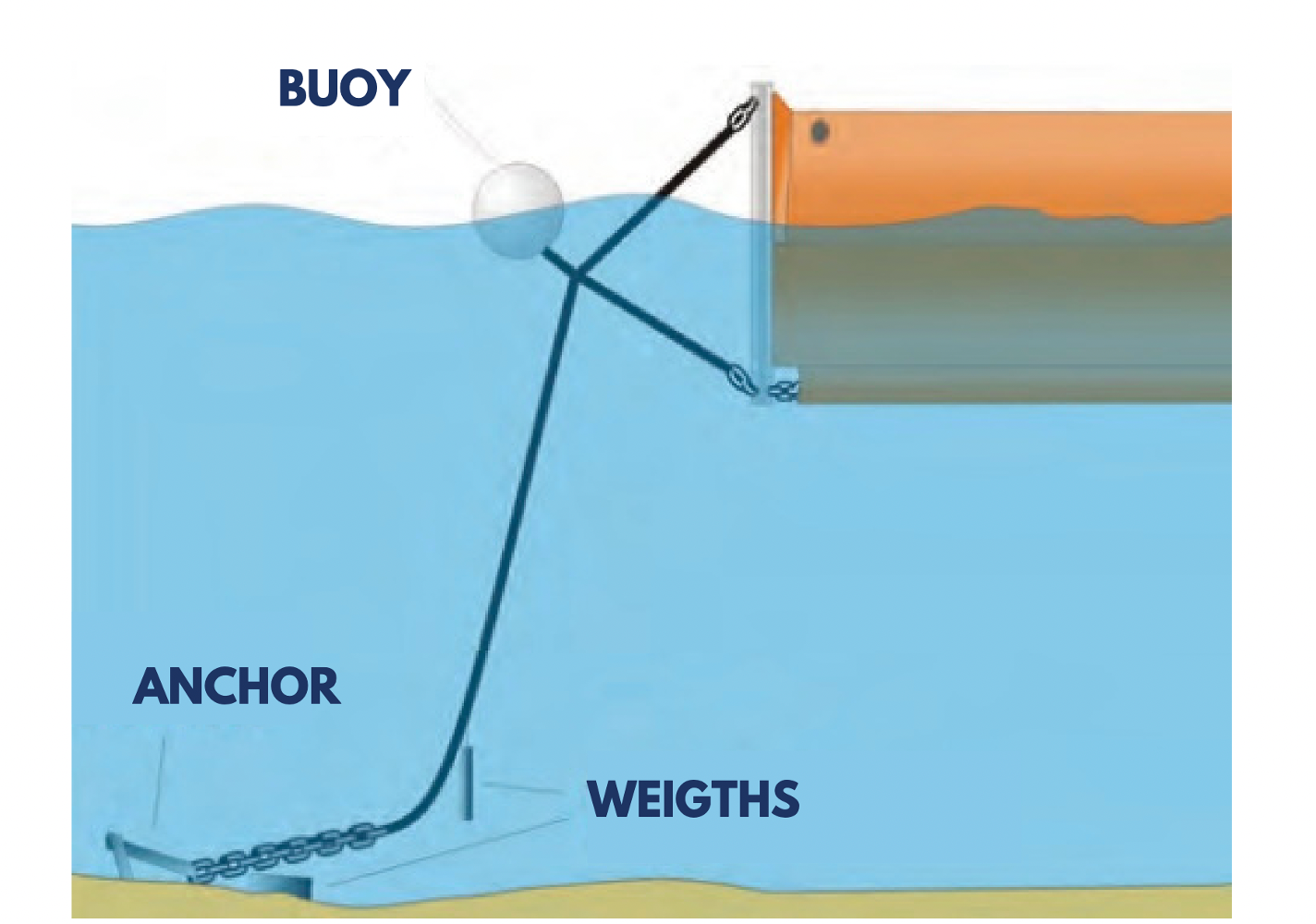
NbS9_Anchor Attachments of River Boom PROMAR
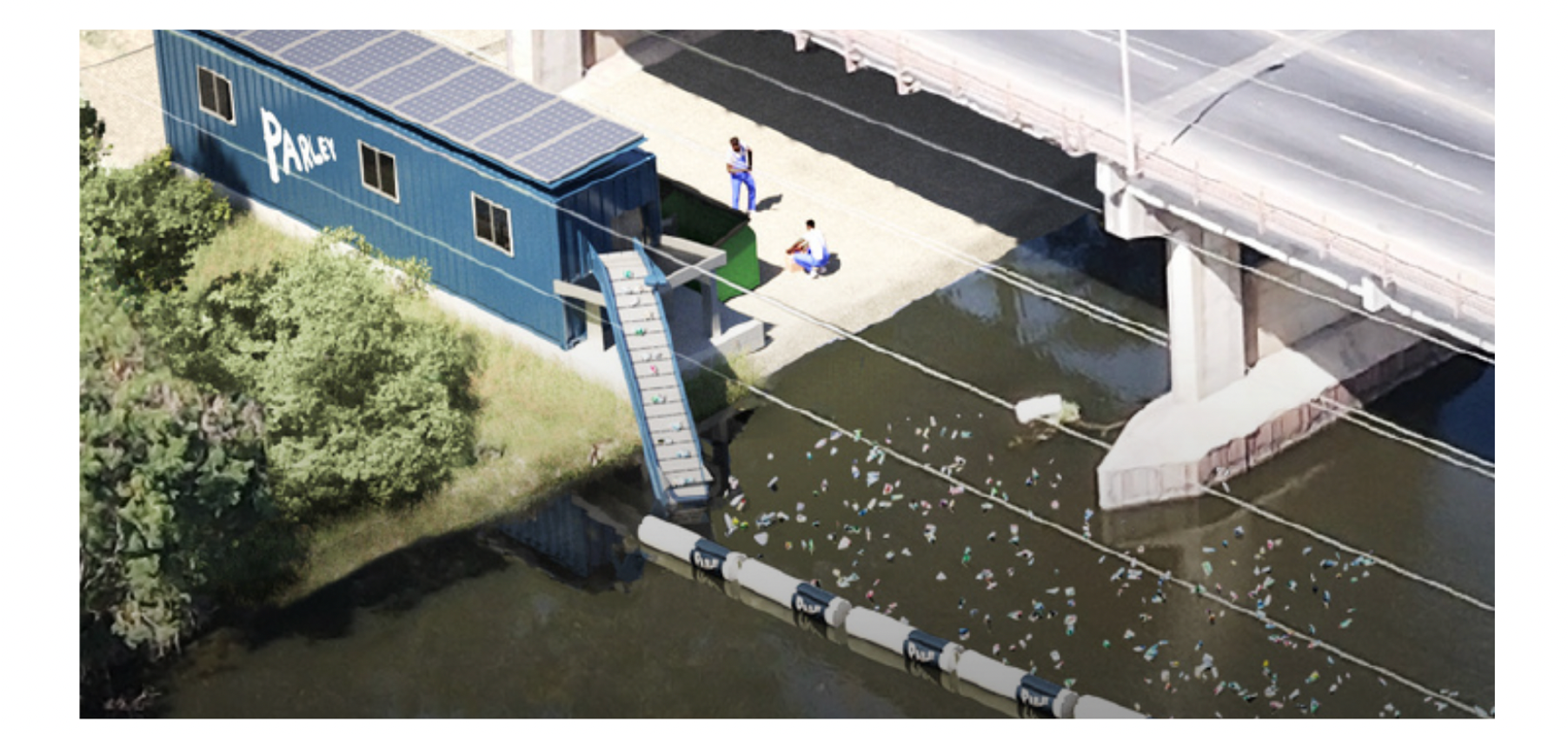
NbS9_Ozama River PROMAR Dominican Rep

System Efficiency: Ensuring that barriers effectively capture plastic without obstructing natural water flow or harming aquatic life.

Maintenance: Regular cleaning and maintenance of the waste capture systems can be labour-intensive and costly.

Scalability: Designing solutions that work effectively across different river sizes, flow rates, and pollution levels.

Waste Disposal: Collected plastic waste must be processed sustainably; otherwise, it may contribute to pollution elsewhere.

Extreme Weather Events: Floods, storms, may damage or overwhelm the system.

Improved Water Quality

Reduction in levels of plastic and other pollutants in river water (measured in microplastics per liter).

Reduced Flood Risk

Reduction in debris-related blockages in rivers and drainage systems.Frequency and severity of flood events in areas where systems are implemented.

Improved Public Health

Reduction in waterborne diseases linked to plastic pollution (e.g., gastrointestinal illnesses).

Job Creation

Number of new jobs created in system maintenance, recycling, and community outreach.

Community Engagement

Increase in public awareness about plastic pollution (surveys or educational event attendance).

Direct Costs

System design, materials ,installation, operational costs and maintenance : $42,500 /barrier.

Indirect Costs

Administrative and Regulatory Compliance.

Time Horizon

Short-Term: 1-2 years (installation, testing, early benefits)

Long-Term: 5-10 years or more (sustainability, scaling, and long-term impact).

Direct Benefits

Reduction in plastic waste, cleaner waterways, job creation.

Indirect Benefits

Biodiversity protection, flood risk reduction, improved public health.

Risk Assessment

System malfunction or inefficiency, harm to aquatic life.

REFERENCES

Belgium, Scheldt river, floating barrier intercepting plastic debris.

Dominican republic, Ozama river, river booms intercept solid waste.

Indonesia, Bandung, Cikapunding river cleanup


IMPLEMENTATION OPPORTUNITIES

Indonesia, Bengawan Solo River (Central and East Java) faces severe plastic pollution issues.

Philippines, Metro Manila, Pasig River, is heavily polluted, with plastics.