
Marine Sedimentation Basins For Bioturbation

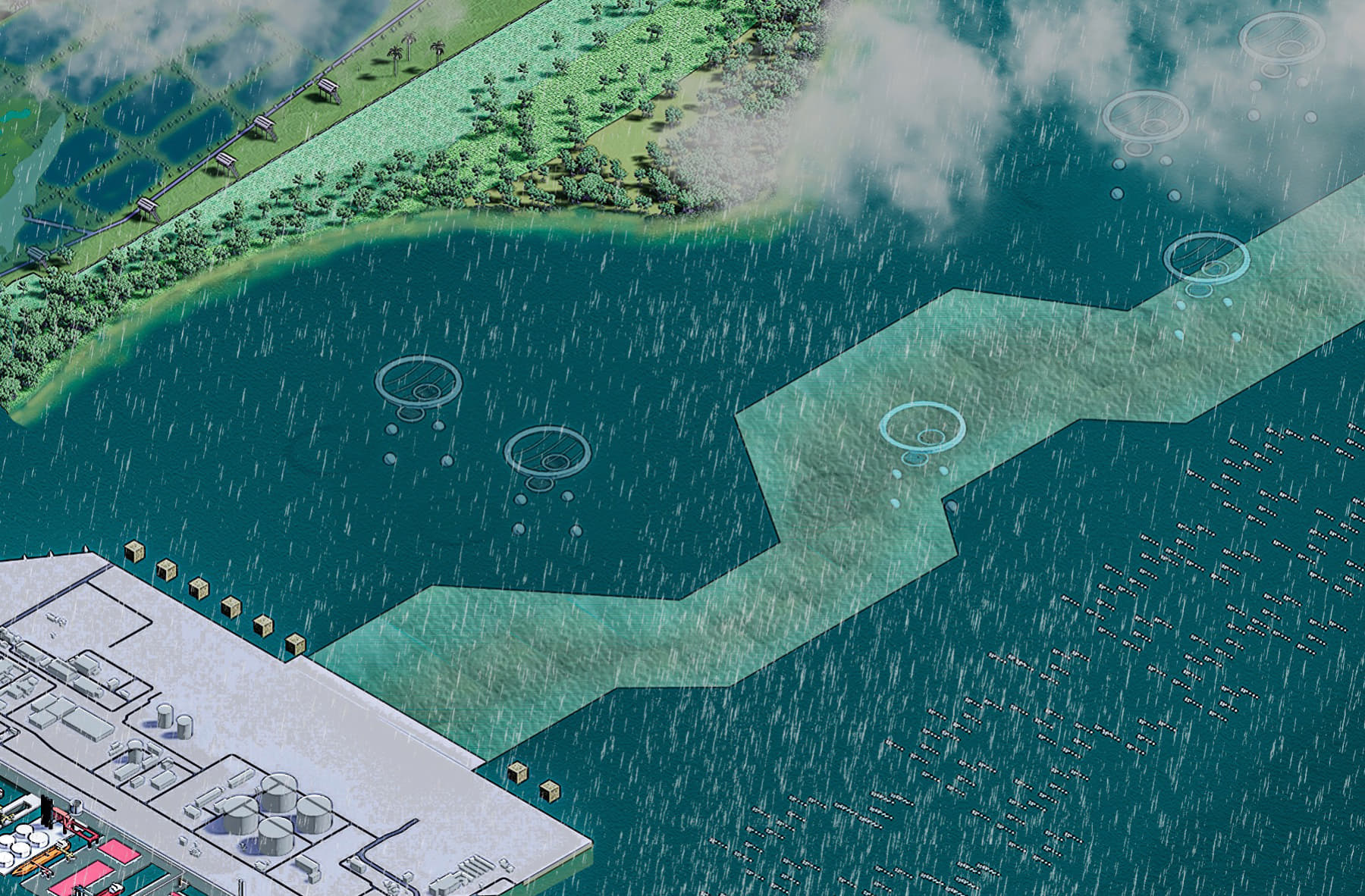
Marine Sedimentation Basins for Bioturbation play a crucial role in enhancing ecosystem health by promoting and supporting bioturbation, the process of sediment mixing and redistribution by benthic organisms.

These basins are strategically located to create low-energy environments where fine sediments accumulate, fostering the settlement of burrowing organisms such as worms, mollusks, crustaceans, and certain fish species. By stabilizing the substrate and preventing erosion, these basins create conditions suitable for the colonization of bioturbators, facilitating habitat restoration and long-term stability.

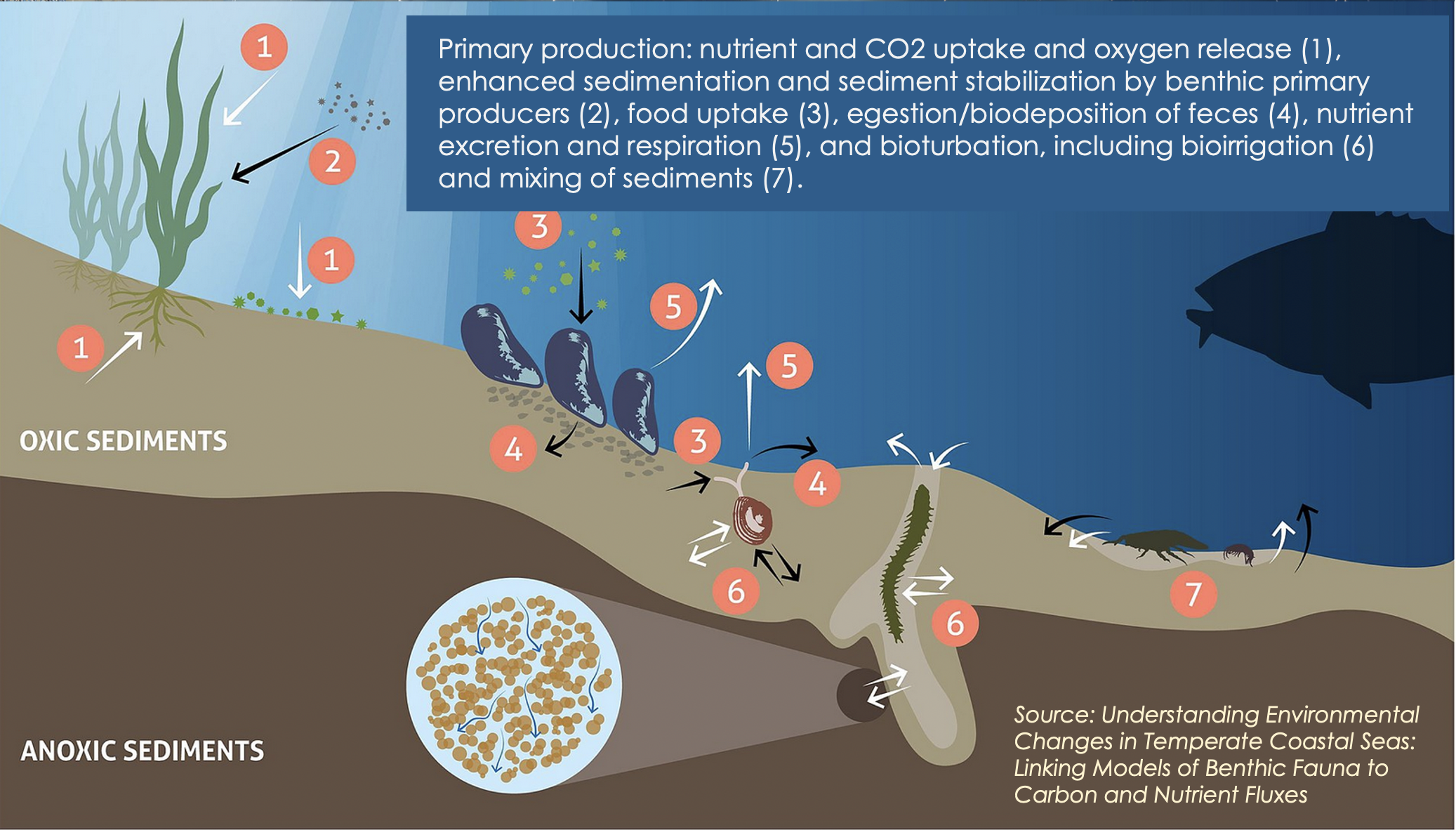
As organisms burrow and move through sediment layers, they introduce oxygen from the water column into deeper layers, enhancing nutrient recycling and increasing the availability of critical nutrients like nitrogen and phosphorus. This process supports primary productivity in surrounding ecosystems and promotes biodiversity by providing sheltered, food-rich habitats for benthic fauna.

In addition, bioturbation helps reduce the build-up of toxic compounds such as hydrogen sulfide, contributing to the detoxification and improvement of sediment quality. Furthermore, as these organisms feed and burrow, they redistribute sediment particles, which enhances sediment porosity and permeability, improving sediment-water interactions and overall ecosystem health.


  • Sediment management
  • Habitat restoration and protection
  • Nutrient cycling
  • Biodiversity enhancement
  • Water quality enhancement
Biodiversity Loss Biodiversity Loss
Flood Control Flood Control

SUPPORTING

  • Provides a stable habitat for benthic organisms, fostering species diversity and promoting ecological balance.

REGULATING

  • Traps fine sediments and prevents erosion, helping to stabilize the substrate and reduce sedimentation.
  • Facilitates the breakdown of toxic compounds (hydrogen sulphide) enhancing water quality.

PROVISIONING

  • Enhances nutrient cycling in coastal ecosystems, enriching nutrient availability for primary productivity and supporting marine food webs.

SOCIAL BENEFITS

  • Supports asustainable marine and fisheries management by enhancing habitat quality and maintaining ecosystem services, which can contribute to local livelihoods and food security.
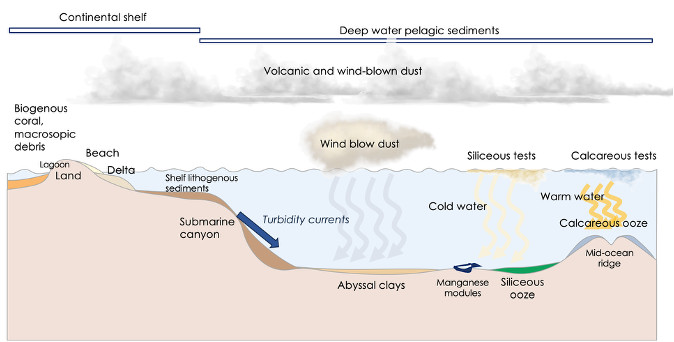
NbS69_Environmental Changes in Temperate Coastal Seas
NbS69_Marine Primary Production_ Legends

Sediment Contamination: High levels of pollutants in fine sediments may negatively impact bioturbation processes and disrupt ecosystem functions.

Climate Change Impact: Rising sea levels and increased storm intensity may alter sediment dynamics, affecting the stability and effectiveness of sedimentation basins.

Benthic Species Vulnerability: Overfishing and habitat degradation may reduce populations of benthic organisms essential for bioturbation.

Design and Maintenance Challenges: Incorrectly designed basins or poor maintenance can lead to insufficient sediment trapping or siltation.

Improved Water Quality

Reduction in turbidity levels and improved oxygenation, measured by lower levels of suspended solids and higher dissolved oxygen.

Enhanced Biodiversity

Increased species richness and diversity of benthic organisms, indicated by higher numbers of burrowing species and other bioturbators within the sediment.

Nutrient Cycling

Improved nutrient availability for marine habitats.

Coastal Erosion Mitigation

Stabilization of coastal sediments, with a decrease in erosion rates as measured by sediment retention in the basin.

Sediment Detoxification

Reduction in toxic substances such as hydrogen sulphide, with improvements in sediment quality.

Resilience to Climate Change

Increased resilience to extreme weather events, with improved sediment health and stability.

Direct Costs

Construction including dredging, materials, and labor, could range from USD 500k to USD 2 M

Indirect Costs

Monitoring, environmental assessments, and additional infrastructure for ecosystem monitoring to be estimated.

Time Horizon

Returns on investment could be 10-20 years, with a discount rate typically ranging from 5% to 8% for long-term projects.

Direct Benefits

Improved water quality, fisheries, and tourism

Indirect Benefits

Enhanced ecosystem resilience, biodiversity improvements, and reduced maintenance dredging

Risk Assessment

Potential risks involve system failure due to poor design or maintenance, which could lead to additional costs for remediation and damage control..

REFERENCES

Australia, Queensland, Great Barrier Reef Marine Park, Sediment load management from agricultural runoff, reduction of the sedimentation pressure on the reefs.

Vietnam, Mekong Delta Sediment Management Program.

IMPLEMENTATION OPPORTUNITIES

Vietnam, Da Nang, Haiphong, Ports and estuaries.

Indonesia, Surabaya and Medan Port Areas to address port dredging and river sedimentation.