
Landfill Regeneration Park

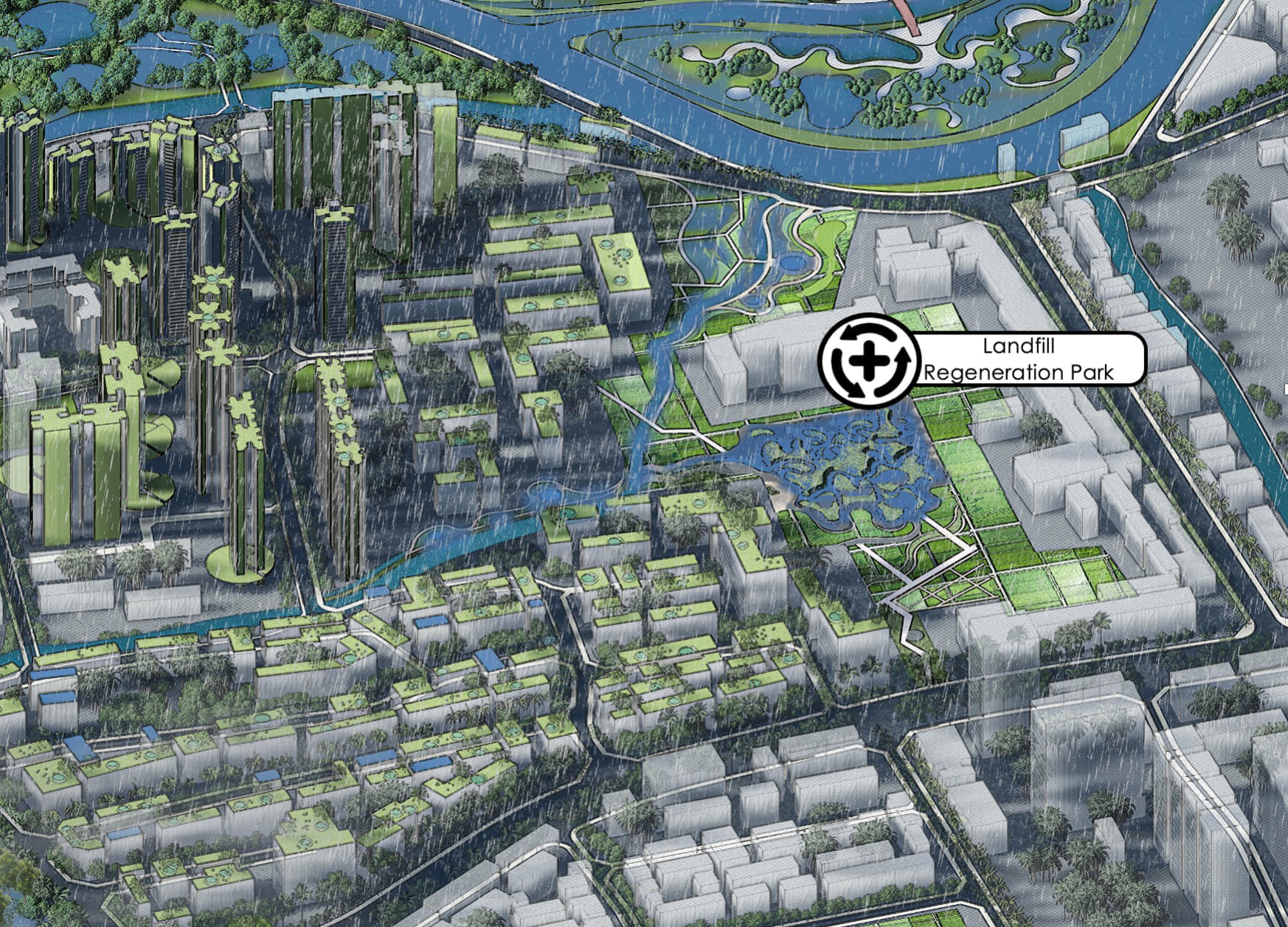
A landfill regeneration park is an innovative NbS that transforms decommissioned or underused landfills into multifunctional green spaces, addressing soil remediation, urban heat island mitigation, biodiversity restoration, flood resilience, and waste management challenges.

Technically, these parks utilize engineered soil layers and phytoremediation with native plants to stabilize contaminated land, sequester pollutants, and restore degraded ecosystems. Their design can integrate urban forests, wetlands, and recreational spaces that enhance local biodiversity, absorb stormwater, and reduce flood risks, while cooling urban areas and mitigating heat stress.

Contextually, landfill regeneration parks can be adapted to cities and industrial zones, offering new uses for otherwise unutilized land near transport infrastructure or densely populated areas.

Socially and economically, they provide accessible green spaces, improve public health, create jobs in park management and environmental monitoring, and enhance property values around the regenerated sites. Lessons from existing projects demonstrate their potential to combine ecological restoration with community engagement, creating resilient, vibrant urban ecosystems.


  • Phytoremediation
  • Water sensitive urban design
  • Green infrastructure
  • Climate adaption and mitigation
  • Habitat restoration
Biodiversity Loss Biodiversity Loss
Flood Control Flood Control
Urban Heat Island and Air Quality Improvement Urban Heat Island and Air Quality Improvement

SUPPORTING

  • Soil regeneration through phytoremediation and organic matter accumulation.
  • Habitat creation for native flora and fauna, fostering biodiversity.

REGULATING

  • Stormwater retention and filtration to mitigate flood risks.
  • Reduction of urban heat island effects through vegetation cover.

PROVISIONING

  • Renewable resources such as compost from organic waste treatment.
  • Provision of green spaces for urban agriculture or community gardening.

SOCIAL BENEFITS

  • Creation of recreational and cultural spaces for community engagement.
  • Enhanced public health through improved air quality and access to green areas.
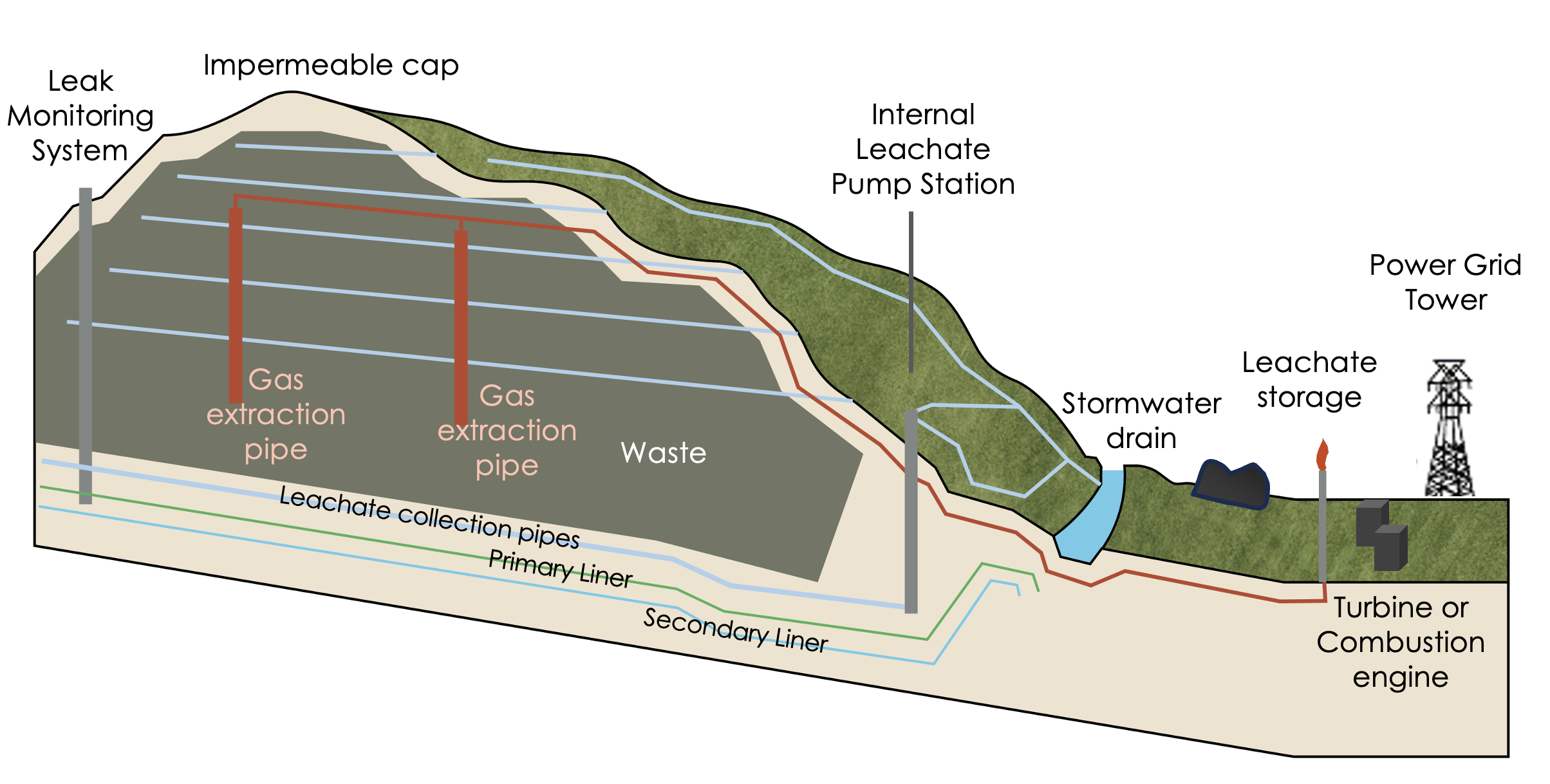
NbS31_3D section Landfill
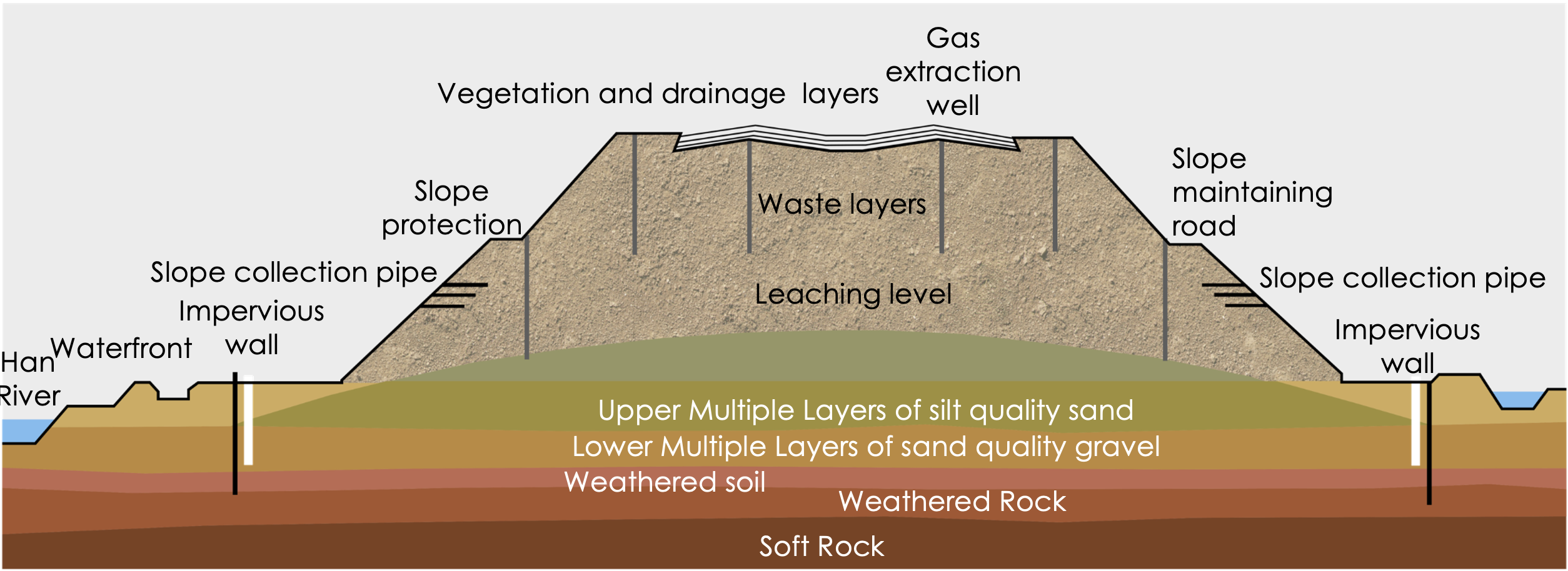
NbS31_Nanjido Ecological Park Section
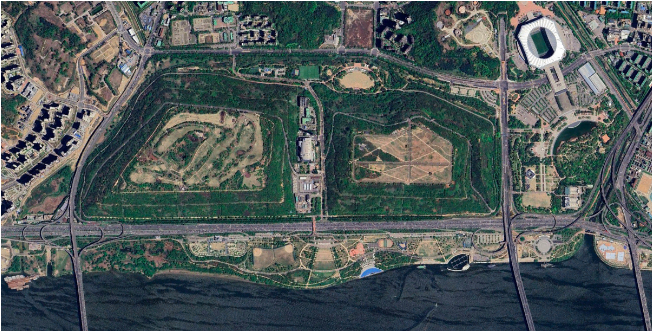
NbS31_Nanjido Park Aerial View

Soil Contamination Risks: Legacy pollutants in landfill soils may require costly remediation and careful management to ensure safe regeneration.

Climate Suitability: High rainfall in the region can cause leachate issues, increasing the risk of groundwater contamination if not adequately addressed.

Maintenance and Monitoring: Long-term upkeep of vegetation and infrastructure, especially in tropical climates, can be resource-intensive and challenging.

Biodiversity Restoration

Increase in native plant species diversity, measured by the number of species introduced and thriving in the park.

Urban Heat Island Mitigation

Reduction in surface temperatures, monitored through thermal imaging before and after park development.

Flood Resilience

Improved stormwater absorption, indicated by reduced runoff volume during rainfall events.

Community Well-being

Increased park usage for recreation, tracked through visitor surveys or footfall counts.

Carbon Sequestration

Enhanced carbon storage, quantified by the biomass growth of trees and vegetation over time.

Waste Management Awareness

Greater community engagement in recycling programs, assessed through participation rates in park-led waste education initiatives.

Direct Costs

Site remediation, vegetation, and infrastructure development cost around $300k–$1M/ha, depending on contamination levels and park design.

Indirect Costs

Maintenance and community engagement programs add $20k–$50k annually per hectare.

Time Horizon

Project benefits typically span 20–50 years with a discount rate of 5–7%.

Direct Benefits

Increased land value and recreational revenue yield up to $50k–$100k/ha annually , depending on urban proximity and park facilities.

Indirect Benefits

Flood control, air quality improvement, and carbon sequestration.

Risk Assessment

Potential cost overruns due to unforeseen contamination issues or community opposition.

REFERENCES

South Korea, Sudokwon Landfill Site: multifunctional ecological park with wetlands, recreational areas, and renewable energy generation facilities.

Singapore, Kallang Riverside Park: The project park illustrates innovative reuse of degraded or industrial land for urban green space.

IMPLEMENTATION OPPORTUNITIES

Philippines, Manila, Smokey Mountain: Historical dumpsite to be transformed into a green park for flood mitigation, biodiversity restoration, and recreational use.

Indonesia, Jakarta, Bantar Gebang: The region’s largest landfill could host a regeneration project to mitigate urban heat islands, improve water retention, and become an urban green space.