
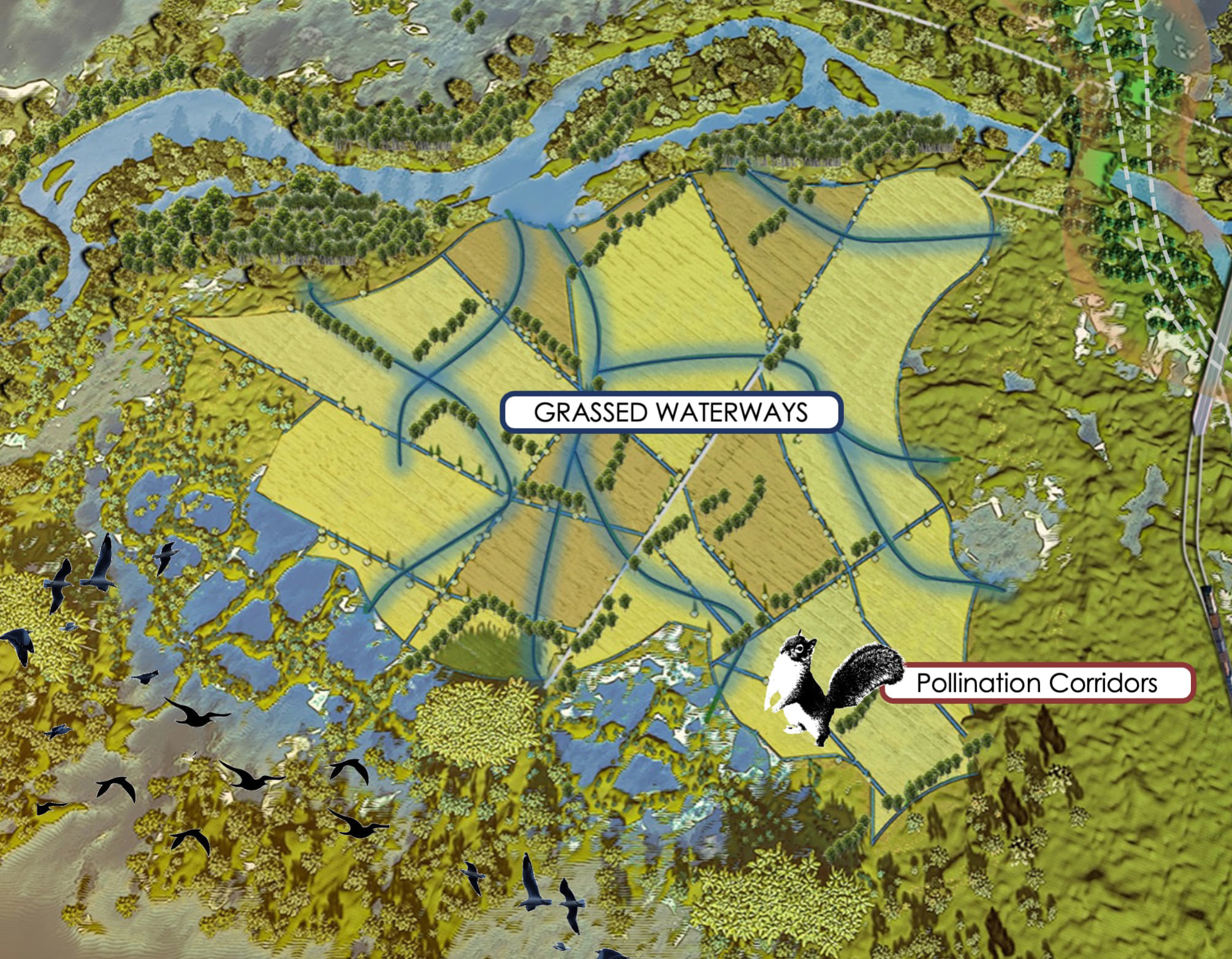
Grassed Waterways

Grassed waterways are gently sloped, vegetated channels are designed to direct surface water runoff, reducing soil erosion, sedimentation, and nutrient loss while fostering water infiltration into the soil.

They address regenerative agriculture, flood management, and biodiversity preservation in Southeast Asia, particularly in regions prone to soil erosion and water runoff, such as the Mekong River Basin. Technically, they enhance landscape permeability and act as natural drainage systems, minimizing flood risks during heavy rainfall.

Ecologically, grassed waterways create wildlife corridors that support biodiversity by connecting fragmented habitats and providing cover for small animals and pollinators.

Socially, they promote sustainable farming practices by stabilizing soils and improving water quality, contributing to food security and community resilience. Grassed waterways not only support healthy ecosystems but also offer aesthetic and recreational benefits, strengthening the link between human activity and natural landscapes.


  • Erosion control & soil conservation
  • Agroecology
  • Habitat restoration
  • Integrated water management
  • Climate smart landscapes
  • Green infrastructure
Soil Erosion Soil Erosion
Disaster Risk Reduction Disaster Risk Reduction
Flood Control Flood Control
Food Security Food Security

SUPPORTING

Enhancing soil fertility by reducing erosion and improving organic matter retention. Providing habitat for a variety of wildlife, fostering biodiversity and promoting ecosystem resilience.

REGULATING

Reducing surface water runoff and helps manage flood risks by allowing water to slowly infiltrate the ground. Filtering water, improving water quality by trapping sediments, nutrients, and pollutants.

PROVISIONING

Supporting agricultural productivity by maintaining healthy soils and improving water retention for crops.

SOCIAL BENEFITS

Enhancing community resilience to floods, promoting sustainable livelihoods for farmers and local populations. Offering recreational and educational opportunities, improving the quality of life and fostering environmental awareness.

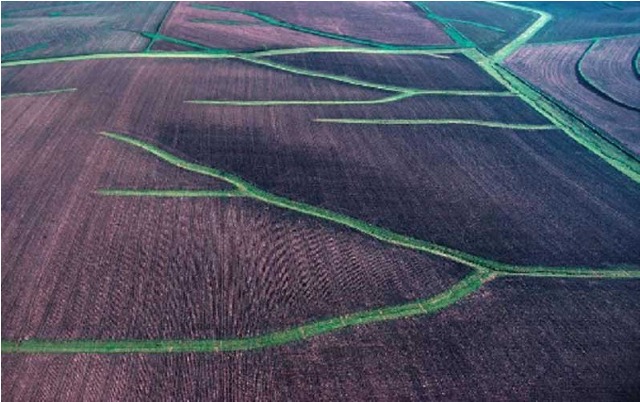
NbS36_Aerial View Grassed Waterway 01
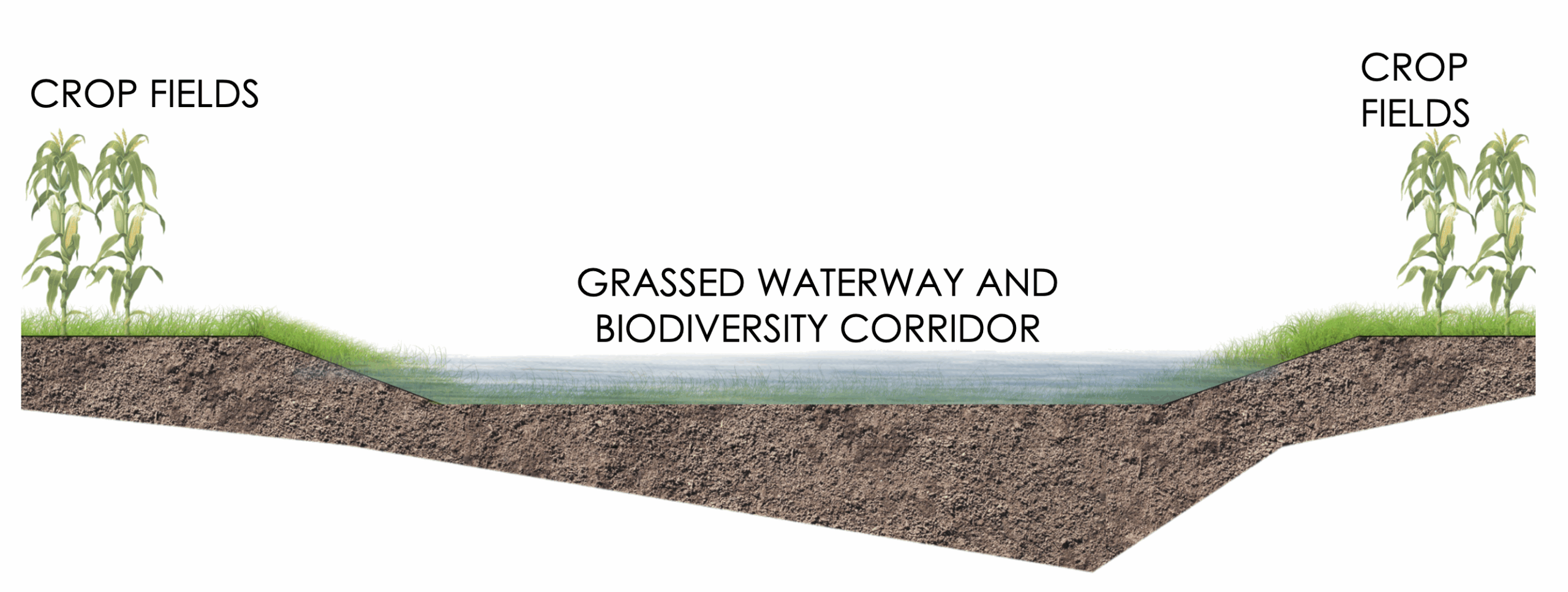
NbS36_Grassed Waterway Section
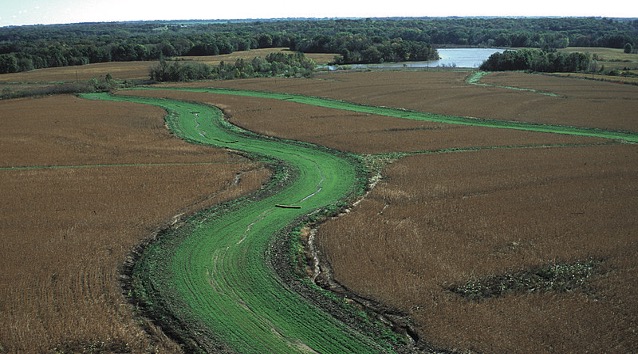
NbS36_Grassed Waterway View 02

Land competition and availability: Grassed waterways require significant land areas, which might conflict with other agricultural or development needs.

Maintenance and management: Regular maintenance is essential to prevent clogging and overgrowth, and may be challenging in areas with limited access to skilled labor or resources.

Initial costs: Implementing grassed waterways can have high upfront costs, especially for large-scale applications.

Climate variability: Grassed waterways may be less effective in areas with extreme weather patterns, such as intense droughts or heavy floods, which can affect their stability and efficiency.

Improved Water Quality:

Reduction in sediment and nutrient runoff entering water bodies, measured by water quality improvement metrics.

Enhanced Soil Retention, Erosion Control

Decrease in soil erosion rates, assessed by soil loss monitoring and visual observation.

Increased Biodiversity

Increased number of species in adjacent areas, measured through biodiversity indices or species count surveys.

Flood Mitigation

Reduced peak flow and faster water infiltration, measured by hydrological monitoring and flood risk assessments.

Improved Agricultural Productivity

Higher crop yields and soil fertility, measured by yield data and soil nutrient levels.

Social Benefits and Community Engagement

Increased community participation in conservation activities, tracked through local project engagement and volunteer records.

Direct Costs

Initial establishment costs for grassed waterways range from $1,000 to $3,000/ha, including seed, labor, and equipment.

Indirect Costs

Opportunity costs for land use change and maintenance are estimated at $100 to $300/ha annually.

Time Horizon

Typically assessed over a 20-year horizon with a discount rate of 5–7%.

Direct Benefits

Grassed waterways could provide benefits of $500 to $1,500/ha annually through increased agricultural productivity.

Indirect Benefits

Improved water quality and biodiversity enhancement could contribute $200 to $800/ha annually in non-market benefits.

Risk Assessment

Poor maintenance, invasive species, and extreme weather impacts, which could lead to up to 30% additional re-establishment costs.

REFERENCES

Indonesia, East Java, Kali Konto Watershed Management Project.

Nepal, Narayani River Watershed Project.

Australia, Murray-Darling Basin Project.

IMPLEMENTATION OPPORTUNITIES

Philippines, Laguna de Bay Watershed.

Thailand, Chao Phraya Basin.

Indonesia, East Kalimantan post-mining landscapes.