
Forest Fire Management

Preventive forest fire and post-fire management as a Nature-based Solution (NbS) aims to integrate technical, landscape, and community-driven approaches to reduce fire risks, restore ecosystems, and enhance resilience to climate change. Techniques include the establishment of firebreaks using native vegetation, controlled burning to reduce fuel loads, and the use of soil moisture-enhancing measures, such as rewetting degraded peatlands to prevent ignition.

Socially, engaging local communities through participatory fire monitoring, traditional fire knowledge, and alternative livelihood programs reduces slash-and-burn practices. Contextually, such strategies are vital for fire-prone regions like Indonesia’s peatlands and Myanmar’s dry forests, where forest fires exacerbate biodiversity loss and greenhouse gas emissions.

Economically, preventive fire management reduces disaster response costs and enhances ecosystem services like carbon sequestration, water regulation, and agroforestry productivity, while post-fire actions focus on soil stabilization, reforestation with fire-resistant species, and biodiversity recovery.

By addressing both mitigation and adaptation, forest fire management as an NbS contributes to sustainable landscapes, improved livelihoods, and long-term climate resilience in the region.


  • Fire resilient ecosystem restoration
  • Agroforestry practices
  • Landscape connectivity
  • Community based fire monitoring
  • Sustainable watershed management
Soil Erosion Soil Erosion
Biodiversity Loss Biodiversity Loss
Disaster Risk Reduction Disaster Risk Reduction
Carbon Sequestration Carbon Sequestration
Air Quality Improvement Air Quality Improvement

SUPPORTING

  • Biodiversity support: Enhancing habitat quality and connectivity by restoring fire-damaged ecosystems with native species.

REGULATING

  • Carbon sequestration: Preventing forest fires reduces GHG, while post-fire reforestation captures carbon over time.
  • Microclimate regulation: Maintaining forest cover stabilizes local temperatures and humidity, reducing the risk of fire-prone conditions.

PROVISIONING

  • Sustainable timber and non-timber products: Promoting fire-resilient forest management ensures long-term availability of forest resources such as wood, resin, and medicinal plants.

SOCIAL BENEFITS

  • Disaster risk reduction for communities: Reducing fire incidents protects livelihoods, settlements, and agricultural lands from destruction.
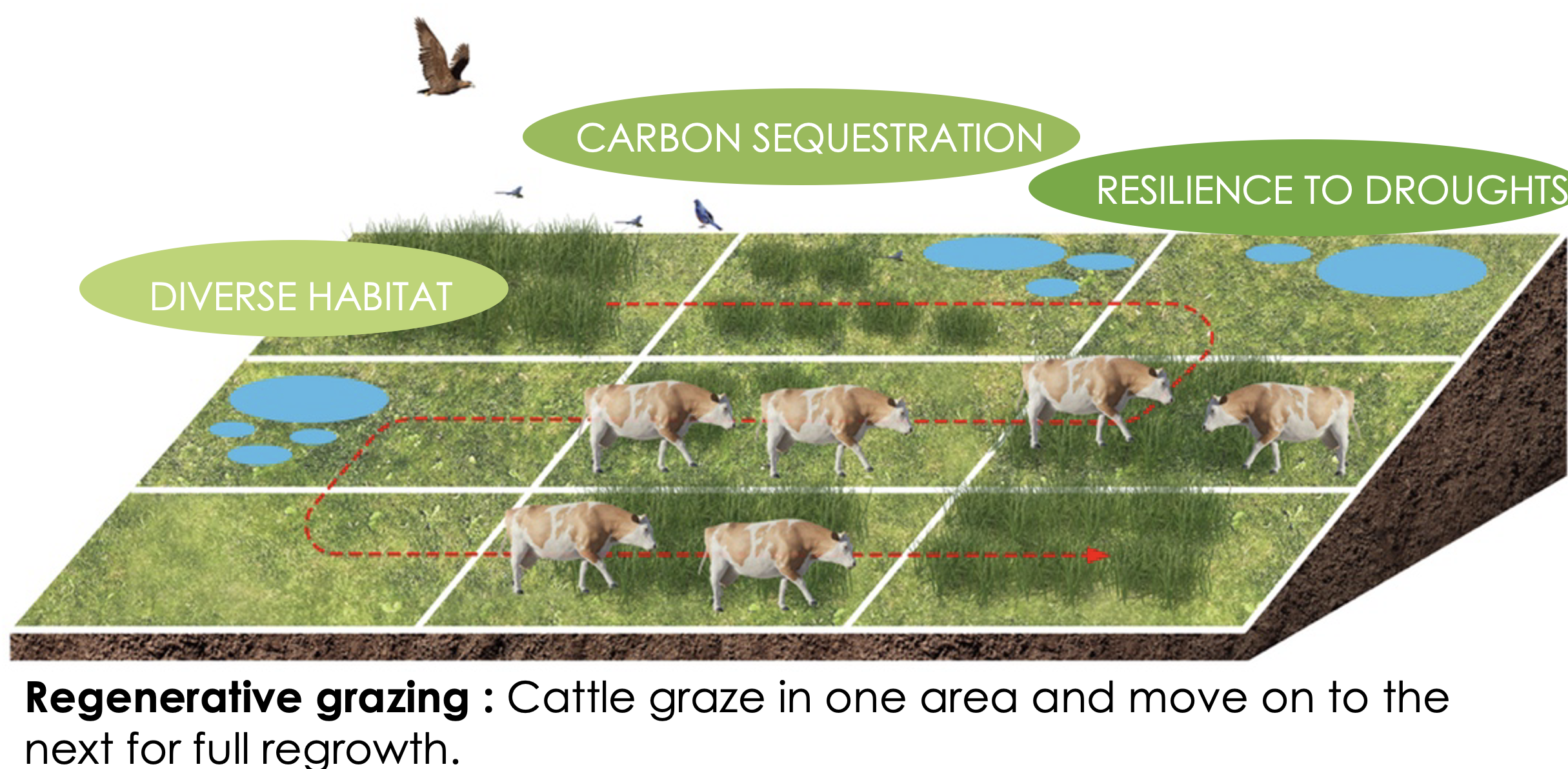
NbS58_Regenerative Grazing
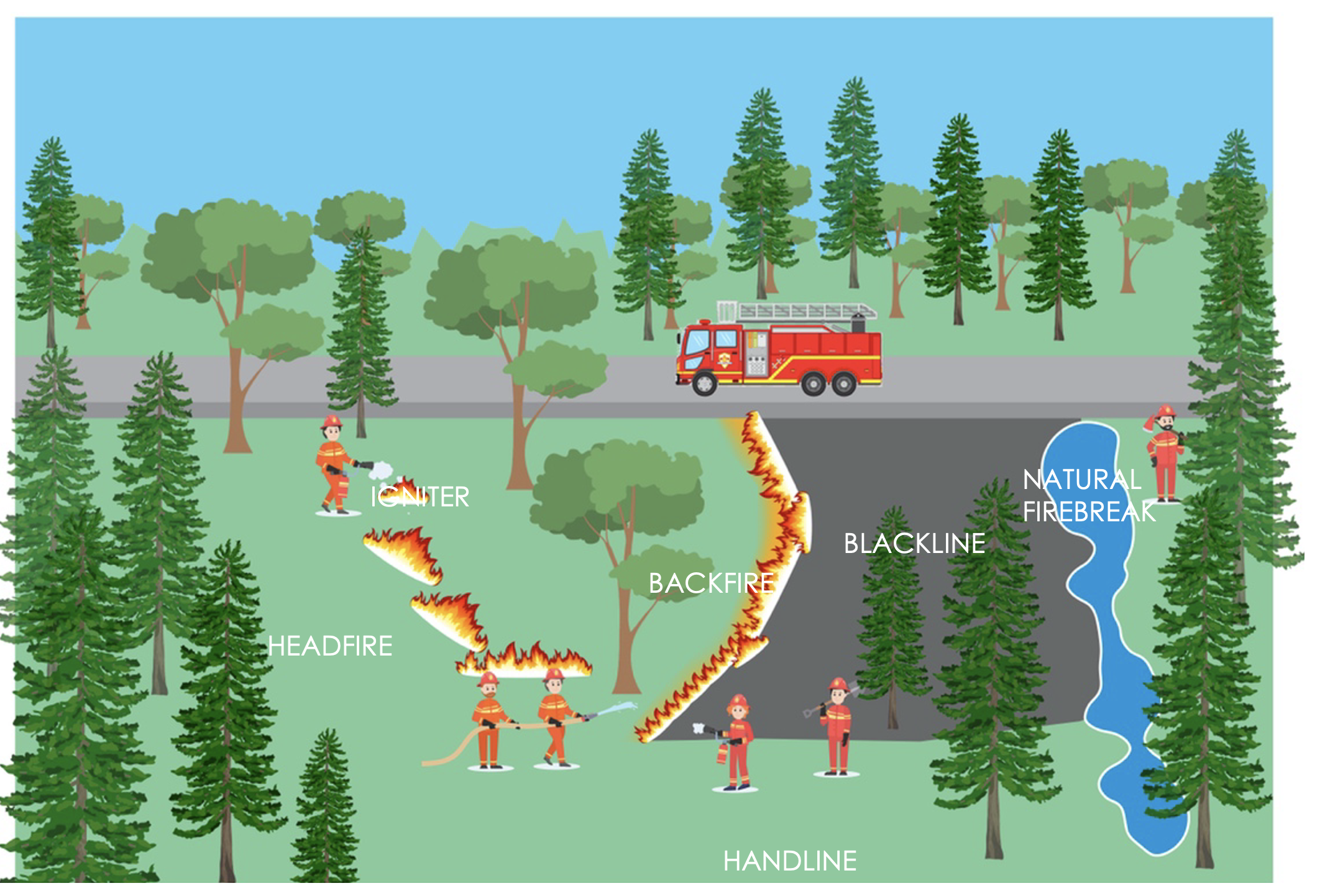
NbS58_Controlled Burn

Limited Community Capacity: Many local communities lack the training and resources for effective fire prevention, monitoring, and management.

Illegal Land Clearing Practices: Unregulated slash-and-burn agriculture often undermines fire management efforts and increases fire risks.

Climate Variability: Prolonged droughts and extreme weather events intensify fire risks and challenge long-term management strategies.

Cross-Border Fire Spread: Transboundary haze pollution from uncontrolled fires in neighbouring regions complicates coordinated fire management efforts across Southeast Asia.

Biodiversity Conservation

Reduced fire incidences help protect habitats for endangered species, measured by stable or increasing wildlife populations.

Carbon Sequestration

Lower fire activity maintains forest carbon stocks, indicated by reduced carbon emissions in affected areas.

Improved Air Quality

Effective fire control reduces haze and particulate matter, reflected in lower PM2.5 levels in regional air quality indices.

Enhanced Water Regulation

Forests preserved from fires improve watershed health, measured by stable water flow and reduced sedimentation in rivers.

Community Livelihoods

Reduced fire damage protects agroforestry and forest-based economies, indicated by stable income levels for forest-dependent communities.

Disaster Risk Reduction

Fire management lowers risks of soil erosion and land degradation, measured by reduced post-fire landslide occurrences.

Direct Costs

Implementation costs include equipment, personnel, and training, typically ranging from $150–$500/ha/year

Indirect Costs

Opportunity costs of restricted land use or reduced logging can range from $50–$200/ha.

Time Horizon

Long-term benefits accrue over 10–20 years, with a discount rate of 5–8%

Direct Benefits

Avoided losses in timber, biodiversity, and ecosystem services

Indirect Benefits

Improved air quality and public health

Risk Assessment

Potential risks include funding gaps and community non-compliance

REFERENCES

The Heart of Borneo Initiative, forest management through community engagement and creating firebreaks, Indonesia.

Peatland Restoration Project, Sarawak, Malaysia

Forest Fire Prevention and Control Program, Northern Thailand

IMPLEMENTATION OPPORTUNITIES

Sumatra and Kalimantan forests, Indonesia

Chiang Mai Province, Thailand

Central HighVlands, Vietnam