
Ecological Bridges And Underpasses

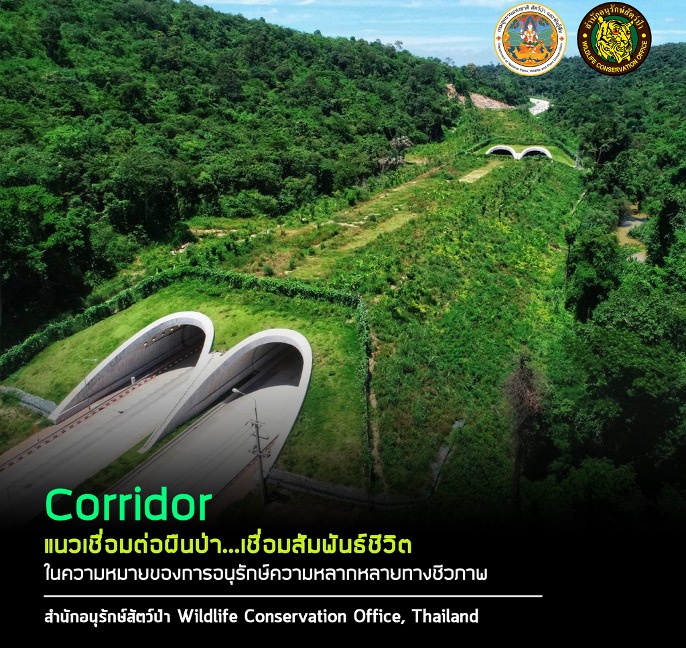
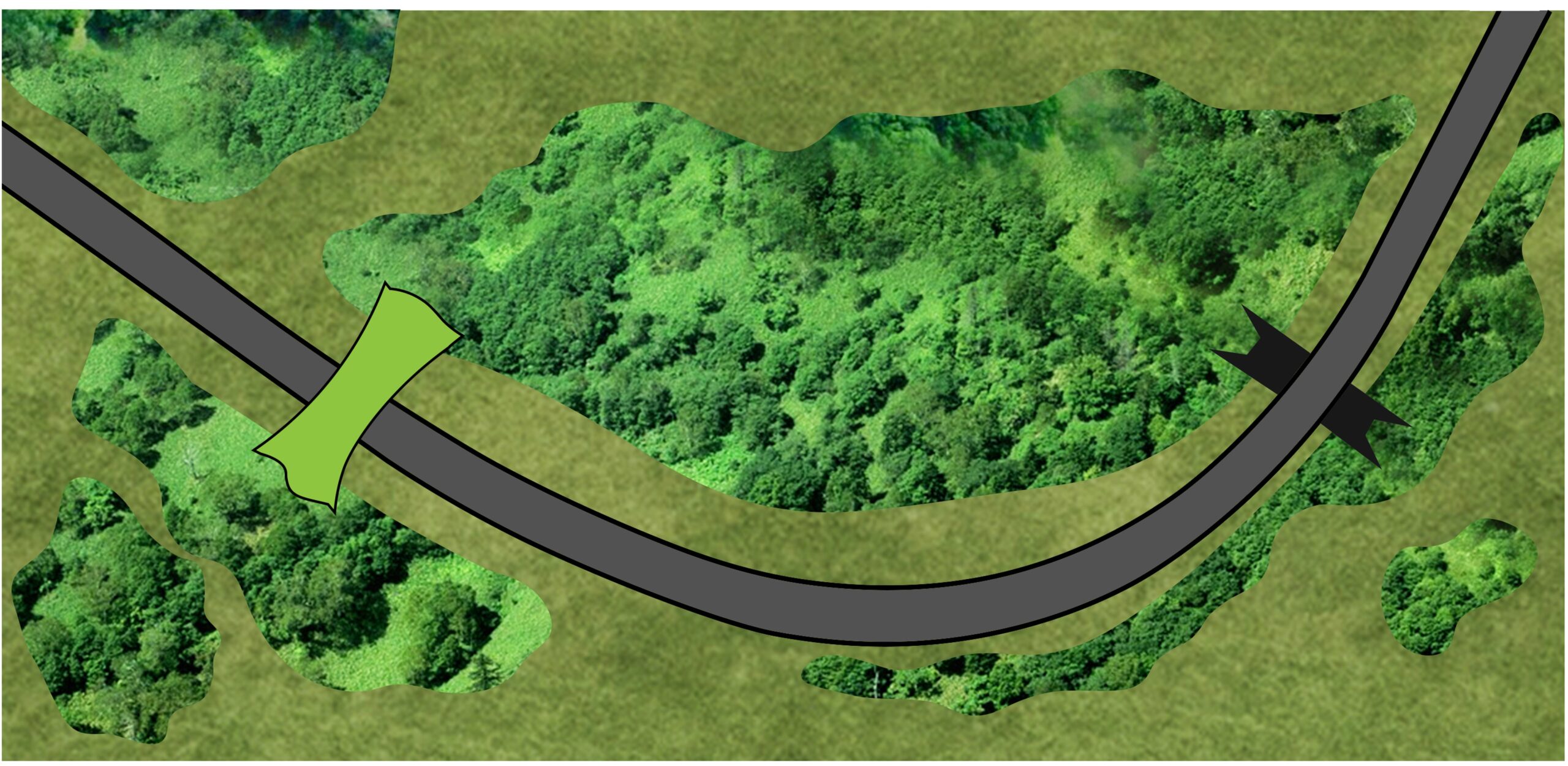
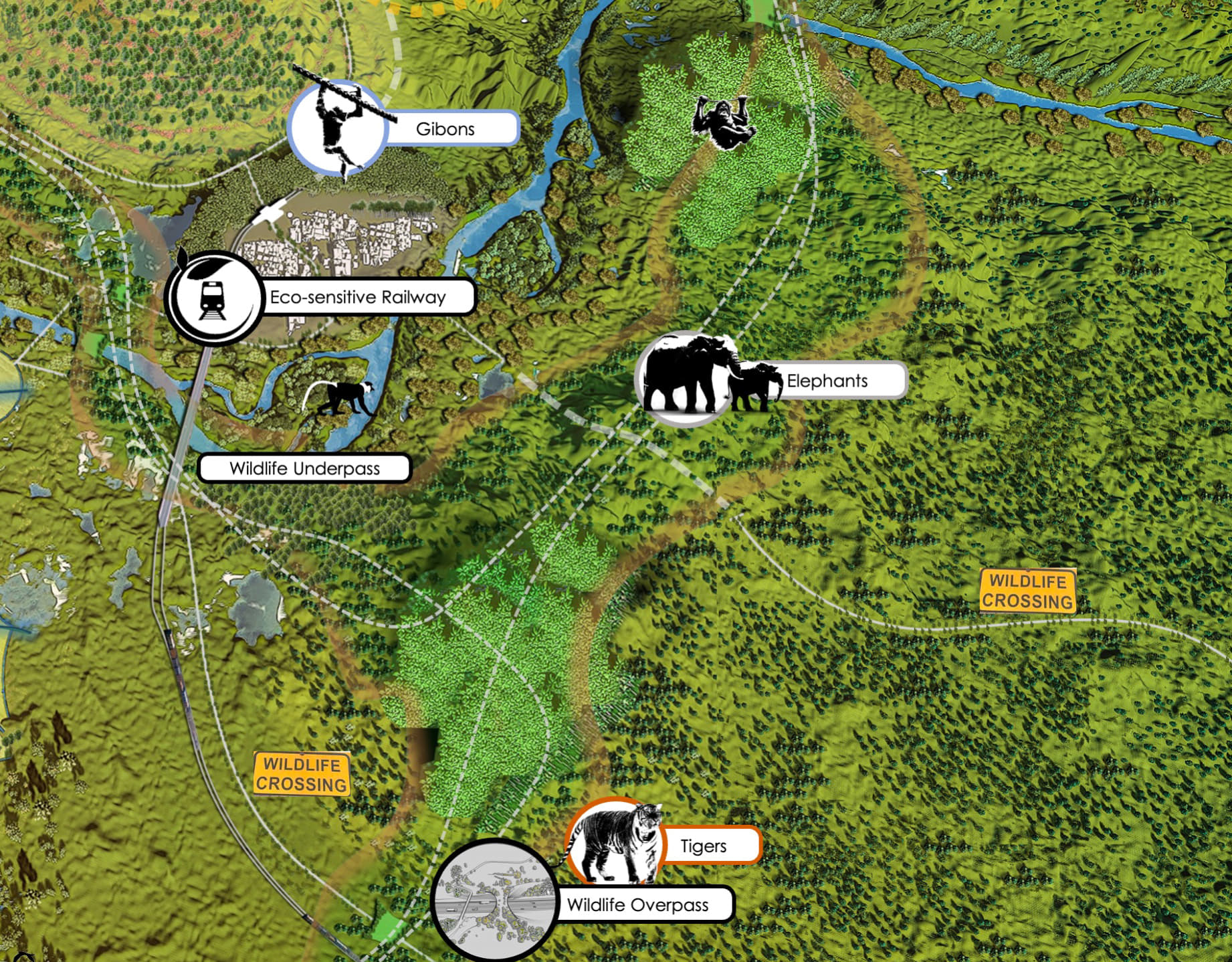
Ecological bridges and underpasses help address the fragmentation of habitats caused by roads, railways, canals, and urban areas, which hinder the mobility of wildlife species such as tigers, elephants, orangutans, and gibbons.

These green infrastructures facilitate safe wildlife movement across human-made barriers, ensuring connectivity between critical habitats, reducing roadkill incidents, and supporting the survival of endangered species. Ecological bridges, often elevated or with green vegetation, allow animals to cross above roads, while underpasses or tunnels provide safe passage beneath highways and railways, ensuring uninterrupted movement for a variety of species.

These solutions are crucial in regions where rapid urbanization and infrastructure development threaten biodiversity. The primary function of ecological bridges and underpasses is to restore habitat connectivity, enabling wildlife to access food, breeding, and migration routes. These structures enhance biodiversity conservation, mitigate human-wildlife conflicts, and support ecosystem health by promoting genetic diversity through safe species movement.

Additionally, they provide social and economic benefits by improving wildlife conservation, which boosts ecotourism and local livelihoods, while reducing the costs associated with road accidents involving animals.


  • Ecosystem connectivity
  • Wildlife conservation
  • Habitat restoration
  • Biodiversity enhancement
  • Ecosystem health
  • Human wildlife conflict mitigation
Biodiversity Loss Biodiversity Loss
Air Quality Improvement Air Quality Improvement
Carbon Sequestration Carbon Sequestration

SUPPORTING

  • Habitat connectivity: Facilitate safe passage for wildlife across fragmented landscapes.
  • Biodiversity preservation by enabling migration and genetic exchange.

REGULATING

  • Mitigating roadkill by preventing animals from crossing roads and highways.
  • Climate resilience: Help maintain the movement of species necessary for adapting to changing climate conditions and ecosystems.

PROVISIONING

  • By maintaining habitat connectivity, they ensure the continued availability of ecosystem services like pollination and seed dispersal.
  • Access to resources and breeding areas without crossing dangerous human-made barriers.

SOCIAL BENEFITS

  • Reduced human-wildlife conflict: Lower the risks to human life
  • Ecotourism opportunities: Promote wildlife viewing and education by highlighting successful conservation efforts.
NbS60_Overpass Infra Elephants Thailand
NbS60_Overpass Underpass Wildlife

High construction costs: Significant investment required in infrastructure and design tailored to local wildlife needs.

Maintenance challenges: Regular upkeep and monitoring of these structures can be resource-intensive, particularly in remote or forested areas with limited access.

Limited effectiveness in highly urbanized or fragmented environments: ecological bridges and underpasses may not be as effective in connecting wildlife habitats.

Risk of insufficient public and political support: Securing long-term funding and policy commitment for the construction and operation of these structures can be difficult without support from governments.

Biodiversity Enhancement

Monitoring animal movement and population recovery in areas adjacent to ecological bridges.

Reduced Wildlife Mortality 

A reduction in reported wildlife roadkill incidents along connected corridors.

Habitat Restoration

Improvement in vegetation cover and species diversity in restored areas around the bridges.

Climate Resilience

Increased resilience of wildlife populations to climate-induced habitat shifts.

Cultural and Ecological Awareness

Community engagement programs and increased local participation in wildlife monitoring and conservation activities.

Eco-Tourism

Growth in wildlife tourism and eco-tourism activities in regions with ecological bridge projects.

Direct Costs

Construction, materials, and labour usually range from $500k to $5M per structure.

Indirect Costs

Land acquisition, environmental assessments, and regulatory compliance costs could add 10-20% to the total project budget.

Time Horizon

Typically 30-50 years, with a discount rate of around 3-5% to account for long-term maintenance and benefits.

Direct Benefits

Reduced wildlife mortality and enhanced connectivity, generate savings due to fewer roadkill incidents and improved ecosystem services.

Indirect Benefits

Ecological bridges can significantly increase tourism revenue.

Risk Assessment

Risks include potential delays due to regulatory approvals, unforeseen environmental impacts, or construction challenges.

REFERENCES

Malaysia, Sunda Pangolin Ecological Bridge (Taman Negara National Park): Connecting fragmented habitats for endangered species.

India, Kerala, The Elephant Crossing, Western Ghats.

IMPLEMENTATION OPPORTUNITIES

Thailand, Khao Yai National Park.

Indonesia, Taman Nasional Bukit Barisan Selatan (Sumatra).

Cambodia, Cardamom Mountains.