
Constructed Wetlands

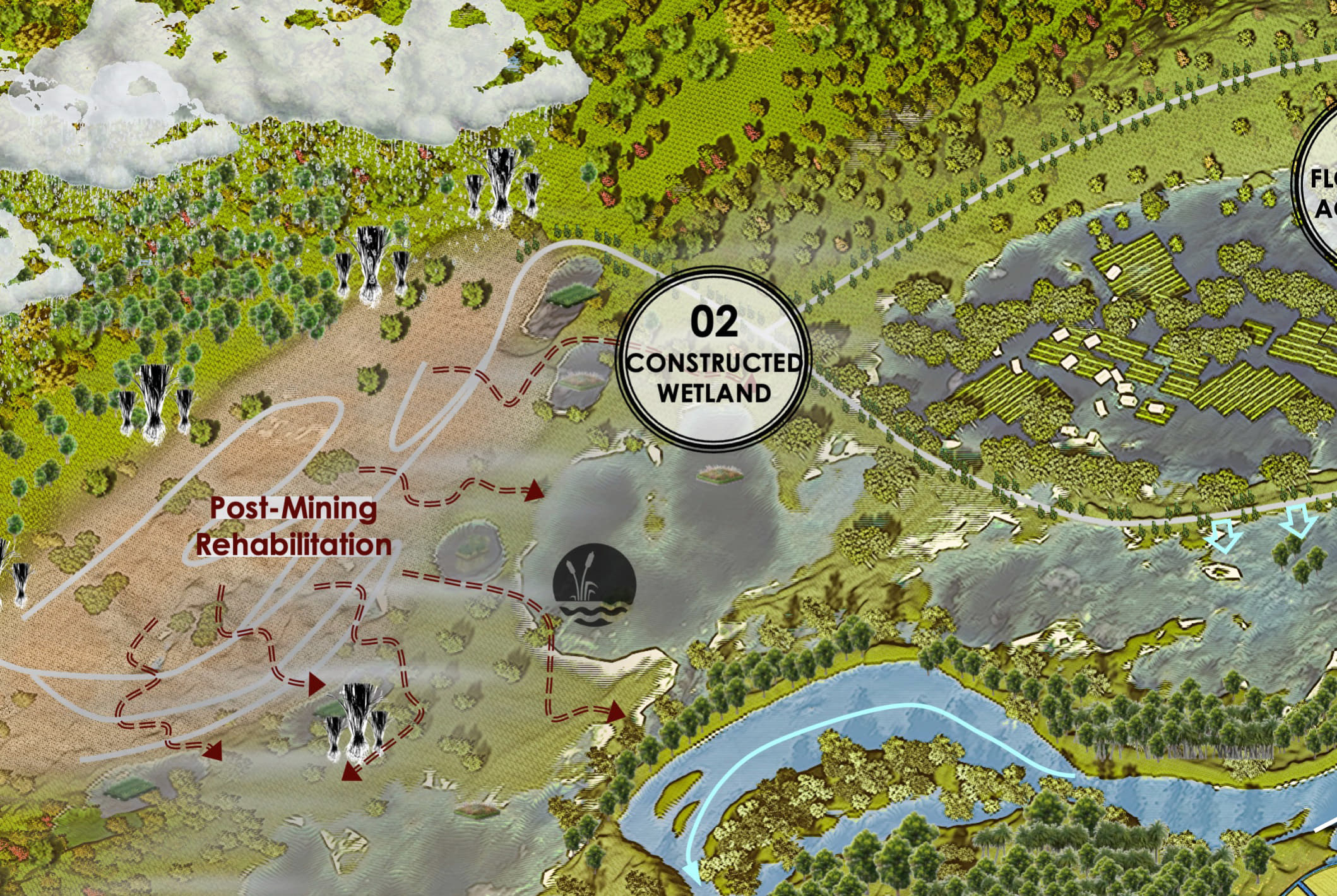
Constructed wetlands are artificial systems designed to replicate the vital ecological functions of natural wetlands. These wetlands are strategically placed along riverbanks or within floodplains to treat water, improve water quality, and enhance biodiversity. The primary focus is on managing water flow, reducing pollutants, and providing habitat for aquatic species in river systems.

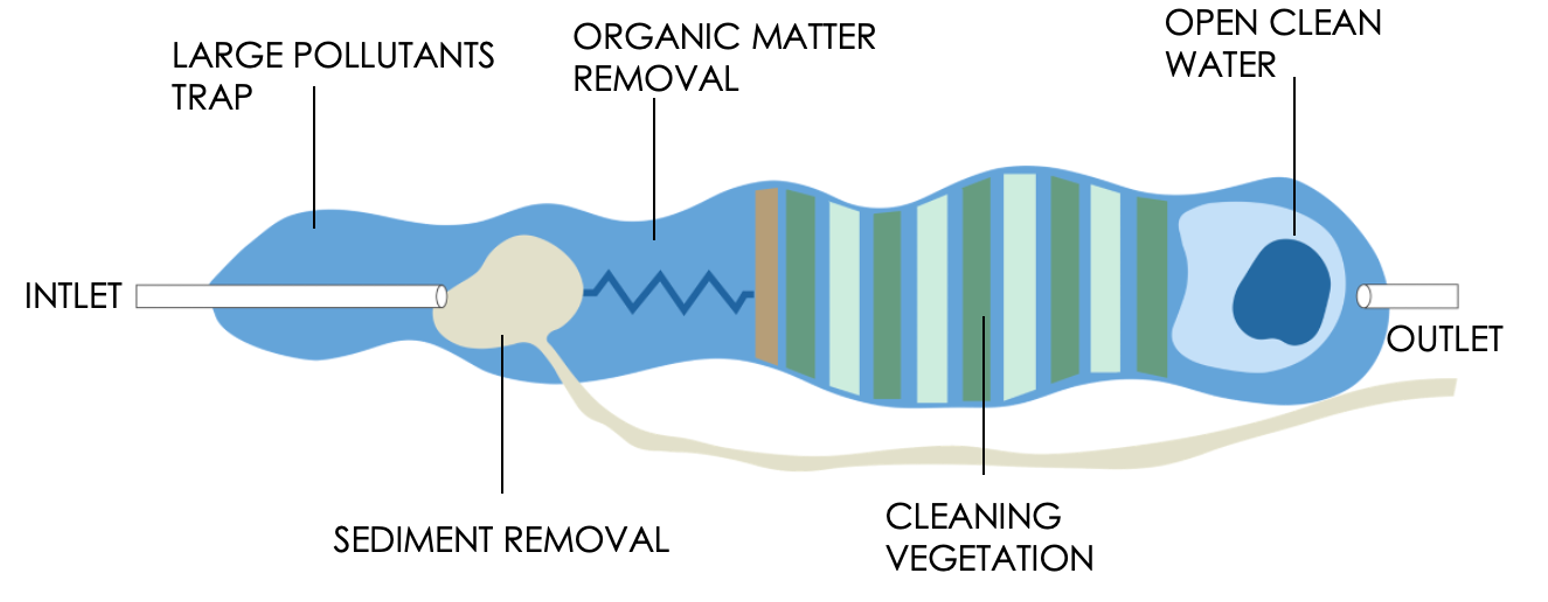
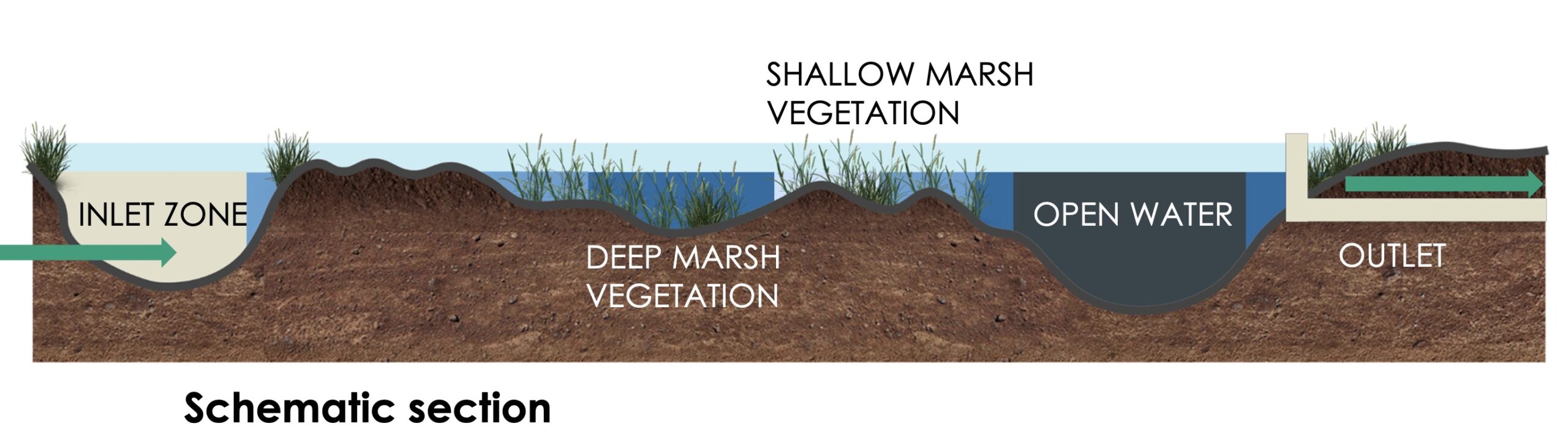
It involves designing channels, shallow ponds, and marshy areas that allow for water filtration, sediment retention, and nutrient cycling. These features are integrated into the landscape to mimic the natural hydrology of riverine wetlands, helping to manage floodwaters and stabilize riverbanks. The artificial wetlands often include elements such as sedimentation zones, reed beds, and vegetated swales that improve the river’s water quality by filtering out excess nutrients, sediments, and pollutants, particularly from agricultural or urban runoff.

  • Ecosystem restoration
  • Ecosystem based disaster risk reduction
  • Ecosystem based adaptation
  • Green infrastructure
Soil Erosion Soil Erosion
Biodiversity Loss Biodiversity Loss
Flood Control Flood Control
Disaster Risk Reduction Disaster Risk Reduction
Carbon Sequestration Carbon Sequestration

SUPPORTING

  • Creates habitats for aquatic and terrestrial species.
  • Supports soil formation and stability.
  • Facilitates the natural cycling of nutrients like nitrogen and phosphorus.

REGULATING

  • Store excess water during heavy rainfall, mitigating flood risks.
  • Purifies water through sediment filtration.
  • Stabilizes riverbanks to prevent erosion.
  • Moderate local temperatures.

PROVISIONING

  • Recharge groundwater and maintain base flows in rivers.
  • Supports fish populations and can be used for sustainable aquaculture.

SOCIAL BENEFITS

  • Serve as natural laboratories for studying ecosystems, biodiversity, and hydrology.
  • Wetlands enhances mental well-being and provides spaces for relaxation and connection to nature.
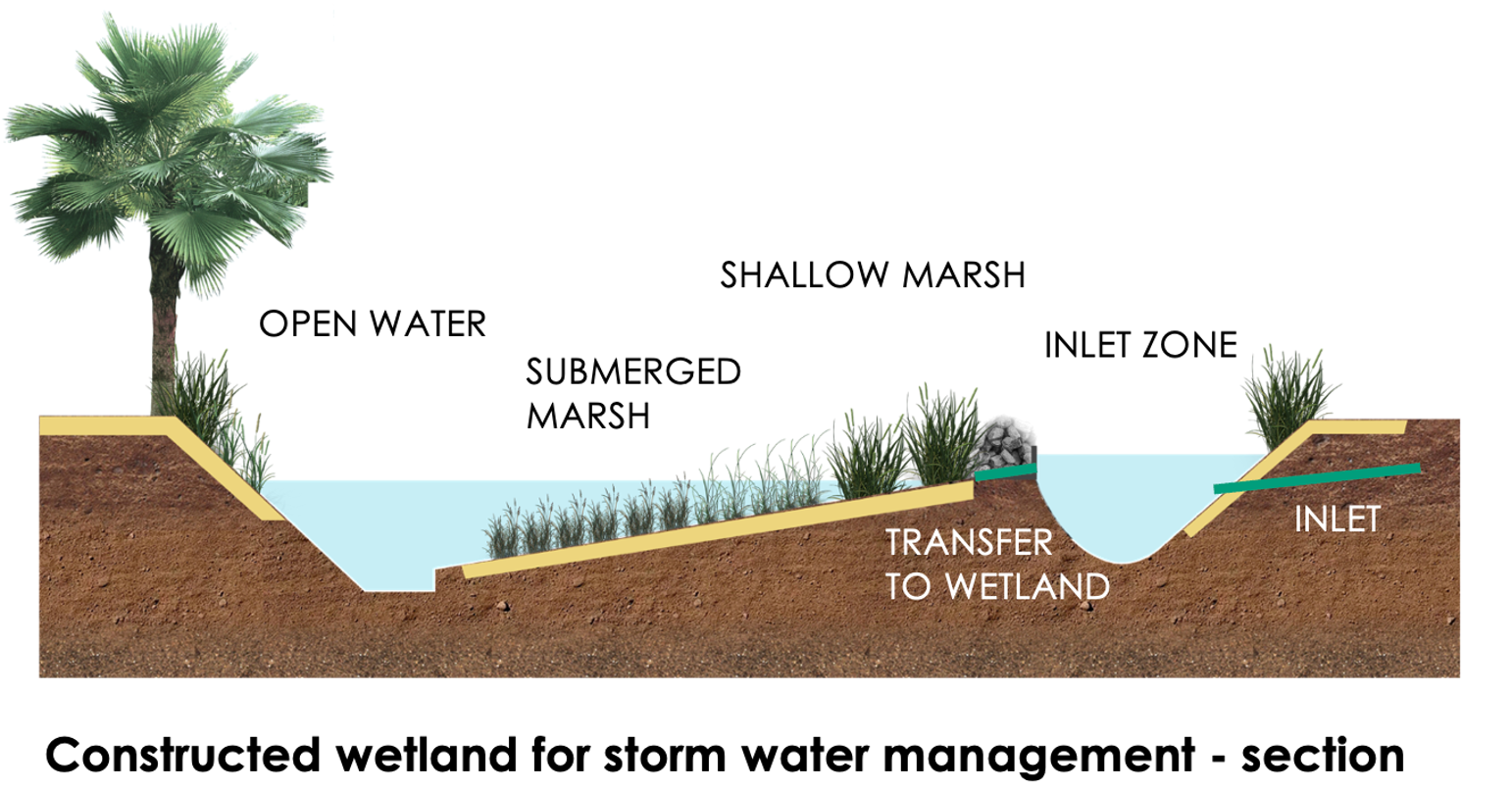
NbS2 Constructed Wetland for Storm water management_Section
NbS2 Constructed Wetland Schematic Plan
NbS2 Schematic section Legend_Construction Wetland

Pollutant Overload: Wetlands may become overwhelmed if pollutant loads exceed their natural capacity to filter and process waste.

Biodiversity Risks: Introducing non-native or invasive species during wetland construction may disrupt local ecosystems.

Design Complexity: Creating a wetland that mimics natural processes requires expertise in hydrology, ecology, and engineering.

High Initial Costs: Constructed wetlands require significant upfront investment for design, construction, and planting.

Carbon sequestration

Amount of carbon stored in wetland vegetation and soil (measured in tonnes of CO₂ equivalent).

Soil erosion control

Reduction in sediment loads in adjacent waterways.

Cost Savings in Flood Management

Reduction in flood damage costs compared to baseline before wetland construction.

Water Quality Enhancement

Reduction in sediment, nutrient, and pollutant levels (nitrogen, phosphorus, heavy metals).

Improved Hydrological Balance

Stabilization of river flow regimes (e.g., reduction in seasonal flow variability).

Disaster Risk Reduction

Reduction in the frequency and severity of flood and drought events in the surrounding area.

Direct Costs

Land acquisition, construction, monitoring, and equipment and materials.

Indirect Costs

Loss of income from alternative land uses (e.g., agriculture or development.)

Time Horizon

Initial establishment and functional optimization (3–10 years).
Full operational lifespan (10–50 years or more)

Direct Benefits

Flood risk reduction, water quality improvement, resource harvesting.

Indirect Benefits

Biodiversity gains, climate regulation, recreation health benefits.

Risk Assessment

Budget , wetland underperformance, delays in securing permits, declining performance due to sedimentation, pollutant overload…

REFERENCES

Malaysia, Putrajaya Constructed Wetland

Canada, Ontario, Amherstview Constructed Wetland

USA, Ohio, Olentangy River Wetland Research Park (Columbus)

IMPLEMENTATION OPPORTUNITIES

Indonesia, Jakarta, Ciliwung river to address industrial and domestic pollution.

Philippines, Central Luzon , to treat pesticide and fertilizer runoff from rice paddies.