
Constructed Nature Island

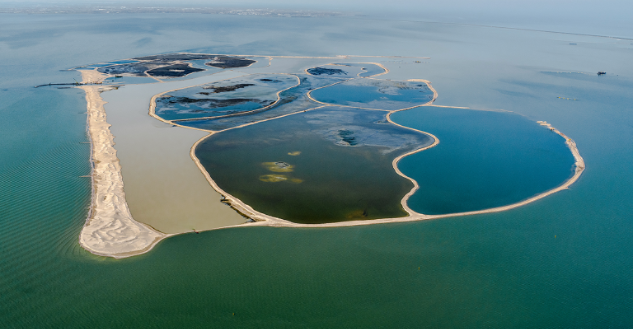
Constructed nature islands focus on integrating eco-engineering and natural elements to create stable, biodiverse, and functional ecosystems while protecting coastlines from climatic events.

These islands are designed to withstand the dynamic conditions of sandy substrates, including shifting sands, high wave energy, and sediment movement.

Their construction often involves biodegradable geotextiles, sand-filled geocells, and lightweight structures like coir logs or bamboo frameworks to stabilize substrates, prevent erosion, and dissipate wave energy.

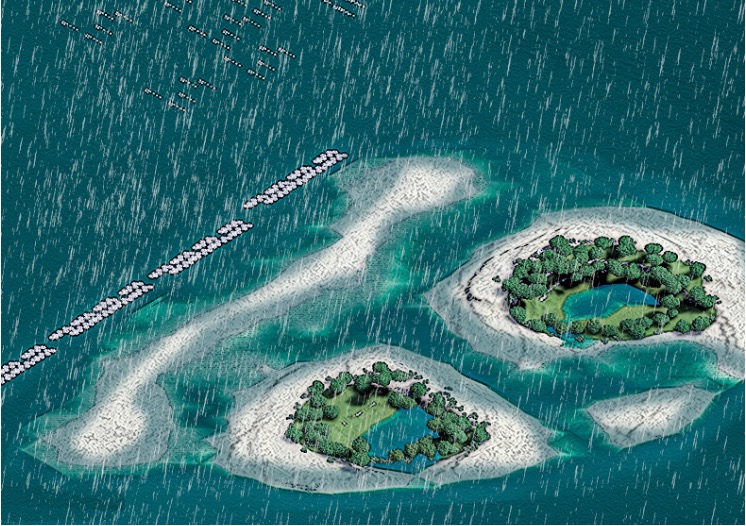
Native vegetation, such as coastal grasses, shrubs, and mangroves, are planted to anchor sand, promote dune formation, and act as a natural buffer against storm surges and rising sea levels.

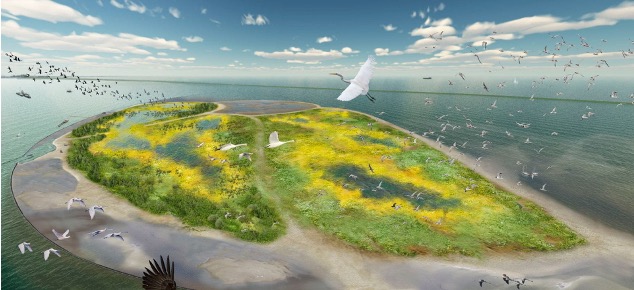
To enhance ecological functionality, these islands incorporate habitat features like tidal pools, artificial nesting sites, and reef-like modules, serving as refuges for marine and terrestrial fauna while fostering biodiversity.


  • Ecosystem based adaptation
  • Ecosystem based disaster risk reduction
  • Ecosystem restoration
  • Integrated coastal zone management
  • Green infrastructure
Soil Erosion Soil Erosion
Biodiversity Loss Biodiversity Loss
Flood Control Flood Control
Disaster Risk Reduction Disaster Risk Reduction
Carbon Sequestration Carbon Sequestration

SUPPORTING

  • Provide critical habitats for marine and terrestrial species, including breeding grounds for fish, nesting sites for birds, and shelter for invertebrates.
  • Facilitate nutrient exchange between marine and terrestrial ecosystems through vegetation and sediment stabilization.

REGULATING

  • Act as buffers against wave action, storm surges, and rising sea levels, reducing coastal erosion and protecting infrastructure.
  • Stabilize sandy substrates and reduce vulnerability to extreme climatic events, such as cyclones and tsunamis. Filtration by mangroves, seagrasses, and tidal pools reduces pollutants and sedimentation.

PROVISIONING

  • Improve groundwater recharge through vegetation and engineered drainage systems.
  • Support fish stocks and other marine resources critical for local food security and livelihoods.

SOCIAL BENEFITS

  • Offer spaces for beach activities, snorkelling, birdwatching, and ecotourism, boosting local economies.
  • Increase the safety of coastal communities by acting as natural barriers during extreme weather events.
NbS41_Constructed Island Netherlands
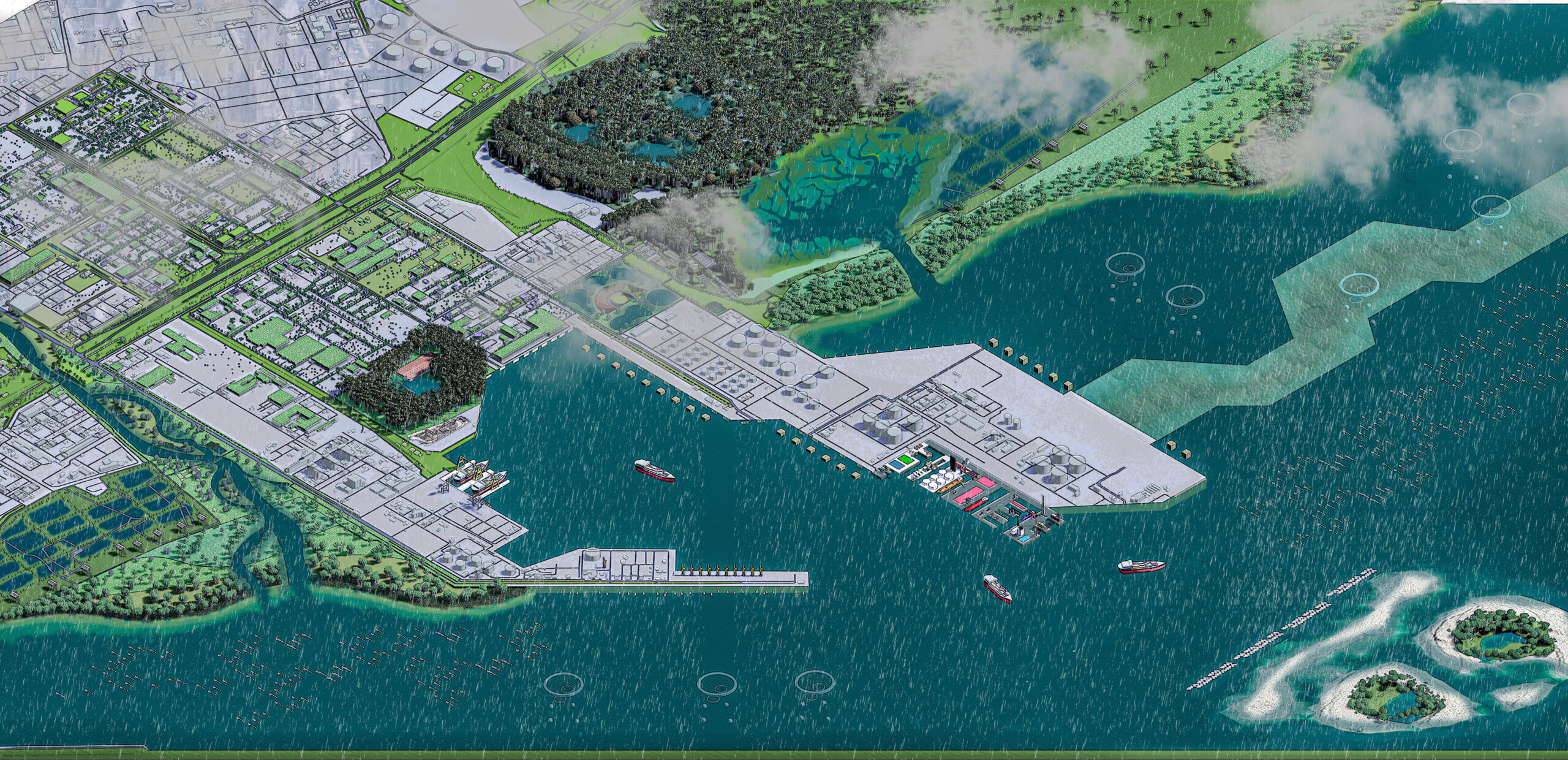
NbS41_Nature Island Rendering
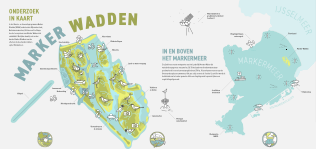
NbS41_MarkerWadden
NbS41_Nature Island Rendering

Erosion or Sediment Imbalance: Improperly designed islands can alter coastal sediment dynamics, leading to unintended erosion or sedimentation.

Engineering Complexity: Designing structures that withstand high wave energy, shifting sands, and climatic events demands advanced engineering.

Long-Term Maintenance: Ensuring the stability and ecological health of the island over time requires ongoing monitoring and intervention.

High Initial Costs: The design, construction, and ecological integration of these islands require significant financial investment.

Disaster Risk Reduction

Change in beach width over time, frequency and severity of storm surge impacts, soil erosion rates before and after construction.

Flood Control

Water level reduction during extreme weather events.

Water Quality Improvement

Reduction in nutrient levels (e.g., nitrates, phosphates),improved water clarity ( turbidity).

Food Security

Fish catch rates and species diversity in nearby waters.

Tourism and Recreation

Visitor numbers and tourism revenue, number of educational or eco-tourism programs and events.

Direct Costs

Materials, labour, design, equipment, permits: $210,000–$630,000/ha .

Indirect Costs

Studies, monitoring and maintenance, disruptions : $25,000–$115,000/ha (initial).

Time Horizon

Construction Phase: 6–12 months. Lifespan: 20–50 years (depends on maintenance and natural events).

Direct Benefits

Coastal protection, biodiversity habitat.

Indirect Benefits

Tourism, ecosystem services, community benefits.

Risk Assessment

Potential sedimentation issues or habitat disruption in nearby ecosystems, high initial costs and potential over-budgeting due to unforeseen challenges, ongoing maintenance costs.

REFERENCES

The Netherlands, Zuiderzee Works (IJsselmeer Polders) and Marker Wadden (wetland and dune restoration, saltmarsh creation).

Australia, The Great Barrier Reef Artificial Islands, coastal protection, habitats for marine species.

IMPLEMENTATION OPPORTUNITIES

Philippines, Manila bay, Las Piñas-Parañaque critical habitat and ecotourismaArea.

Vietnam, Côn Đảo Archipelago (Critical habitat for sea turtles, coastal erosion).