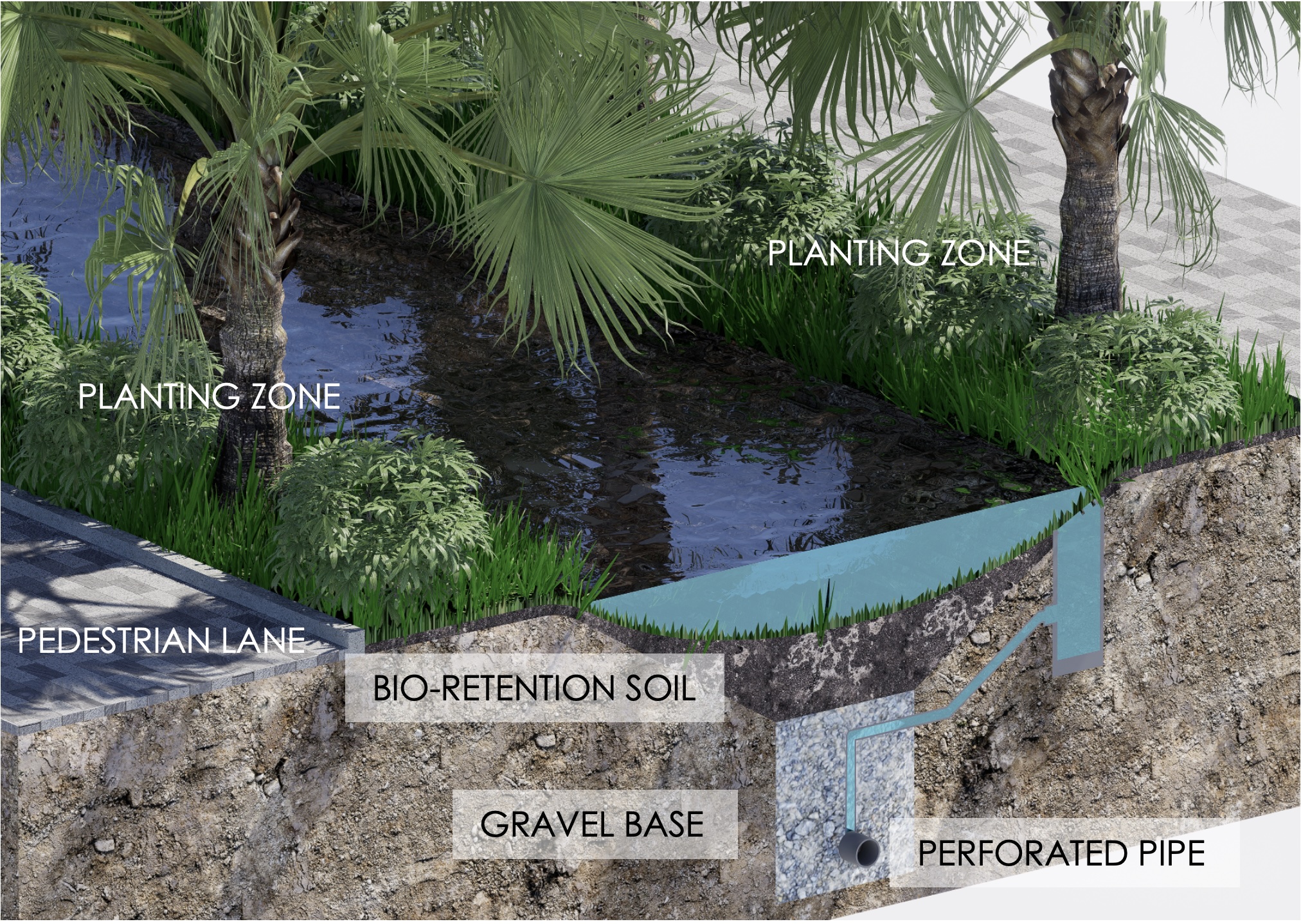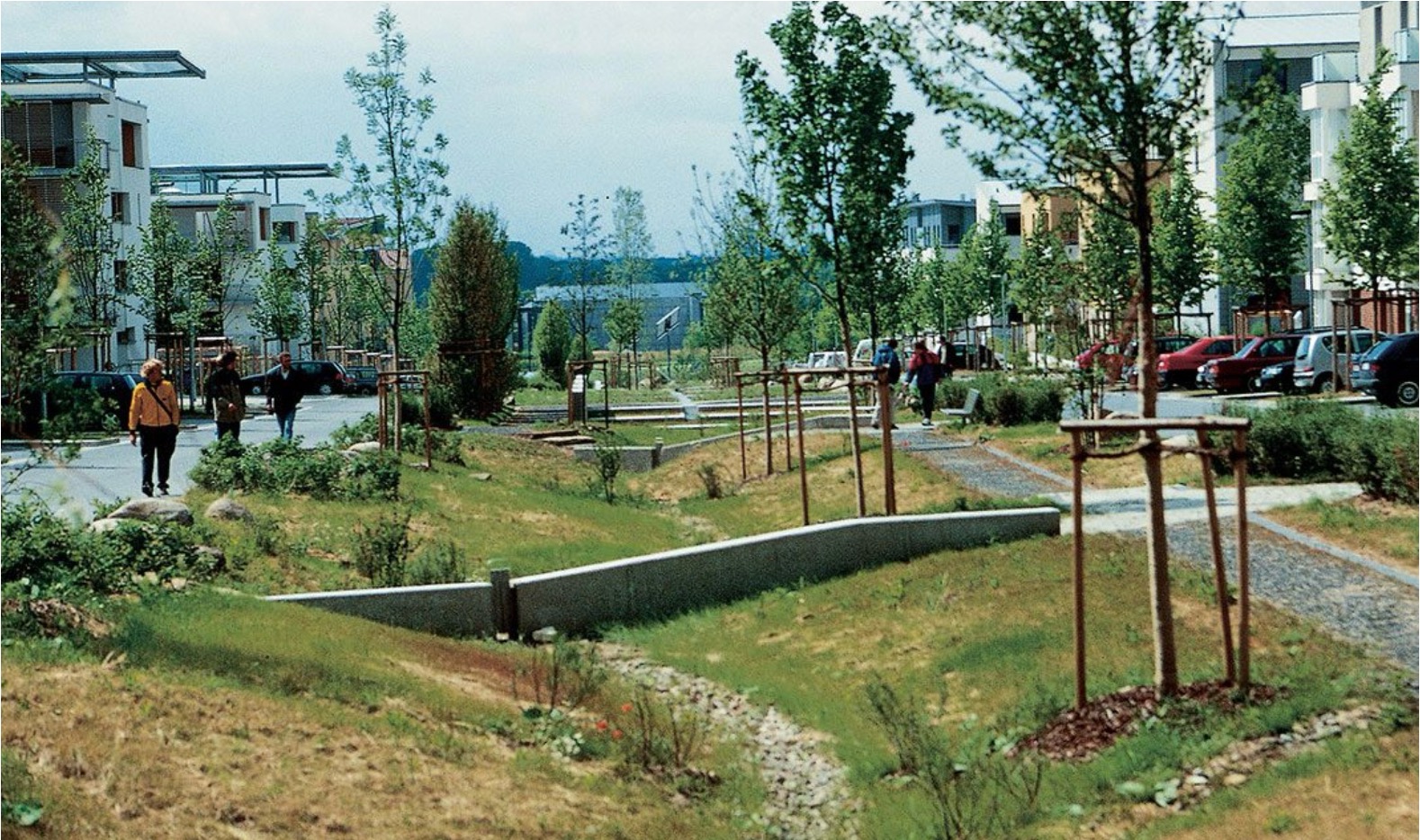

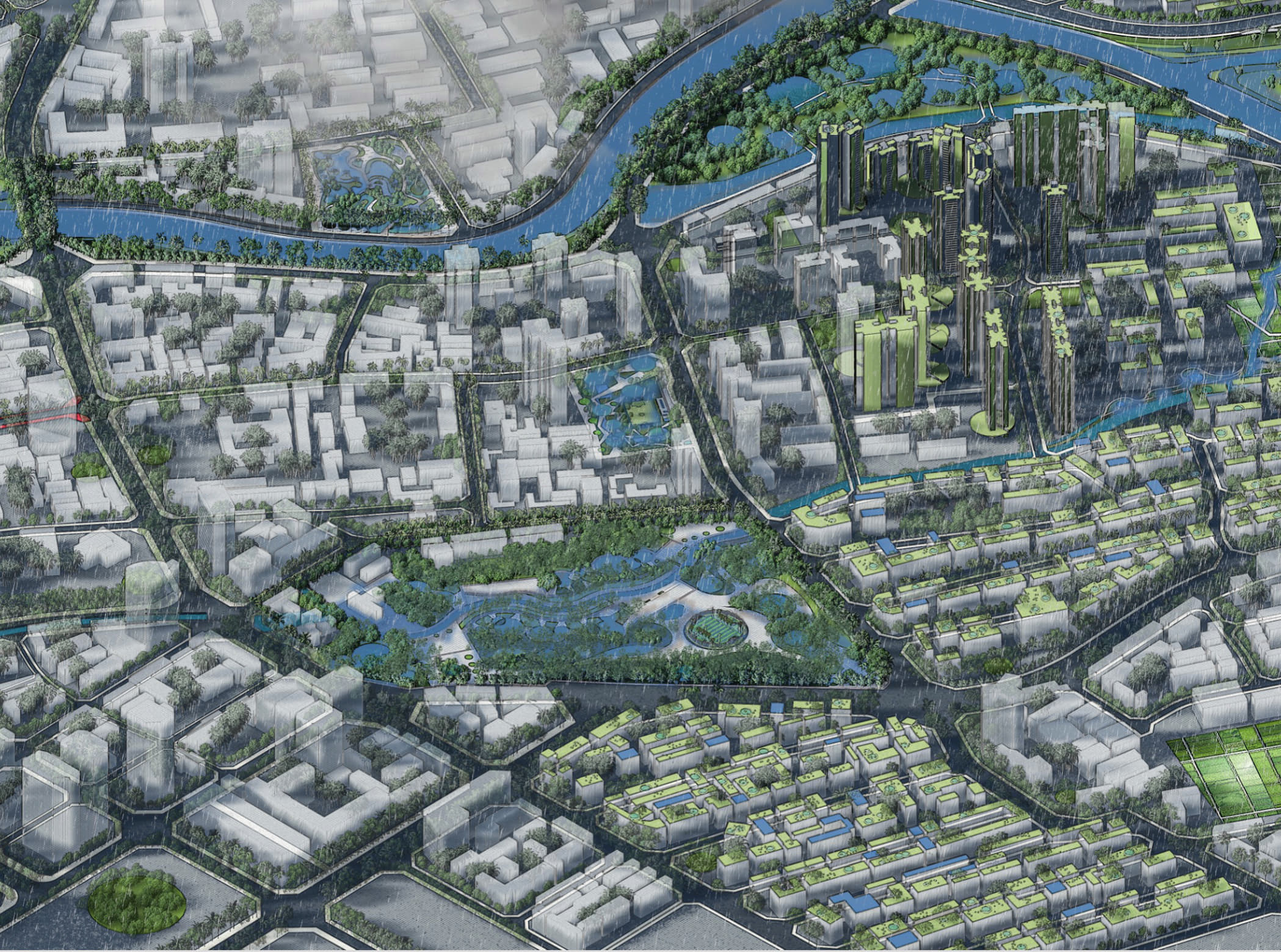
Bioretention ponds and swales can enhance flood management and urban resilience by mimicking natural hydrological processes to capture, store, and treat stormwater runoff.
These systems are particularly relevant in Southeast Asia, where rapid urbanization and monsoonal rains contribute to flash floods and water pollution. Bioretention ponds are shallow, vegetated basins designed with layers of soil, sand, and gravel to filter and depollute water, while swales are gently sloping channels that convey and infiltrate runoff, reducing peak flows and recharging groundwater.
Together, they mitigate flood risks, improve water quality through pollutant filtration and sedimentation, and support biodiversity by creating green habitats. Beyond technical benefits, they enhance urban landscapes, foster community awareness, and reduce reliance on costly engineered infrastructure, making them suitable for both cities and villages.
Singapore’s ABC Waters Program exemplifies their successful implementation, while areas like the Mekong Delta or rural Indonesia could adopt these systems to address localized flooding, sedimentation, and water resource challenges, promoting resilience and sustainability in diverse settings.