
Biochar And Crop Nutrient Management

Biochar is a stable, carbon-rich material produced by heating organic biomass (such as crop residues, wood, or manure) in a low-oxygen environment (a process called pyrolysis).

In the context of regenerative agriculture, biochar serves multiple purposes: improving soil health, enhancing crop productivity, sequestering carbon, and promoting circular nutrient use.

In Southeast Asia, where agriculture is central to livelihoods and the environment faces challenges like soil degradation, nutrient loss, and greenhouse gas emissions, biochar offers a promising solution.

By combining biochar with crop nutrient management, farmers can improve soil fertility and water retention, reduce dependence on chemical fertilizers, and restore degraded lands.

Biochar aligns with the principles of Nature-based Solutions (NbS) by supporting Soil Health Improvement, Climate Change Mitigation, Circular Economy and Waste Management


  • Soil fertility enhancement
  • Water ressource management
  • Nutrient cycling
  • Climate resilience
  • Biodiversity support
  • Pollution reduction
Soil Erosion Soil Erosion
Biodiversity Loss Biodiversity Loss
Carbon Sequestration Carbon Sequestration

SUPPORTING

  • Soil Health Improvement: Enhances soil structure, organic matter, and microbial activity, promoting long-term agricultural productivity.

REGULATING

  • Carbon Sequestration: Stores carbon in soil, reducing greenhouse gas emissions and contributing to climate change mitigation.

PROVISIONING

  • Improved Crop Yields: Increases agricultural output through enhanced nutrient availability and soil fertility.

SOCIAL BENEFITS

  • Farmer Livelihoods: Reduces input costs and improves yields, enhancing economic stability for smallholder farmers.
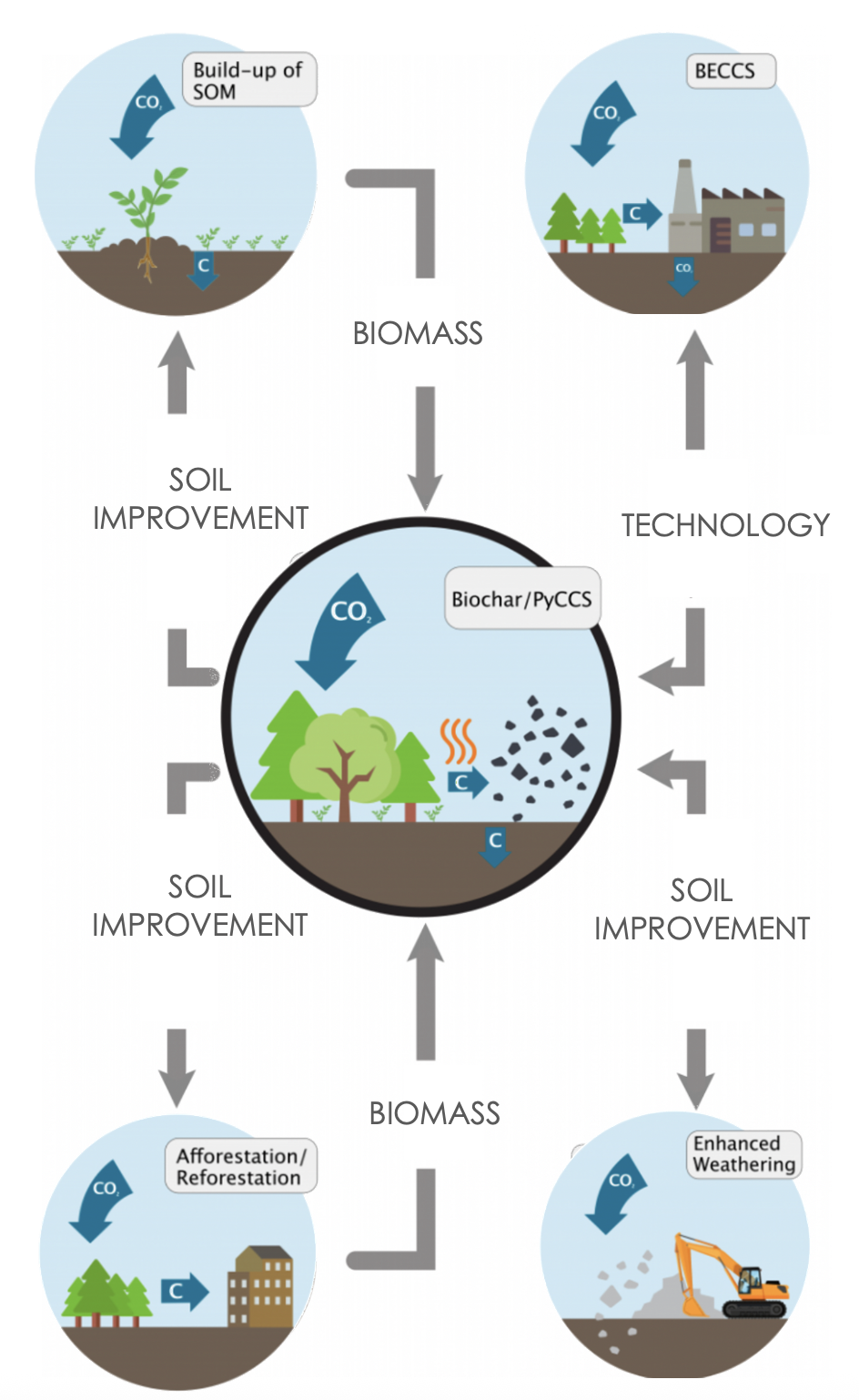
NbS47_Biochar Ogranigram
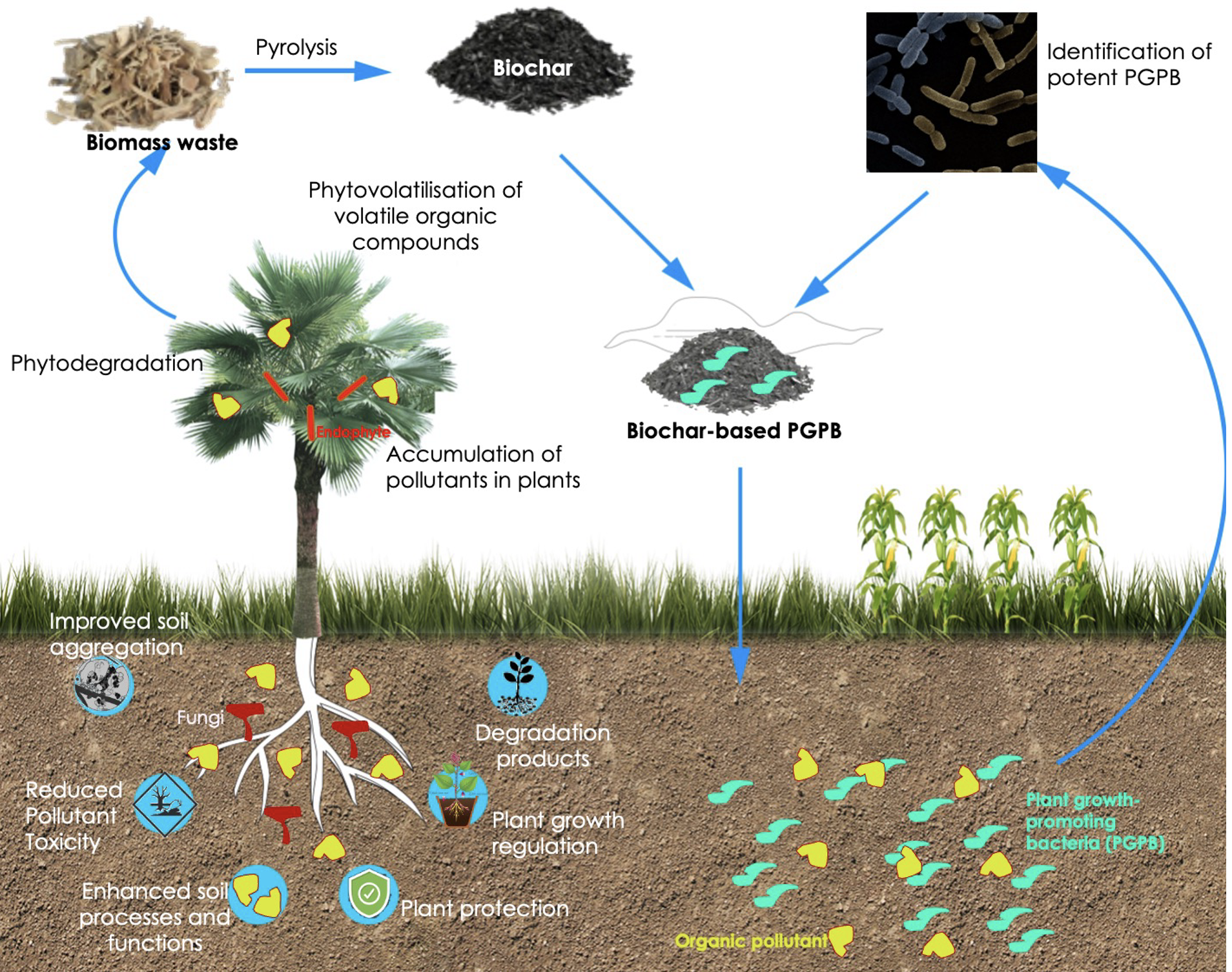
NbS47_Crop Nutrient Mechanisms

High Initial Costs: The production and application of biochar can be expensive for smallholder farmers, limiting widespread adoption.

Limited Technical Knowledge: Farmers may lack awareness or training on proper biochar production methods and application techniques, reducing its effectiveness.

Feedstock Availability: Ensuring a sustainable and adequate supply of biomass for biochar production can be challenging, particularly in regions with high competition for organic materials.

Soil-Type Variability: Biochar effectiveness depends on soil type and local conditions, making its benefits inconsistent across diverse landscapes in Southeast Asia.

Enhanced Soil Fertility

Increase in soil organic carbon and nutrient levels after biochar application.

Improved Water Retention

Higher soil moisture content during dry seasons compared to untreated soils.

Carbon Sequestration

Measurable amount of carbon stored in the soil, tracked through biochar application rates and soil carbon analysis.

Reduced Greenhouse Gas Emissions

Lower emissions of nitrous oxide and methane from treated agricultural fields compared to usual practices

Improved Crop Yields

Increased productivity (e.g., kg/ha) for key crops grown in treated fields.

Farmer Economic Resilience

Reduced fertilizer costs and increased net income per hectare for smallholder farmers using biochar.

Direct Costs

Production and application costs range from $300 to $600 per ha annually, depending on feedstock and labor costs.

Indirect Costs

Training, capacity building, and monitoring costs are typically $50 to $150 per ha annually, varying with program scale.

Time Horizon and Discount Rate

10–20 years with a discount rate of 5–10%, reflecting long-term soil health and carbon storage benefits.

Direct Benefits

Direct revenue gains of $100 to $400 per ha annually, depending on crop type and market prices.

Indirect Benefits

Long-term soil health improvements can save $50 to $200 per ha annually in input expenses.

Risk Assessment

Inconsistent biochar quality or soil compatibility could require mitigation costs of $50 to $100 per ha annually for adjustments

REFERENCES

Biochar for Sustainable Agriculture Project

Central Kalimantan, Indonesia This project focuses on using biochar derived from agricultural residues to improve soil fertility in degraded peatlands, reducing greenhouse gas emissions and enhancing crop yields.

IMPLEMENTATION OPPORTUNITIES

Mekong Delta

Chao Phraya

Citarum River Basin

Irrawaddy Delta