
Artificial Oyster Reefs

Artificial oyster reef restoration aims to rehabilitate and enhance the ecological functions of degraded marine environments by creating and nurturing oyster populations.

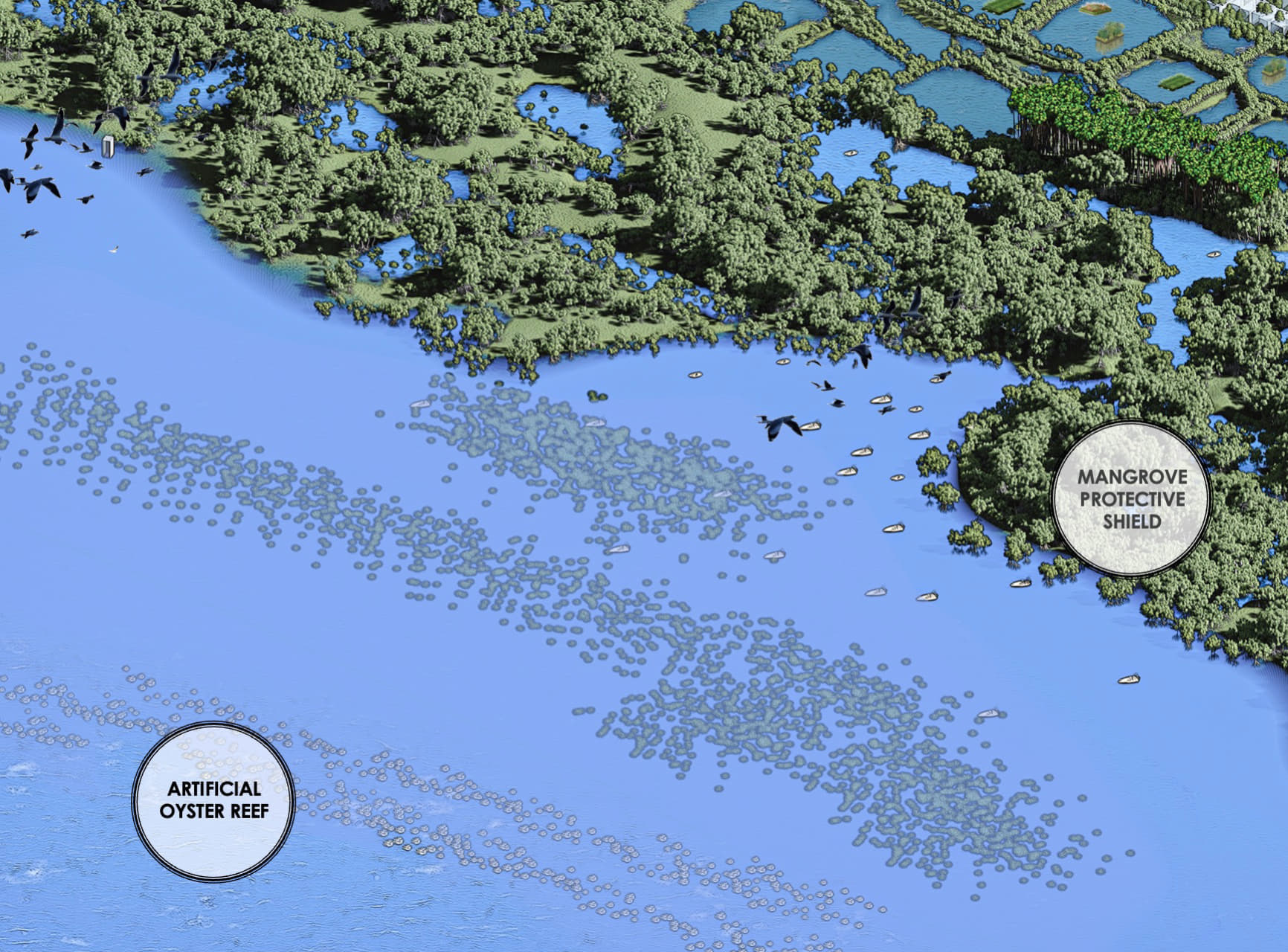
This process involves constructing artificial reef structures, often using materials like recycled oyster shells, limestone, or eco-friendly substrates, which provide a foundation for oyster larvae to settle and grow. These structures are typically placed in areas that have been depleted of natural oyster beds.

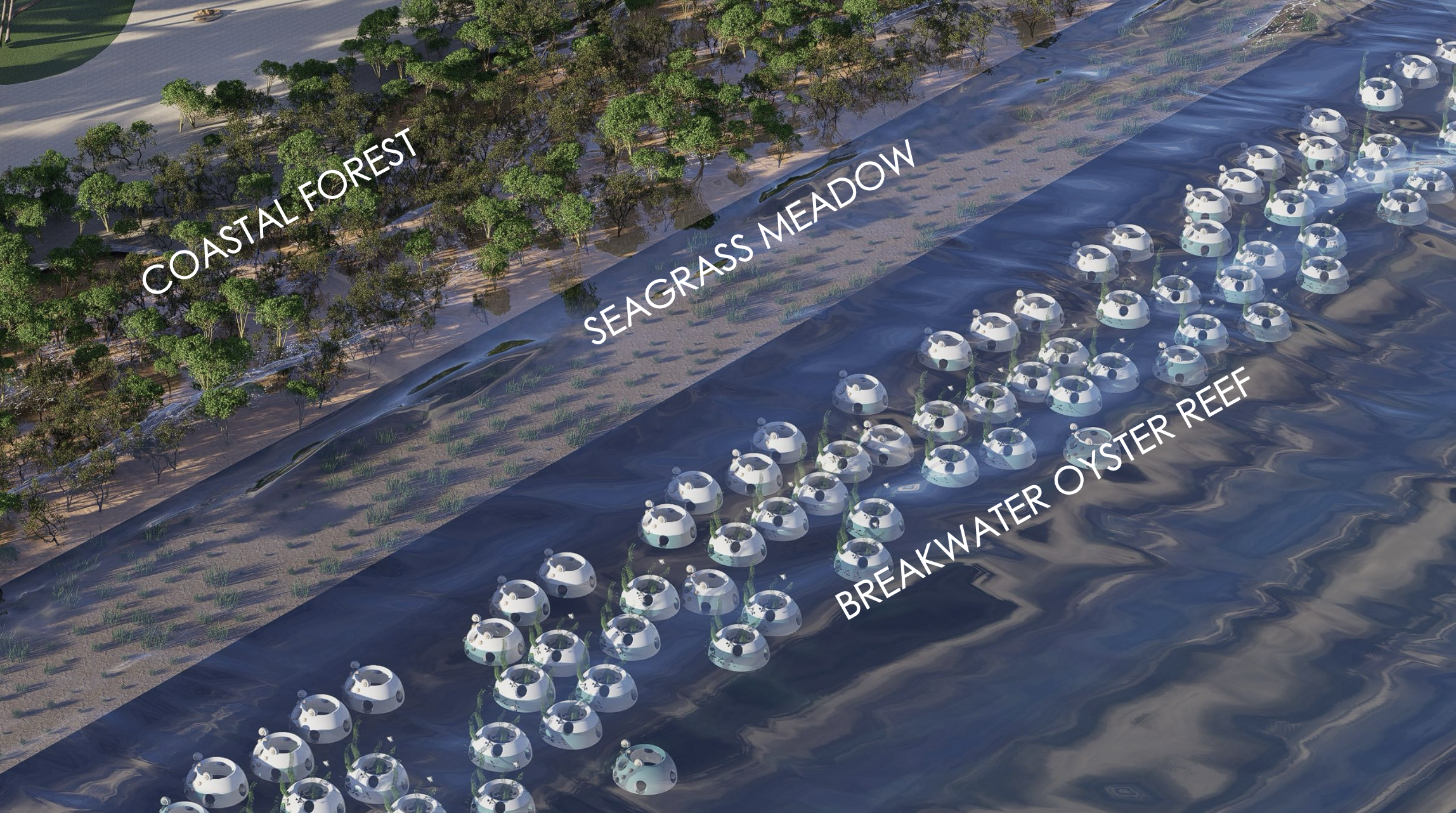
As the oysters mature, they filter water, improve water quality, and provide habitat for a variety of marine species. Artificial oyster reefs contribute to coastal protection by reducing wave energy, promoting sediment stabilization, and enhancing biodiversity. In port areas, artificial oyster reefs offer additional benefits by helping to stabilize sediments, reducing erosion, and mitigating the impact of waves on infrastructure.

They can also serve as a natural method for reducing port-related pollution, enhancing water clarity, and promoting the recovery of marine life.


  • Ecosystem restoration
  • Ecosystem based disaster risk reduction
  • Green infrastructure
  • Integrated coastal zone management
  • Marine spatial planning
Biodiversity Loss Biodiversity Loss
Flood Control Flood Control
Carbon Sequestration Carbon Sequestration
Disaster Risk Reduction Disaster Risk Reduction

SUPPORTING

  • Provides shelter, breeding grounds, and nursery habitats for marine species in sandy beach and port areas.
  • Enhances nutrient cycling by filtering water, supporting water quality and the health of surrounding ecosystems.
  • Supports primary production by promoting plankton growth, forming the base of marine food webs.

REGULATING

  • Reduces coastal erosion, mitigates flood risks by stabilizing sediments and dampening wave energy.
  • Improves water clarity and quality by filtering excess nutrients, pollutants, and sediment from the water.
  • Contributes to carbon sequestration by trapping carbon in oyster shells and surrounding sediments.

PROVISIONING

  • Supports local food security and commercial fishing through sustainable shellfish harvesting.
  • Provides materials for other ecosystem services, such as repurposing shells for new reef restoration projects or construction.

SOCIAL BENEFITS

  • Enhances community resilience by improving coastal protection and supporting sustainable resource management.
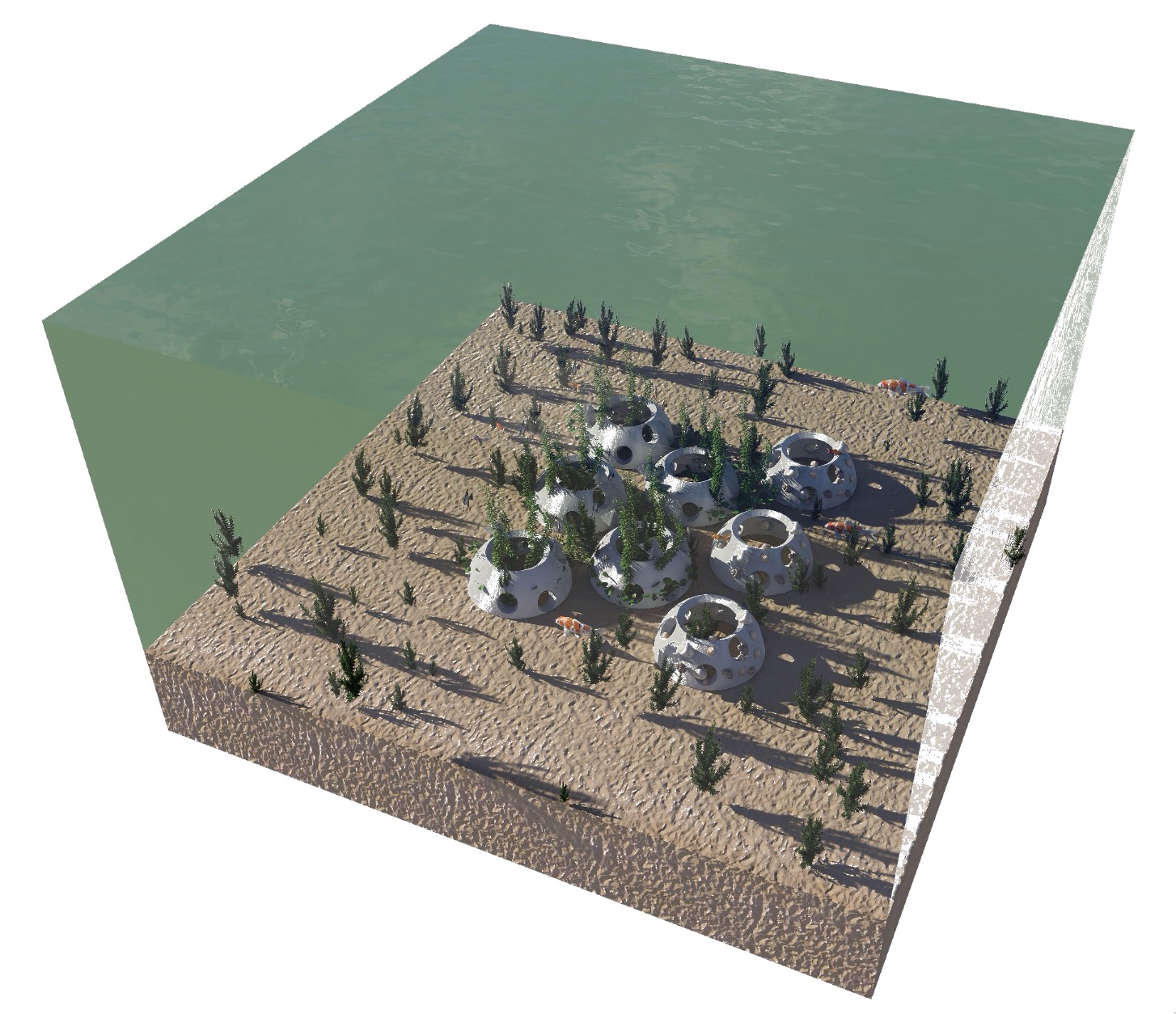
NbS25_Artificial Oyster Reef Modules Design
NbS25_Artificial Oyster Reef Modules

Port Quality

Port areas often experience fluctuating water quality due to pollutants, shipping activities, and industrial discharge.

Sediment Impact

The presence of frequent sediment resuspension in port areas may hinder the settlement and growth of oysters.

Coastal Runoff

Coastal water quality can be impacted by agricultural runoff, wastewater discharge, or stormwater.

Reef Stability

Sandy environments with shifting sediments may pose difficulties in ensuring the stability of artificial reef structures.

Reef Maintenance

Due to the dynamic nature of sandy coasts, artificial reefs in these areas may require frequent maintenance, repairs, or repositioning.

Biodiversity Enhancement

Species richness and abundance, genetic diversity within restored areas.

Coastal Protection

Wave attenuation rates, erosion rates, coastal flood risk reduction.

Water Quality Improvement

Nutrient and heavy metal concentrations, water clarity, dissolved oxygen in water.

Resilience to climate

Reduced vulnerability to climate change impacts (e.g., lower incidence of coastal flooding, erosion).

Sustainable Fisheries and Resource Management

Improvements in fishery yields, decrease in the need for artificial or overexploited methods of resource extraction (e.g., wild capture fisheries vs. reef-based harvesting).

Direct costs

Materials, labor, design and engineering, monitoring, maintenance : $155 – $530/m2

Indirect costs

Opportunity costs, economic displacement, permit, legal costs.

Time Horizons

Short-term (1–3 years): Establishment of nurseries, planting of corals, initial monitoring. Long-term (>10 years): fully established.

Direct Benefits

Water quality improvement, coastal protection, sustainable fisheries production, eco-tourism.

Indirect Benefits

Climate change mitigation, community health and resilience, biodiversity enhancement.

Risk Assessment

Water pollution, excessive sediment accumulation, uncertain return on investment (ROI).

REFERENCES

USA, Chesapeake Bay The Oyster Reef Restoration Project. Singapore, Changi Beach, Oyster Reef Restoration. Australia, Queensland, Moreton Bay.

IMPLEMENTATION OPPORTUNITIES

Indonesia: Sunda Strait, Ujung Kulon National Park known for terrestrial conservation, The park’s coastal zones are exposed to sedimentation and pollution.

Vietnam: Ho Chi Minh City Coastal Area, along the Can Gio Mangrove Forest.