
Artificial Floating Reefs

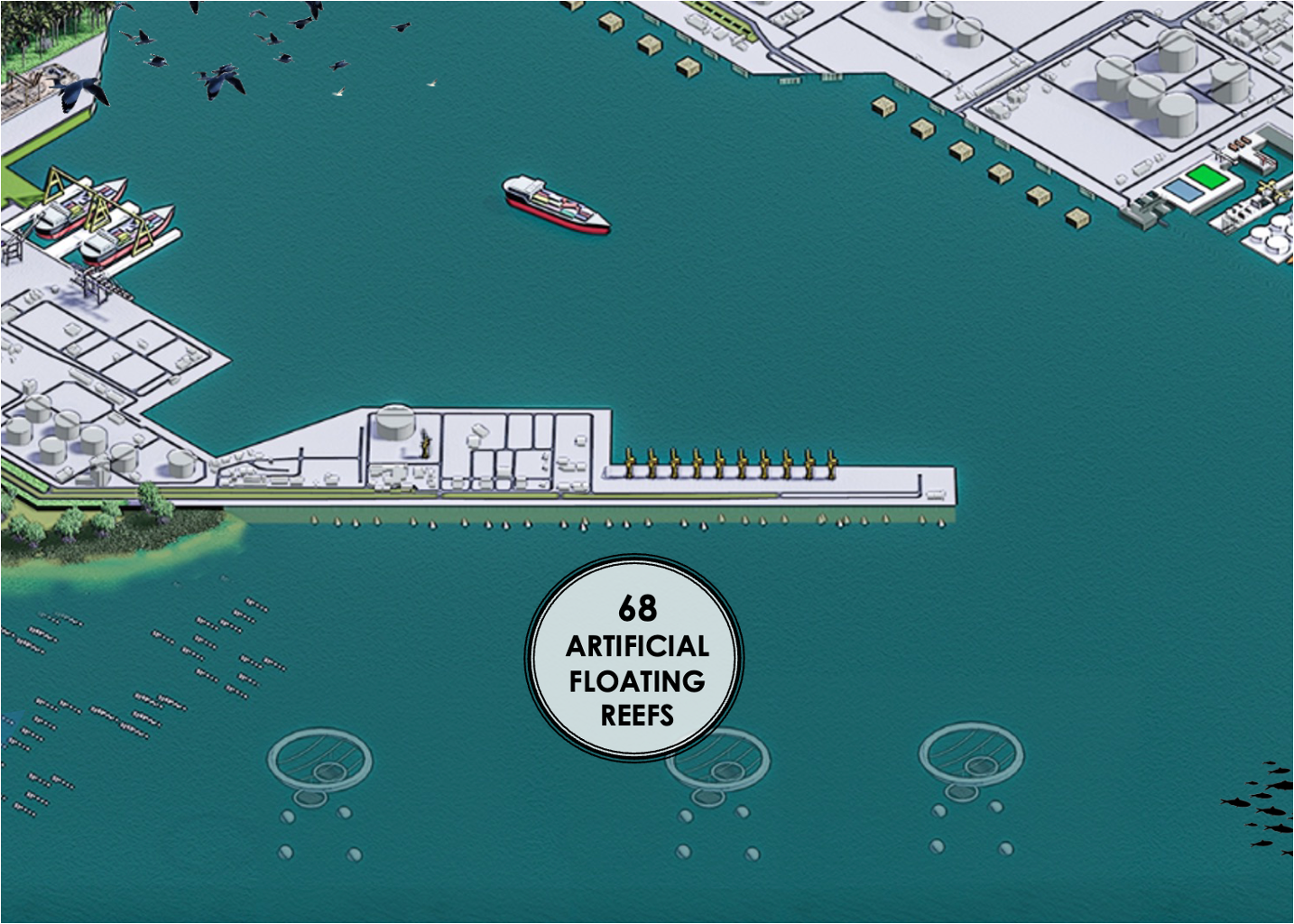
Artificial floating reefs and pontoon-based structures are created to enhance marine biodiversity and ecosystem services by providing settling substrates for various organisms, including algae, mussels, sponges, and oysters. These structures mimic natural reef functions by creating habitat complexity in otherwise smooth and artificial underwater environments, such as port areas, industrial coastlines, and urban waterfronts.

By fostering the growth of filter-feeding organisms, floating reefs contribute to water purification, nutrient cycling, and the creation of fish habitats, ultimately supporting marine biodiversity in degraded or highly engineered coastal zones.

In port and coastal industry settings, artificial floating reefs offer multiple benefits. They enhance water quality by reducing suspended particulates and excess nutrients through filter feeders, making them particularly relevant for polluted or eutrophic waters.

Additionally, they provide refuge and breeding grounds for fish, improving local fisheries and contributing to ecosystem restoration. Over time, the accumulation of marine life on these structures can also offer wave attenuation benefits, reducing coastal erosion and improving shoreline resilience. However, challenges such as maintenance, biofouling management, and integration with port operations must be carefully addressed to maximize long-term benefits.

  • Habitat restoration & creation
  • Water quality improvement
  • Coastal & marine ecosystem connectivity
  • Climate adaption & resilience
  • Sustainanle blue economy
Biodiversity Loss Biodiversity Loss
Flood Control Flood Control

SUPPORTING

  • Provide artificial substrates for marine biodiversity, fostering settlement of algae, mussels, oysters, and fish nurseries.

REGULATING

  • Improve water quality by promoting filter-feeders (e.g., mussels, oysters, sponges) that remove excess nutrients and pollutants.

PROVISIONING

  • Enhance local fisheries by creating habitats that support fish stocks and shellfish populations.

SOCIAL BENEFITS

  • Promote eco-tourism and recreational fishing opportunities in urbanized port environments.
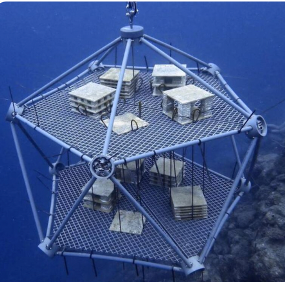
NbS68_Coral Arks Floating Reef
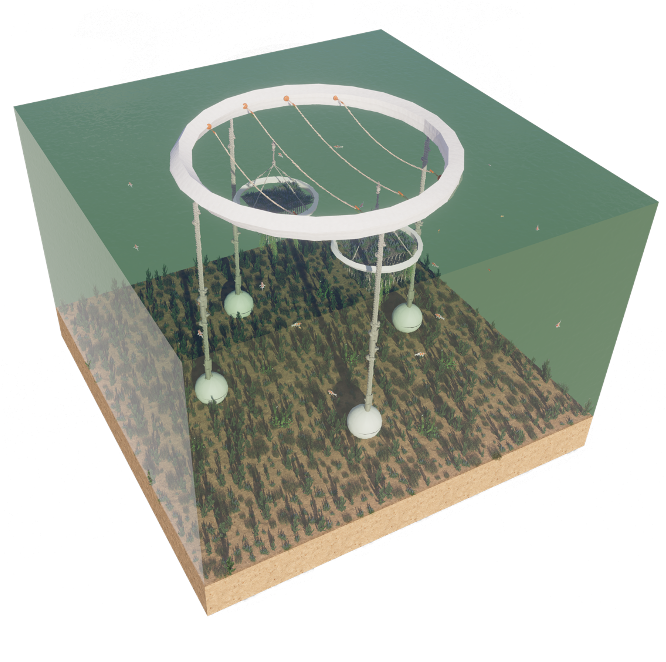
NbS68_Floating Reef 3D01
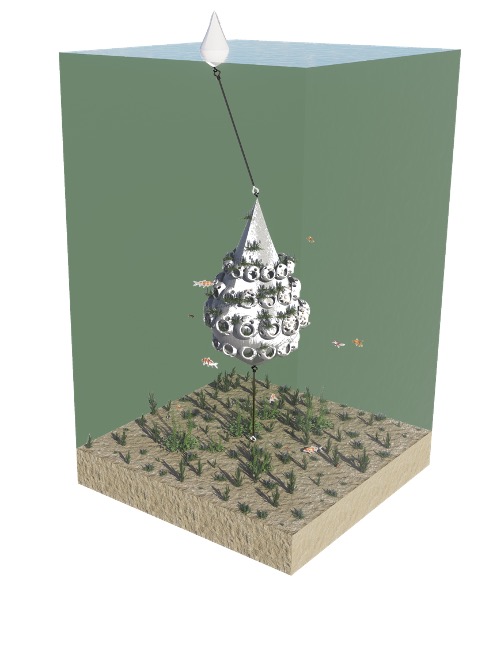
NbS68_Hanging Reef 3D01
NbS68_Placing Reef

Biofouling and Maintenance: Excessive accumulation of marine organisms can lead to structural degradation.

Water Pollution and Contaminants – Ports often have high levels of pollutants, which may hinder the growth of beneficial marine species on the reefs.

Structural Stability and Storm Resilience: Floating and hanging reef structures must withstand extreme weather events, strong currents, and typhoons.

Stakeholder Conflicts and Navigation Safety: Balancing ecological benefits with port operations, shipping routes, and industrial activities can create regulatory and spatial planning challenges.

Marine Biodiversity Enhancement

Increase in fish and invertebrate species observed per square meter of artificial reef surface.

Improved Water Quality

Reduction in suspended particulate matter and nutrient pollution through filtration by mussels, oysters, and sponges.

Water Attenuation, Coastal Protection

Reduction in wave energy by a measurable percentage due to reef structures.

Support for Small-scale Fisheries

Increased local fish stocks, with higher catch rates reported by nearby fishers.

Carbon Sequestration

Biomass growth and calcium carbonate deposition contributing to measurable carbon capture in marine sediments.

Educational and Recreational Value

Number of awareness programs, diving activities, or eco-tourism initiatives linked to the artificial reef sites.

Direct Costs

Installation costs range from $50k to $500k/ha, depending on materials, design complexity, and deployment scale.

Indirect Costs

Monitoring, maintenance, and regulatory compliance can add $5,000 to $20k/year/site.

Time Horizon

Effective over a 15-30 year lifespan with discount rate of 5-7% for ecosystem service valuation.

Direct Benefits

Enhanced fisheries productivity and eco-tourism can generate $10k to $100k/year/reef, depending on location and biomass accumulation.

Indirect Benefits

Improved water quality, shoreline protection, and carbon sequestration

Risk Assessment

Risks include biofouling, structural degradation, and storm damage.

REFERENCES

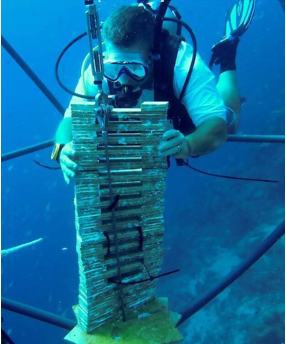
ECOCEAN’s Biohut Reef system consists of artificial reef modules suspended from docks and piers to act as nurseries for marine life, France and Asia.

Floating Reef Balls Project (Florida, USA & Thailand)

IMPLEMENTATION OPPORTUNITIES

Port of Singapore

Manila Bay, Philippines

Jakarta Bay, Indonesia

Chonburi & Rayong Ports, Thailand

Tanjung Priok Port, Indonesia