
Agri-waste Smart Soils

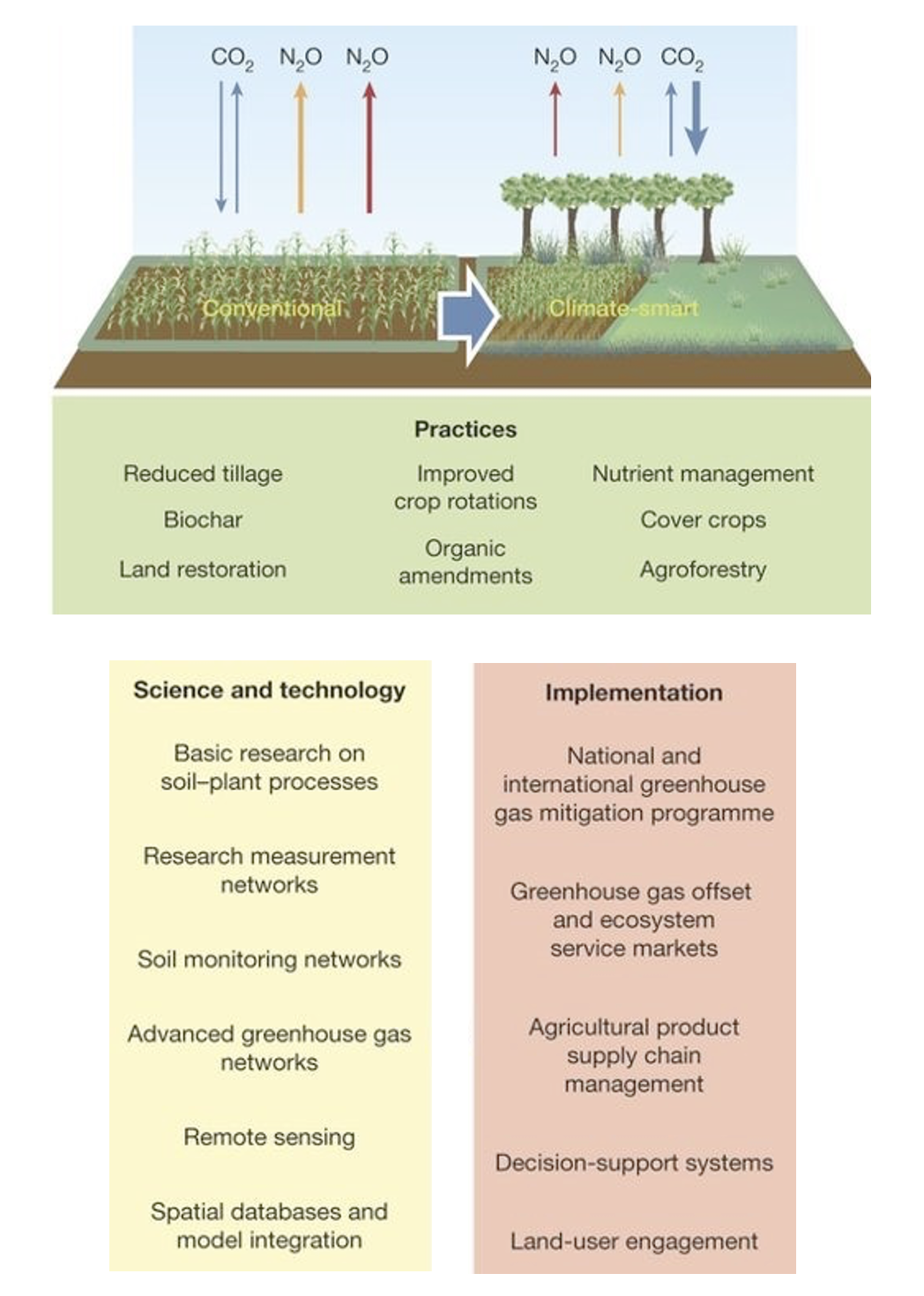
Agri-waste smart soils transform agricultural by-products, such as crop residues, animal manure, and agro-industrial waste, into soil amendments like compost, biochar, and organic mulches.

These amendments enrich soil organic matter, enhance water retention, and improve nutrient availability, fostering long-term soil fertility and resilience.

In Southeast Asia, this approach offers a circular economy model that minimizes waste while addressing soil degradation and nutrient depletion. By recycling organic waste back into farmlands, agri-waste smart soils reduce dependence on chemical fertilizers and mitigate environmental pollution, contributing to sustainable farming practices that support local livelihoods and ecosystem health.

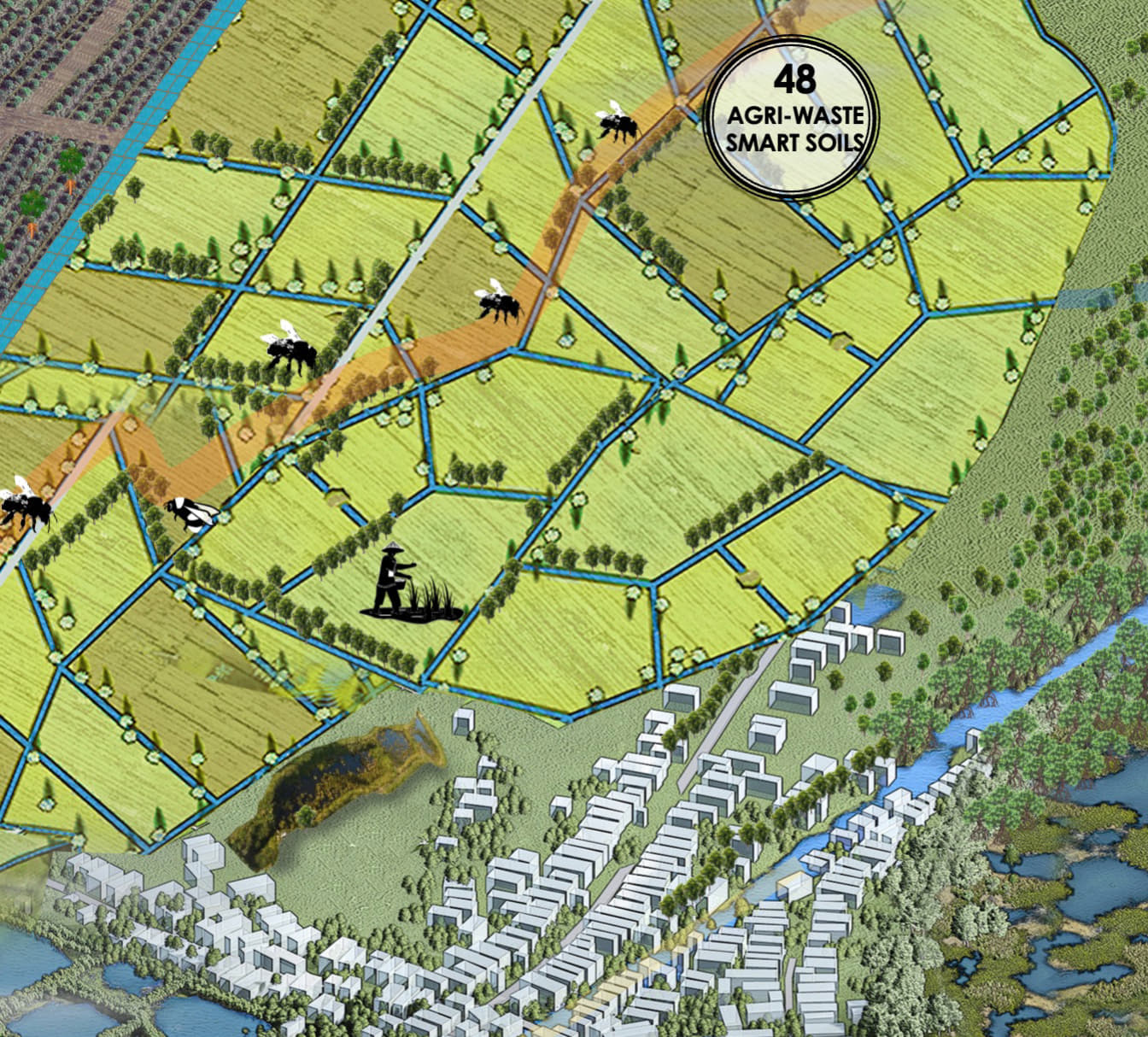
In the region’s diverse agricultural landscapes—ranging from rice paddies in the Mekong Delta to plantation systems in Indonesia—agri-waste smart soils address pressing challenges like declining soil quality, water scarcity, and climate vulnerability.

The addition of biochar or compost not only improves soil structure but also sequesters carbon, making it a viable climate mitigation strategy.

Furthermore, by enhancing soil’s ability to retain nutrients and water, this NbS helps farmers adapt to erratic rainfall patterns and droughts exacerbated by climate change.

The approach aligns with the goals of regenerative agriculture by rebuilding soil fertility, enhancing biodiversity, and promoting sustainable crop productivity, making it a crucial tool for resilient food systems in Southeast Asia.


  • Nutrient efficiency
  • Erosion control
  • Soil fertility enhancement
  • Food security
  • Waste retention & circular economy
  • Water retention & soil structure
Soil Erosion Soil Erosion
Biodiversity Loss Biodiversity Loss
Flood Control Flood Control
Disaster Risk Reduction Disaster Risk Reduction
Carbon Sequestration Carbon Sequestration
Food Security Food Security

SUPPORTING

  • Soil Fertility Enhancement: Improving soil organic matter and microbial diversity, supporting nutrient cycling and maintaining soil health.

REGULATING

  • Carbon Sequestration: The use of biochar and compost helps capture and store carbon in the soil, contributing to climate change mitigation.

PROVISIONING

  • Improved Crop Productivity: By enhancing soil fertility and water retention, agri-waste smart soils can increase agricultural yields, supporting food security

SOCIAL BENEFITS

  • Waste Reduction : By recycling agricultural by-products, this NbS reduces environmental pollution and promotes sustainable farming practices.
NbS48_Components of Clean Growth Agriculture

Lack of Infrastructure for Waste Collection: Insufficient infrastructure for collecting and processing agri-waste limits the availability of raw materials for soil amendments.

Limited Knowledge: Farmers may lack knowledge or training on the benefits and proper application of agri-waste smart soils, hindering widespread adoption.

Contamination Risks: Improperly processed or contaminated agri-waste can introduce pathogens or toxins into the soil, potentially affecting crop safety and soil health.

Cost of Production: The cost of producing or sourcing quality agri-waste amendments like biochar and compost may be a barrier for smallholder farmers.

Improved Soil Health 

Enhanced soil fertility and microbial diversity, measured by increased soil organic matter content and microbial activity.

Waste Reduction

Decreased agricultural waste going to landfills, measured by the volume of agri-waste repurposed for soil amendments.

Climate Change Mitigation

Increased carbon sequestration, indicated by higher levels of soil organic carbon and biochar content in the soil.

Water Retention and Efficiency

Improved soil moisture retention, indicated by reduced irrigation requirements and better crop growth during dry periods.

Enhanced Agricultural Productivity

Increased crop yields, indicated by higher output per hectare due to improved soil fertility

Reduced Enviromental Pollution

Decreased nutrient runoff and water pollution, measured by improved water quality and reduced chemical fertilizer use.

Direct Costs

Costs include waste collection, processing, and application, ranging from $50 to $200 /ha/year, depending on local infrastructure and scale.

Indirect Costs

Potential loss in productivity during the transition period.

Time Horizon

Typically 5–10 years, with a discount rate of 5–7% for long-term investments in soil improvement practices.

Direct Benefits

Direct benefits from increased crop yields and improved soil quality could range from $100 to $500 per hectare annually.

Indirect Benefits

Enhanced water retention and reduced need for synthetic fertilizers

Risk Assessment

Risk of failure due to poor application or contamination can result in medium-range losses if not properly managed.

REFERENCES

Indian Council of Agricultural Research (ICAR) Agri-Waste Management Project: Convert agricultural waste into compost, biochar, and organic amendments to enhance soil fertility, reduce pollution, and improve crop productivity.

IMPLEMENTATION OPPORTUNITIES

Mekong Delta: Agri-waste smart soils could enhance fertility and help mitigate salinity issues.

Java Island: Large-scale plantations can benefit from it through biochar or compost production

Mindanao Region: Agri-waste from coconut and banana plantations can be used for composting or biochar production.