
Electro-wetlands

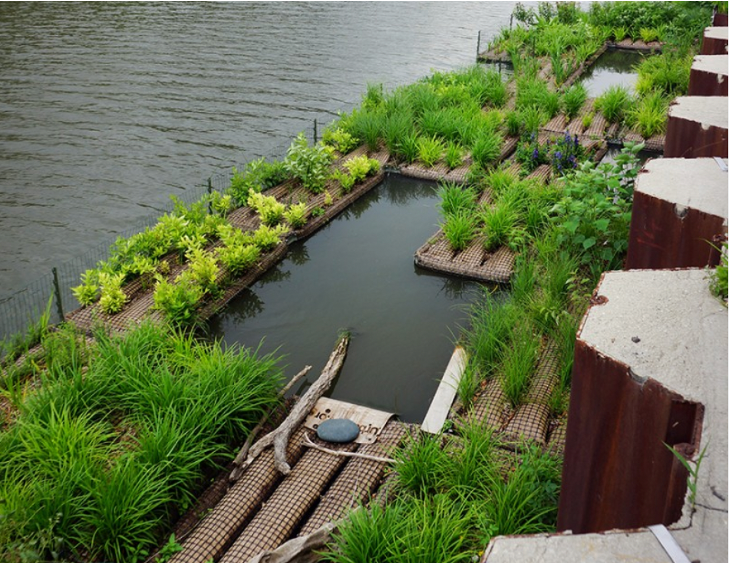
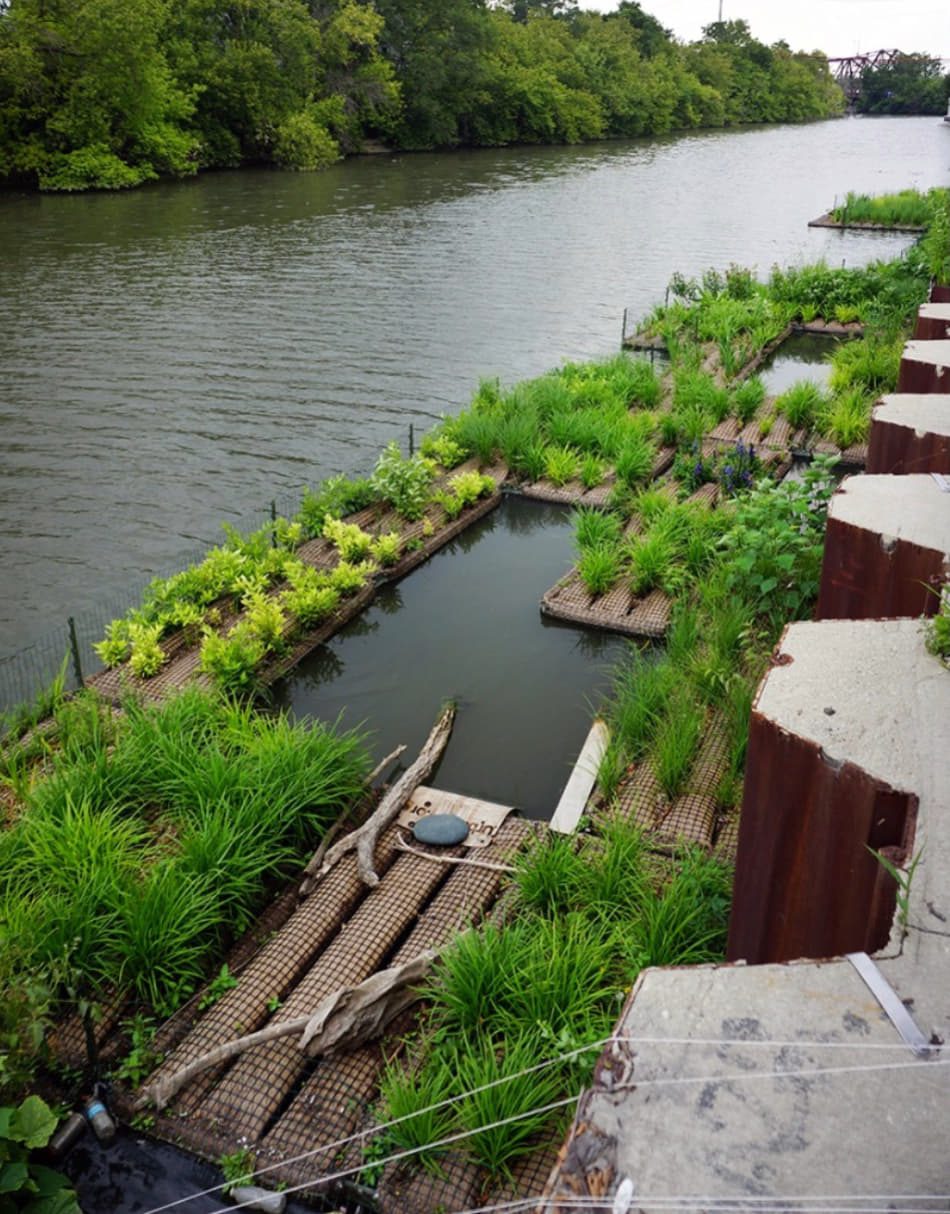
Electrowetlands are a combination of constructed wetlands with bioelectrochemical systems to support energy production, stormwater filtering, water depollution, and regenerative agriculture in Southeast Asia.

By harnessing microbial fuel cells, electrowetlands generate electricity from organic waste decomposition while simultaneously removing pollutants like nitrogen, phosphorus, and heavy metals from stormwater and wastewater. These systems enhance agricultural productivity by recycling nutrient-rich treated water for irrigation and reducing chemical input reliance. Technically, they offer efficient pollutant breakdown and renewable energy generation.

Socially and economically, they improve rural livelihoods through decentralized energy access, lower water treatment costs, and enhanced food security. The Bioelectrochemical Wetland System (BEWS) in Kunming, China integrates constructed wetlands with microbial fuel cells to treat wastewater and generate electricity. This system effectively removes over 85% of nitrogen and phosphorus and up to 95% of organic pollutants, while producing electricity (up to 0.5 watts per square meter) through microbial activity.

The treated water is reused in agriculture, reducing fertilizer costs and improving water quality, making it a sustainable and low-maintenance solution for water pollution, energy production, and agricultural support, particularly suitable for rural areas in Southeast Asia.


  • Water quality improvement
  • Energy production
  • Wastewater treatment
  • Ecosystem restoration
  • Climate resilience
  • Agriculture support
Biodiversity Loss Biodiversity Loss
Carbon Sequestration Carbon Sequestration
Food Security Food Security

SUPPORTING

  • Enhances habitat for various species by restoring wetland ecosystems.
  • Facilitates the cycling of nutrients through electrochemical and microbial processes.

REGULATING

  • Improves water quality by removing pollutants from wastewater.
  • Mitigate the impacts of water pollution and nutrient overloads in aquatic ecosystems

PROVISIONING

  • Generates renewable energy through microbial fuel cells, providing sustainable electricity.
  • Offers a low-cost, effective way to treat wastewater and recycle it for use in agriculture or other applications.

SOCIAL BENEFITS

  • Reduces waterborne diseases by improving water quality in surrounding communities.
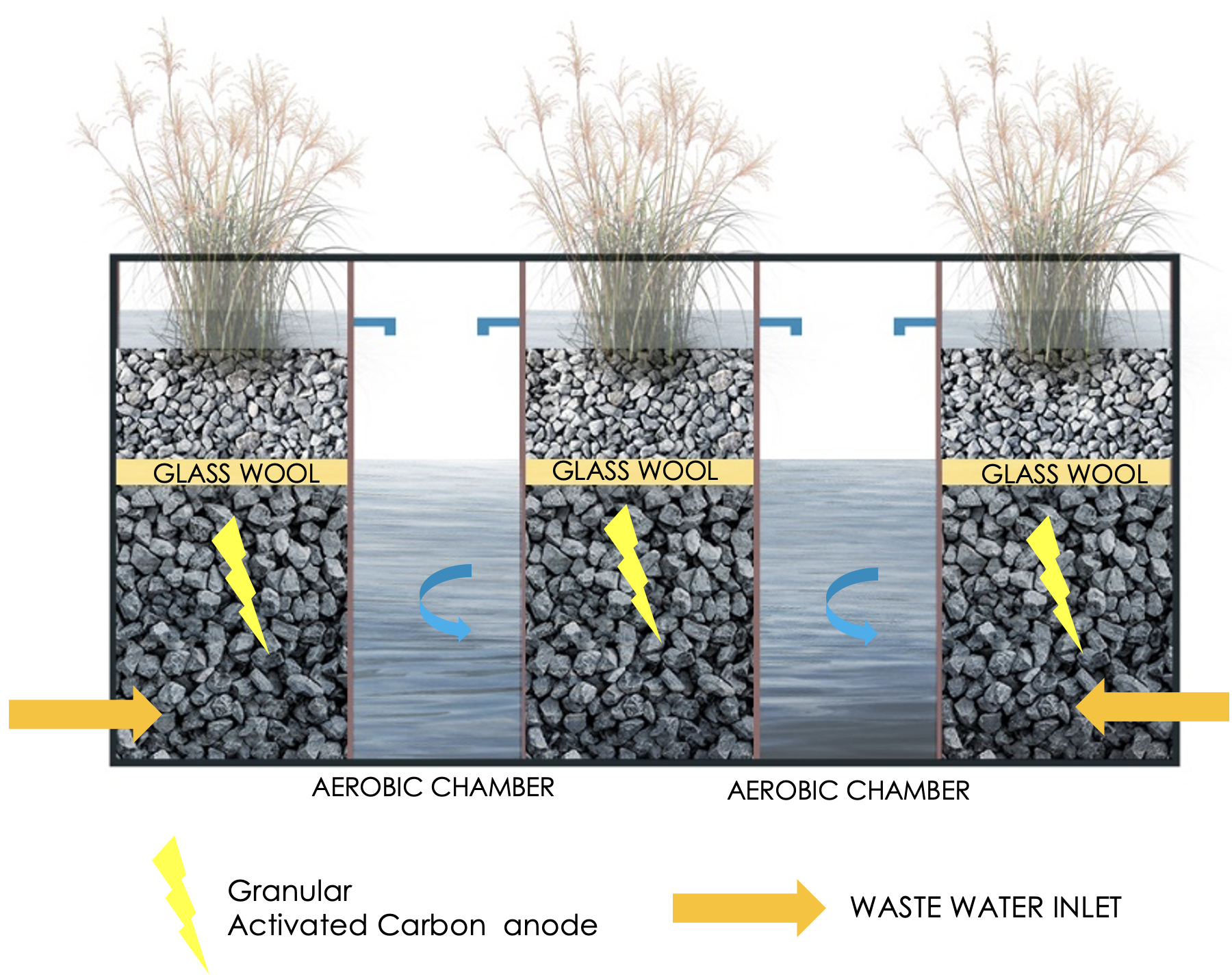
NbS65_Electrowetland OSS
NbS65_Electrowetland section Microbial Fuel Cell System

Technical Complexity: The design and operation of electrowetlands require specialized knowledge and expertise, which may be lacking in some regions.

High Initial Costs: Setting up electrowetlands systems involves significant upfront investment in infrastructure and technology.

Limited Scalability: Due to the high space requirements, it may be challenging to scale electrowetlands for large urban areas.

Environmental Sensitivity: Changes in local environmental conditions (e.g., water temperature, pH levels) can affect the efficiency and stability of electrowetland systems.

Water Quality Improvement

Removing pollutants, with an indicator being reduced levels of nitrogen and phosphorus in treated water.

Carbon Sequestration

The vegetation in electrowetlands helps sequester carbon.

Biodiversity Loss

They provide habitat for various species.

Energy Production

Contribute to renewable energy, with an indicator being the amount of electricity generated from the electrochemical process.

Flood Mitigation

By regulating water flow, they can help reduce flooding risks.

Community Health Improvement

By improving water quality and managing wastewater, electrowetlands can reduce waterborne diseases.

Direct Costs

Setup costs including materials and labor can range from $200k to $500k per hectare.

Indirect Costs

Ongoing maintenance costs, including monitoring, cleaning, and energy, can amount to $10k to $50k/year per site.

Time Horizon

The expected time horizon for electrowetlands to show tangible results is 5 to 10 years.

Direct Benefits

Direct benefits include the reduction of wastewater treatment costs.

Indirect Benefits

Indirect benefits include ecosystem services like improved biodiversity and carbon sequestration.

Risk Assessment

Key risks include the potential failure of the electrochemical process or operational issues, which can result in repair costs.

REFERENCES

China, Kunming, The Bioelectrochemical Wetland System (BEWS) integrates constructed wetlands with microbial fuel cells to treat wastewater and generate electricity.>

IMPLEMENTATION OPPORTUNITIES

Indonesia, Jakarta: Electrowetlands could treat polluted water while providing better water quality.

Vietnam, Ho Chi Minh City: Addressing wastewater management in areas with rapid industrial growth.