
Bioengineering Remediation Of Contaminated Soils (brcs)

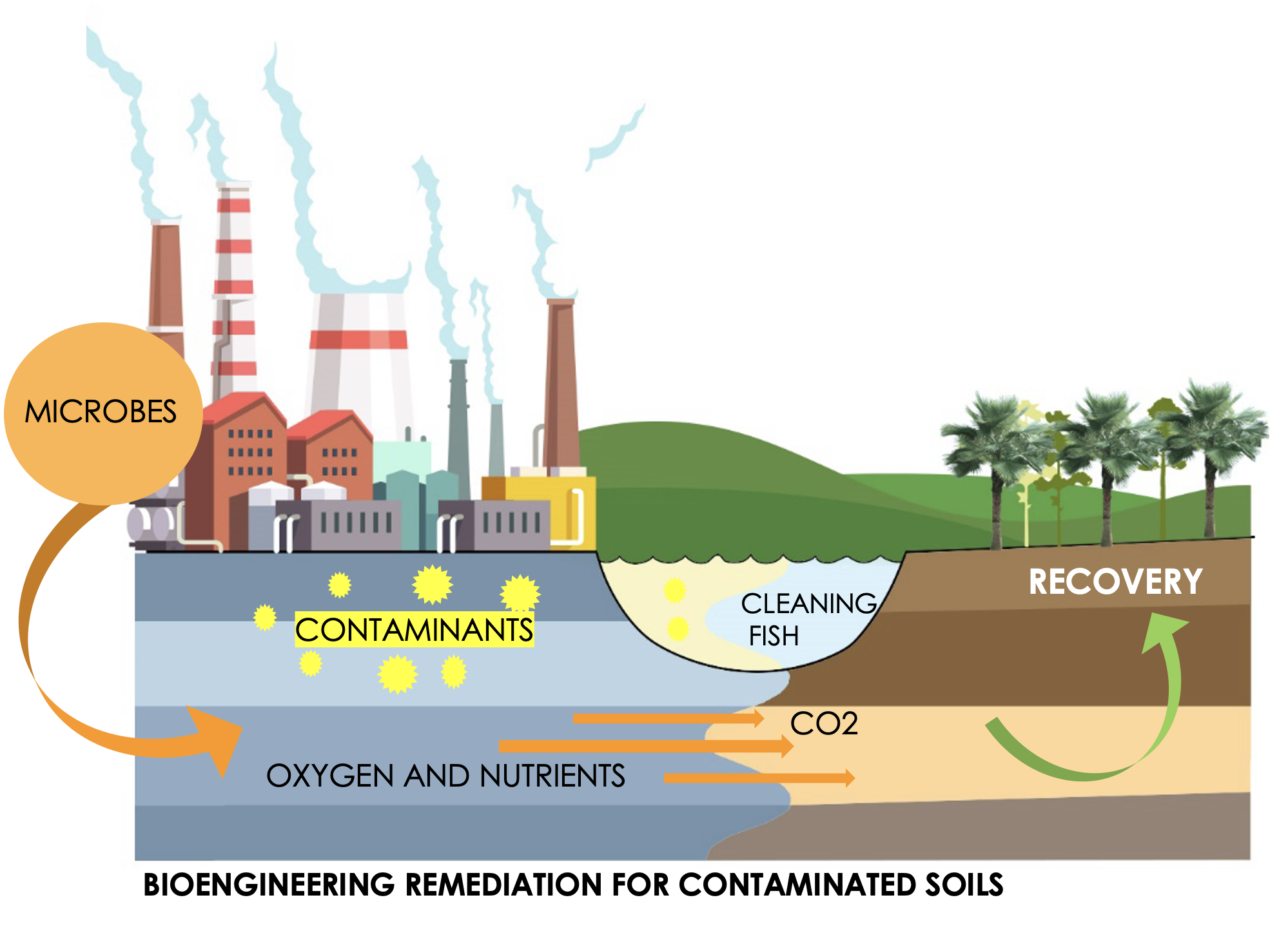
Bioengineering Remediation of Contaminated Soils involves the use of biological methods, such as plants, microbes, and soil organisms, to remediate soils contaminated by industrial waste, agrochemical overuse, mining activities, or urban runoff. Techniques like phytoremediation (using hyperaccumulator plants to extract heavy metals), microbial bioremediation (utilizing soil microbes to degrade pollutants), and mycoremediation (using fungi to break down organic contaminants) are employed to restore soil health.

These approaches are particularly relevant in Southeast Asia, where rapid industrialization, agricultural intensification, and poor waste management have led to widespread soil contamination. Technically, bioengineering remediation improves soil fertility and enhances ecosystem services, while also preventing pollutants from entering water systems.

At the landscape level, it promotes the restoration of degraded lands for agriculture or forestry, contributing to adaptive land management in the face of climate change. Economically and socially, it provides cost-effective alternatives to conventional chemical remediation, engages local communities in restoration efforts, and creates opportunities for green jobs. By reducing greenhouse gas emissions from degraded lands and enabling carbon sequestration, this NbS supports both climate mitigation and adaptation, fostering sustainable and resilient landscapes across the region.


  • Phytoremediation
  • Bioremediation
  • Mycoremediation
  • Soil restoration
  • Agroforestry based remediation
  • Water infiltration
  • Integrated landscape management
Biodiversity Loss Biodiversity Loss
Air Quality Improvement Air Quality Improvement
Carbon Sequestration Carbon Sequestration
Food Security Food Security

SUPPORTING

  • Soil Formation and Fertility Restoration: Enhances nutrient cycling and microbial activity, rebuilding soil structure and fertility.

REGULATING

  • Pollution Control: Removes heavy metals, pesticides, and persistent organic pollutants (POPs) from soils, reducing environmental contamination.

PROVISIONING

  • Sustainable Agricultural Productivity: Rehabilitated soils enable safe cultivation of crops, ensuring a reliable food supply.

SOCIAL BENEFITS

  • Livelihood Improvement: Provides opportunities for local communities through eco-friendly soil restoration practices and agricultural recovery.
NbS56_Bioengineering Remediation for Contaminated Soils_Legend
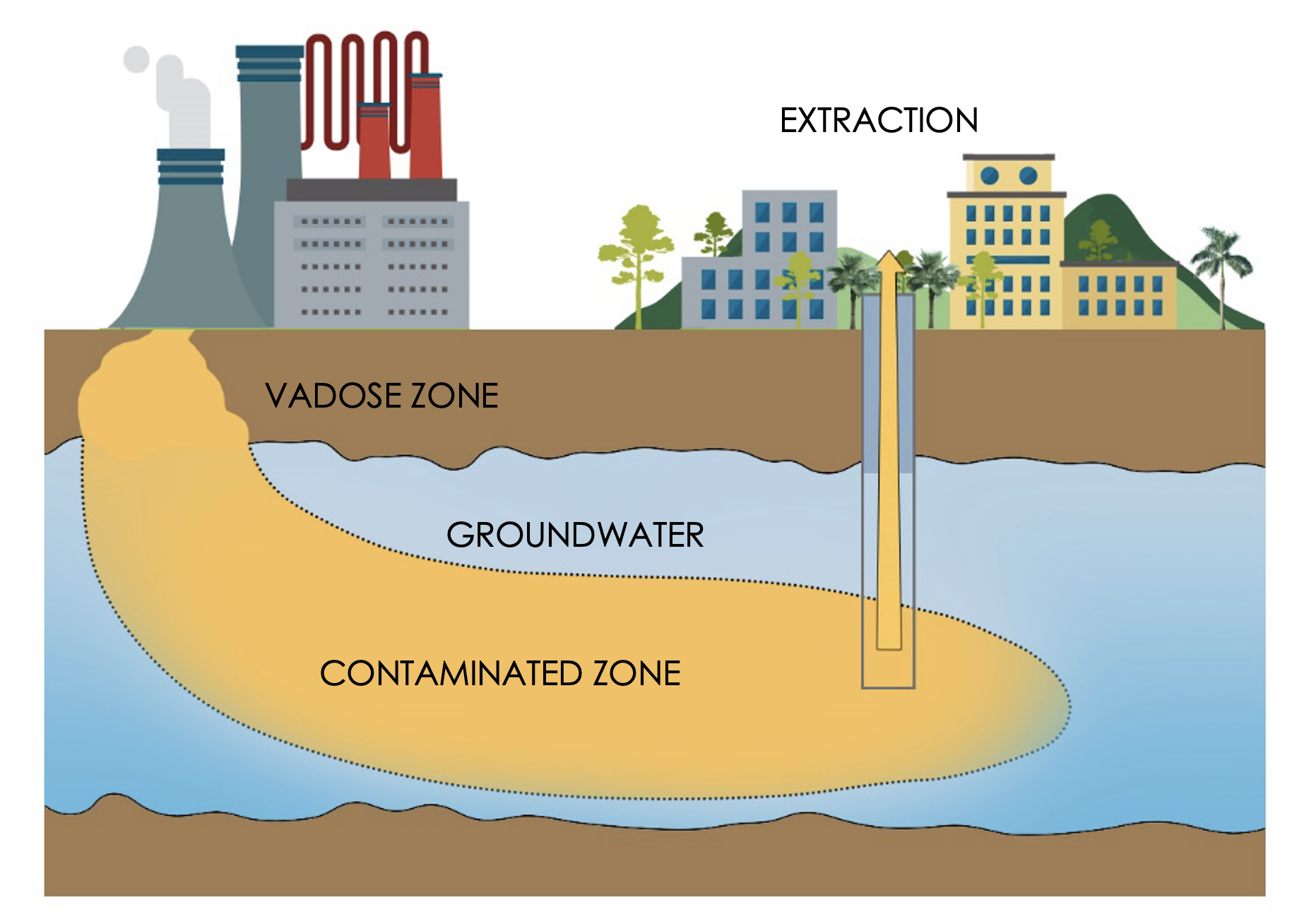
NbS56_Contaminated Zone_Legend

High Initial Costs: BRCS methods require substantial investments in technology, infrastructure, and expertise, which can be a barrier for some regions.

Variable Soil Contamination Profiles: The heterogeneity of soil contaminants across sites makes it challenging to standardize remediation techniques and achieve consistent results.

Climatic and Environmental Sensitivity: Extreme weather events can disrupt bioremediation processes and re-mobilize contaminants. Community Engagement : Limited understanding of bioengineering solutions among local stakeholders may hinder adoption and long-term maintenance of the restored sites.

Improved Soil Health

Increase in soil organic matter content by at least 20% post-remediation.

Enhanced Biodiversity

25% rise in plant and microbial diversity in remediated sites within three years.

Carbon Sequestration

Annual sequestration of 2–5 metric tons of CO₂ per hectare in rehabilitated soils.

Water Quality Improvement

Reduction of contaminant leaching into groundwater by over 50% within two years.

Increased Agricultural Productivity

15–30% yield improvement in crops grown on remediated soils compared to pre-remediation levels.

Community Livelihood Support

10% increase in local income opportunities through involvement in remediation projects and subsequent land use.

Direct Costs

Implementation costs range from $5k to $15k/ha, depending on the level of contamination and techniques used.

Indirect Costs

Monitoring, stakeholder engagement, and opportunity costs are estimated at $2 to $5k/ha.

Time Horizon

5–10 years with a recommended discount rate of 5% to 10% for long-term benefits.

Direct Benefits

Improved land value and agricultural productivity.

Indirect Benefits

Ecosystem service enhancements, such as improved water quality and carbon sequestration.

Risk Assessment

Potential project delays or failure due to site complexity or stakeholder challenges could result in 10–30% cost overruns.

REFERENCES

India, Jharia Coalfield Phytoremediation Project: Phytoremediation techniques to rehabilitate heavily polluted mining areas using hyperaccumulator plants like vetiver grass and Indian mustard.

IMPLEMENTATION OPPORTUNITIES

Thailand, Thamaka District: Contaminated rice fields affected by industrial wastewater discharge.

Philippines, Boac River Basin, Marinduque: An area impacted by the Marcopper mining disaster, where heavy metal contamination persists in soils and water bodies.