
Soil Microogranisms And Biofertilizers

Soil microorganisms reduce reliance on synthetic fertilizers, improving soil fertility, and enhancing nutrient cycling. These microorganisms, including nitrogen-fixing bacteria, phosphate-solubilizing fungi, and mycorrhizal fungi, support sustainable farming by mimicking and enhancing natural ecosystem processes.

By fixing atmospheric nitrogen and solubilizing non-bioavailable phosphorus, they make essential nutrients accessible to crops while reducing the environmental impact of excessive fertilizer use. Biofertilizers containing these microorganisms improve soil structure, suppress plant pathogens, and boost crop resilience, ensuring long-term agricultural productivity.

This NbS restores soil health and biodiversity while addressing critical challenges such as soil degradation, finite phosphorus reserves, and greenhouse gas emissions from chemical fertilizer production. In Southeast Asia, soil microorganisms can be game-changers for farmers facing environmental and socioeconomic pressures. The region’s high agricultural intensity has led to declining soil health, nutrient depletion, and water pollution from fertilizer runoff. Leveraging microbial biofertilizers tailored to Southeast Asia’s diverse soils and climates can help reverse these trends.

For example, integrating biofertilizers with traditional farming practices such as agroforestry can boost yields while preserving soil organic matter and mitigating erosion in upland areas. Additionally, biofertilizers are cost-effective alternatives to synthetic fertilizers, which are increasingly unaffordable for smallholder farmers due to rising global prices.


  • Pollution reduction
  • Water ressource protection
  • Improving nutrient cycling
  • Food security
  • Dryland adaption
  • Agroforestry & sustainable land management
Soil Erosion Soil Erosion
Biodiversity Loss Biodiversity Loss
Flood Control Flood Control
Carbon Sequestration Carbon Sequestration
Food Security Food Security

SUPPORTING

  • Nutrient cycling: Enhance nitrogen and phosphorus availability through biological nitrogen fixation (BNF) and phosphate solubilization, maintaining ecosystem productivity.

REGULATING

  • Climate regulation: Reduce greenhouse gas emissions by lowering synthetic fertilizer use and enhancing soil carbon sequestration.

PROVISIONING

  • Food production: Increase crop yields by improving nutrient uptake efficiency, ensuring sustainable agricultural productivity.

SOCIAL BENEFITS

  • Livelihood support: Reduce dependency on expensive chemical inputs, increasing profitability for smallholder farmers and fostering inclusive rural economies.
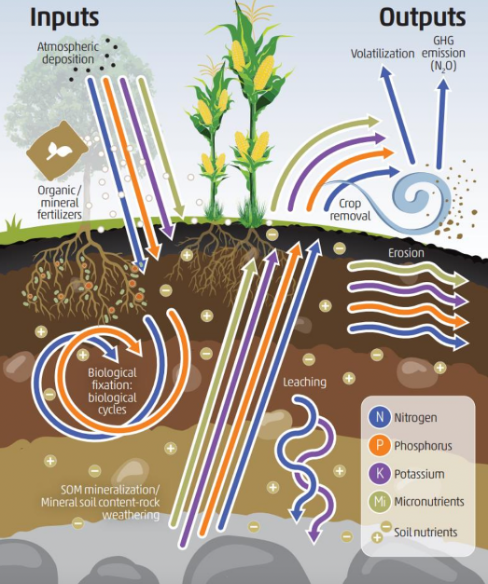
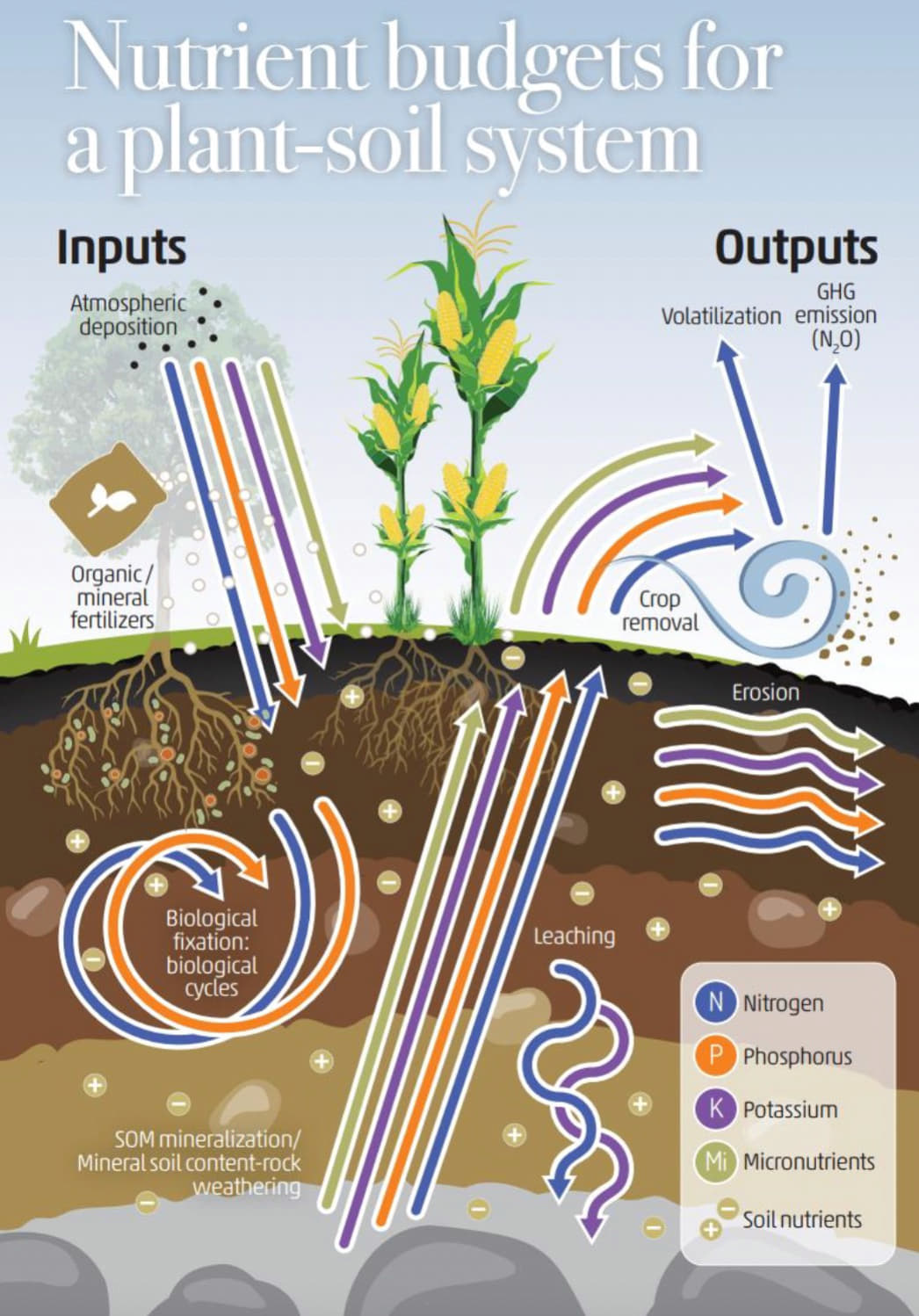
NbS55_Biofertilizers Inputs and Outputs
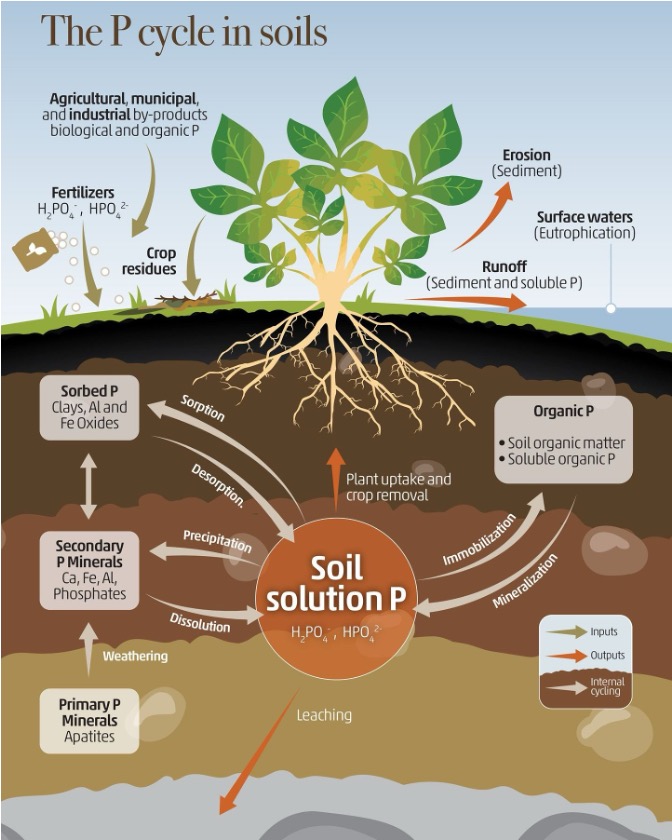
NbS55_P Cycle in Soils

Competition with native microbiomes: Introduced biofertilizers may face challenges from existing soil microbial communities

Variable soil conditions: High variability in soil pH, organic matter, and nutrient content can limit the performance and adaptability of biofertilizers.

Interaction with agricultural practices:

Pesticides and herbicides can disrupt microbial activity and reduce biofertilizer efficacy.

Market and scalability issues: Limited availability of affordable, high-quality biofertilizers and undeveloped distribution networks hinder widespread adoption by smallholder farmers.

Improved Soil Fertility

Increase in soil organic matter content and nutrient levels (e.g., nitrogen and phosphorus).

Enhanced Crop Productivity

Increase in soil organic matter content and nutrient levels (e.g., nitrogen and phosphorus).

Climate Change Mitigation

Reduction in greenhouse gas emissions, such as nitrous oxide, from decreased chemical fertilizer use.

Water Quality Protection

Reduction in nutrient runoff and eutrophication levels in nearby water bodies.

Biodiversity Conservation

Increase in microbial and plant diversity in agricultural soils.

Economic Savings for Farmers 

Decrease in fertilizer costs per growing season for smallholder farmers.

Direct Costs

Production and application of biofertilizers range from $50 to $200 /ha depending on the type and formulation.

Indirect Costs

Capacity building, training, and distribution infrastructure add $20 to $50 per hectare annually.

Time Horizon

Benefits typically materialize over a 5-10 year period with a discount rate of 5-7% applied to long-term investments.

Direct Benefits

Increased crop yields generating additional revenues.

Indirect Benefits

Improved soil health.

Risk Assessment

Potential variability in effectiveness.

REFERENCES

Vietnam: Enhancing Rice Production with Biofertilizers in the Mekong Delta.

India: Biofertilizer promotion in Maharashtra and Uttar Pradesh.

Africa: Mycorrhizal Biofertilizer (arbuscular mycorrhizal fungi) Application in Kenya.

IMPLEMENTATION OPPORTUNITIES

Philippines, Central Luzon: Intense rice and maize cultures.

Thailand, Isan Region : Poor, sandy soils and reliance on chemical fertilizers present an opportunity for nitrogen-fixing and phosphate-solubilizing biofertilizers to boost productivity sustainably.