
Rainforestation Farming

Rainforestation Farming is an innovative NbS that integrates reforestation with agroforestry to address landslides, soil erosion, and slope stabilization while enhancing biodiversity and supporting local livelihoods in Southeast Asia.

Unlike conventional reforestation, it prioritizes the use of native tropical tree species to restore ecological balance while incorporating shade-tolerant crops for economic benefits, making it highly adaptable to sloped and degraded landscapes.

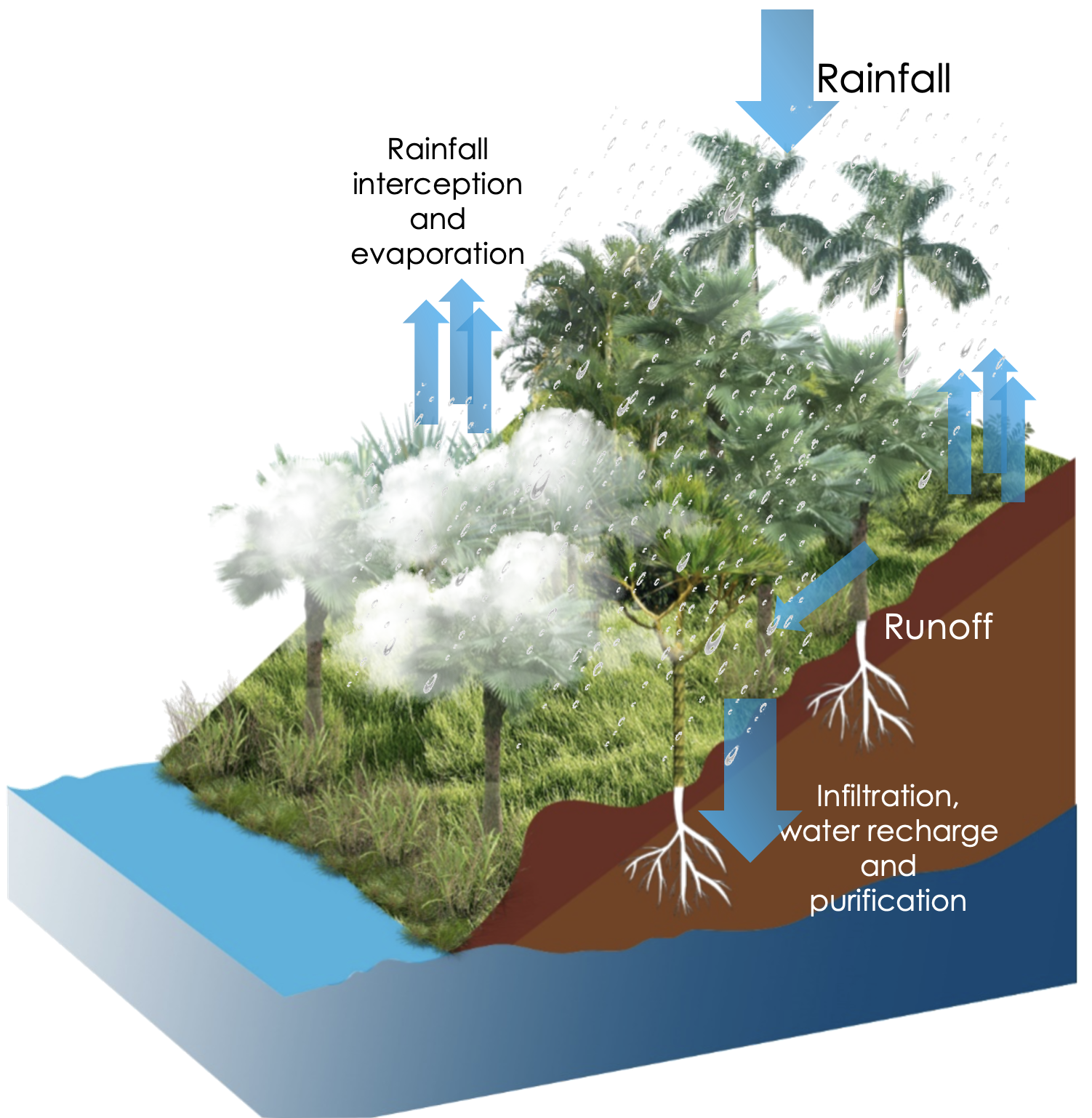
Rainforestation farming systems replicate natural forest structures, with multiple canopy layers that stabilize slopes, enhance soil water retention, and reduce surface runoff, thereby mitigating the risk of landslides and flash floods.

In the Philippines, where the approach was pioneered, species such as Narra (Pterocarpus indicus), Dao (Dracontomelon dao), and Rattan have proven effective in combining ecological restoration with economic outputs.

The system not only promotes reforestation but also ensures sustainable agricultural productivity, fostering food security, and reducing the dependency of communities on monoculture farming.

Technically and socially, it delivers a triple win: ecological resilience, economic opportunity, and disaster risk reduction, making it a holistic solution for the challenges faced in Southeast Asia’s forested and agricultural landscapes.


  • Ecosystem restoration
  • Biodiversity conservation
  • Climate change mitigation
  • Sustainable livelihoods
  • Water & soil regulation
Soil Erosion Soil Erosion
Disaster Risk Reduction Disaster Risk Reduction
Biodiversity Loss Biodiversity Loss
Food Security Food Security

SUPPORTING

  • Soil health improvement: Facilitates nutrient cycling and soil aeration through enhanced water infiltration.

REGULATING

  • Flood mitigation: Reduces stormwater runoff and prevents urban flooding by increasing water infiltration.
  • Urban cooling: Lowers ambient temperatures by reducing heat island effects through greenery and water retention.

PROVISIONING

  • Groundwater recharge: Replenishes local aquifers by allowing rainwater to percolate into the ground.

SOCIAL BENEFITS

  • Improved walkability and livability: Enhances urban aesthetics and encourages pedestrian-friendly environments.
  • Disaster resilience: Builds community resilience against climate impacts like floods and heatwaves.
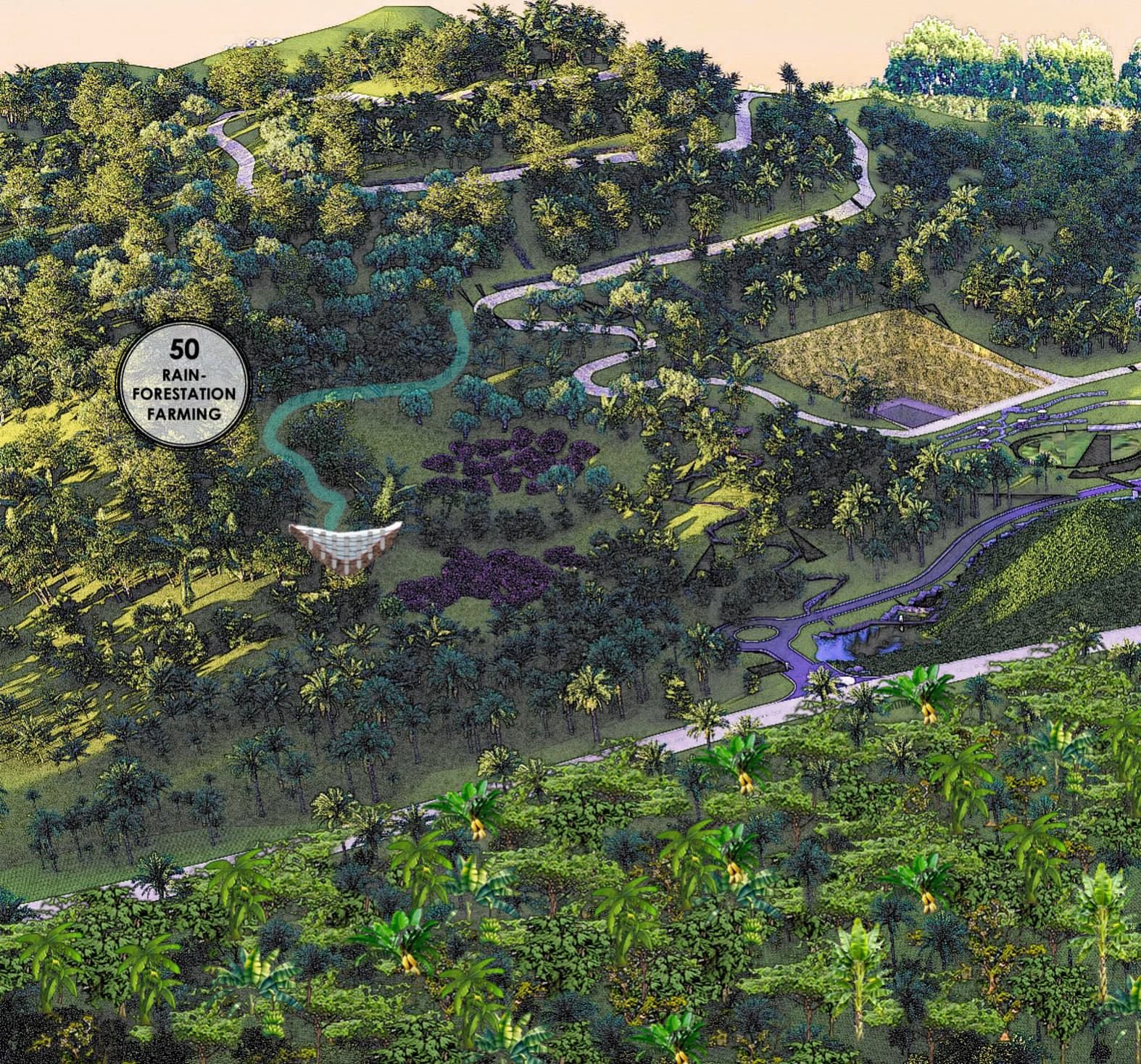
NbS50_Rainforestation Farming 3D section

Initial Costs and Maintenance: Establishing rainforestation sites can be costly due to the need for native seedlings, technical training, and labor for site preparation.

Timeframe for Benefits: Unlike fast-growing monocultures, native trees take longer to grow and produce economic returns, which may deter smallholder farmers who need short-term income.

Complexity of Implementation: Successful implementation requires expertise in native species selection, site-specific ecosystem restoration, and sustainable farming practices.

Competition for Land: Competition with other land uses like monoculture plantations or housing, especially in areas with high population pressure.

Biodiversity Restoration

Increase in native tree species richness per hectare by 50%-70% within 5 years.

Soil stabilisation and erosion control

Reduction in soil erosion rates by up to 60% on reforested slopes within 3 years.

Carbon Sequestration

Annual sequestration of 5-10 tons of CO₂ equivalent per hectare in mixed agroforestry systems.

Food Security Enhancement

Annual yield of agroforestry crops (e.g., coffee, cacao, or root crops) contributing to 20%-30% of household income within 3 years.

Improved Watershed Protection

Reduction in peak runoff volume by up to 40% during heavy rains, improving downstream water quality.

Community Resilience and Livelihood Support

30%-50% increase in income diversification among participating households due to tree products and agroforestry crops.

Direct Costs

Establishment costs of $1,500–$3,000 per hectare, including planting materials, labor, and training.

Indirect Costs

$500–$1,000/ha annually for maintenance, monitoring, and opportunity costs of initial land-use changes.

Time Horizon

20–30 years with a discount rate of 5%–7%, considering long-term ecological and livelihood benefits.

Direct Benefits

$2,000–$4,000 per hectare annually from agroforestry yields like fruits, timber, and crops after 3–5 years.

Indirect Benefits

Ecosystem services valued at $5,000–$7,000/ha annually, including carbon sequestration, water regulation, and biodiversity conservation.

Risk Assessment

Medium risk due to potential challenges like invasive species, market access, and community buy-in.

REFERENCES

The Philippines, Mount Pangasugan, Leyte Rainforestation Initiative.

Indonesia, Java, Gunung Kidul Regency Forest Landscape Restoration.

Thailand, Mae Chaem Watershed Agroforestry.

IMPLEMENTATION OPPORTUNITIES

Timor, Leste, Maubisse Highlands.

Cambodia, Cardamom Mountains, agroforestry crops like durian and rambutan.