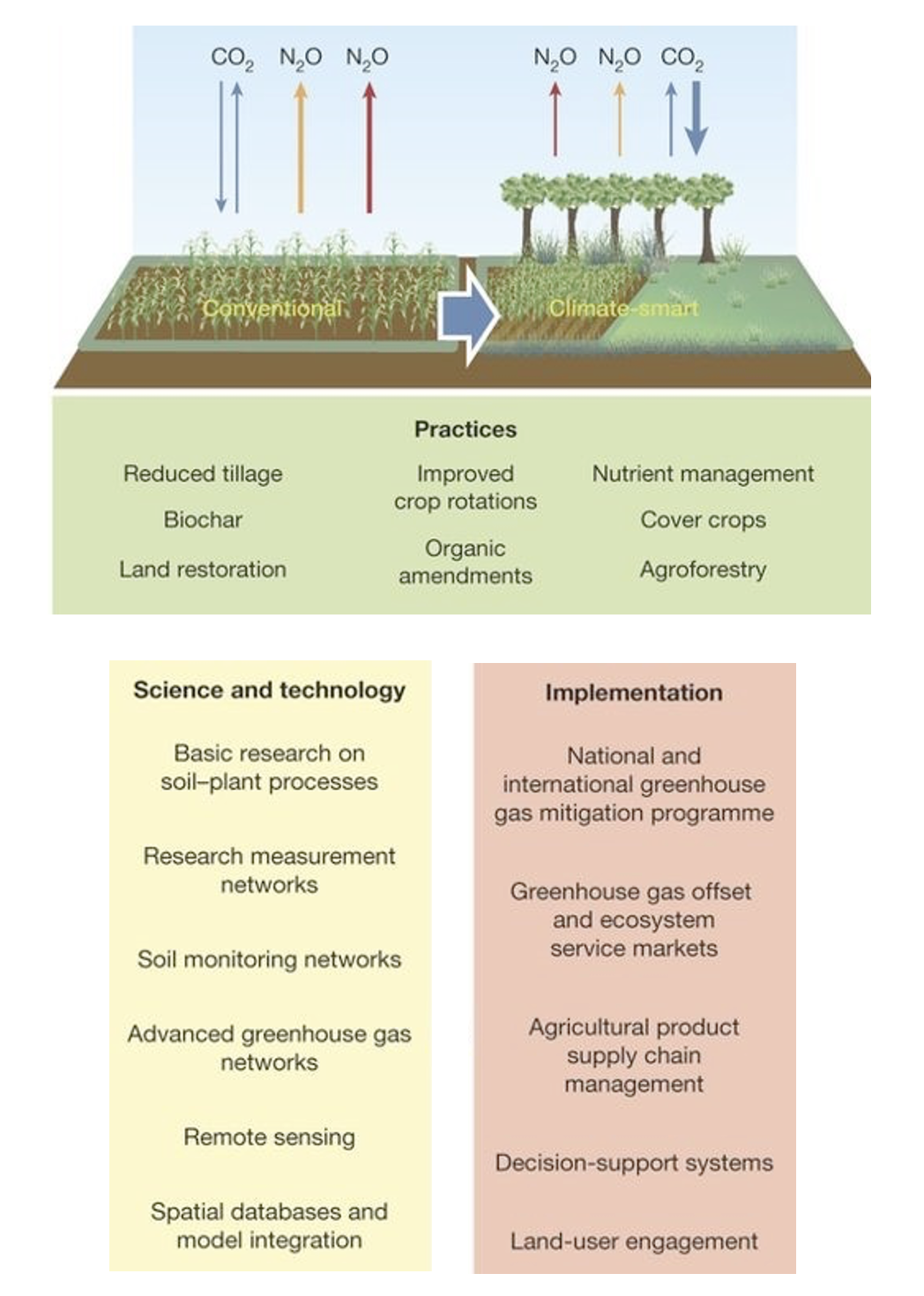

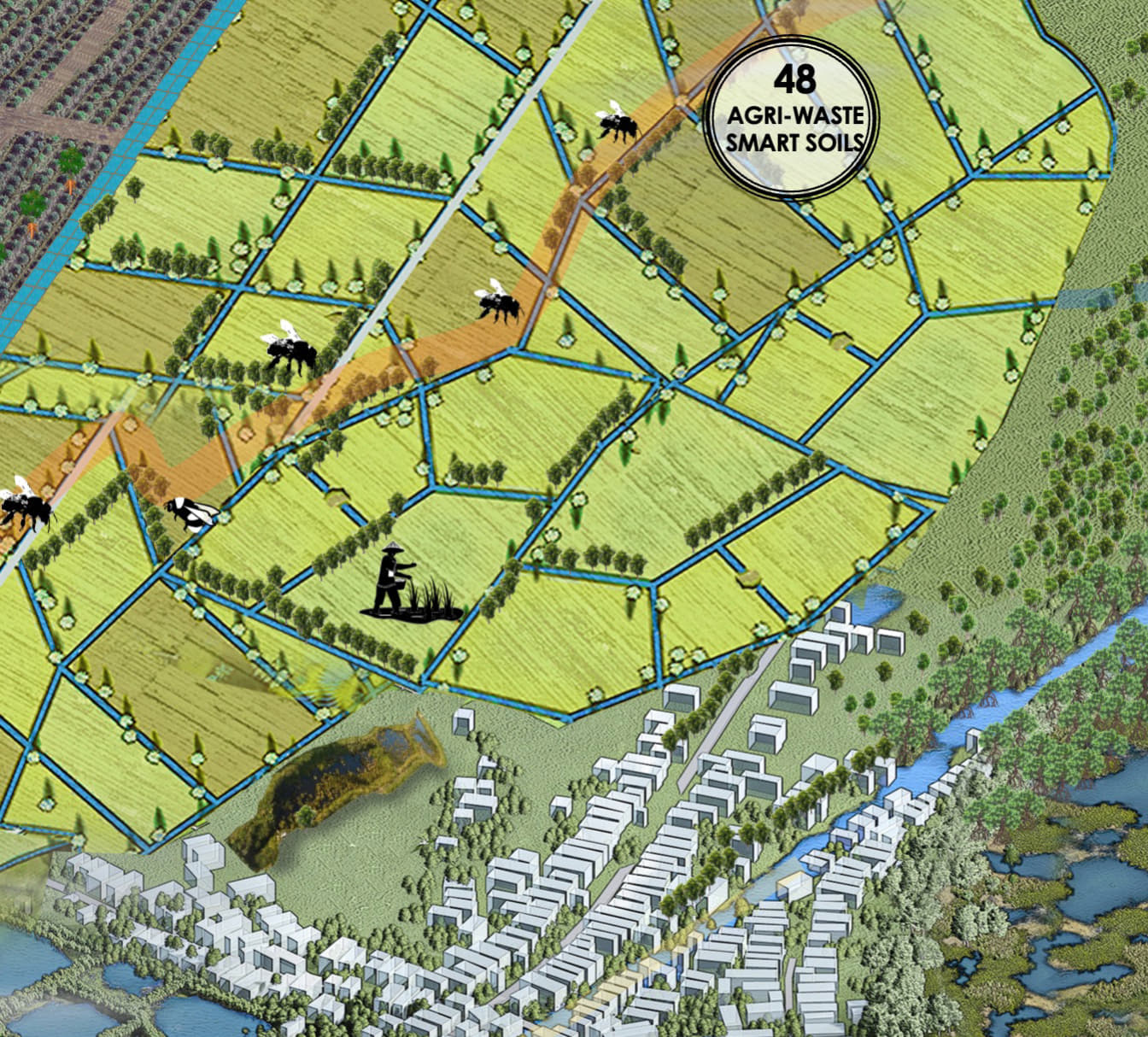
Agri-waste smart soils transform agricultural by-products, such as crop residues, animal manure, and agro-industrial waste, into soil amendments like compost, biochar, and organic mulches.
These amendments enrich soil organic matter, enhance water retention, and improve nutrient availability, fostering long-term soil fertility and resilience.
In Southeast Asia, this approach offers a circular economy model that minimizes waste while addressing soil degradation and nutrient depletion. By recycling organic waste back into farmlands, agri-waste smart soils reduce dependence on chemical fertilizers and mitigate environmental pollution, contributing to sustainable farming practices that support local livelihoods and ecosystem health.
In the region’s diverse agricultural landscapes—ranging from rice paddies in the Mekong Delta to plantation systems in Indonesia—agri-waste smart soils address pressing challenges like declining soil quality, water scarcity, and climate vulnerability.
The addition of biochar or compost not only improves soil structure but also sequesters carbon, making it a viable climate mitigation strategy.
Furthermore, by enhancing soil’s ability to retain nutrients and water, this NbS helps farmers adapt to erratic rainfall patterns and droughts exacerbated by climate change.
The approach aligns with the goals of regenerative agriculture by rebuilding soil fertility, enhancing biodiversity, and promoting sustainable crop productivity, making it a crucial tool for resilient food systems in Southeast Asia.