
Urban agriculture can serve as a multifunctional nature-based solution (NbS) for Southeast Asian cities, addressing food security, climate adaptation, and sustainable green infrastructure.
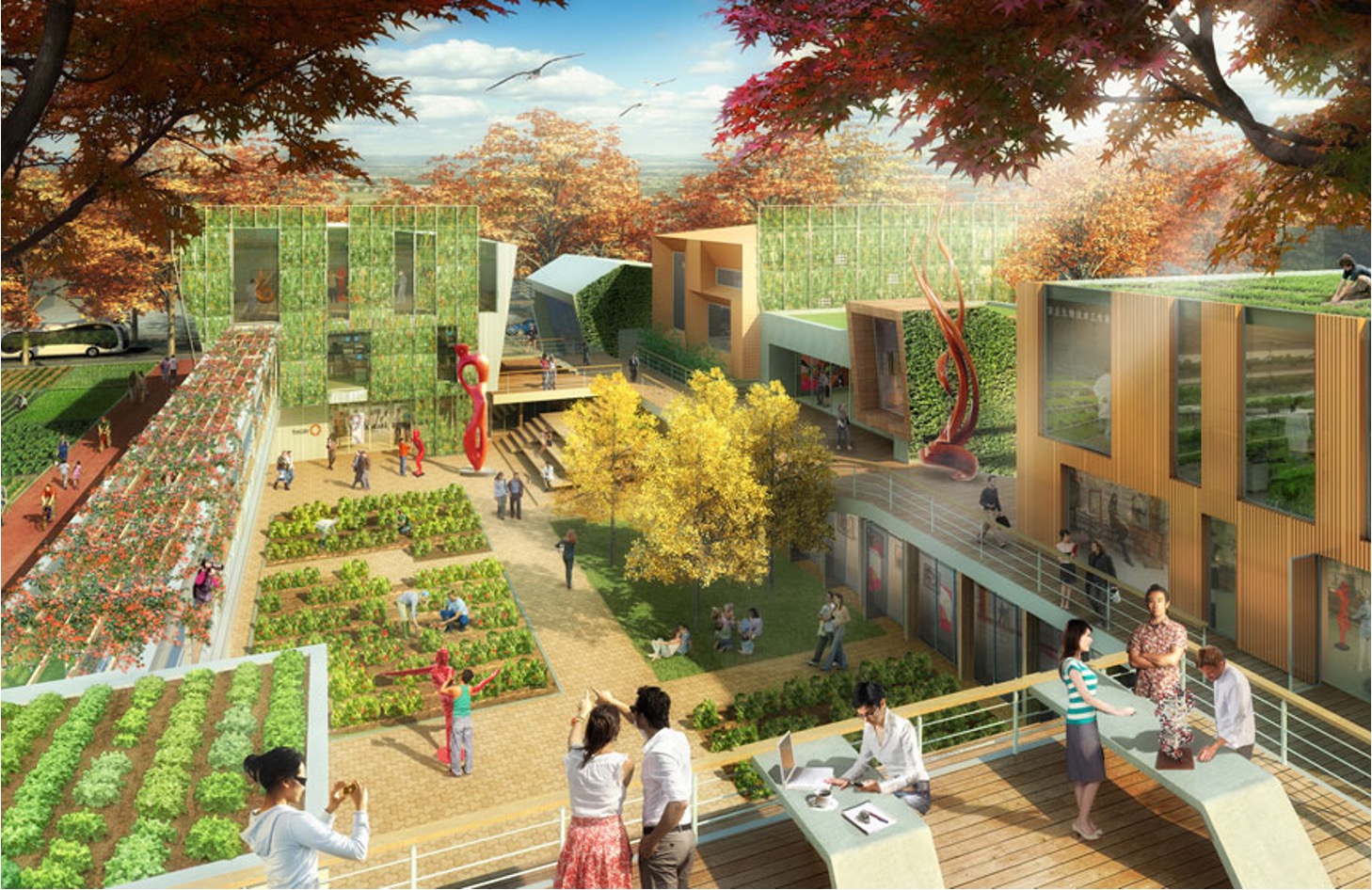
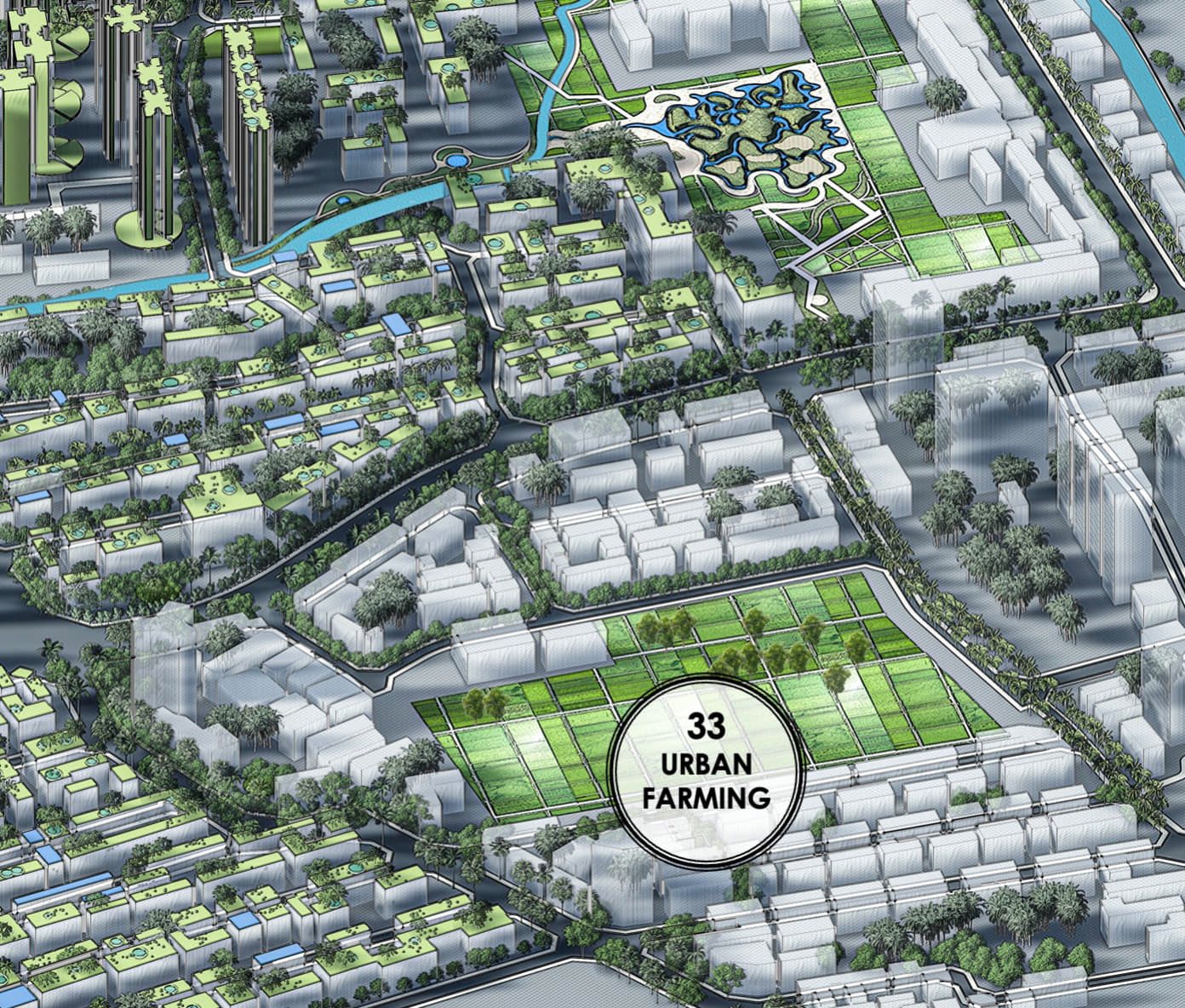
By integrating farming practices into urban spaces like rooftops, vacant lots, and peri-urban areas, it helps mitigate the urban heat island effect, improves air quality, and enhances water retention.
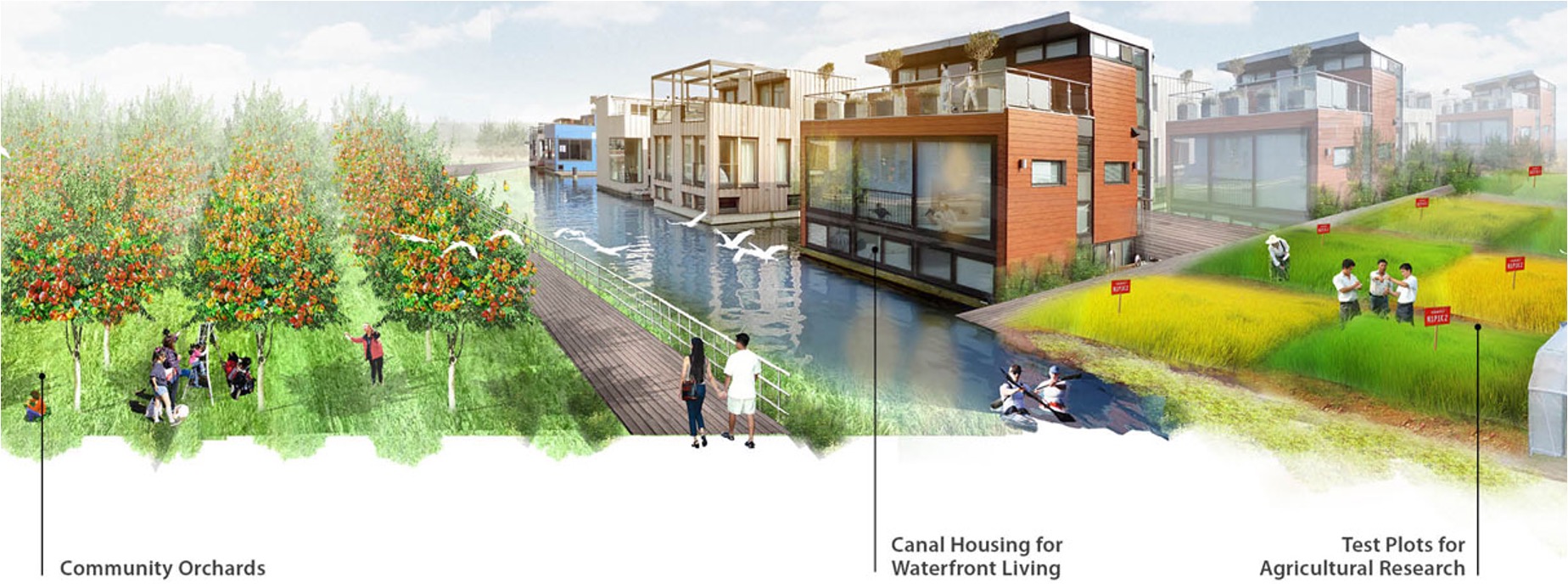
Urban agriculture can contribute to soil bioremediation through the use of biochar and organic farming practices, while green roofs and vertical gardens provide additional space for crop cultivation, reducing pressure on rural lands. In tropical and equatorial climates, urban agriculture offers year-round productivity, supporting local food systems and reducing reliance on food imports, while also creating green jobs and fostering community engagement.
Additionally, urban agriculture enhances biodiversity by providing habitats for pollinators and promoting ecosystem services, such as nutrient cycling and carbon sequestration, making it a holistic solution for climate resilience and sustainable urban living.