
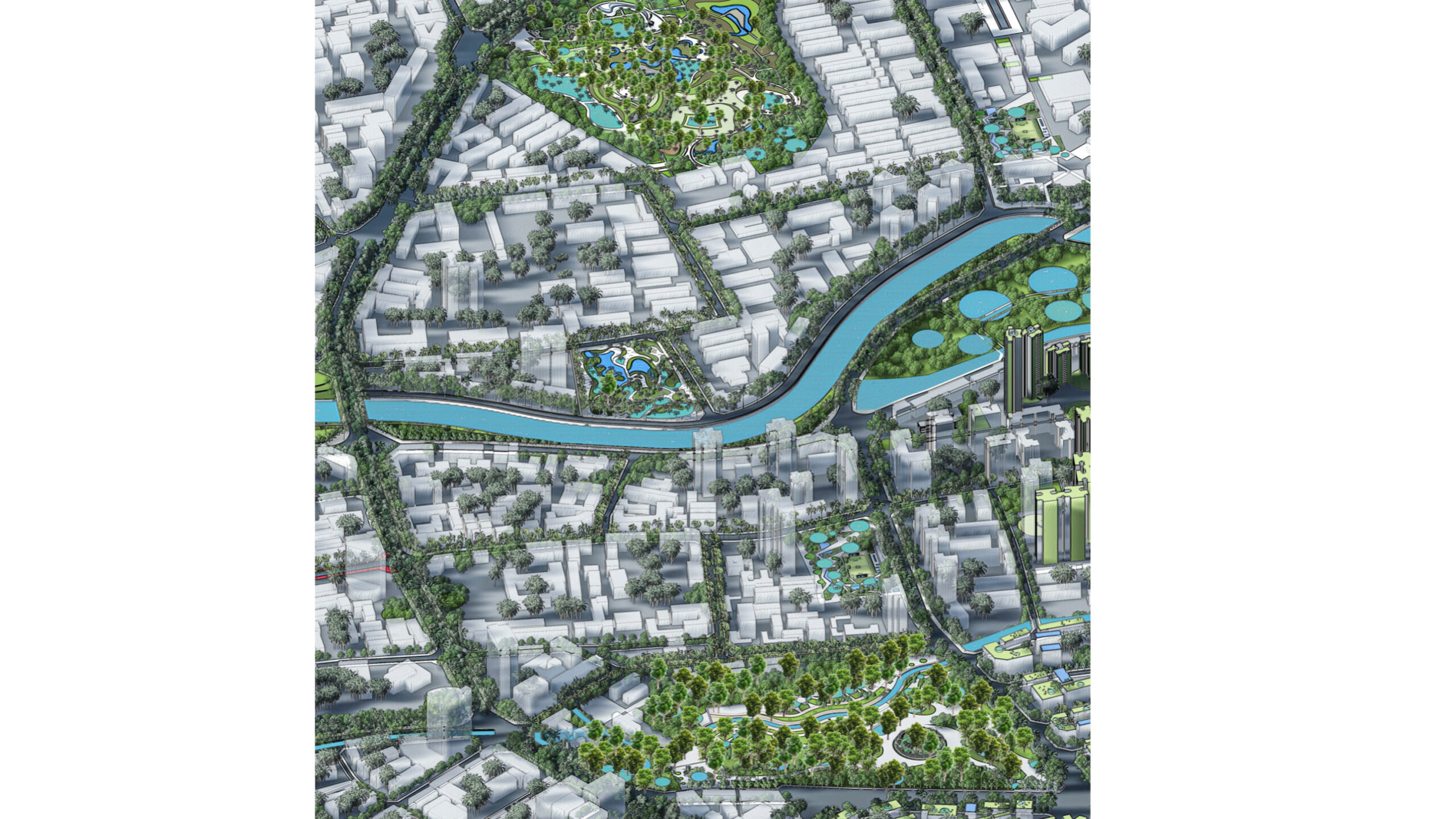
Urban Forest And Tree Canopy

Urban forests and tree canopies play a critical role in addressing a range of climate challenges in cities of Southeast Asia, such as urban heat islands, flooding, and biodiversity loss.In tropical and equatorial climates, these green infrastructures provide multiple benefits, including temperature regulation through shading and evapotranspiration, improving air quality, enhancing stormwater management through water retention, and mitigating flooding risks.

Urban forests and linear street tree canopies also create biodiversity corridors, supporting wildlife while enhancing the aesthetic and recreational value of urban spaces. These green areas are particularly valuable in densely populated cities and industrial zones, as they reduce the impacts of heat stress, improve resilience to extreme weather events, and support the livelihoods of local communities through enhanced quality of life.

The social and economic advantages are further realized in terms of reduced energy costs, increased property values, and enhanced public health. For example, Singapore’s extensive urban greening programs have demonstrated how integrating green cover into urban planning can enhance resilience, while cities like Jakarta and Manila can benefit from expanded green corridors to manage floodwaters and boost urban resilience to climate change.


  • Biodiversity conservation
  • Soil erosion prevention
  • Pollution control
  • Climate regulation
  • Water management
Biodiversity Loss Biodiversity Loss
Flood Control Flood Control
Urban Heat Island and Air Quality Improvement Urban Heat Island and Air Quality Improvement

SUPPORTING

  • Habitat provision for local wildlife, promoting biodiversity.
  • Soil formation and nutrient cycling, supporting healthy ecosystems.

REGULATING

  • Temperature regulation through shading, reducing the urban heat island effect.
  • Stormwater management by enhancing water infiltration and reducing surface runoff.

PROVISIONING

  • Provision of timber, fruits, and medicinal plants for local communities.
  • Access to wood products and other natural resources for sustainable livelihoods.

SOCIAL BENEFITS

  • Improved mental and physical health by providing green spaces for recreation and relaxation.
  • Increased community cohesion and engagement through public involvement in tree planting and forest management initiatives.
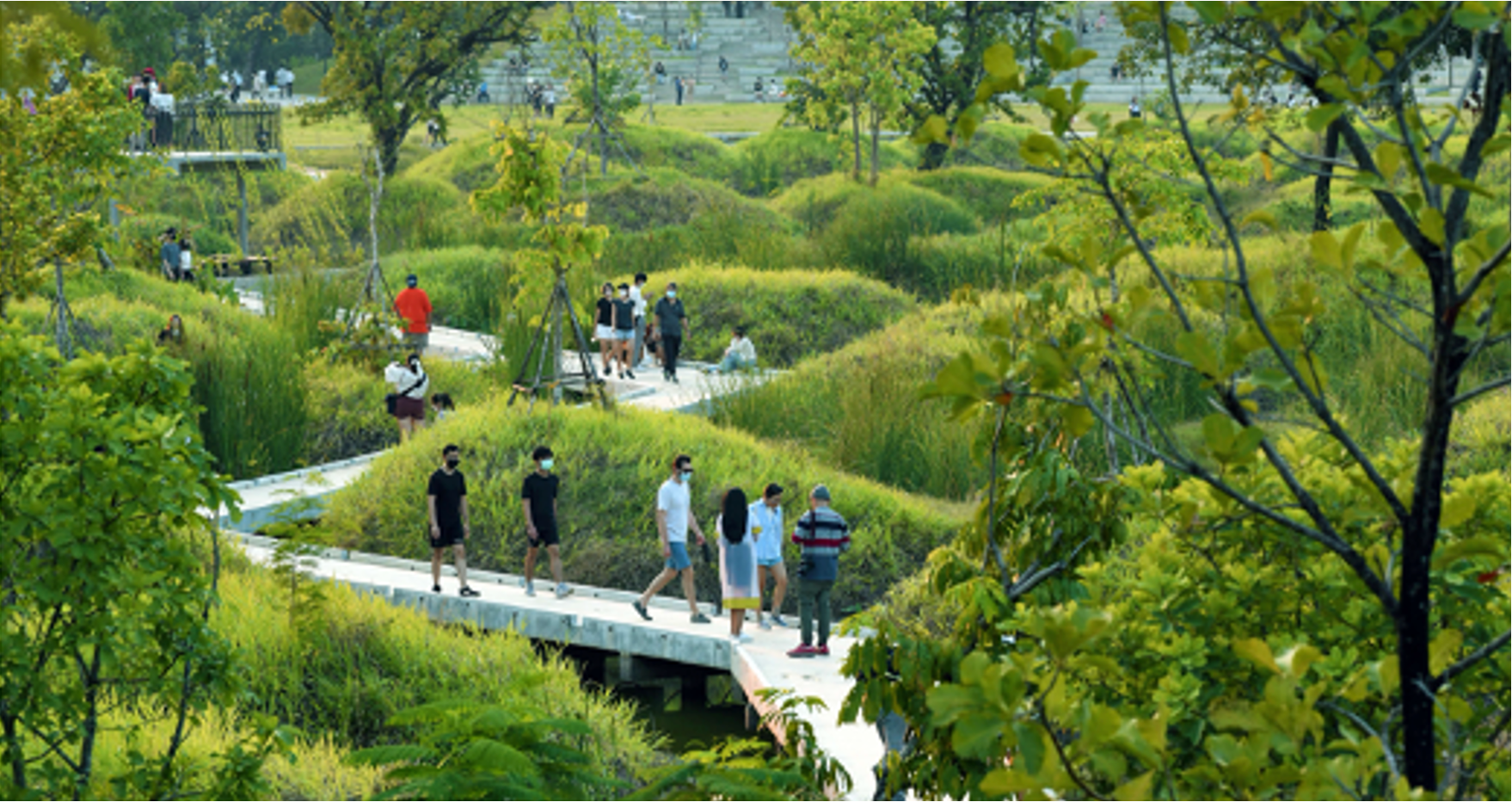
NbS30_Benchakitti Park Photo
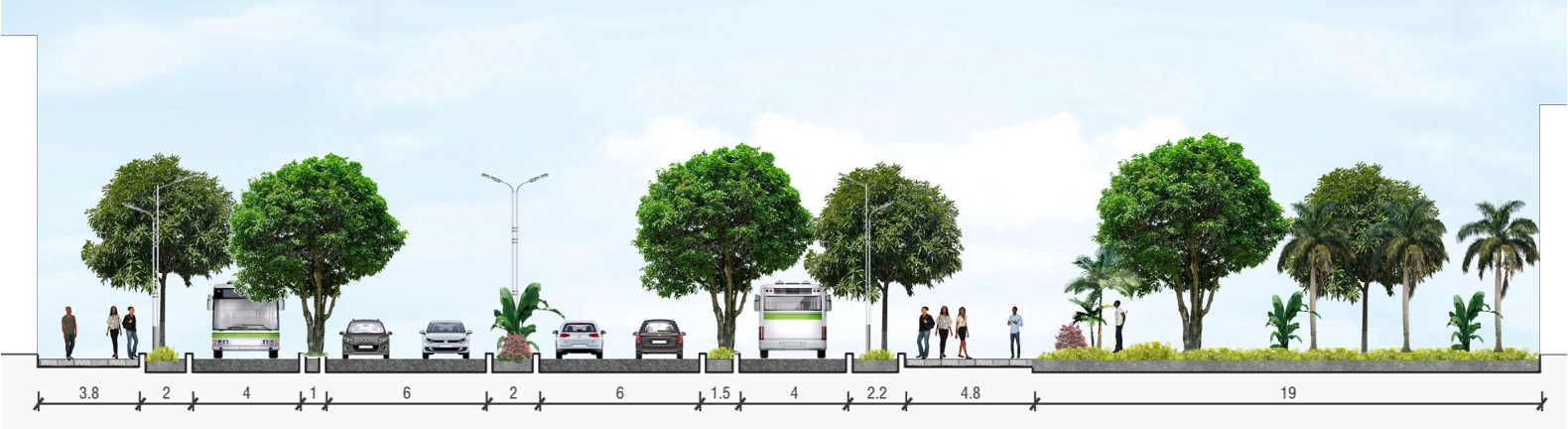
NbS30_Green Avenue Section
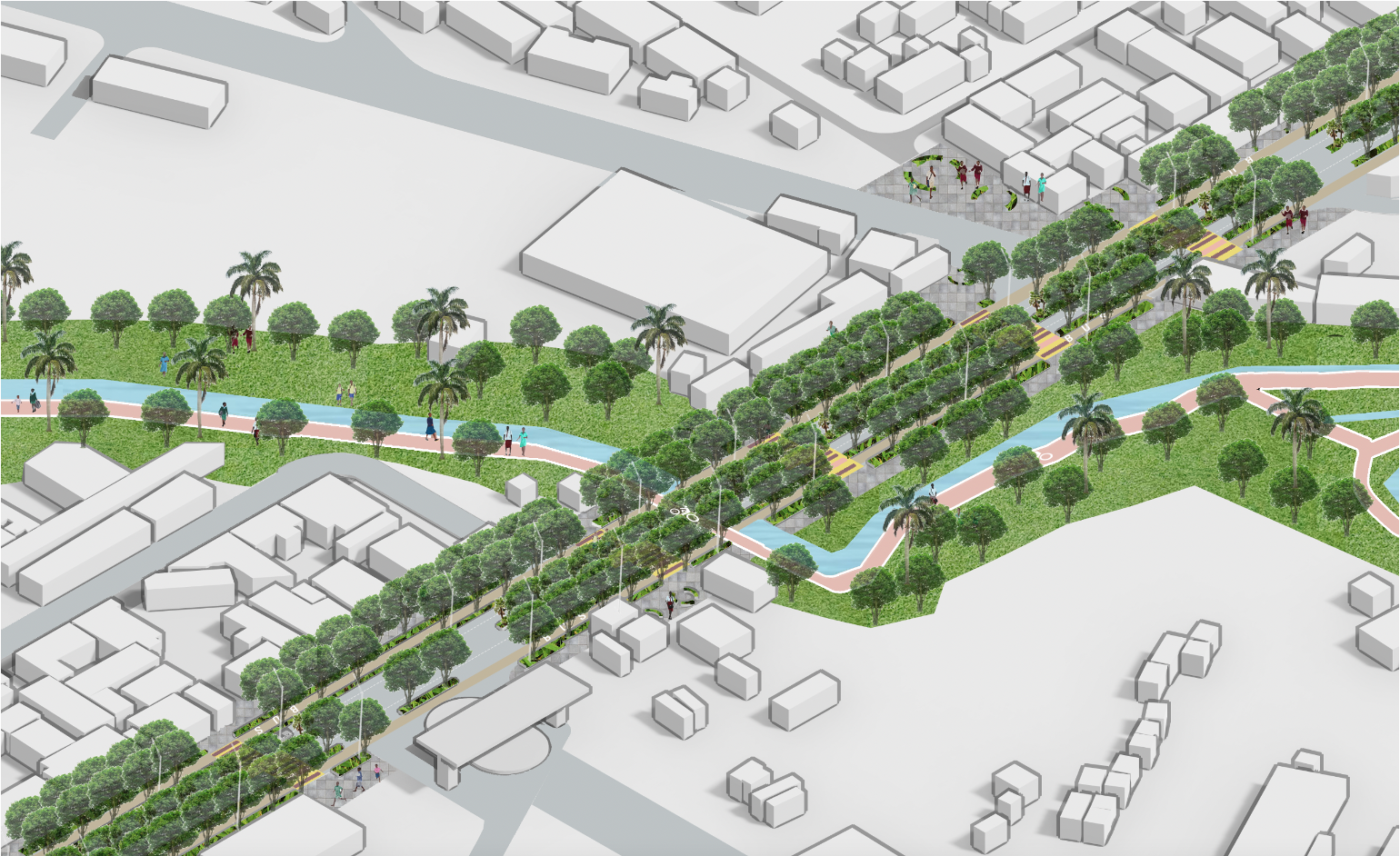
NbS30_Riverside Tree Canopy Axo

Land Availability: Limited space in densely populated urban areas can restrict the planting and maintenance of urban forests and tree canopies.

Invasive Species: The introduction of non-native tree species may disrupt local ecosystems, threatening biodiversity and ecosystem balance.

Climate Change: Rising temperatures and erratic rainfall patterns can affect the survival and growth of certain tree species in urban environments.

Maintenance Costs: Regular care, watering, and pruning of trees in urban areas can be resource-intensive, especially in rapidly growing cities with limited budgets.

Urban Heat Island Mitigation

Reduction in surface temperatures by up to 5°C in tree-covered areas.

Flood Management and Water Retention

Increase in stormwater retention capacity by 30-50% in green urban spaces.

Biodiversity Support

Increase in species diversity in urban areas, with a recorded 15% rise in urban bird populations.

Air Quality Improvement

Reduction of PM2.5 by up to 30% in areas with dense tree canopies.

Carbon Sequestration

Carbon sequestration of 1-2 tons of CO2 per hectare per year in urban forests.

Social and Recreational Benefits

Increased public park visitation by 20-40%, promoting physical and mental well-being.

Direct Costs

Initial costs (tree selection, installation, infrastructure adjustments) from $10k–$50k/ha (depends on tree species and urban context).

Indirect Costs

Ongoing maintenance (pruning, watering, and pest management) from $1k–$5k/year/hectare.

Time Horizon

Benefits accrue over a long time period, often 20-50 years, with a discount rate of 3-5% for long-term urban planning.

Direct Benefits

Cost savings from reduced energy use due to urban heat island mitigation and reduced flooding.

Indirect Benefits

Social and health benefits, such as improved mental well-being and increased property values.

Risk Assessment

Potential risks include high maintenance costs, especially in densely built areas, and tree mortality from disease or extreme weather.

REFERENCES

Singapore : Park Connector Network (PCN) green walkable corridors.

Indonesia, Jakarta, Taman Kota, Urban Forests.

Thailand, Bangkok, Benchakitti Park.

IMPLEMENTATION OPPORTUNITIES

Vietnam, Hanoi, along new metro lines and stations along with green transit-oriented development. Ho Chi Minh City along the river.

Thailand, Bangkok along transport corridors.

Field “nbs_practice_pdf_upload” does not exist or is empty.