
Tidal Flat Nourishment

Tidal flat nourishment focuses on restoring and stabilizing soft, silty shorelines through a blend of natural and eco-engineered materials.

Tidal flats are coastal areas that are exposed during low tide and submerged during high tide, often serving as critical habitats for wildlife, including migratory birds and marine organisms.

This method combines traditional sand nourishment with biodegradable elements like sediment mats, coir logs, and organic substrates to reinforce unstable muddy surfaces. The added sand facilitates sediment accretion, reduces erosion, and fosters the growth of coastal vegetation such as mangroves and salt marsh grasses, which play a critical role in stabilizing sediments.

By promoting biodiversity, improving water clarity, and curbing sediment runoff, tidal flat nourishment enhances the ecological balance of coastal zones.


  • Ecosystem based adaptation
  • Ecosystem based disaster risk reduction
  • Ecosystem restoration
  • Integrated coastal zone management
  • Green infrastructure
Biodiversity Loss Biodiversity Loss
Flood Control Flood Control
Disaster Risk Reduction Disaster Risk Reduction
Carbon Sequestration Carbon Sequestration

SUPPORTING:

  • Maintain biodiversity by providing habitats for diverse species, including breeding and feeding grounds.
  • Enable nutrient cycling, ensuring the availability of essential nutrients for plants and animals.
  • Foster soil formation and stabilization, preventing land degradation and promoting ecosystem health.

REGULATING:

  • Buffer against storm surges, wave energy, and erosion, reducing risks to coastal infrastructure.
  • Sequester and store significant amounts of carbon.
  • Filter pollutants, sediments, and excess nutrients from water, improving water quality.
  • Reduce the impact of coastal and riverine flooding by absorbing and holding water.

PROVISIONING

  • Provide food, including fish, shellfish, fruits, and crops essential for nutrition and livelihoods.
  • Supply freshwater for drinking, agriculture, and industrial purposes.
  • Deliver raw materials such as timber, fuel, and fibers for construction and energy needs. Offer medicinal resources, including plants and organisms used in traditional and modern medicine.

SOCIAL BENEFITS

  • Provide recreational opportunities such as hiking, bird-watching, and snorkeling, promoting well-being.
  • Serve as a resource for education and scientific discovery, deepening knowledge and innovation.
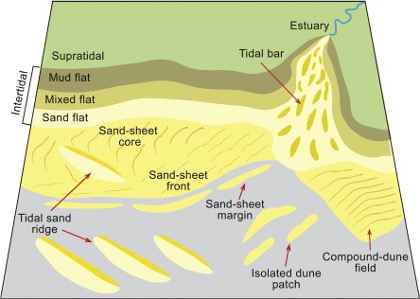
NbS18_Environments of deposition within a tidal flat system
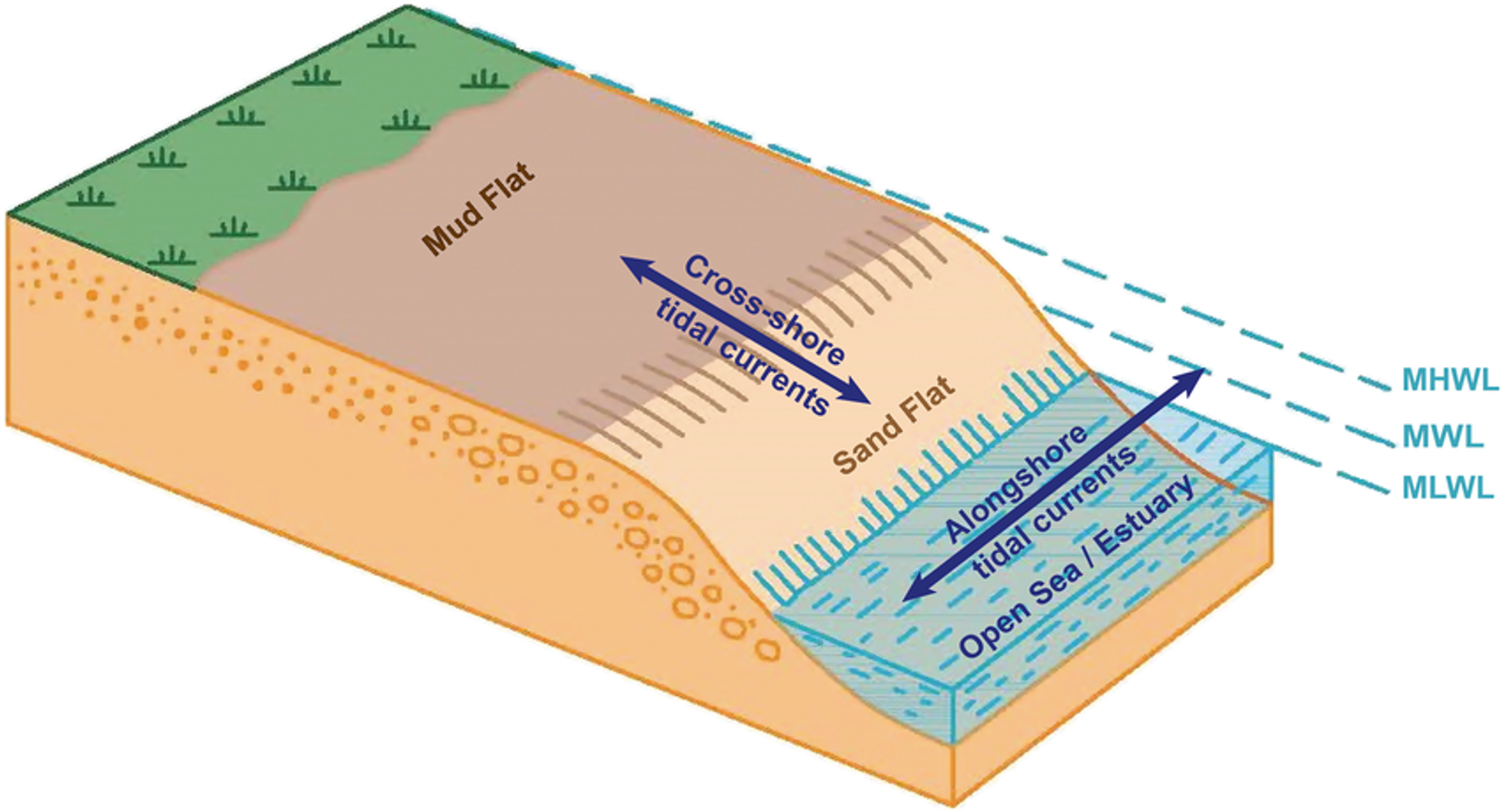
NbS18_Profile sand-mud tidal flat influenced by tidal currents

Sediment Quality and Contamination: The sediment used for nourishment must closely match the natural sediment in the tidal flat to ensure compatibility and protect the ecosystem.

Erosion and Redistribution : High-energy environments can erode or redistribute the nourished sediment, making the effort less effective.

Ecological Disruption: The nourishment process can disturb existing habitats, smother benthic organisms, and temporarily disrupt the ecological balance. Economic and

Logistical Constraints : Tidal flat nourishment projects can be expensive and logistically complex.

Biodiversity Enhancement

Increased abundance and diversity of bird, fish, and invertebrate, species using the restored area as breeding or feeding grounds.

Coastal Protection

Reduction in wave height and energy, rate of shoreline erosion (before and after nourishment).

Flood Mitigation

Reduction in floodwater levels during storm events, area of land protected from flooding.

Water Quality Improvement

Levels of nitrogen, phosphorus, and pollutants in water, turbidity reduction (water clarity).

Fishery Productivity

Increase in fish and shellfish populations. Catch per unit effort (CPUE) for fisheries.

Community Resilience

Number of households benefiting from reduced flood risks, community engagement in restoration.

Direct Costs

Materials, transport, labor, equipment :$350,000 – $1,200,000/ha.

Indirect Costs

Assessments, community engagement, opportunity costs : $30,000 – $80,000/ha.

Time Horizon

Short-term (1-5 years): project setup, material placement, and initial monitoring. Long-term (15+ years): full restoration benefits.

Direct Benefits

Flood mitigation, erosion control, biodiversity boost.

Indirect Benefits

Carbon sequestration, water quality, community resilience.

Risk Assessment

Overnourishment may smother existing ecosystems or alter water flow, poor sediment placement or inadequate materials could lead to project failure.

REFERENCES

Netherlands, Oosterschelde (Eastern Scheldt), Galgeplaat.

New Zealand, Stewart island, natural tidal flats.

Ireland, North Slob, Wexford, natural tidal flats.

IMPLEMENTATION OPPORTUNITIES

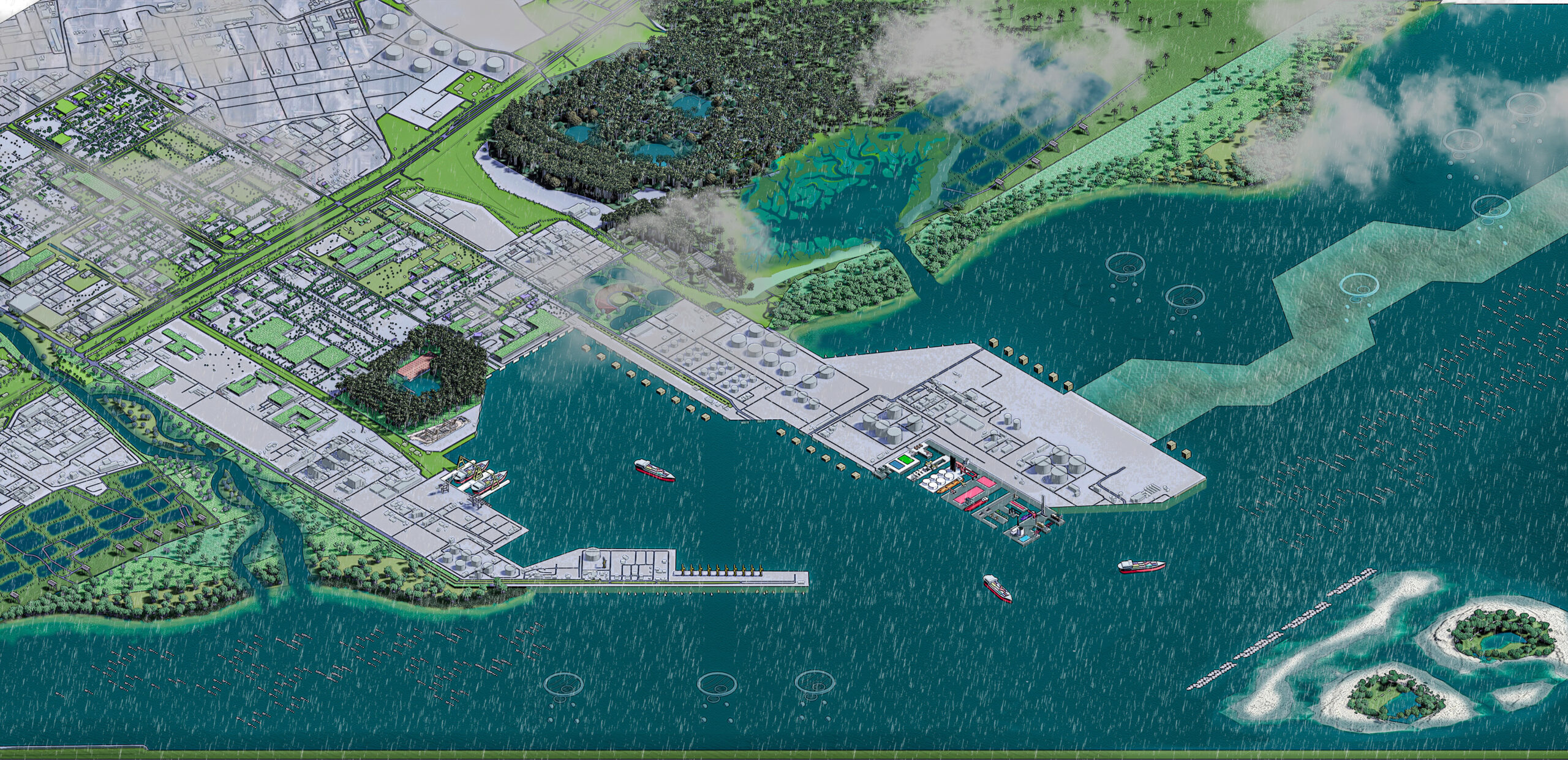
Indonesia, Demak Regency, Central Java (conditions favourable for tidal flat recovery and mangrove regrowth). Vietnam, Ca Mau Peninsula, Mekong delta (severe erosion and land loss and degraded tidal flats).