
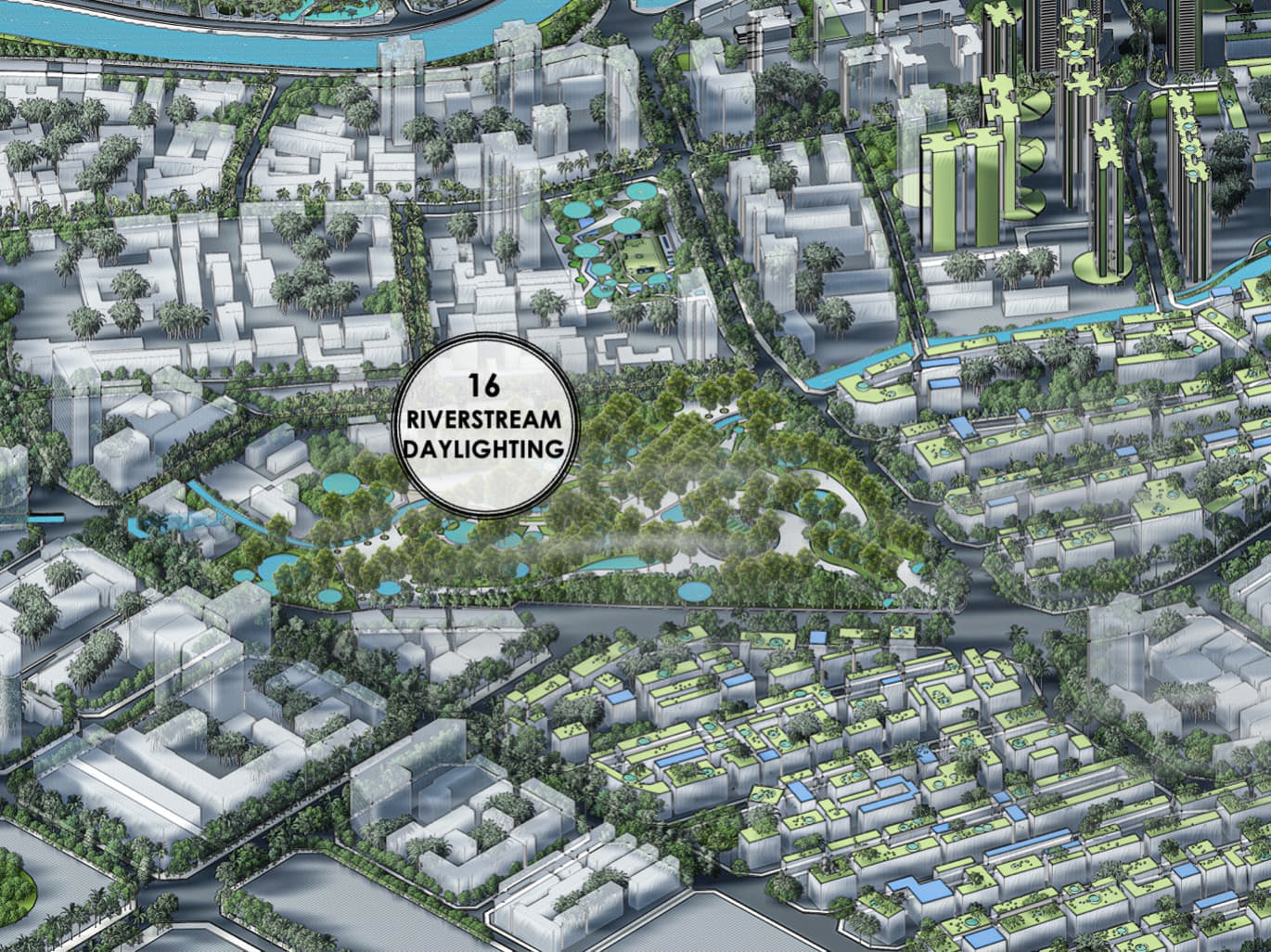
River Stream Restoration And Culverting

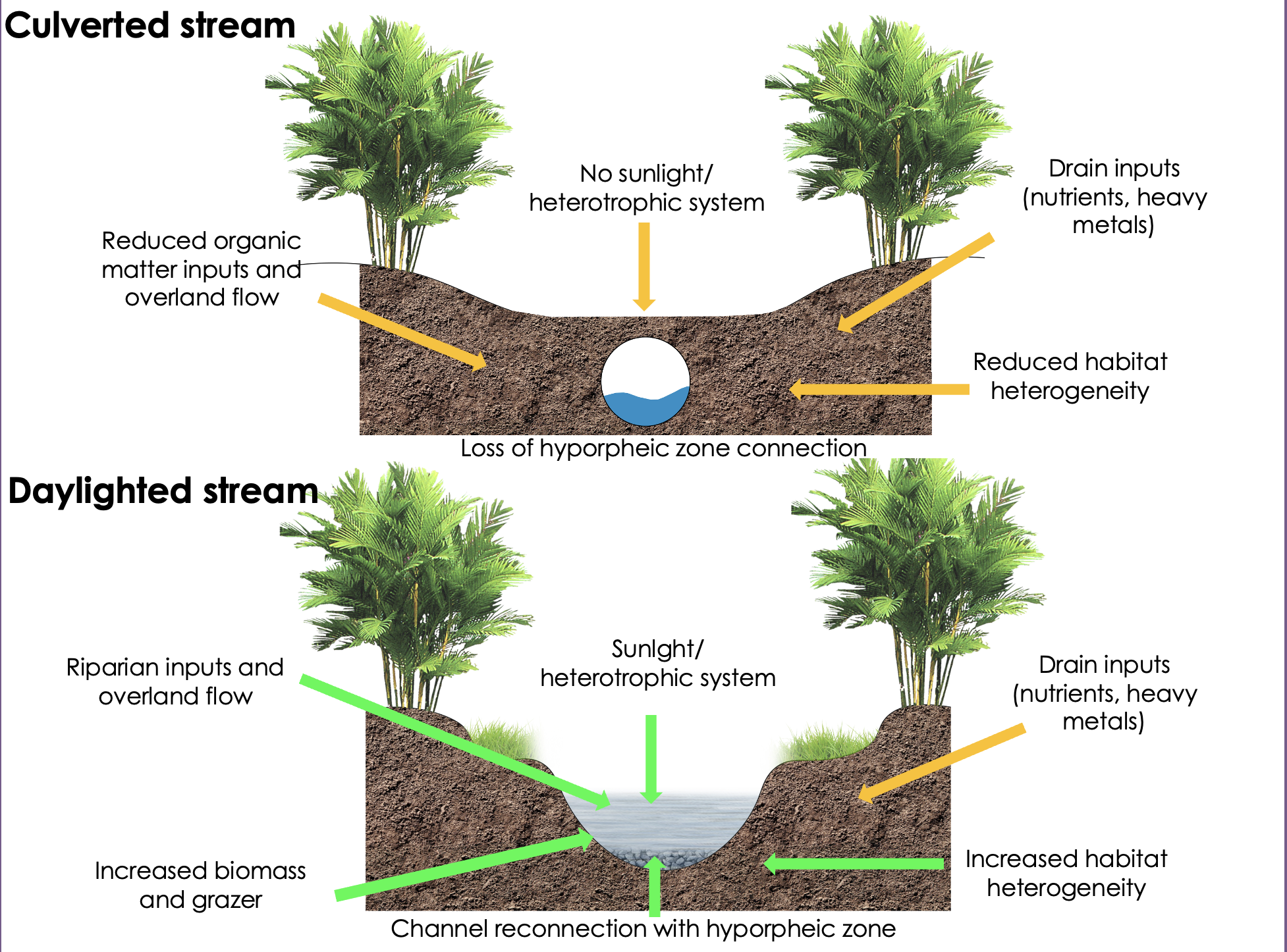
River stream restoration and daylighting (or deculverting) involves uncovering buried streams or restoring degraded rivers to their natural states, thereby addressing urban flooding, enhancing biodiversity, and improving urban and rural resilience to climate events in Southeast Asia.

Techniques include full channel restoration (removal of culverts and concrete), stream naturalization (reintroducing meanders, riparian vegetation, and wetlands), and partial daylighting (exposing sections of buried streams while maintaining infrastructure).

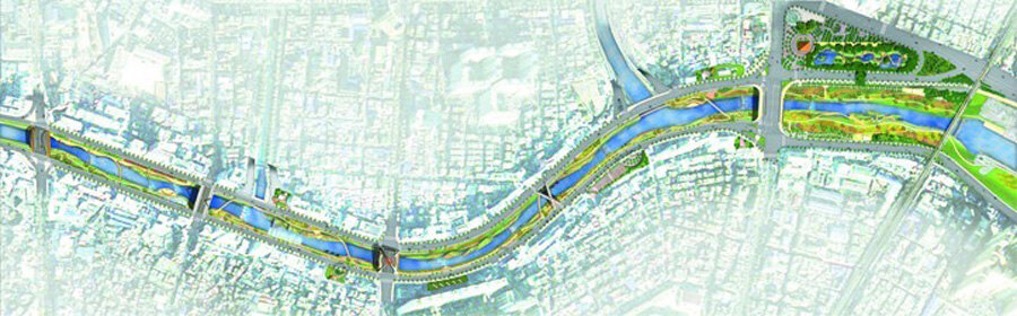
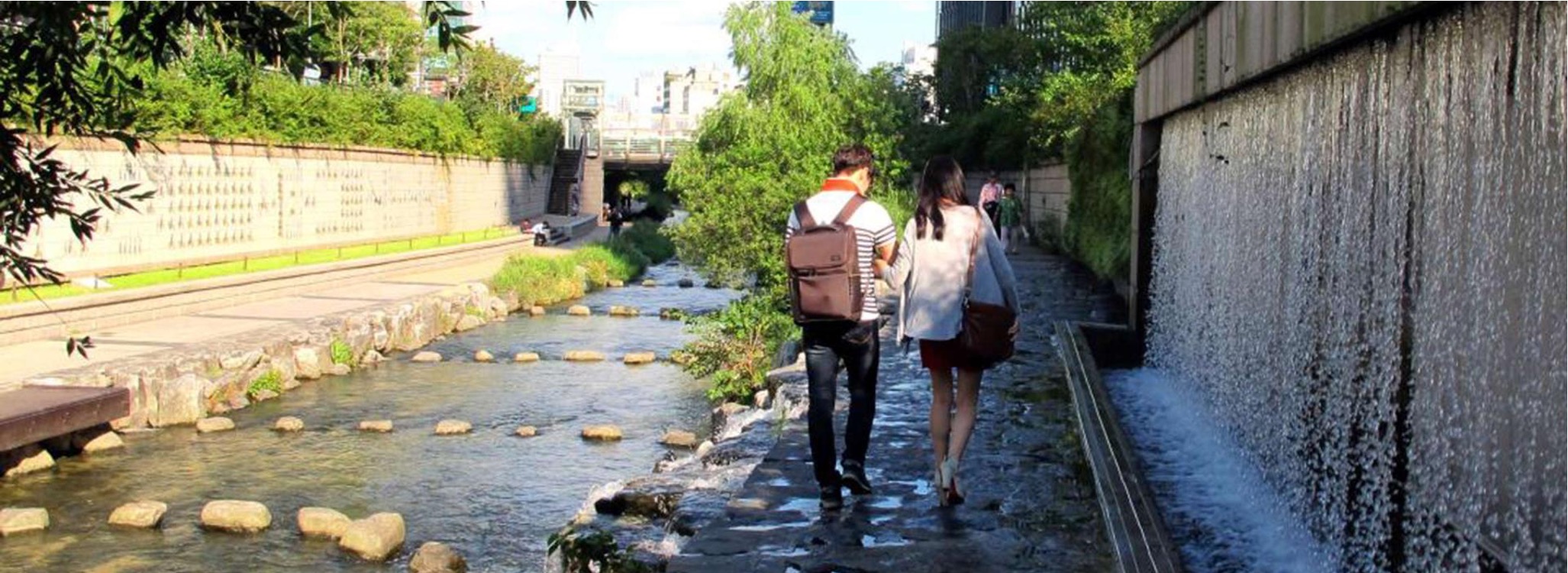
Iconic examples like the Cheonggyecheon River Restoration in Seoul, South Korea, demonstrate how transforming a culverted urban river into a vibrant green corridor can significantly reduce urban heat, improve air quality, and enhance social cohesion. In rural areas, river daylighting projects such as restoring irrigation canals or small river streams support agricultural sustainability and aquifer recharge.

These projects promote ecological connectivity, mitigate urban heat islands, and create recreational green spaces, making cities and rural landscapes more livable and resilient. In Southeast Asia, such initiatives are particularly valuable for cities like Jakarta, Bangkok, and Hanoi, where heavy rainfall, urbanization, and aging drainage systems necessitate innovative flood management.

The approach also revitalizes biodiversity, supports local economies through ecotourism, and fosters environmental stewardship.


  • Ecological restoration
  • Eco drr
  • Climate adaption
  • Urban biodiversity conservation
  • Sustainable urban drainage systems
  • Nature compatible infrastructure
Biodiversity Loss Biodiversity Loss
Flood Control Flood Control
Urban Heat Island Urban Heat Island
Disaster Risk Reduction Disaster Risk Reduction
Air Quality Improvement Air Quality Improvement

SUPPORTING

  • Habitat creation: Restores natural habitats for aquatic and riparian species, promoting biodiversity.

REGULATING

  • Flood mitigation: Enhances natural water retention, reduces urban flooding, and stabilizes streambanks.

PROVISIONING

  • Water resource enhancement: Improves water quality and availability for agricultural, domestic, or industrial use.

SOCIAL BENEFITS

  • Recreational spaces: Provides green and blue spaces for community interaction, health, and well-being.
  • Cultural revitalization: Reconnects communities with historical and cultural significance of waterways.
NbS16_Culverted Stream Section with Legend
NbS16_Rendered Plan of Cheonggyecheon Stream Restoration
NbS16_River Stream Seoul Cheonggyecheon

High implementation costs: River stream restoration and daylighting projects often require substantial investment in infrastructure, land acquisition, and long-term maintenance.

Urbanization constraints: In densely urbanized areas, available space for stream restoration may be limited, complicating the integration of natural features.

Community opposition: Local communities and industries may resist changes to existing river infrastructure, especially if they perceive disruptions to current use or property values.

Biodiversity Enhancement

Increased biodiversity index in restored river sections.

Flood Resilience

Reduced frequency of local flooding events after restoration.

Water Quality Improvement

Increased water quality metrics, such as lower concentrations of pollutants (e.g., nitrogen, phosphates).

Urban Livability

Increased water quality metrics, such as lower concentrations of pollutants (e.g., nitrogen, phosphates).

Climate Mitigation

Reduced urban heat island effect and carbon footprint in surrounding areas.

Economic Revitalization

Increased local economic activity, such as tourism revenue or property price growth.

Direct Costs

Excavation, landscaping, and infrastructure costs range from $1 million to $10 million per km.

Indirect Costs

Vegetation upkeep and flood management systems costs can reach $200,000 annually.

Time Horizon

Direct Benefits

Benefits from increased biodiversity, improved water quality, and reduced flooding.

Indirect Benefits

Increased property values, tourism revenue, and enhanced social well-being from green spaces.

Risk Assessment

Disruption of existing infrastructure, unexpected flooding, and ecological imbalances.

REFERENCES

South Korea , Seoul, Cheonggyecheon Stream Restoration.

Singapore, Kallang River Daylighting.

USA, Los Angeles River Revitalization.

IMPLEMENTATION OPPORTUNITIES

Thailand, Bangkok has several covered and heavily modified waterways, including the Klongs (canals).

Vietnam, Ho Chi Minh City’s network of canals.

Manila’s Pasig River, which is heavily encumbered by pollution and urban development.

Jakarta’s Ciliwung River.