
Log Terracing (water Delay Infrastructure)

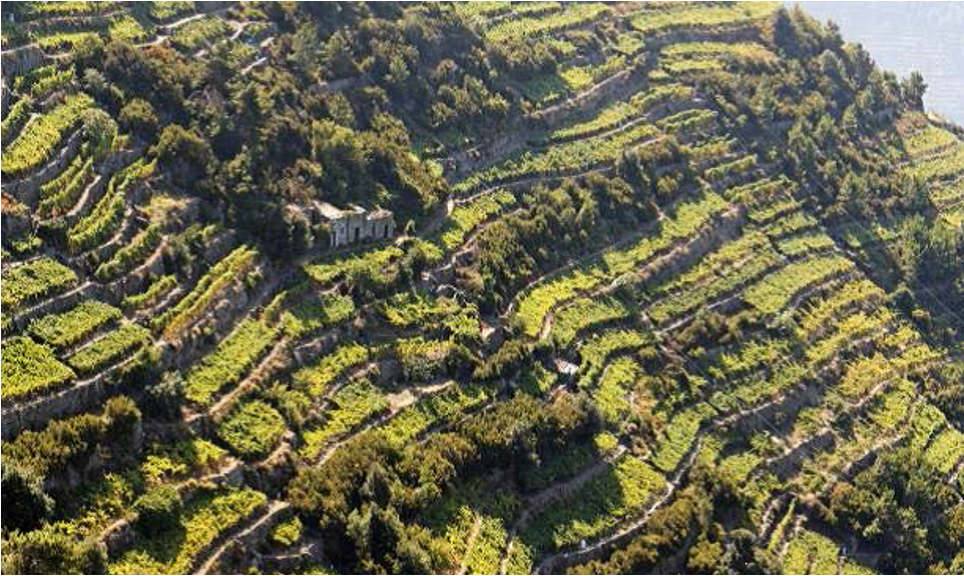
Log terracing, a water-delay infrastructure is a sustainable method for stabilizing slopes, preventing landslides, and supporting reforestation and agriculture in the diverse landscapes of Southeast Asia.

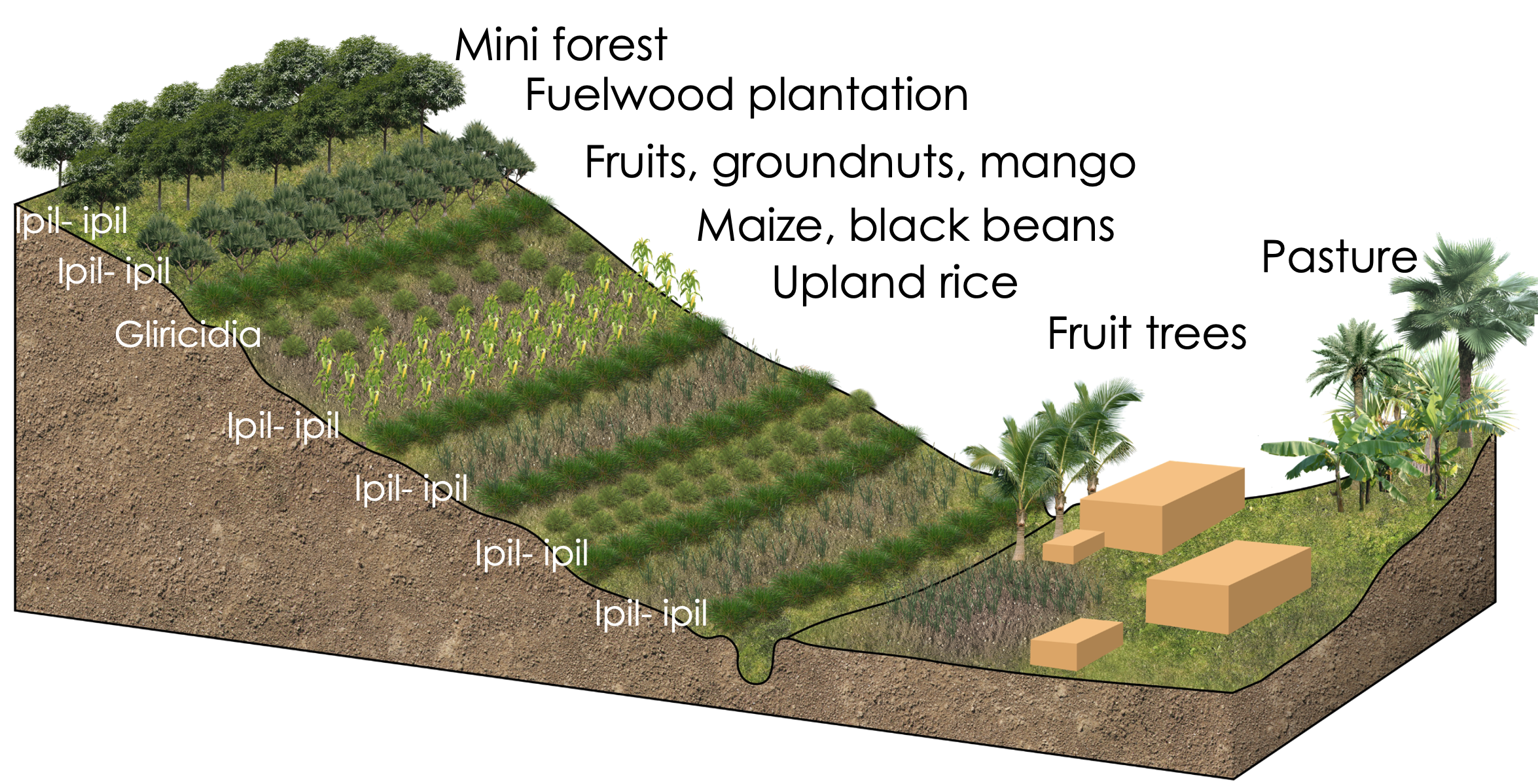
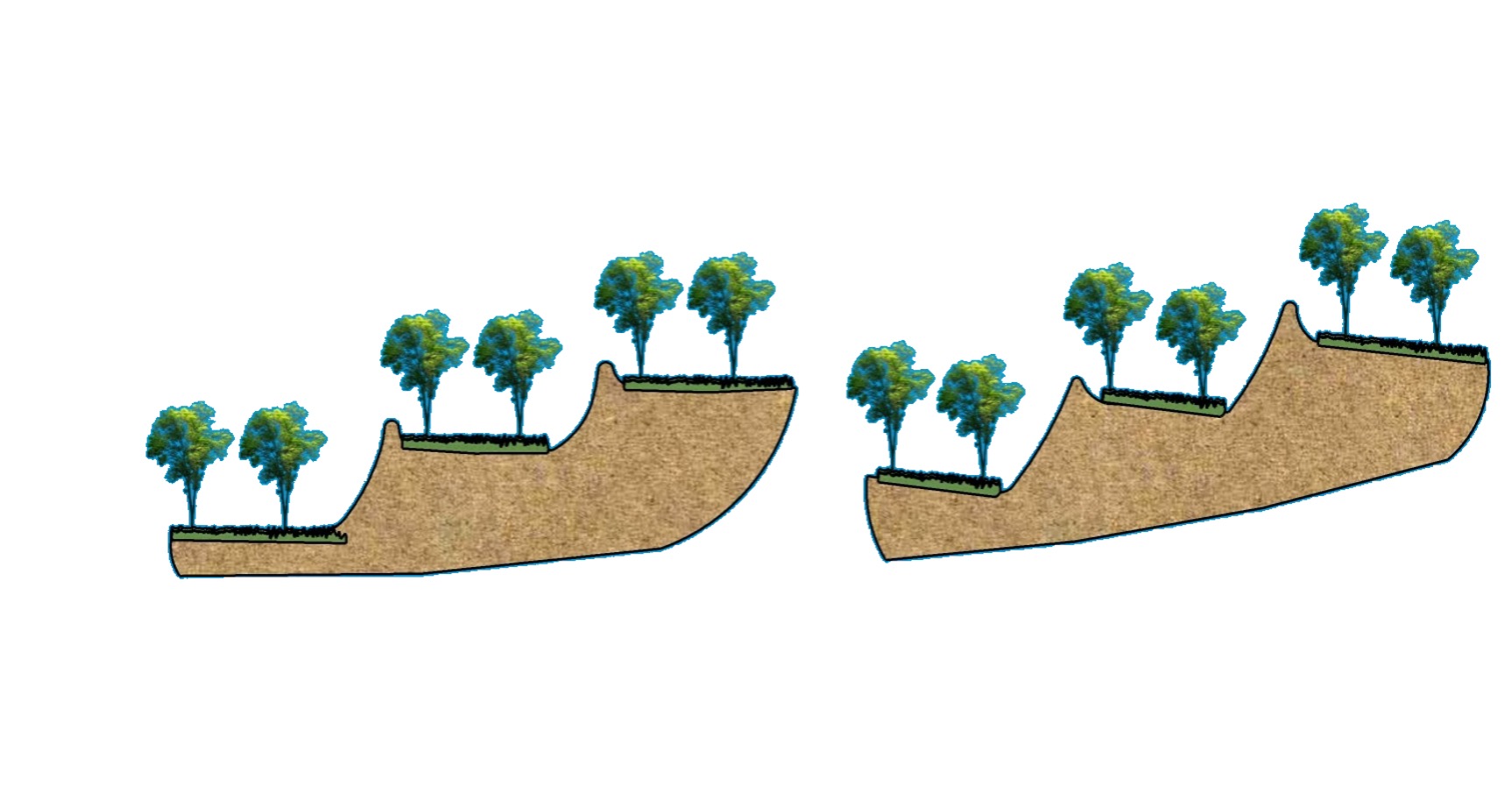
This technique involves arranging logs along contour lines to form terraces that slow water runoff, reduce soil erosion, and improve water infiltration. Over time, these terraces promote the accumulation of fertile soil, enabling the growth of native vegetation and agroforestry crops. Tropical tree species such as Albizia saman (rain tree), Gliricidia sepium (mother of cacao), and Leucaena leucocephala (ipil-ipil) are often used for reforestation in log terracing due to their fast growth, nitrogen-fixing properties, and ability to stabilize soil.

In addition to stabilizing degraded slopes, log terraces create microhabitats for biodiversity, improve local water cycles, and support sustainable livelihoods by enabling agriculture in hilly areas.

Socially, this approach strengthens community involvement in land management while providing tangible benefits like improved food security and resilience to climate-related disasters.


  • Agroforestry systems
  • Forest landscape restoration
  • Integrated watershed management
  • Sustainable land management
Soil Erosion Soil Erosion
Flood Control Flood Control
Disaster Risk Reduction Disaster Risk Reduction

SUPPORTING

  • Soil formation and nutrient cycling: Enhances soil stability and supports soil regeneration through reduced erosion and increased organic matter retention.
  • Biodiversity habitat: Provides a habitat for various species by creating a stable micro-environment and fostering plant regeneration on terraced slopes.

REGULATING

  • Water regulation: Reduces surface runoff and controls water flow, preventing soil erosion and mitigating the risk of flooding in downstream areas.

PROVISIONING

  • Timber and non-timber forest products: Supports sustainable harvesting of forest resources, such as timber and medicinal plants, from reforested areas.
  • Agroforestry products: Provides crops and food products from sustainable agriculture integrated with reforestation efforts, benefiting local communities.

SOCIAL BENEFITS

  • Enhanced community resilience: Reduces vulnerability to landslides and flooding, increasing the safety and well-being of local populations.
NbS15_Log terracing Axo Section with Texts
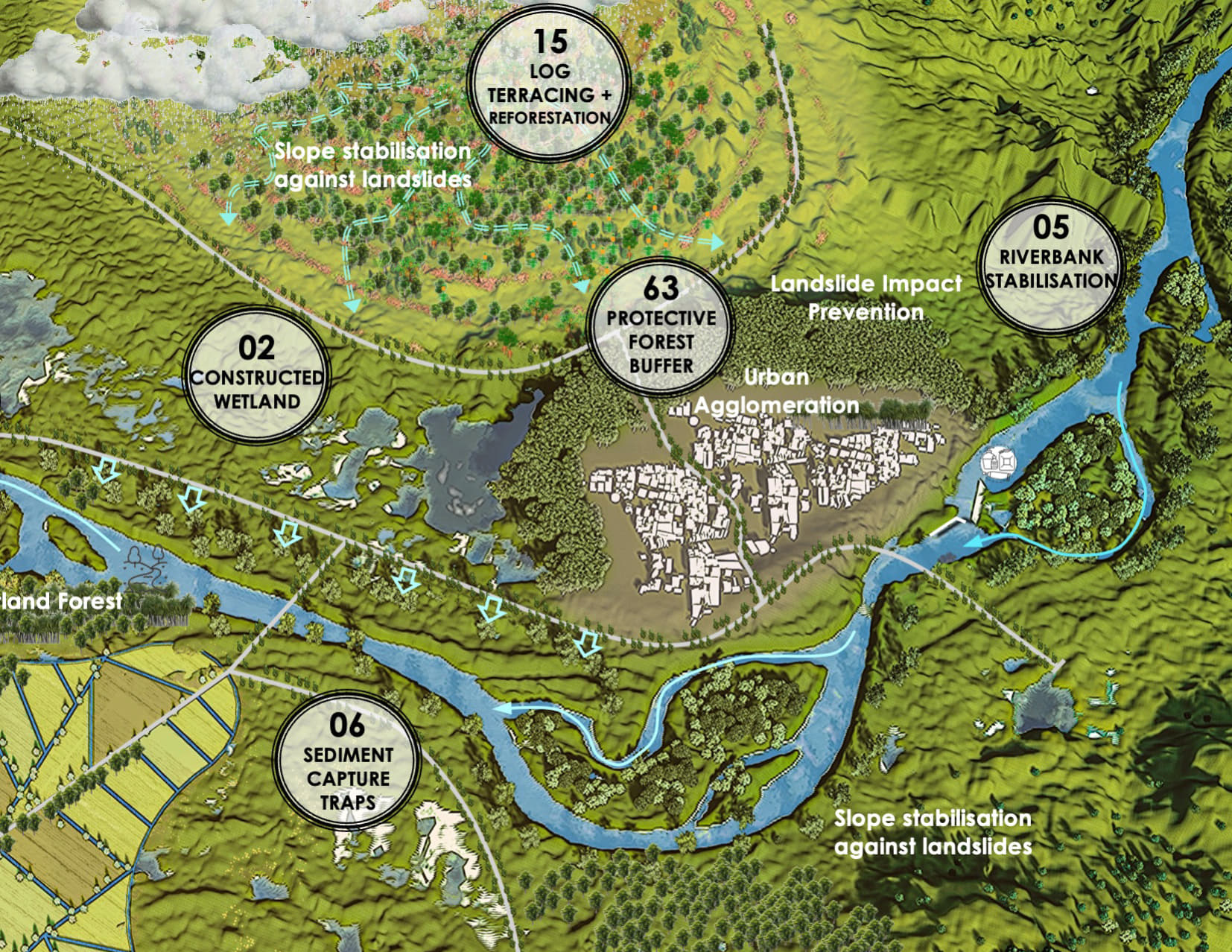
NbS15_Log Terracing Bird View
NbS15_Log terracing sections

High initial investment: The construction of log terraces requires significant upfront financial resources, including the costs of materials and labor, which can be challenging for local communities to afford.

Maintenance challenges: Log terraces require ongoing maintenance to prevent degradation and ensure their effectiveness in controlling erosion and stabilizing slopes over time.

Ecological compatibility: Inappropriate species selection for both the logs and the plant species involved in the terracing can lead to poor results, such as soil erosion or lack of vegetation coverage.

Improved Soil Stability

Reduces soil erosion on upland slopes, measurable by a 30–50% decrease in annual sediment loss within reforested areas.

Increased Water Retention

Enhances carbon storage, with an estimated 5–10 tons of CO₂ absorbed per hectare annually in mature forests.

Enhanced Biodiversity

Improves watershed health, indicated by a 20–40% increase in groundwater recharge and reduced surface runoff during rainy seasons.

Reduced Flooding Risks

Supports wildlife habitats, with a measurable increase of 15–25% in species richness in project areas over 5 years.

Livelihood Enhancement

Provides sustainable income through agroforestry crops like coffee or spices.

Climate Change Resilience

Mitigates landslide risks, shown by a 60–80% reduction in landslide frequency in reforested regions over a decade.

Direct Costs

Direct costs range from $2,000 to $5,000 per hectare, covering materials (logs, plants), labor, and equipment.

Indirect Costs

On going maintenance (e.g., replanting, monitoring), potentially around $500 to $1,000 per year per hectare.

Time Horizon

5-10 years, discount rate of 5-7% annually, long-term environmental and social benefits.

Direct Benefits

Improved soil stability and water retention, which can lead to increased agricultural productivity.

Indirect Benefits

Enhanced biodiversity, improved water quality, and carbon sequestration may provide societal benefits valued at around $1,000-$3,000 per ha.

Risk Assessment

Potential failure to secure sustainable funding or community buy-in.

REFERENCES

the Philippines, Ifugao Province’s Reforestation and Stabilisation projects.

Indonesia, Central Java’s Agrosilvopastoral Systems in Slope Areas, Lao Cai and Yen Bai Province Forest restoration efforts.

IMPLEMENTATION OPPORTUNITIES

Laos upland regions. Northern

Thailand, Chiang Mai.

Myanmar, Shan State.