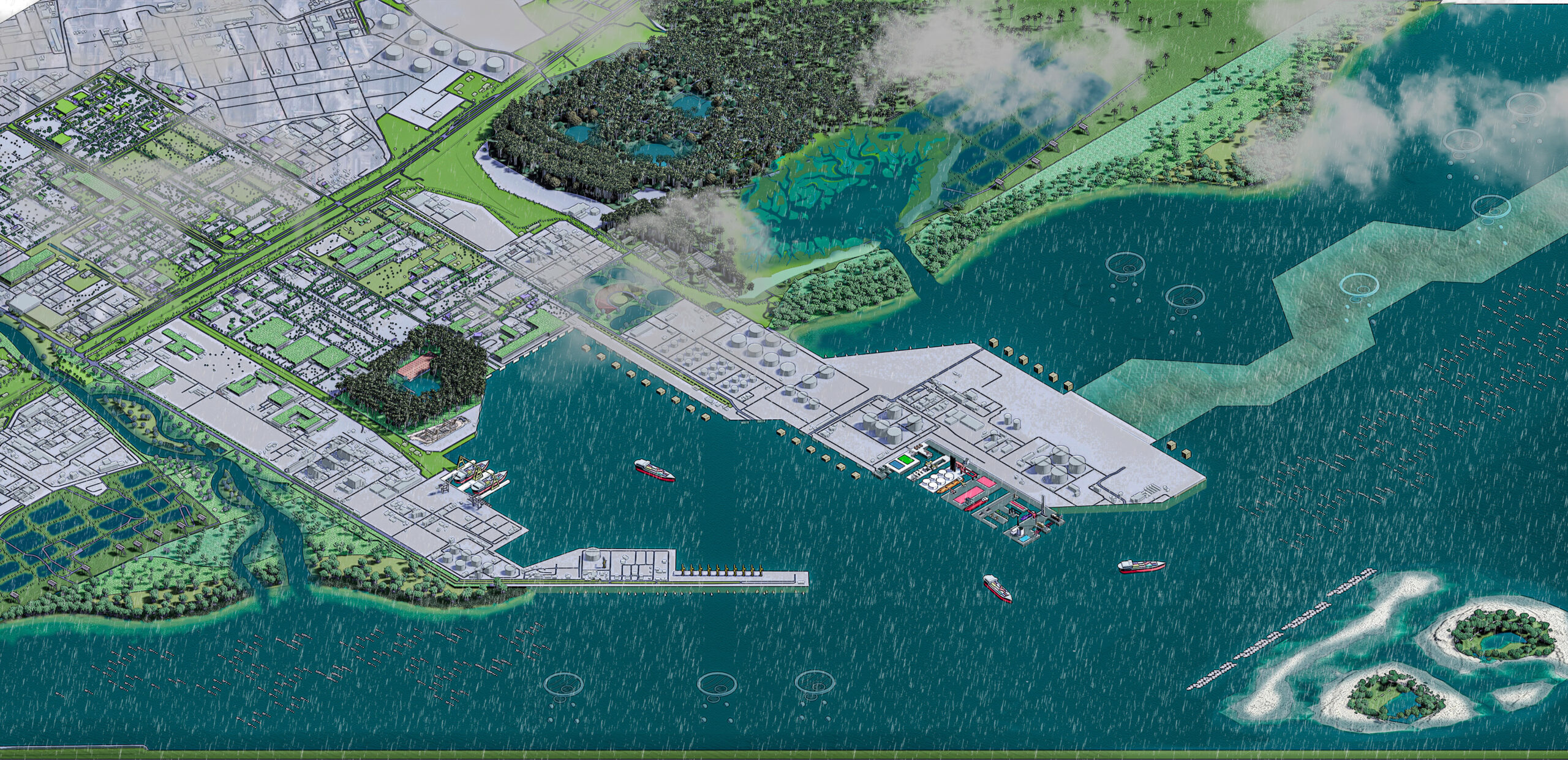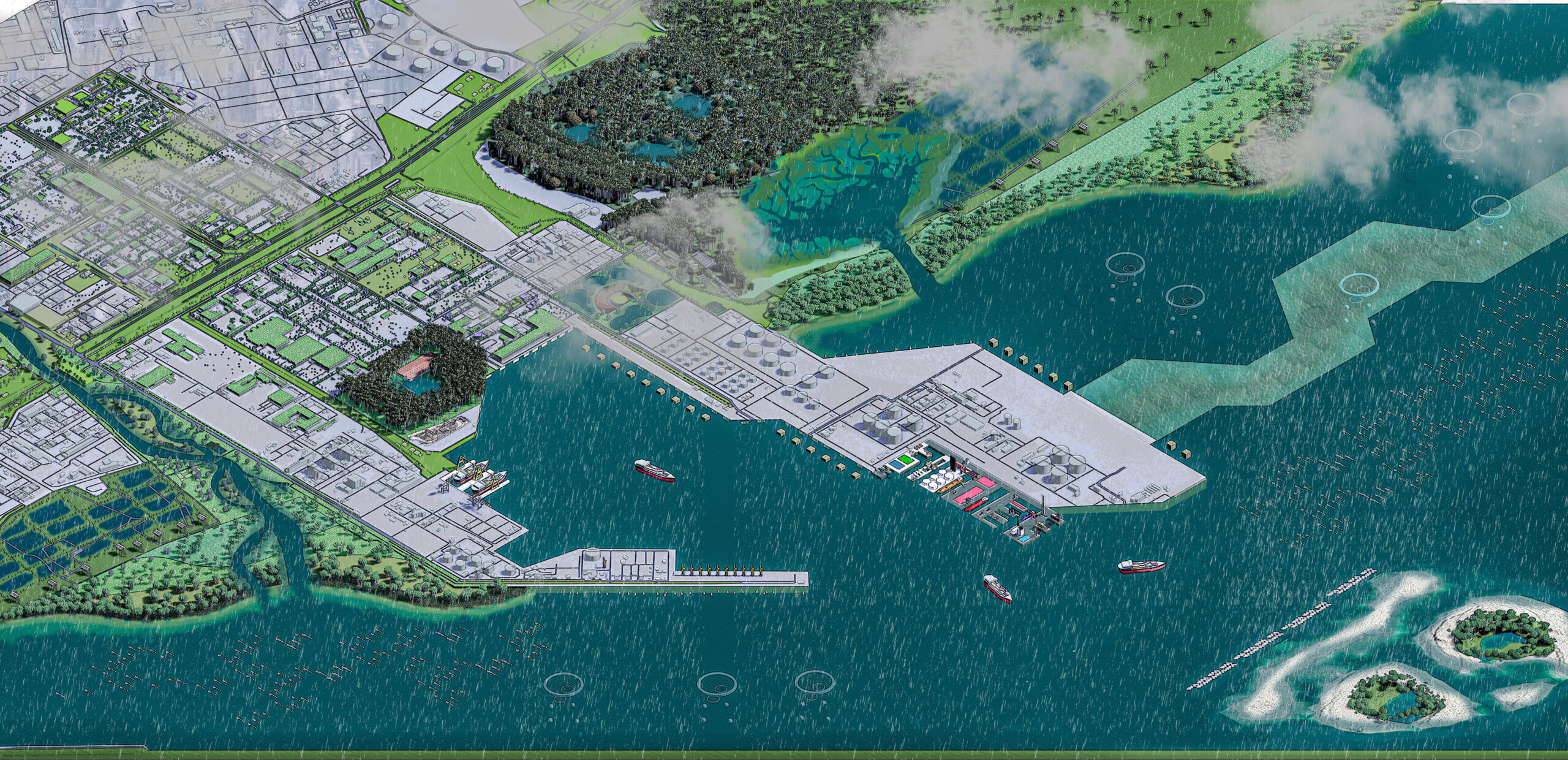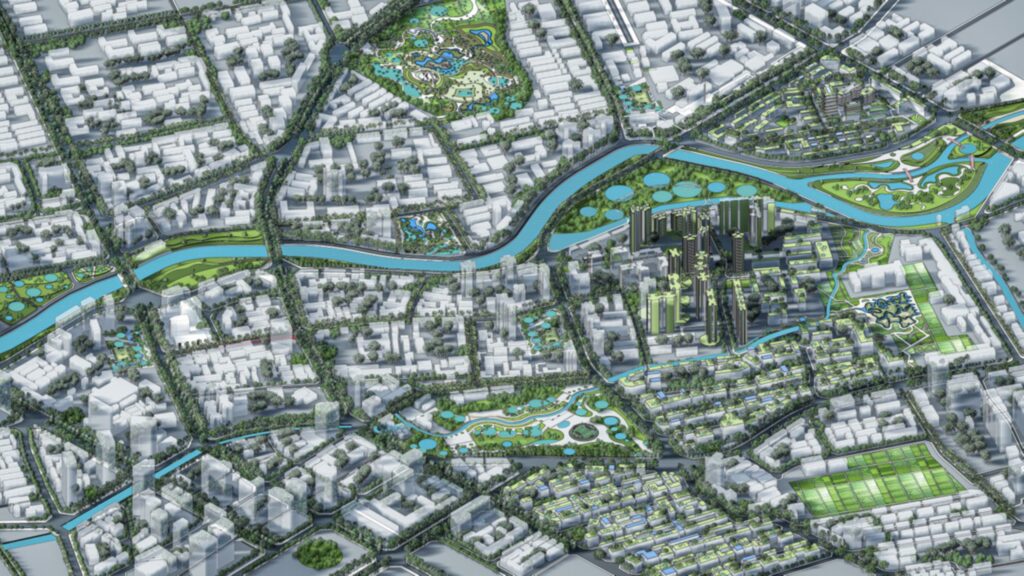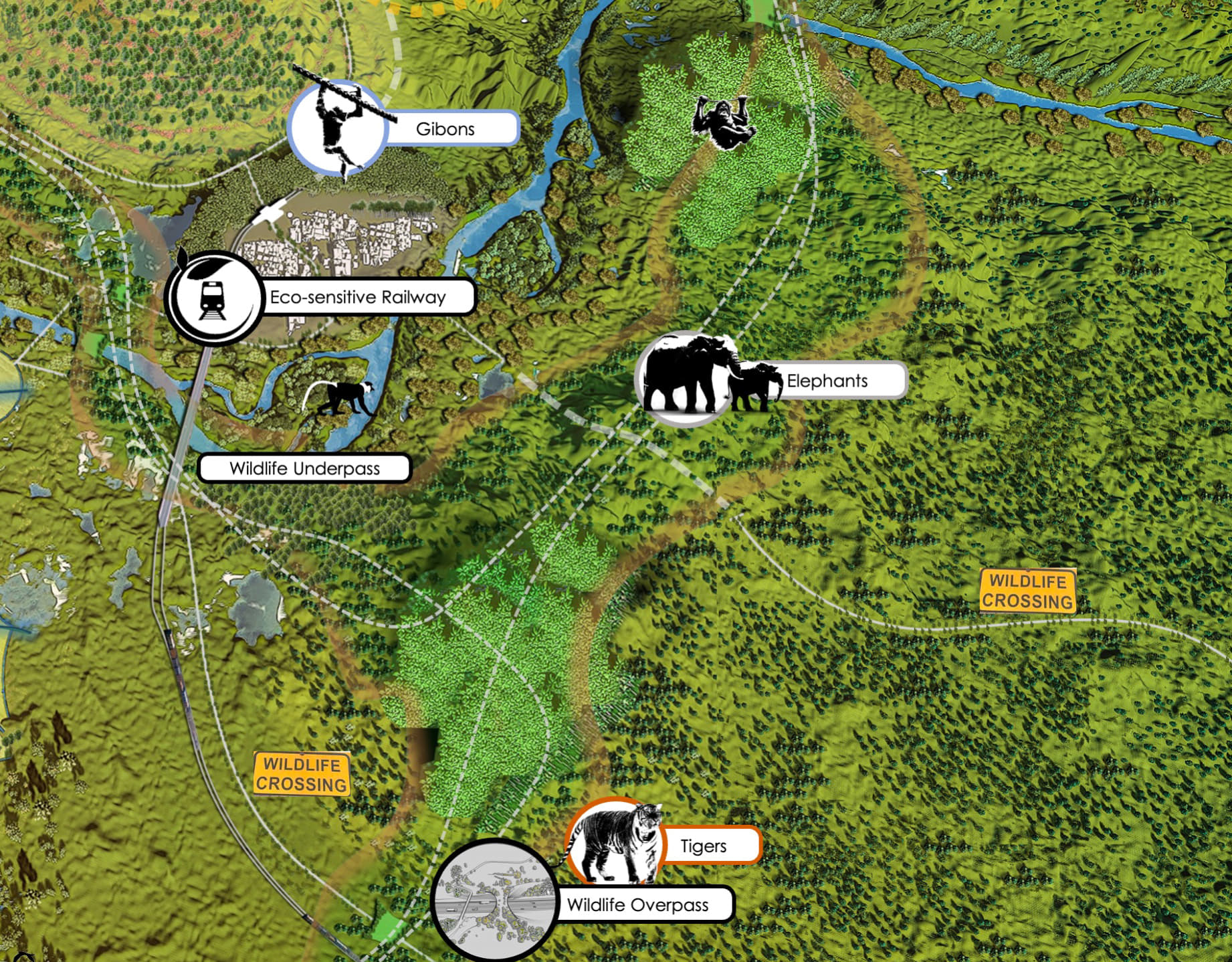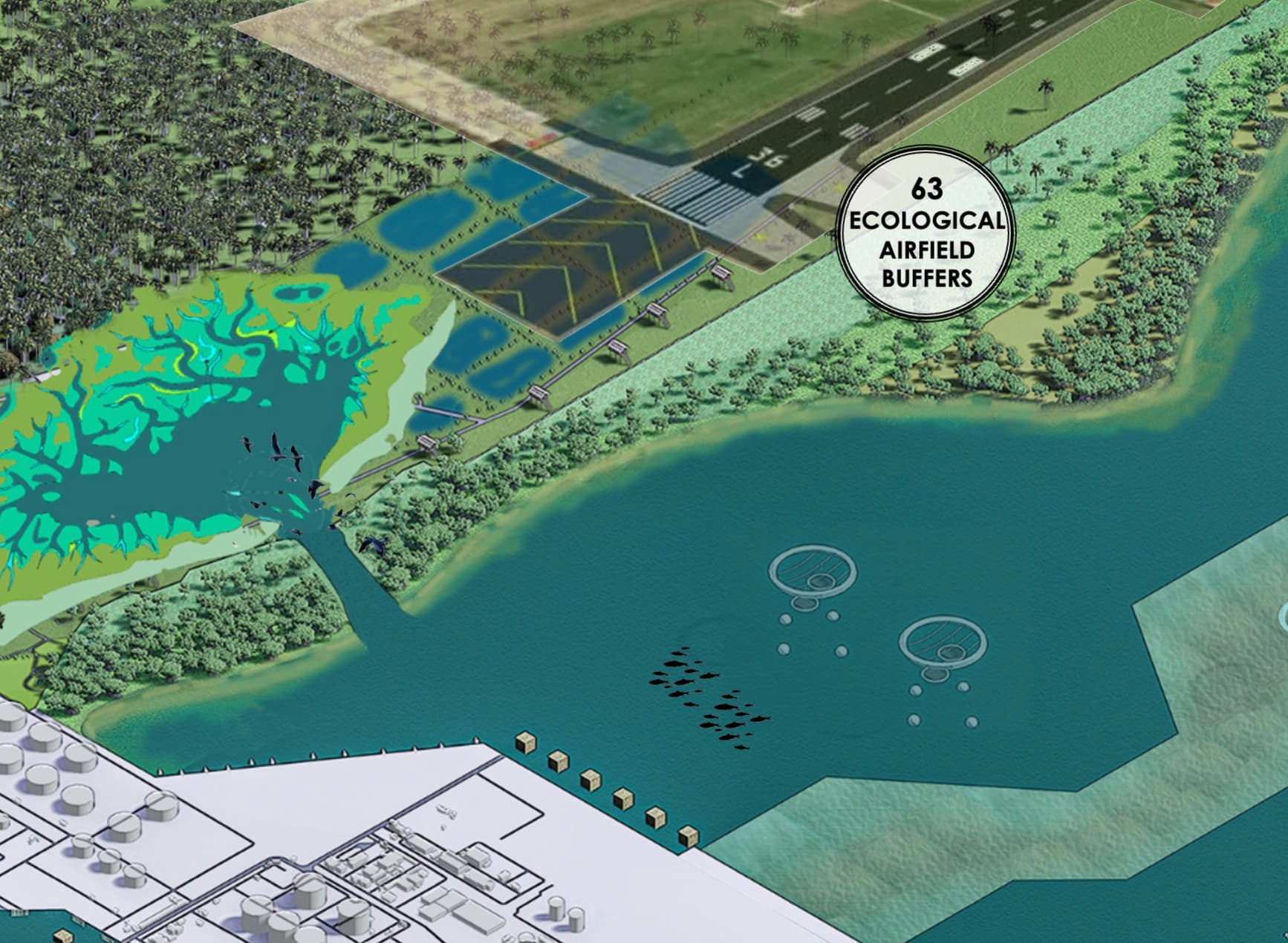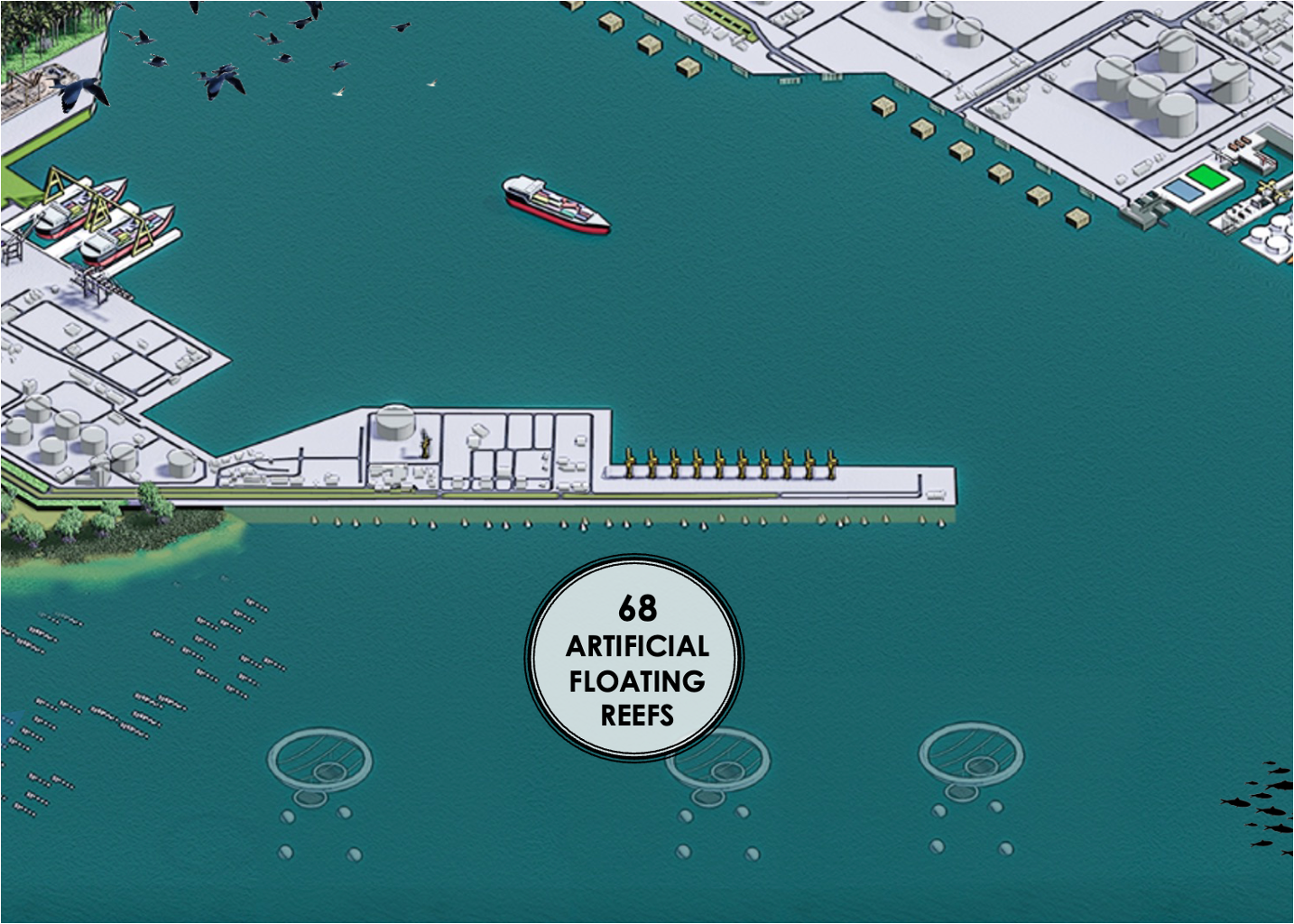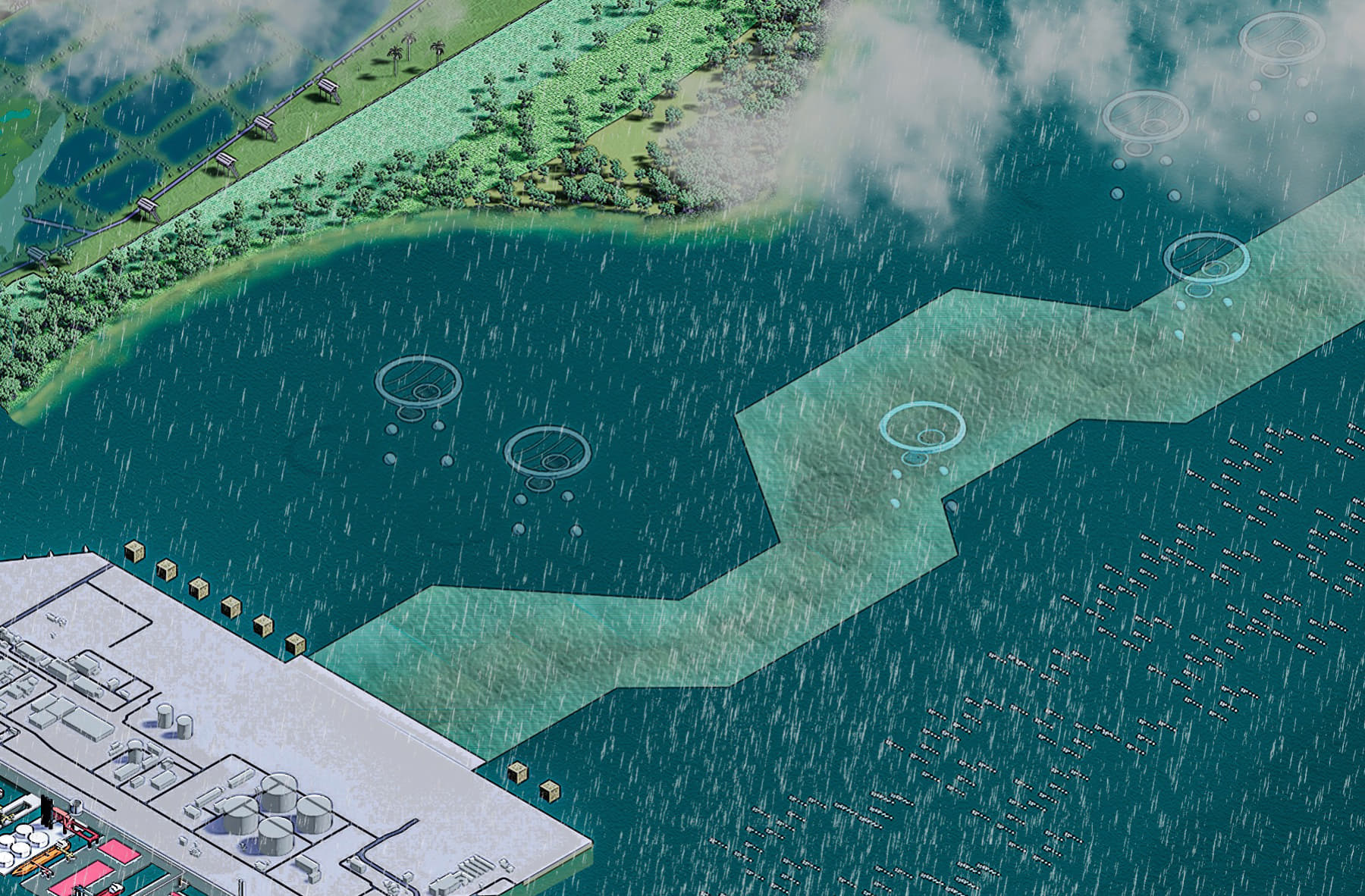

Southeast Asia’s ports and industrial zones drive economic growth, yet they are also exposed to mounting risks: sea-level rise, storm surges, pollution, and ecosystem loss. The task ahead is to reimagine these hubs as green and blue eco-industrial areas, where economic dynamism is balanced with ecological resilience.
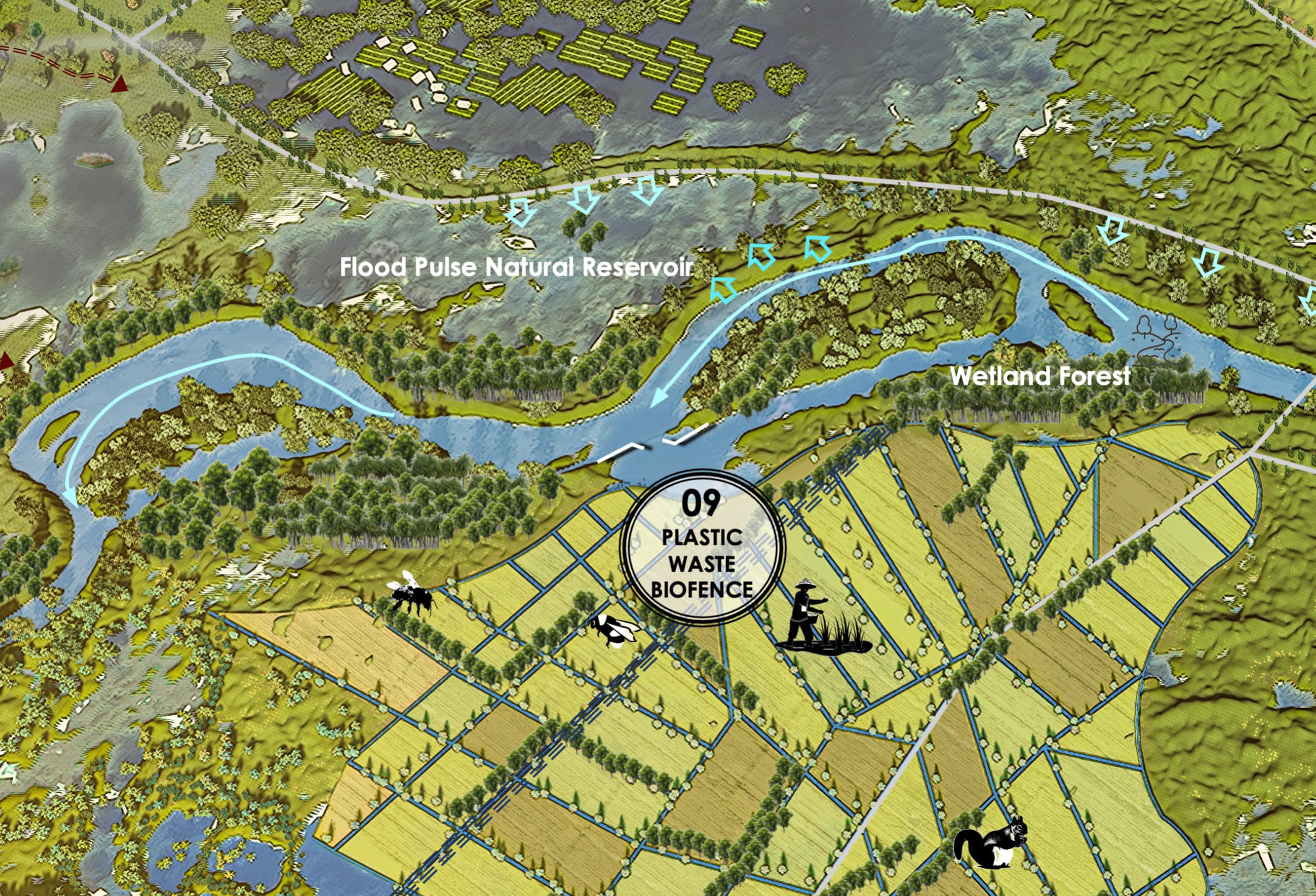
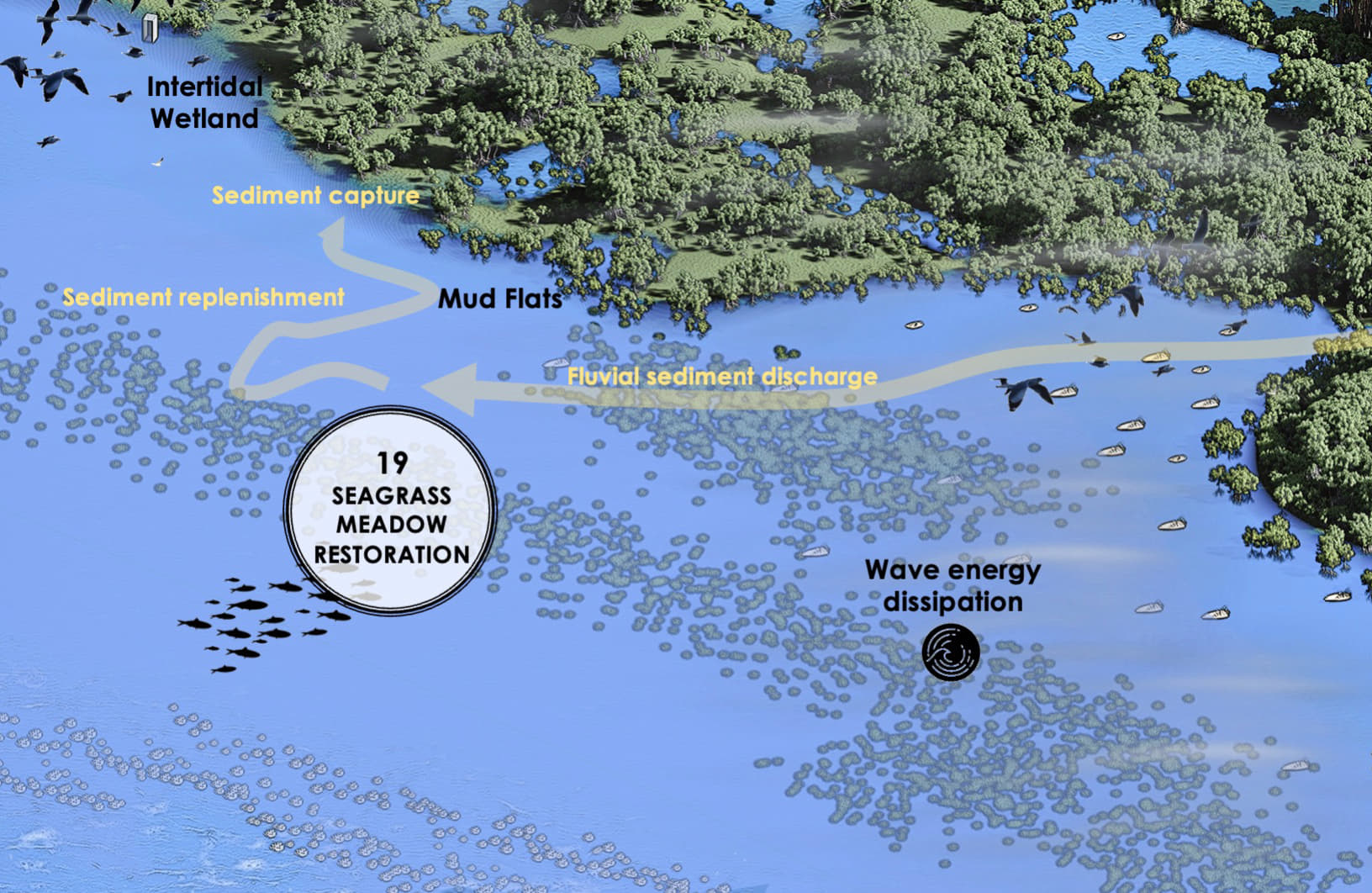
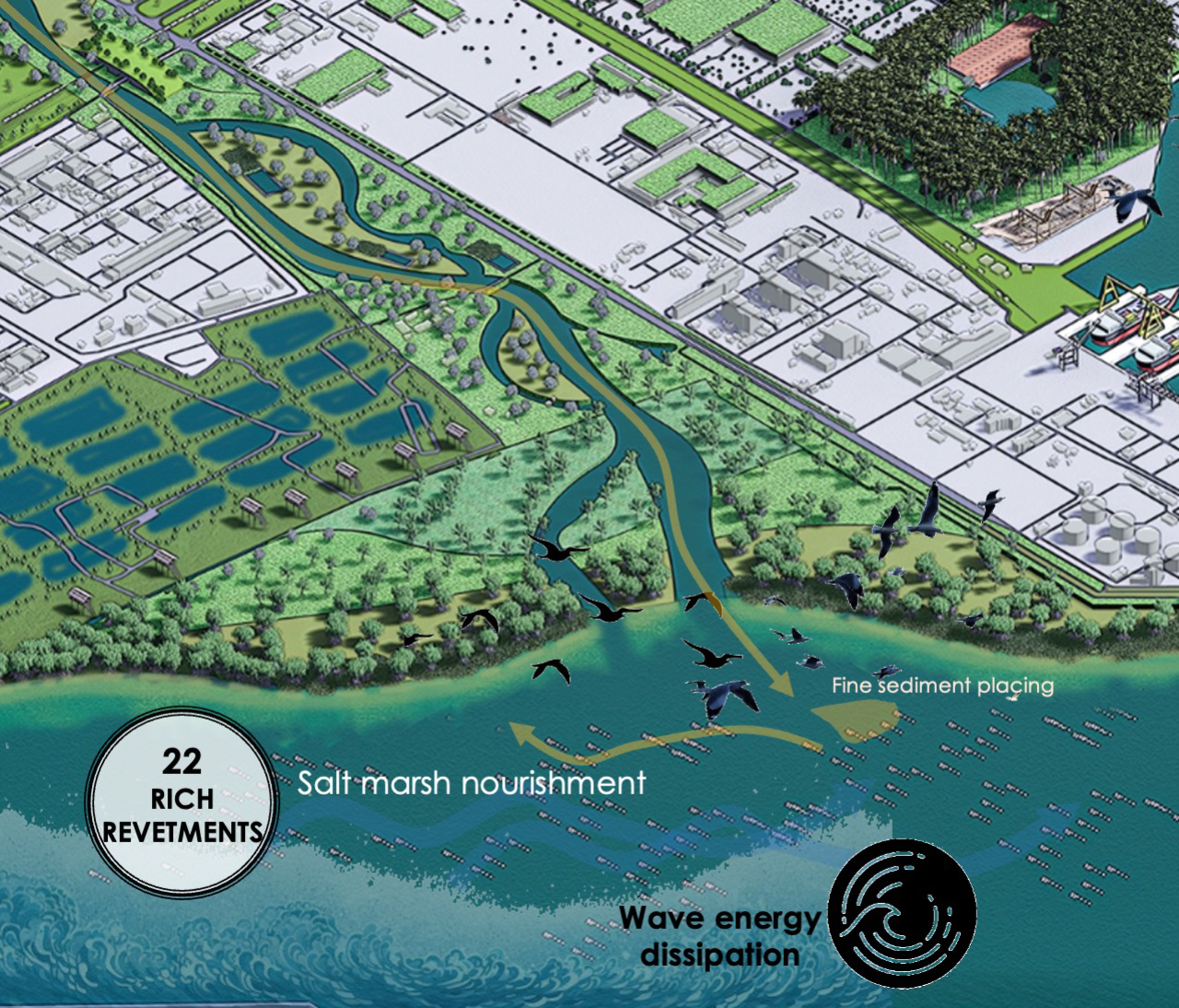
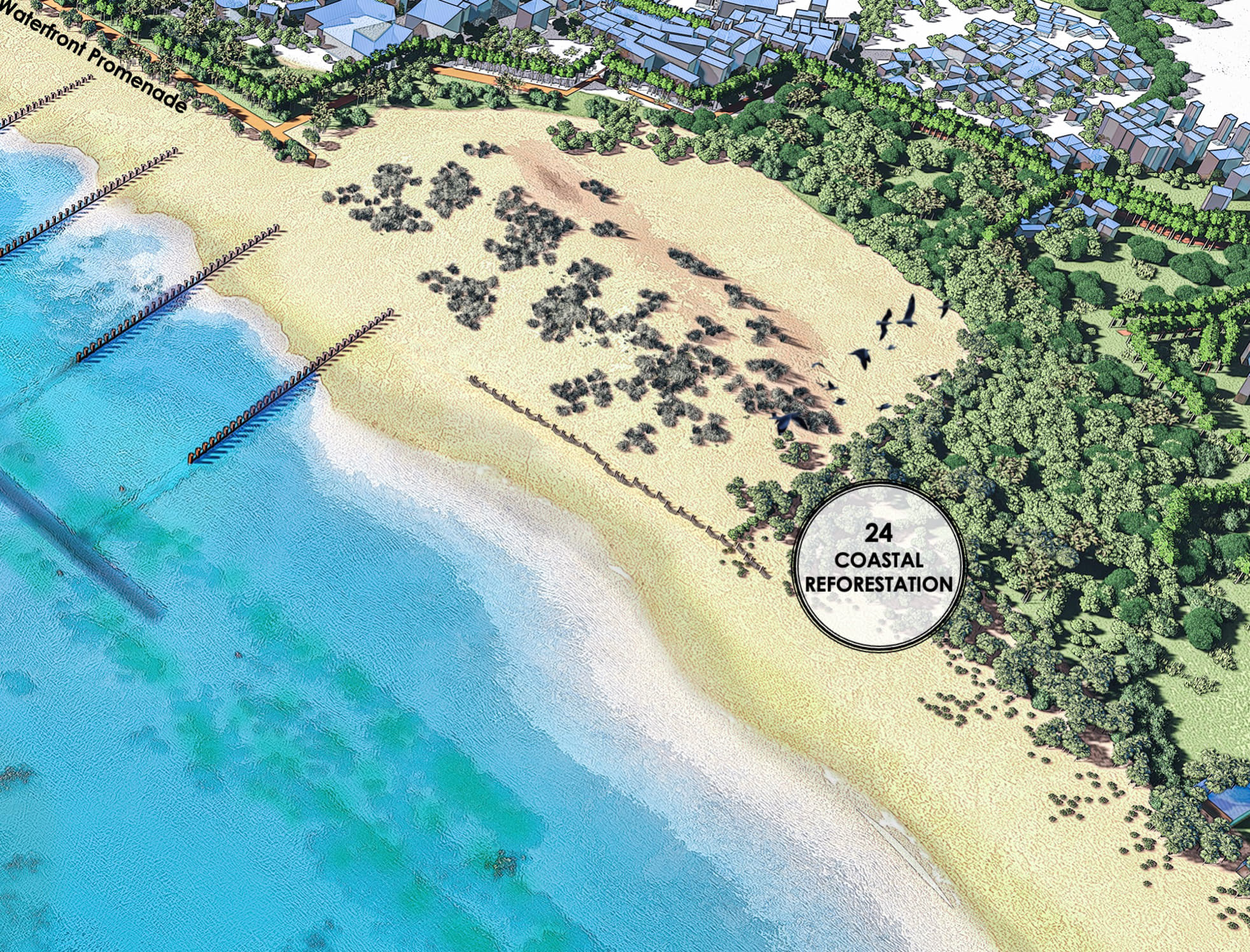
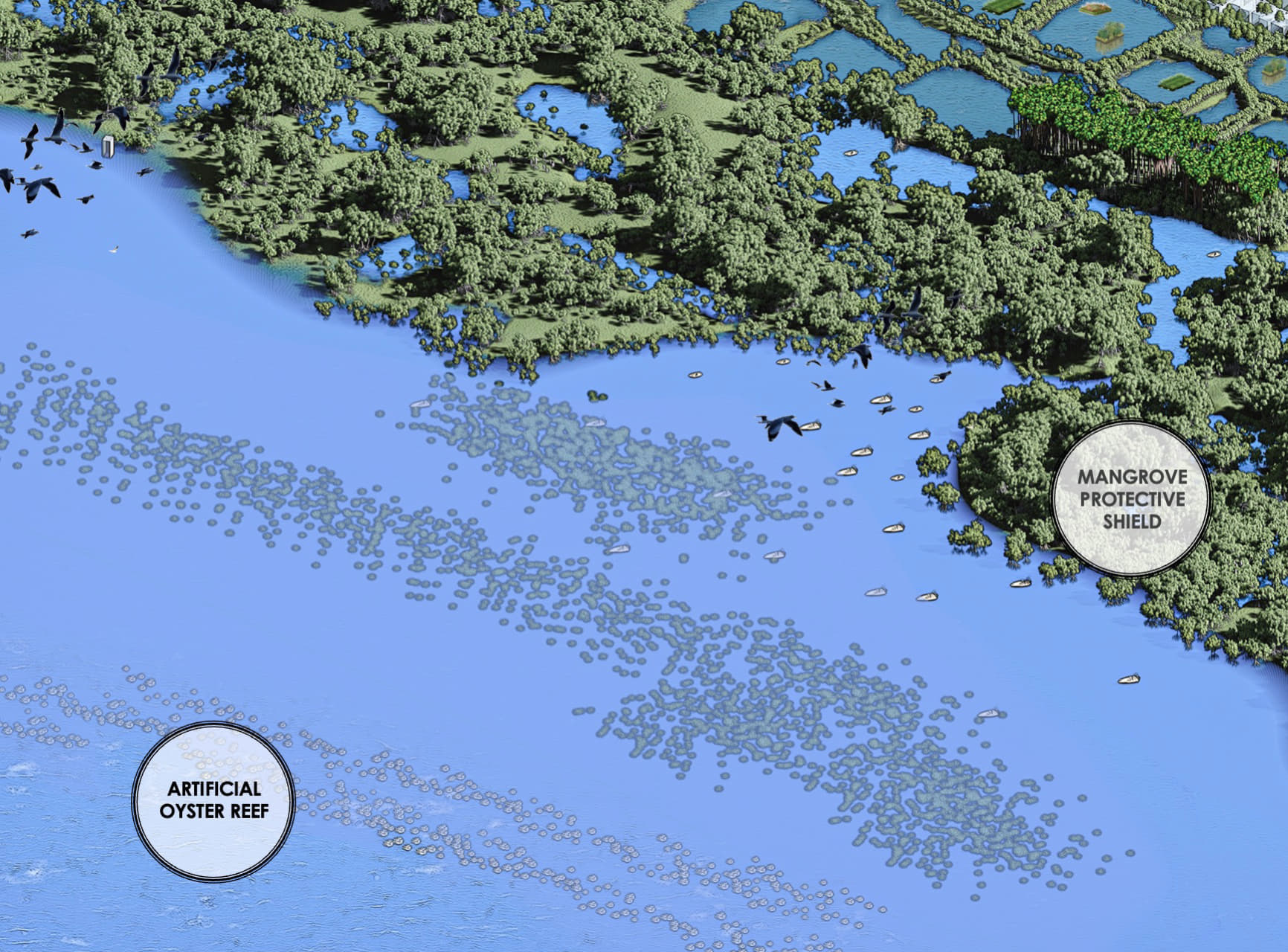
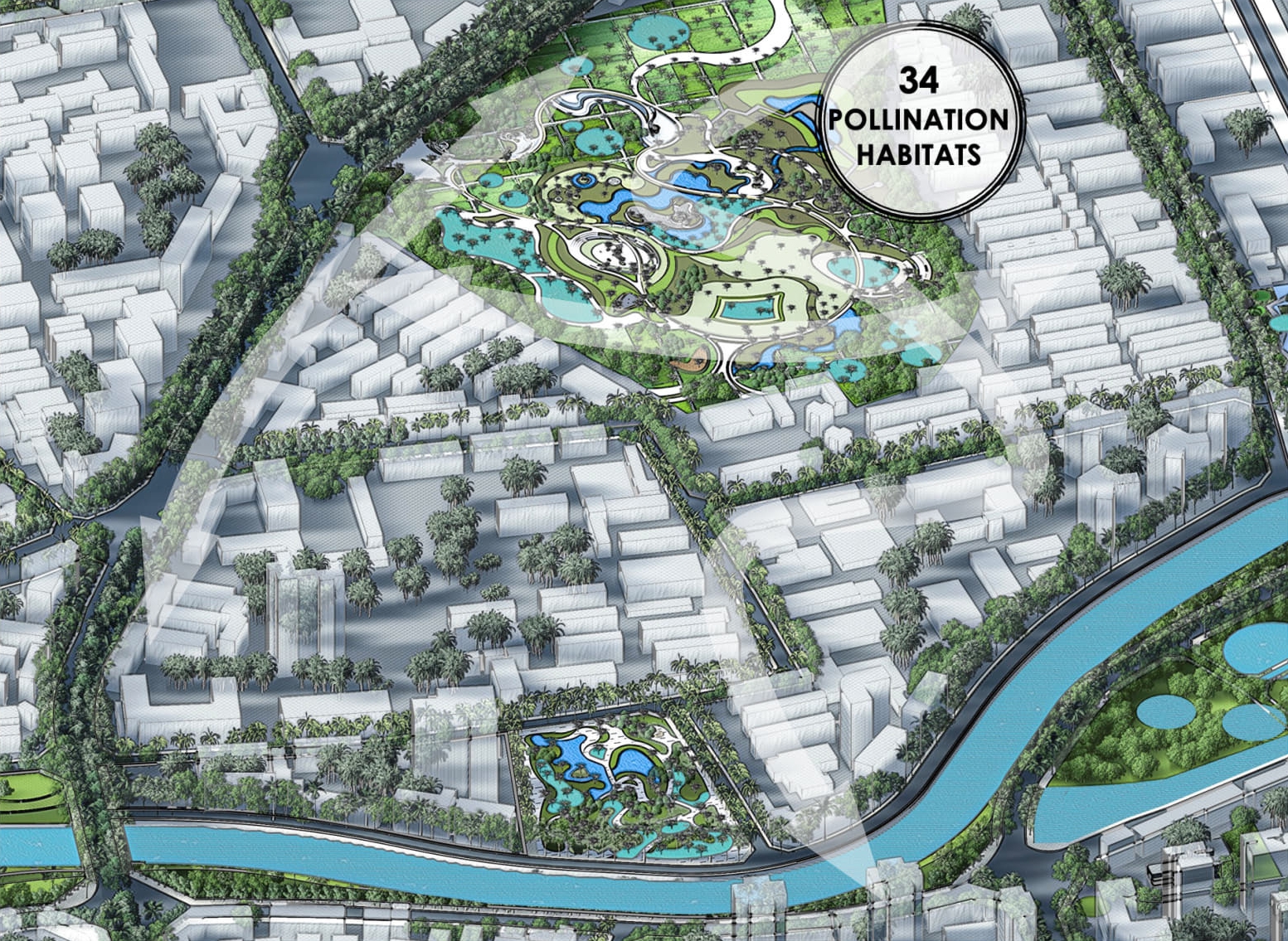
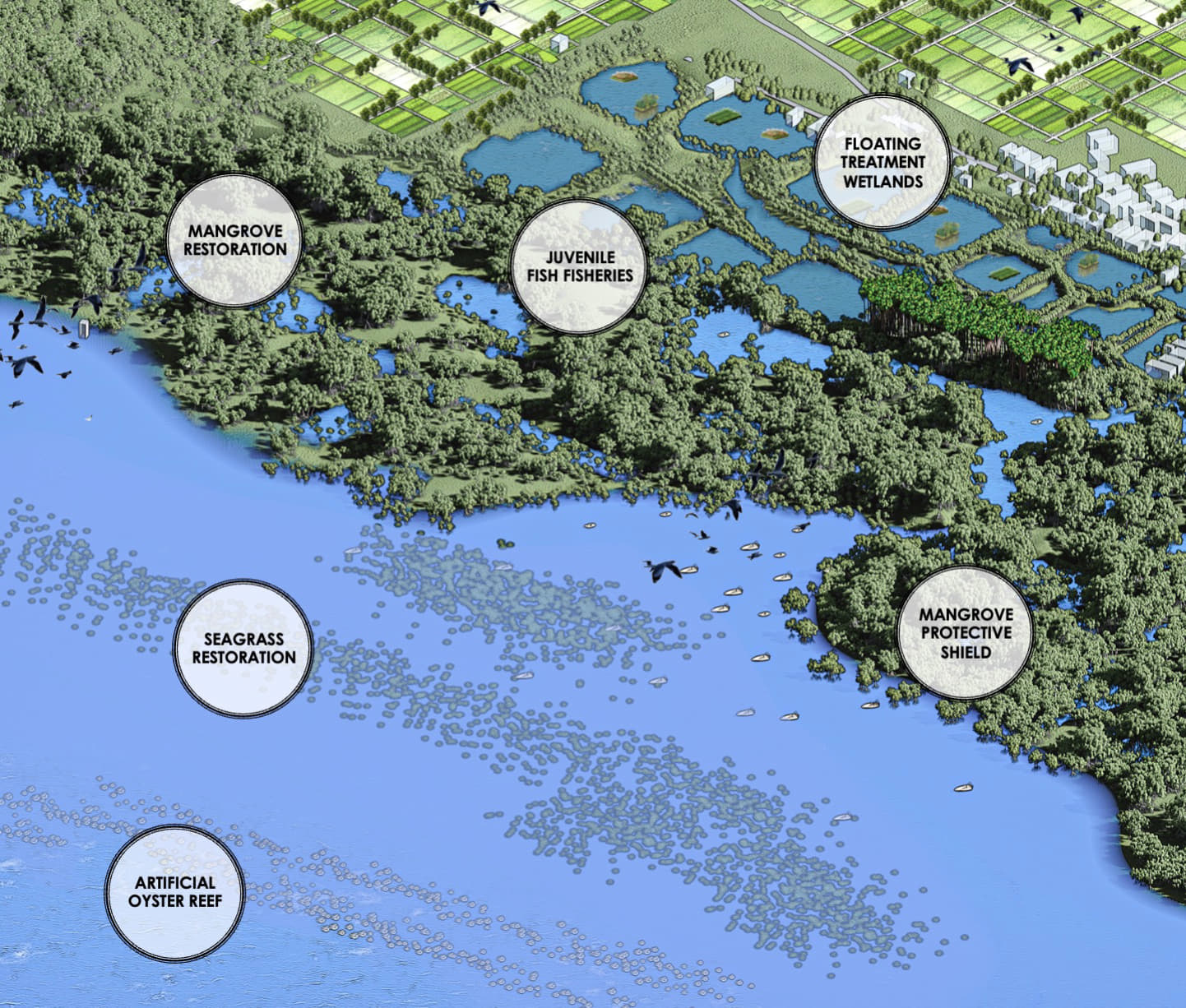
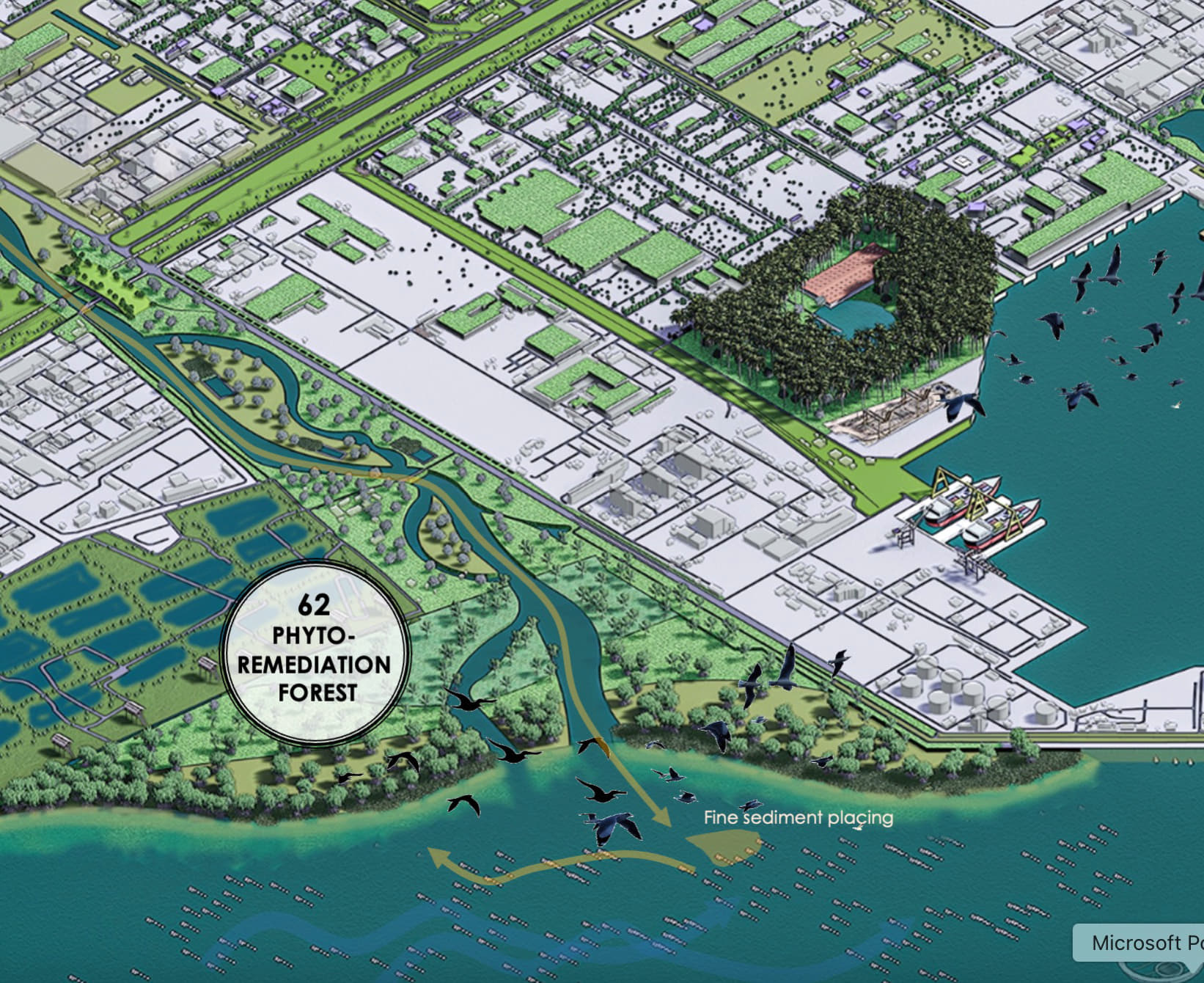
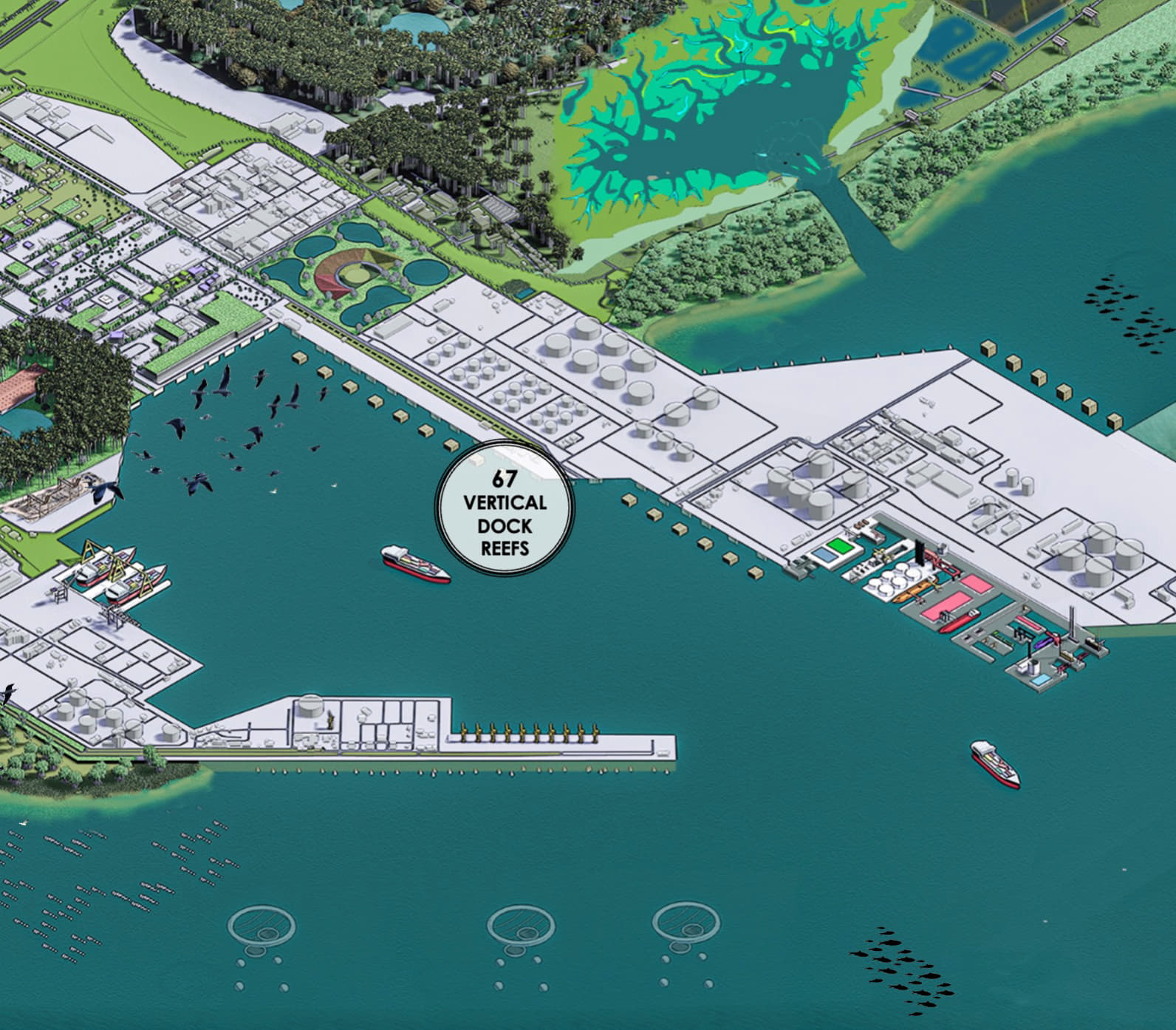
Examples are emerging across the region. In Vietnam, the Banyan Tree Group’s Eco-Industrial Park integrates wastewater recycling, renewable energy, and industrial symbiosis to reduce impacts and increase efficiency. Beyond technology, it is Nature-based Solutions (NbS) that hold the greatest promise: mangrove and salt marsh restoration in Vietnam and Indonesia buffer ports against storm surges, stabilize sediments, and protect infrastructure while also storing carbon and supporting fisheries. Artificial seagrass meadows, oyster reefs, and coral restoration projects further enhance biodiversity and water quality near busy coasts.
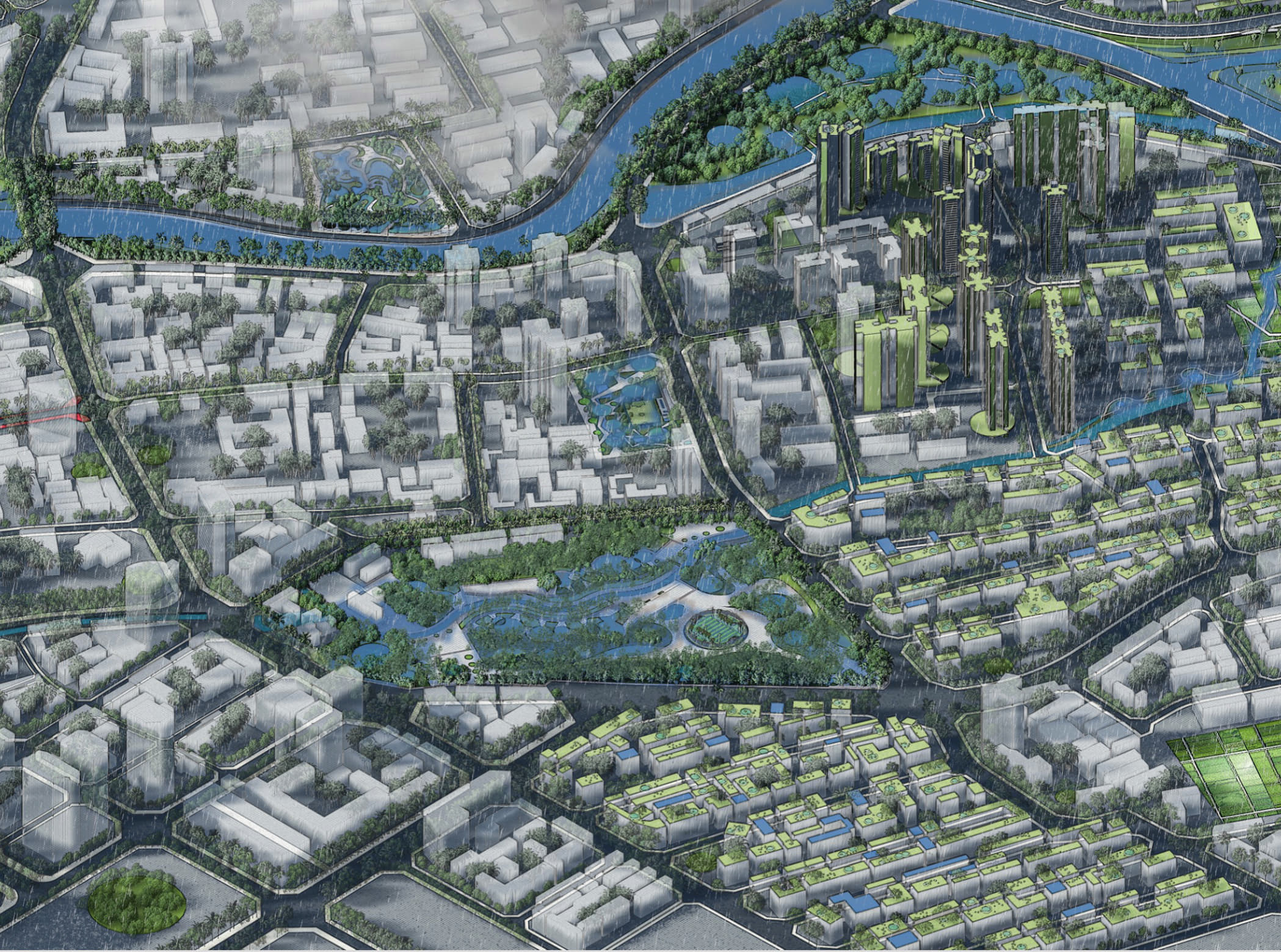
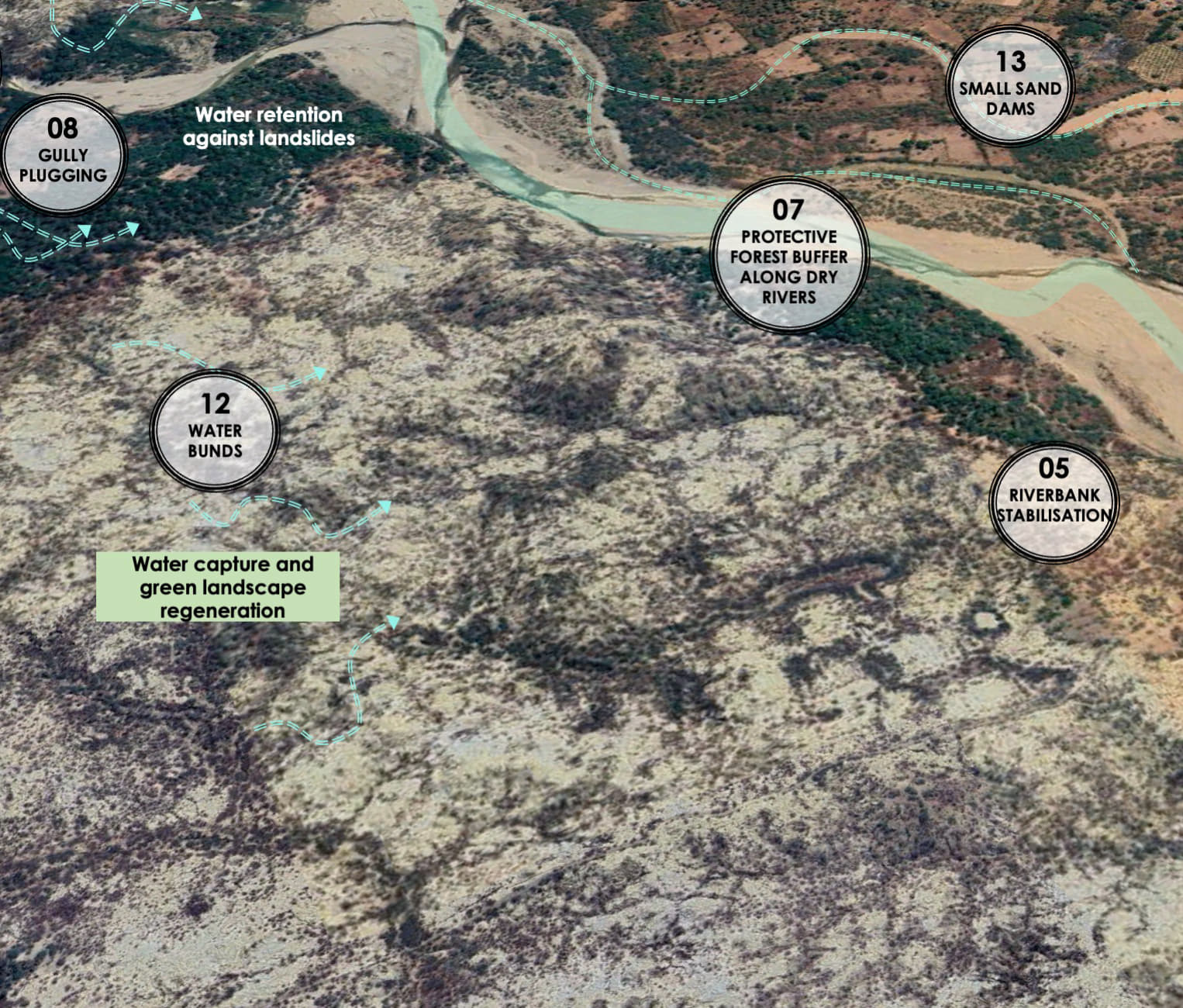
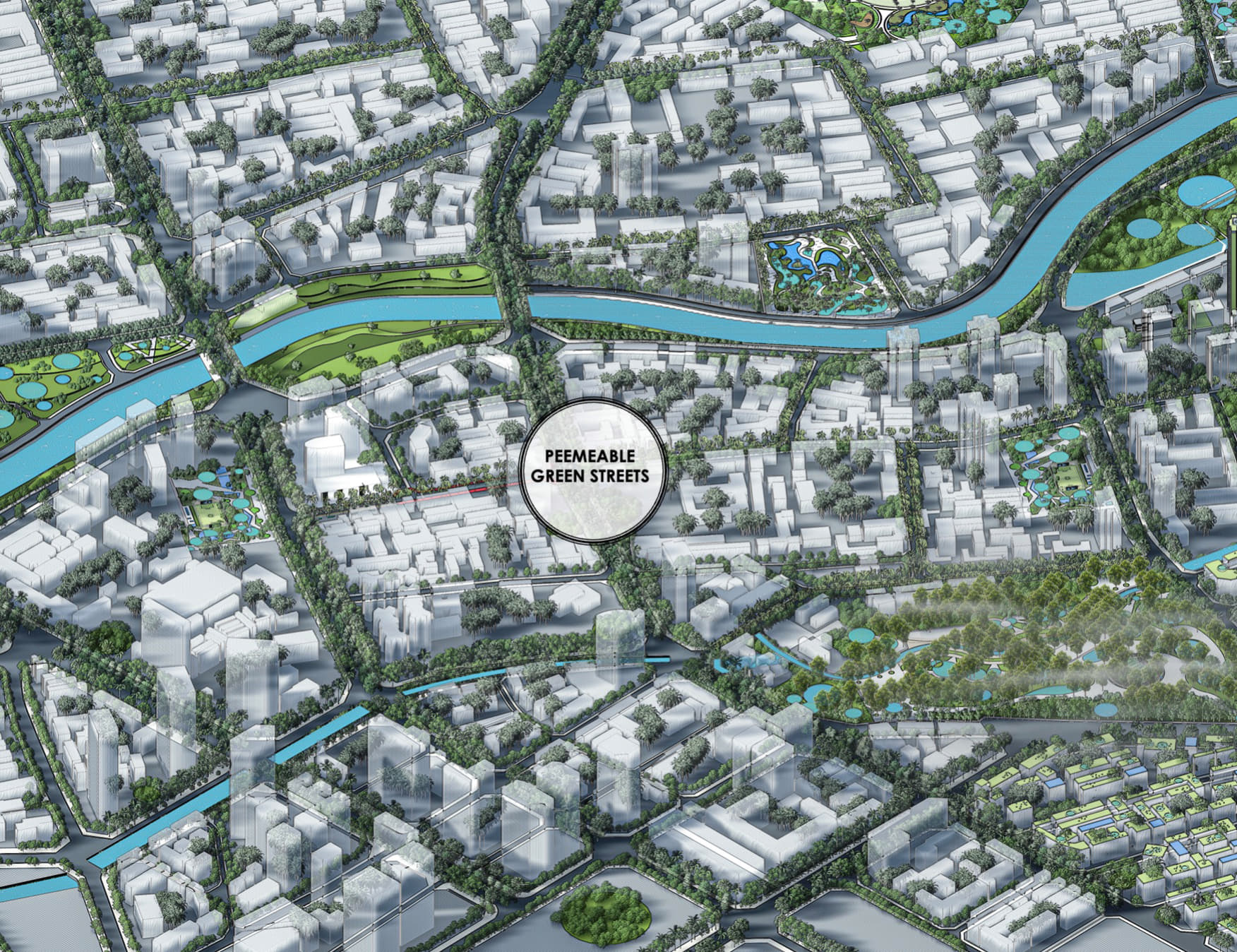
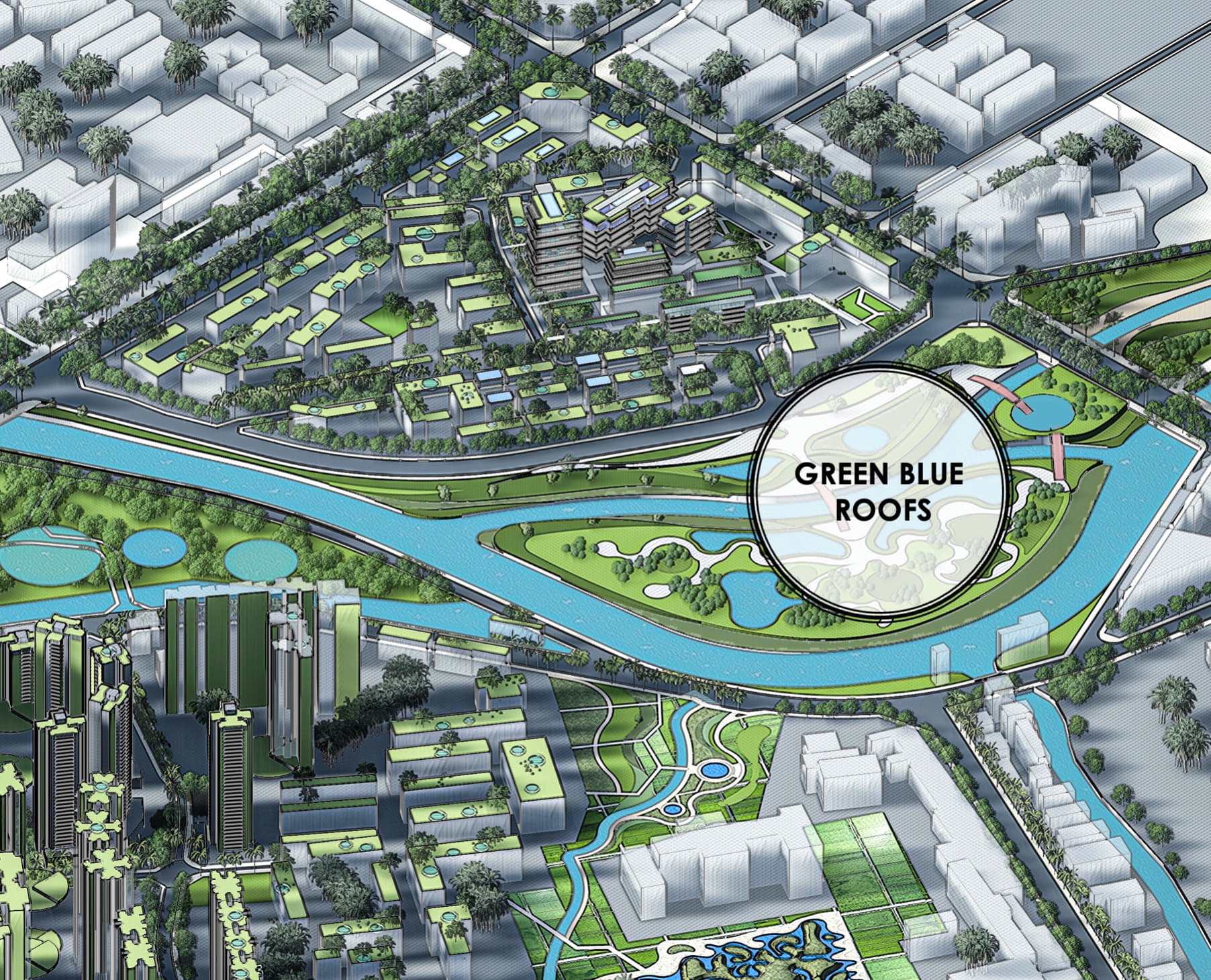
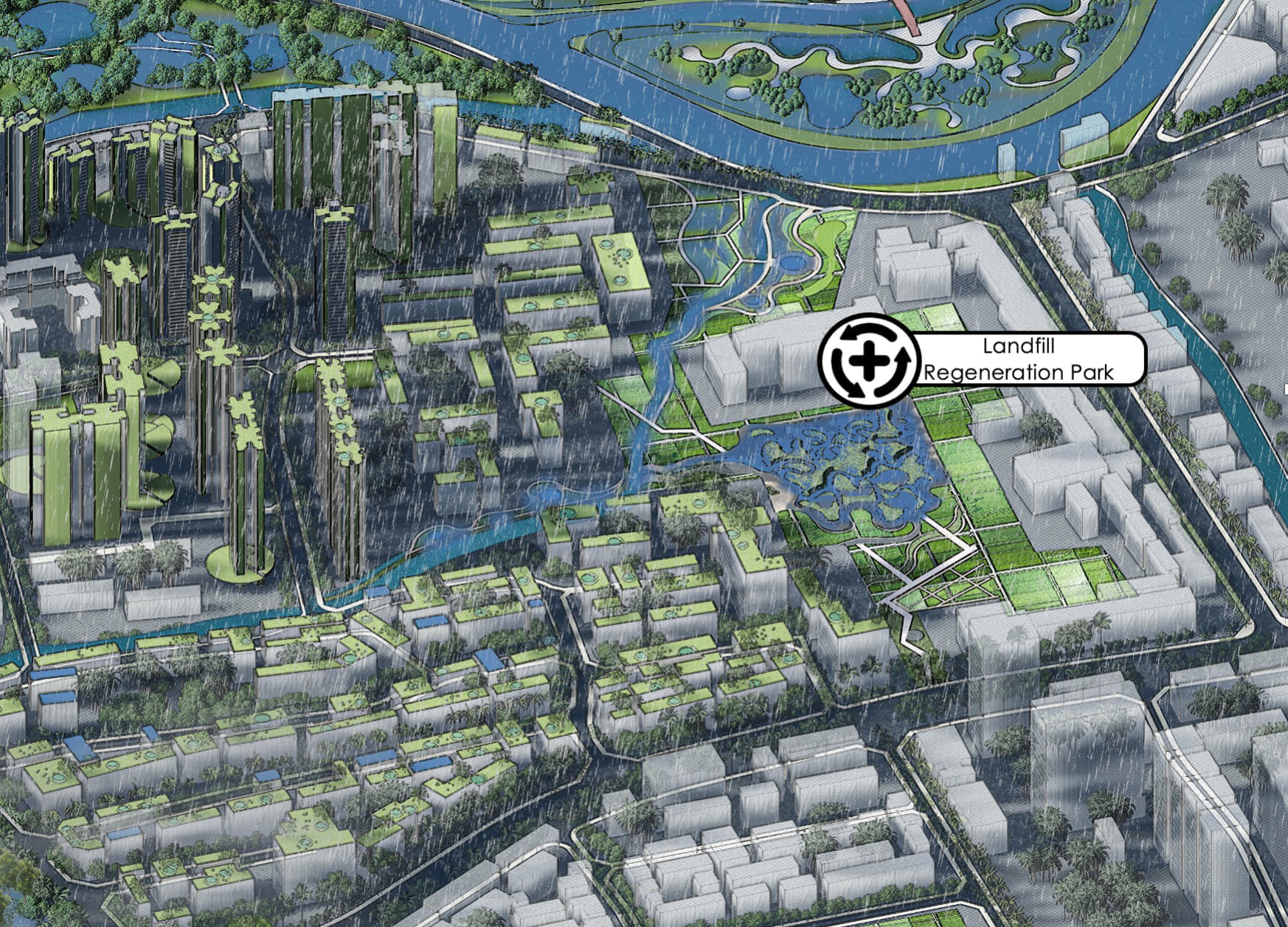
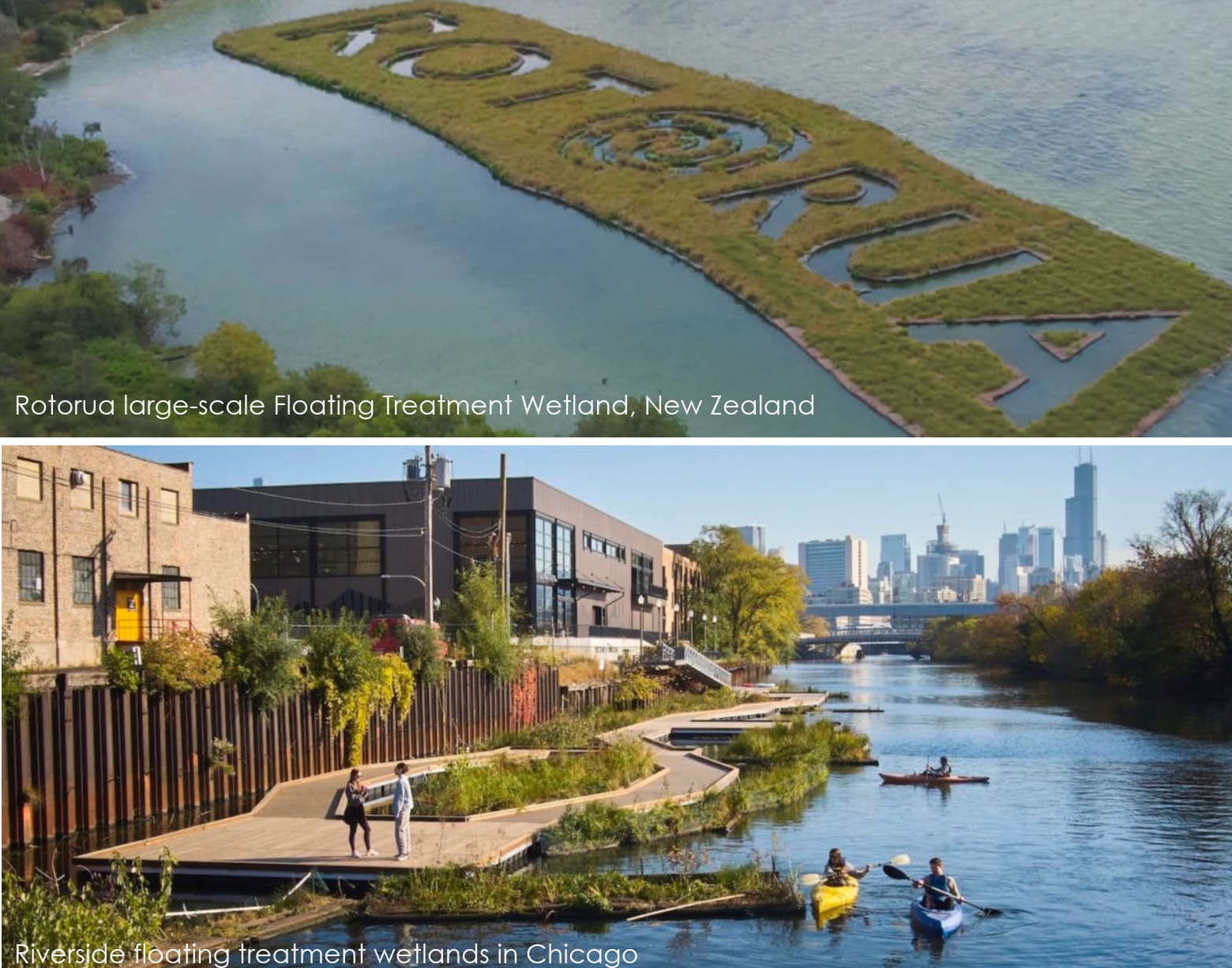
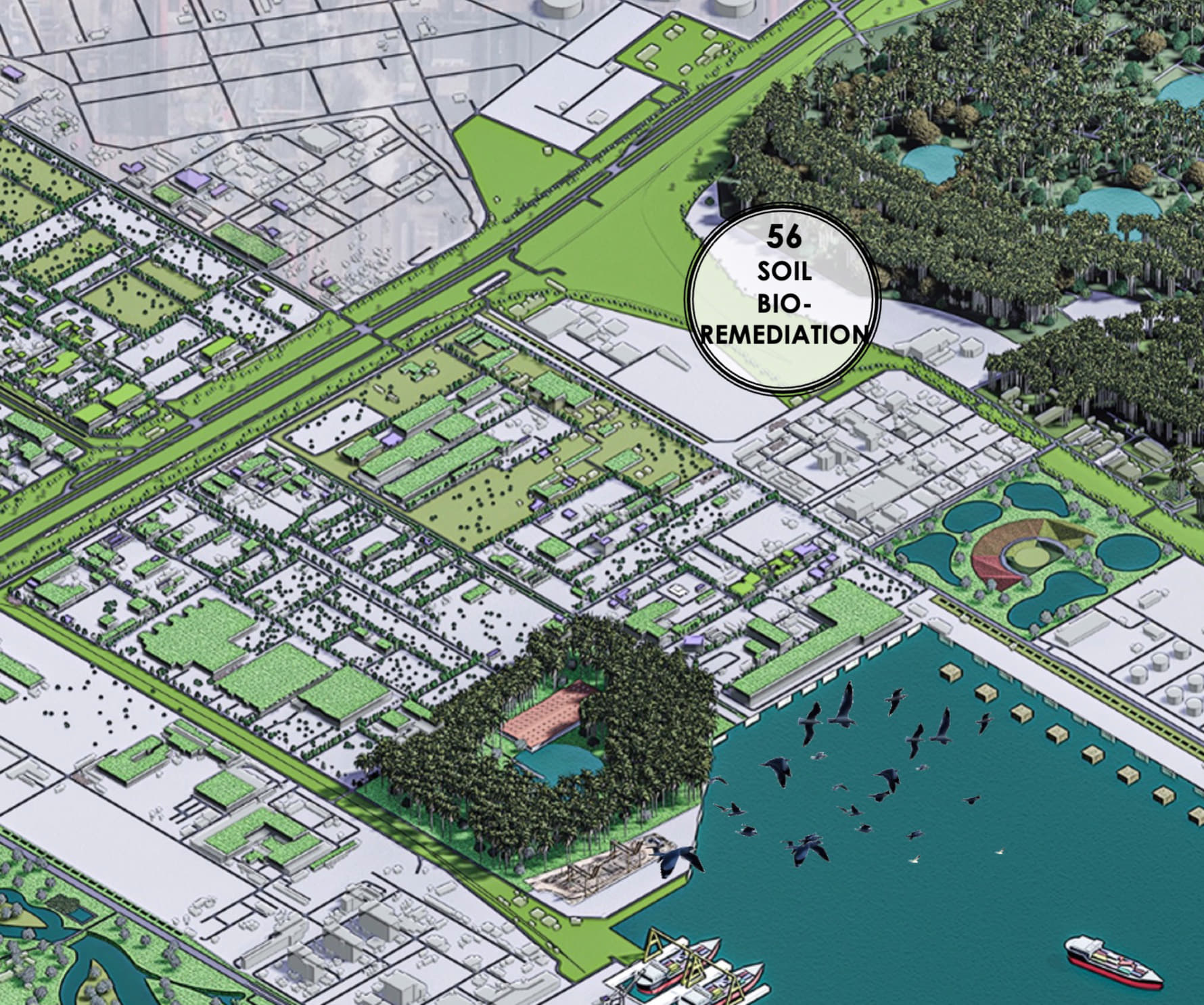
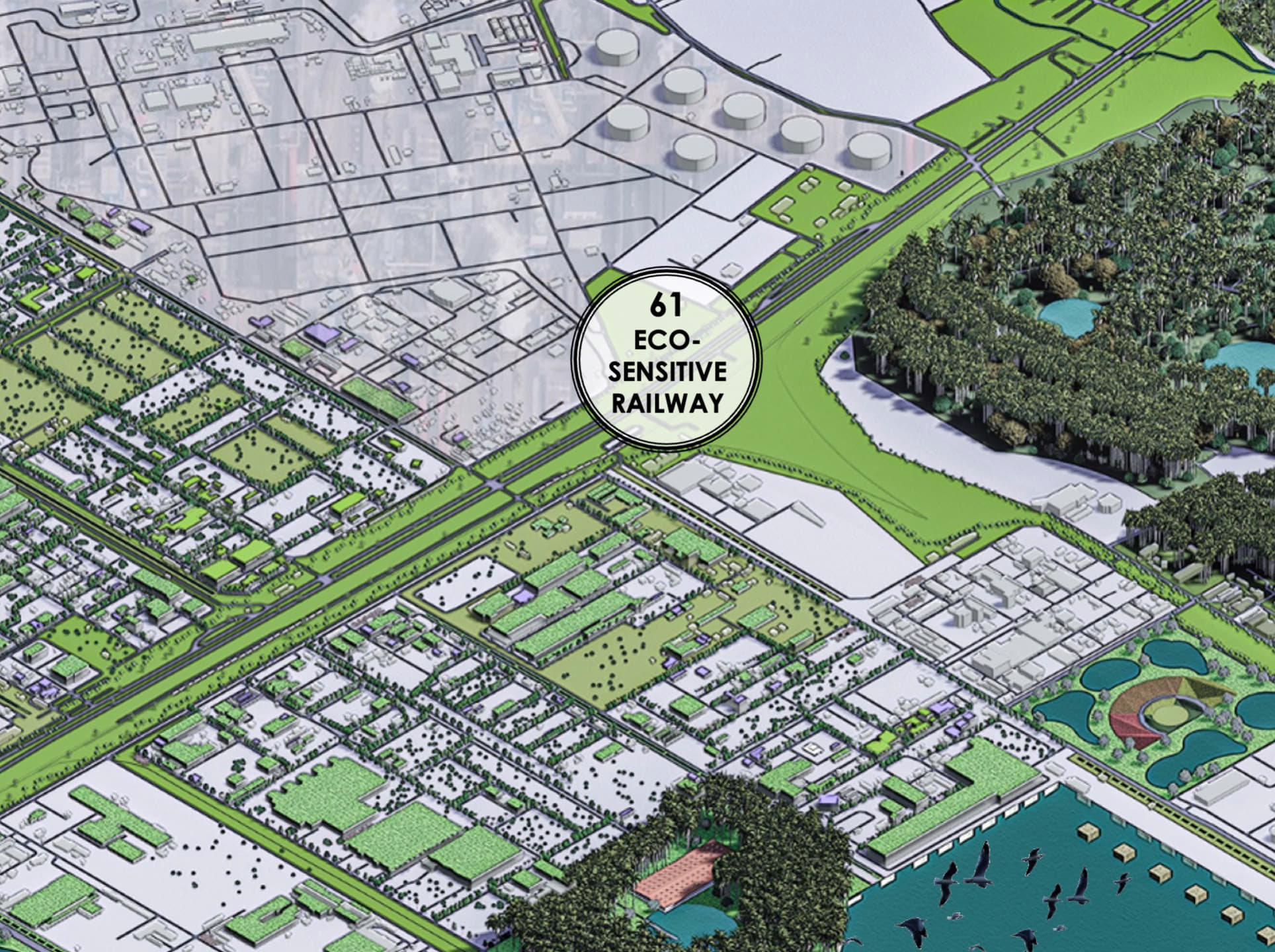
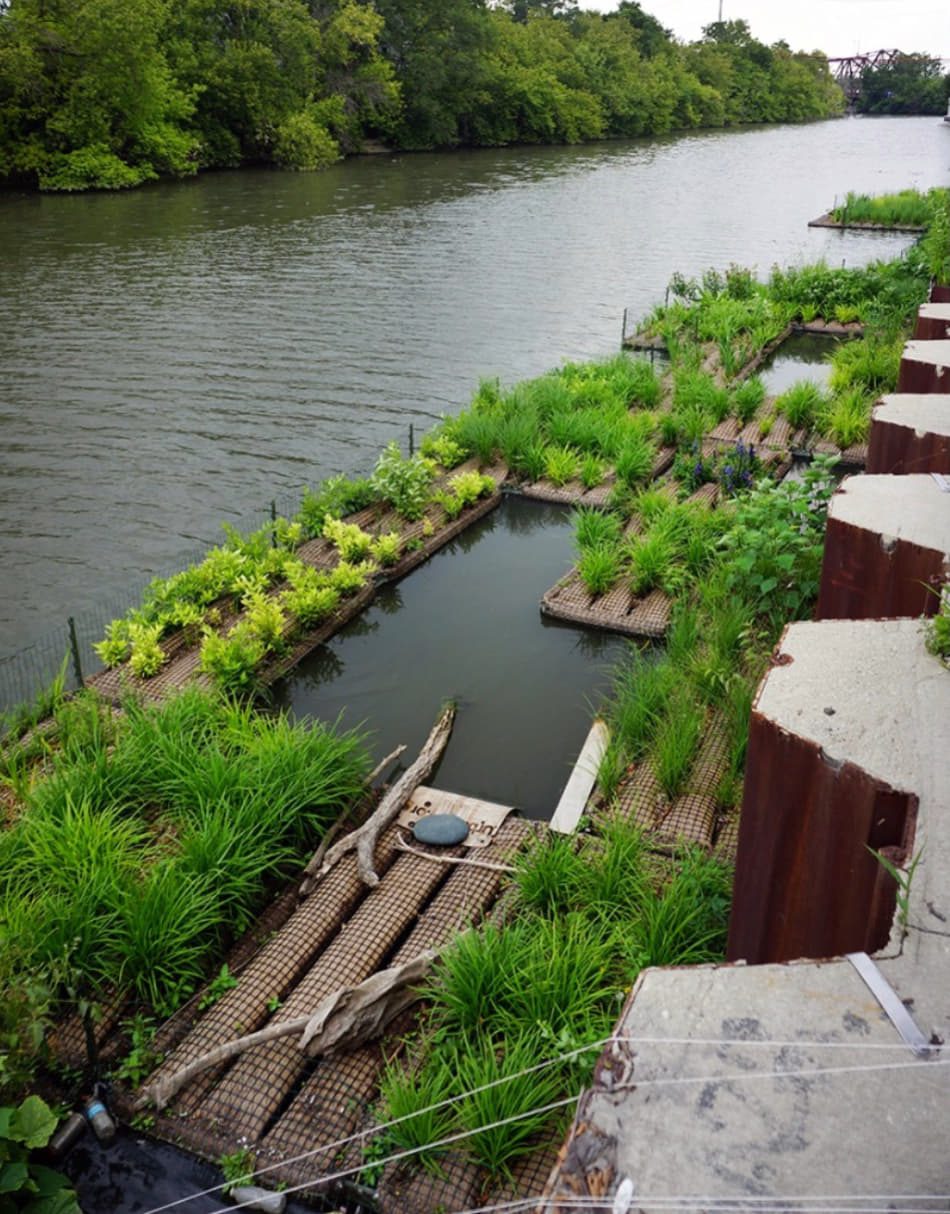
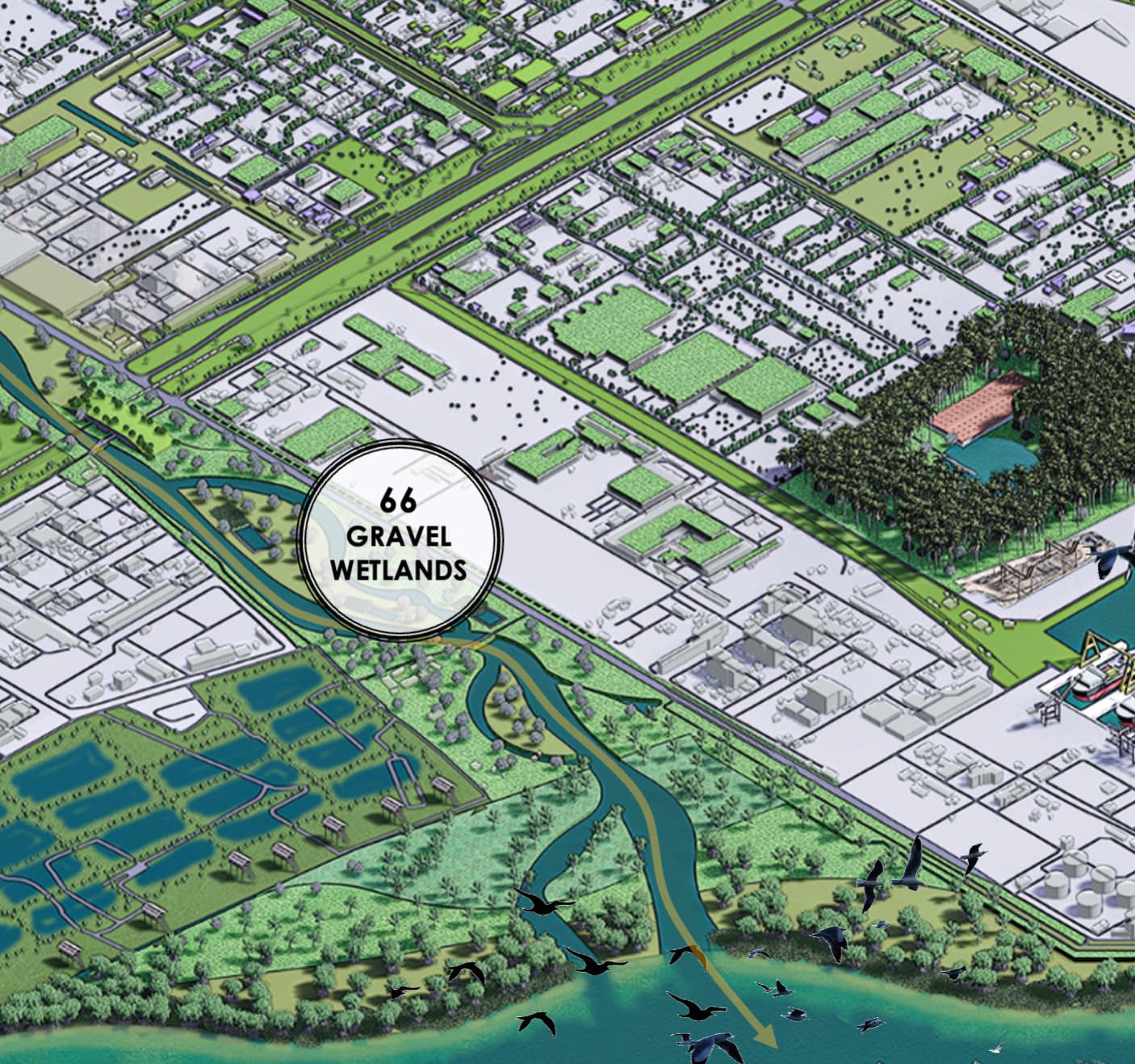
Within industrial estates, NbS are woven into design. Constructed wetlands treat wastewater before it reaches rivers or seas, while green roofs, façades, and vegetated buffer zones in Thailand and Malaysia cool facilities, improve air quality, and soften ecological footprints. In post-mining regions of the Philippines and Indonesia, bioengineered remediation and landfill-to-park projects transform degraded sites into productive ecological and social assets.
Together, these measures show how industrial areas and ports can shift from extractive to regenerative. The combination of circular economy principles with NbS in industrial areas can protect ecosystems, safeguard communities, and remain engines of prosperity in a climate-challenged future.