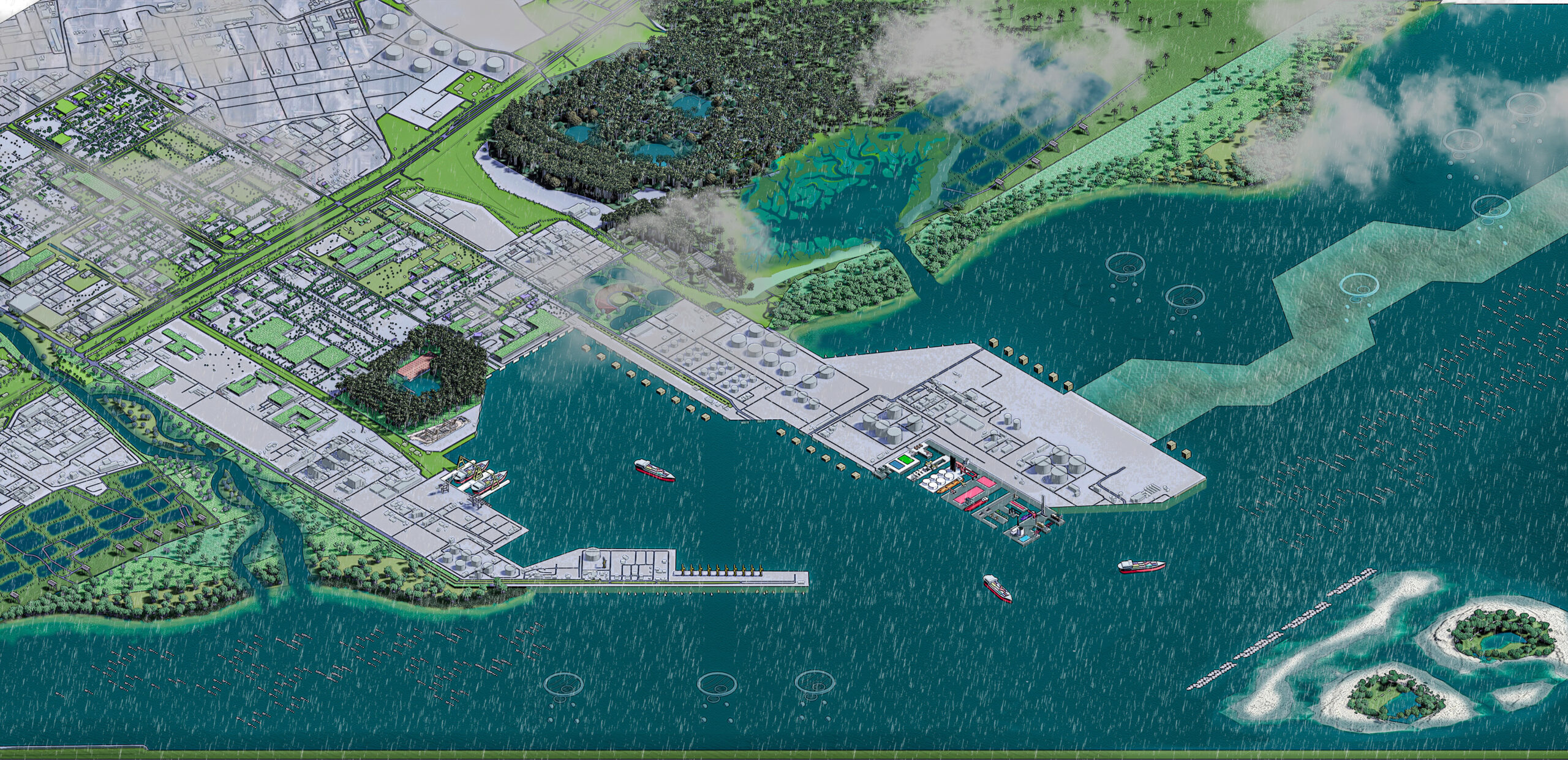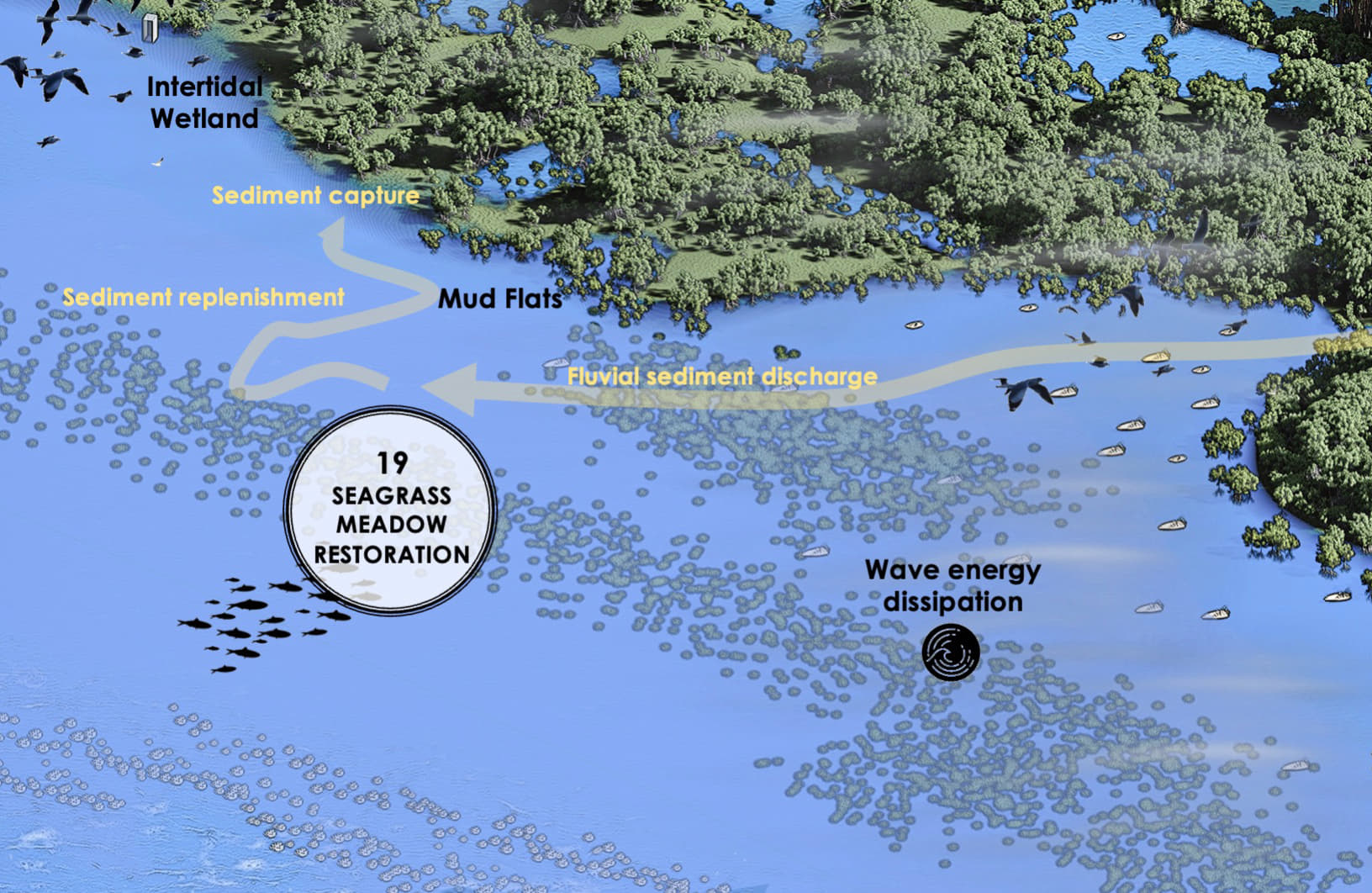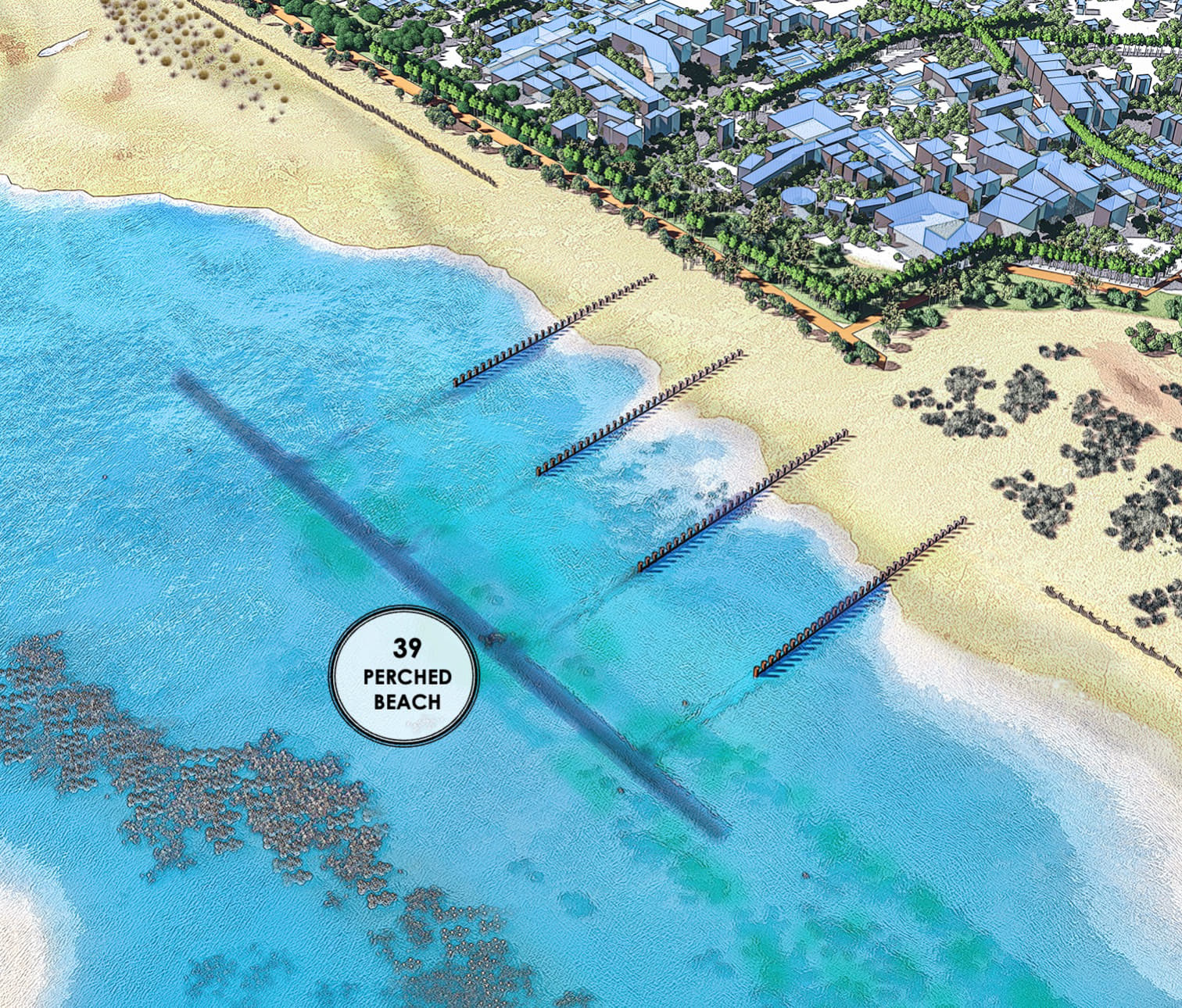

The seascapes of Southeast Asia are among the most diverse on Earth, yet coral reefs, mangroves, and seagrass meadows face mounting pressures from climate change, overfishing, and pollution. These ecosystems are not only biodiversity hotspots but also vital shields for coastal communities—buffering storms, securing fisheries, and storing carbon. Regenerative seascapes built on Nature-based Solutions (NbS) can restore balance, strengthen livelihoods, and enhance resilience.
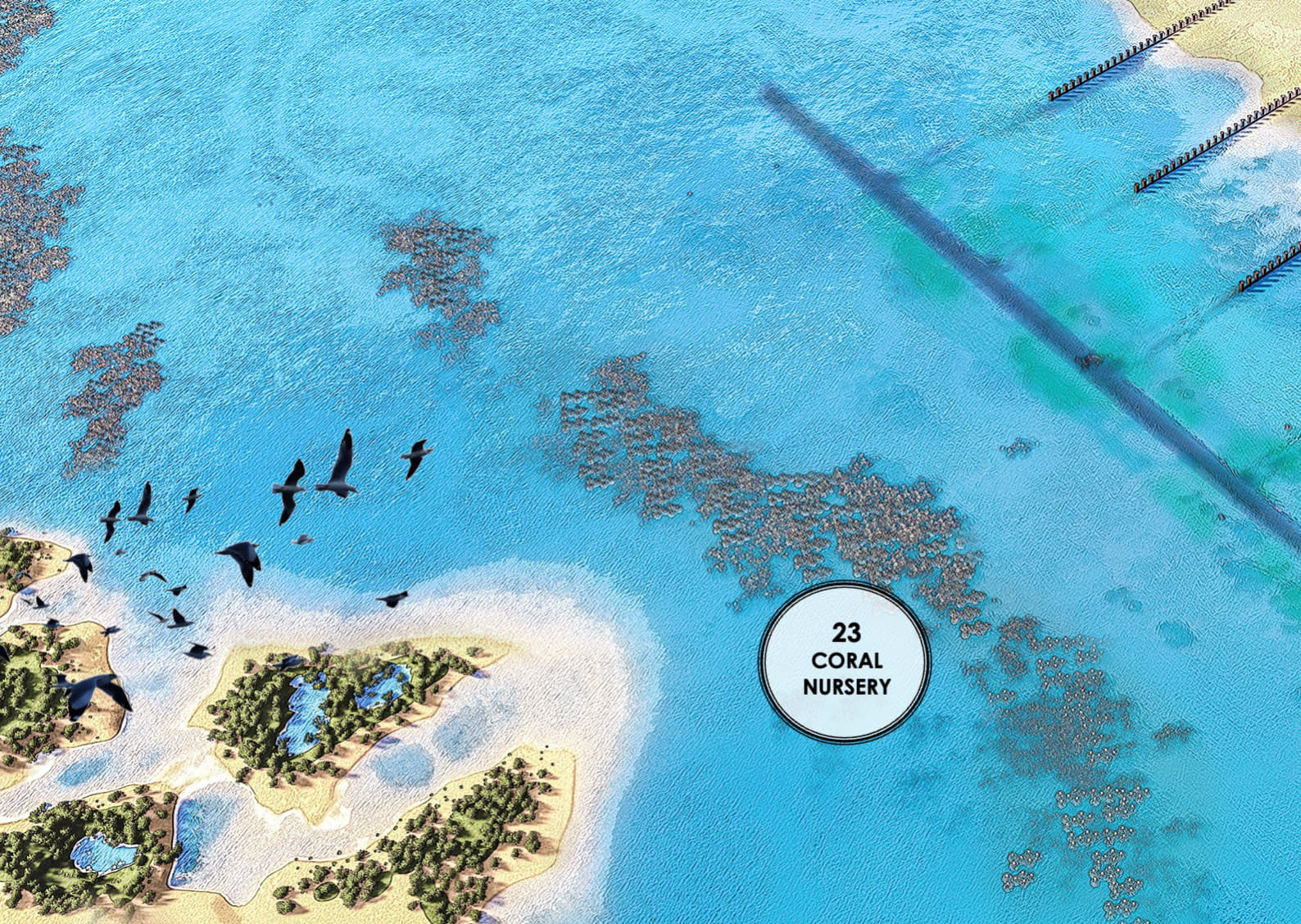
Across the region, coral restoration is a priority. In the Philippines, reef nurseries in Palawan and Sulu are rebuilding degraded habitats, improving biodiversity, and protecting coastlines from storm damage. In Indonesia, artificial reef structures provide refuge for marine life while reducing erosion risks. Linked systems of mangroves, seagrass, and coral—restored in places like Sarawak, Malaysia—filter water, nurture fish stocks, and serve as natural defences against surges and tsunamis.
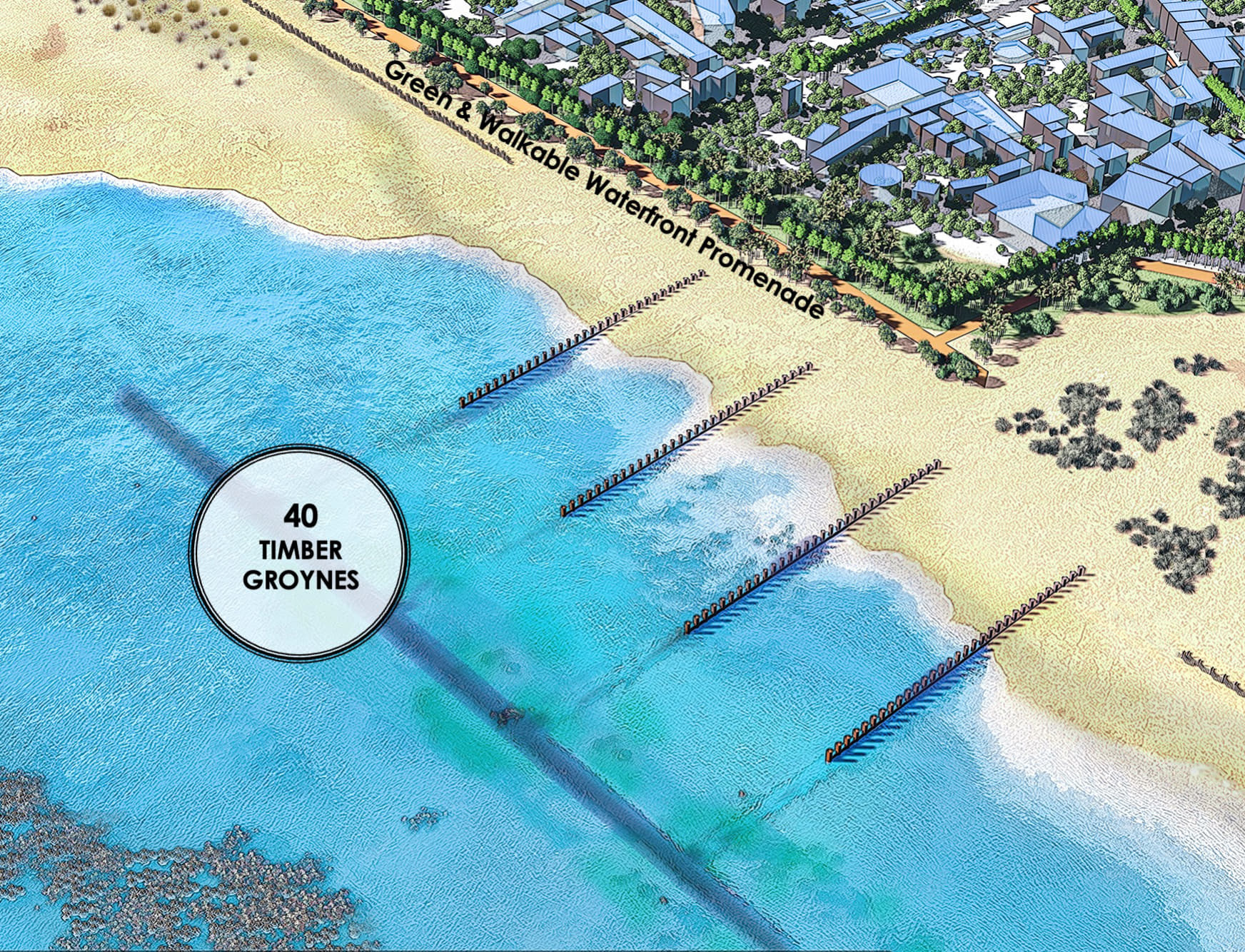
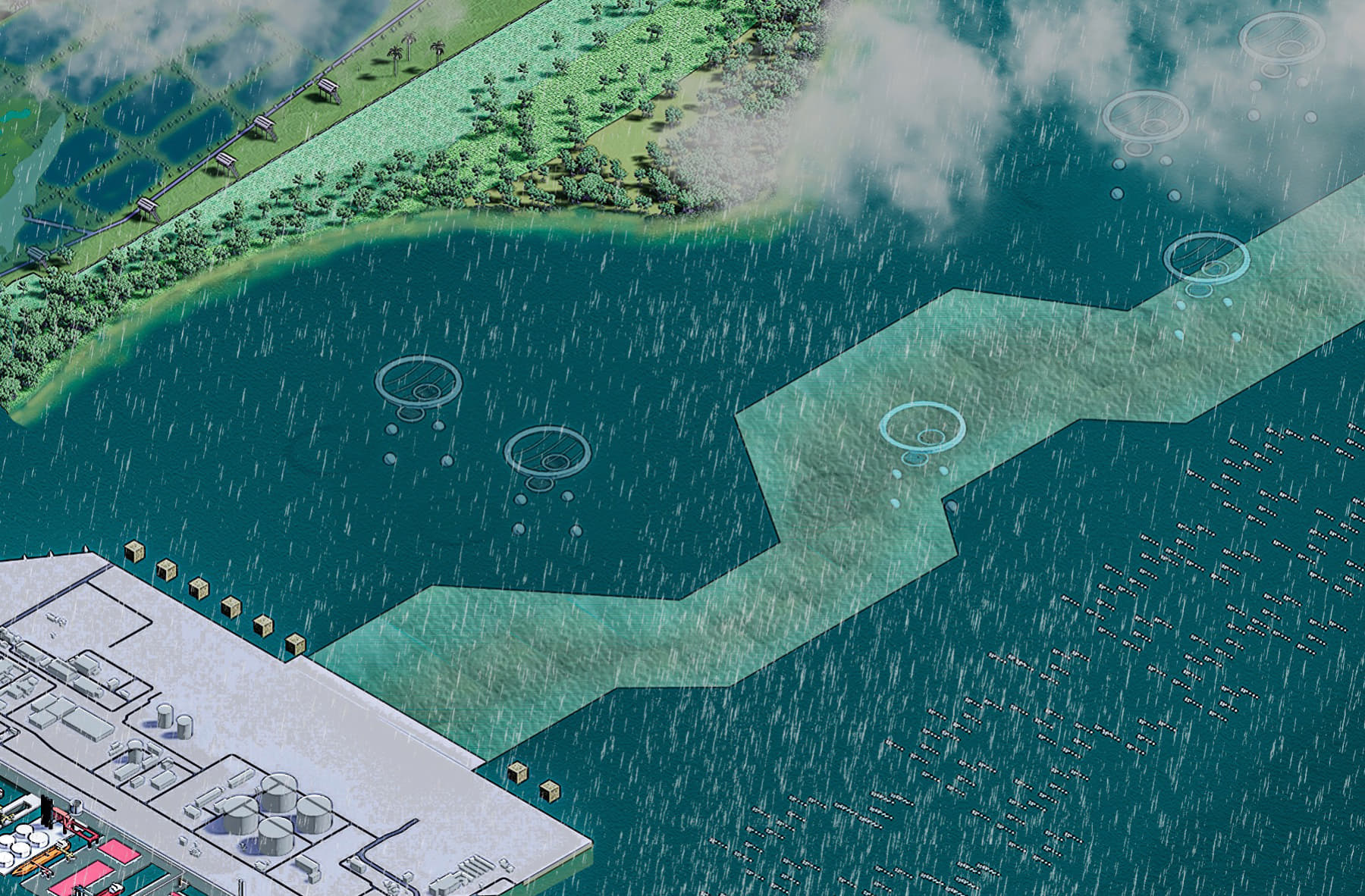
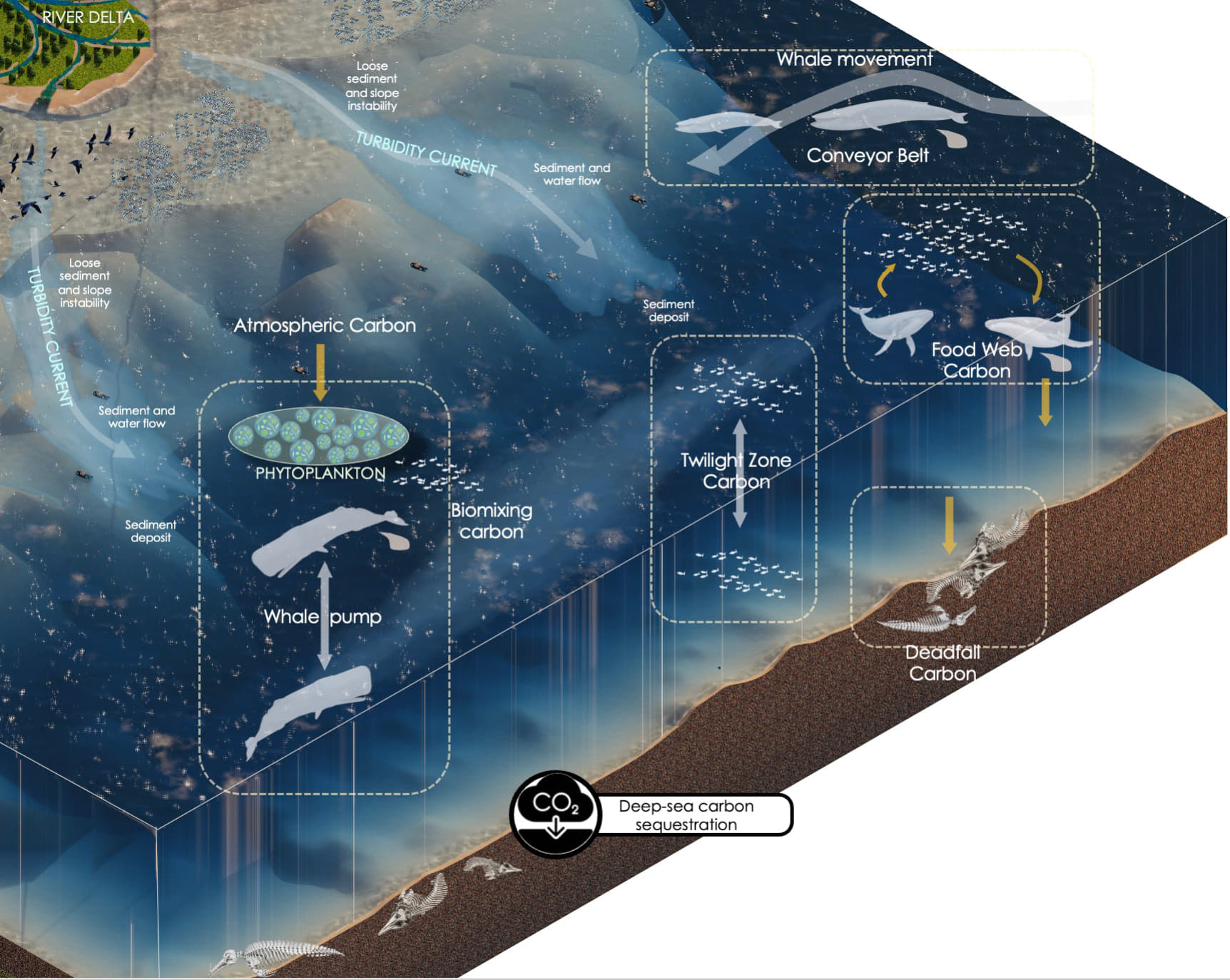
Sustainable aquaculture is also transforming coastal livelihoods. In Vietnam’s Mekong Delta, fish farming is paired with mangrove restoration to balance production with ecosystem health. In Thailand, seaweed aquaculture creates income while boosting biodiversity and sequestering carbon. Innovative interventions such as artificial reefs and bio-revetments further enhance marine habitats, while deep-sea regeneration efforts in the South China Sea and Sulu Sea highlight the broader potential of ocean restoration.
Community-led marine protected areas (MPAs) remain central. In Indonesia’s Raja Ampat and Komodo National Park, MPAs safeguard biodiversity hotspots and ensure fisheries can support both ecosystems and local economies.