
Sandy coasts across Southeast Asia are among the region’s most exposed landscapes. From the beaches of Ilocos Norte in the Philippines to the shores of Bali and Lombok in Indonesia, these areas face mounting pressures from typhoons, storm surges, droughts, and rising seas. At the same time, plastic pollution, biodiversity loss, and unchecked tourism add human-made stress to already fragile ecosystems. Protecting these shorelines requires integrated approaches that work with nature to stabilize coasts, sustain livelihoods, and preserve their ecological and cultural value.
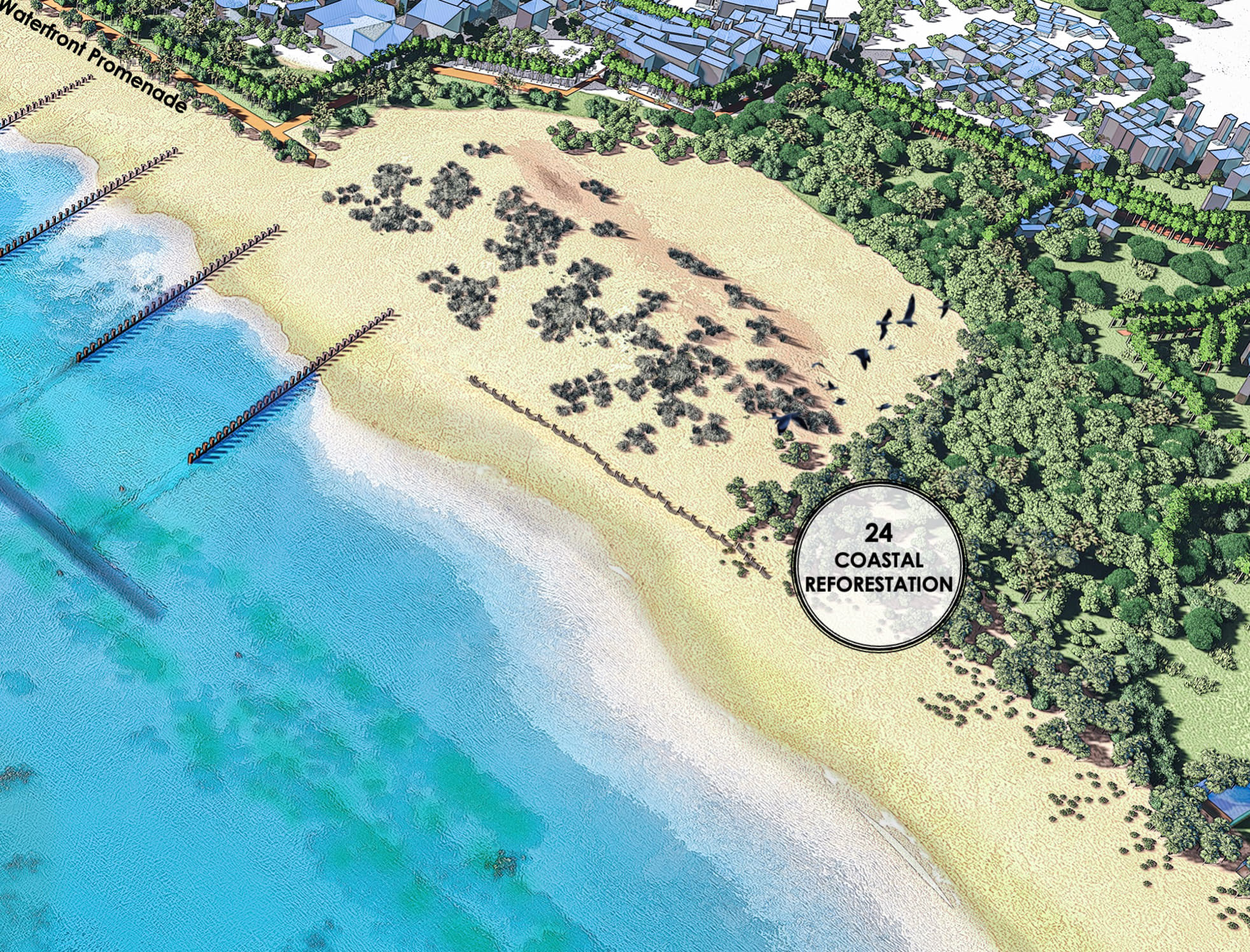
Nature-based Solutions (NbS) are already showing what is possible. In the Philippines, dune restoration and planting of coastal vegetation in Ilocos Norte have reduced erosion, buffered communities against typhoons, and supported eco-tourism. On Koh Samet in Thailand, waste management and coral restoration projects protect marine biodiversity while sustaining tourism. Along Vietnam’s Phu Quoc beaches and the Mekong Delta coast, NbS are helping to counter erosion and saltwater intrusion, balancing the needs of both communities and ecosystems.
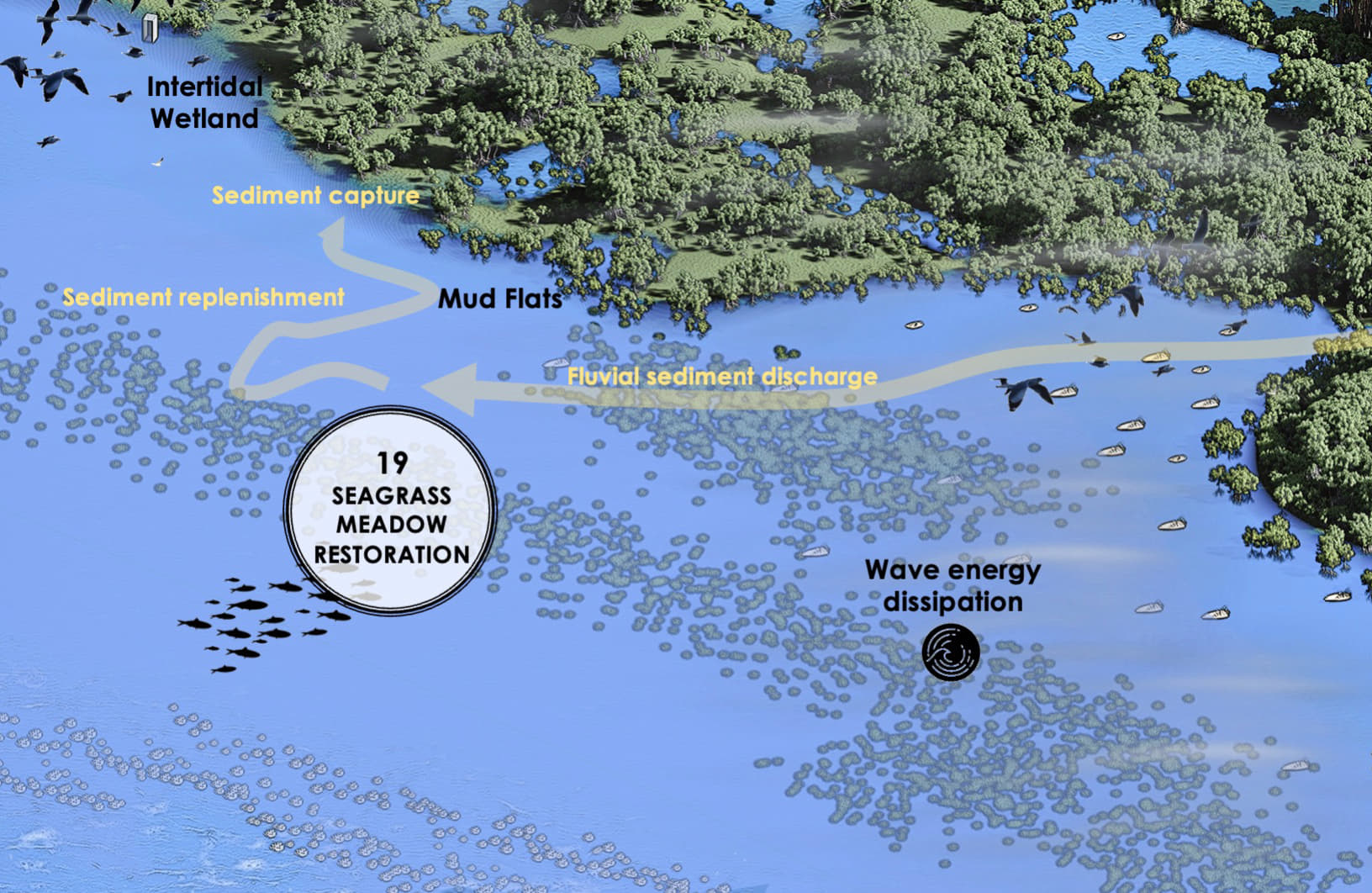
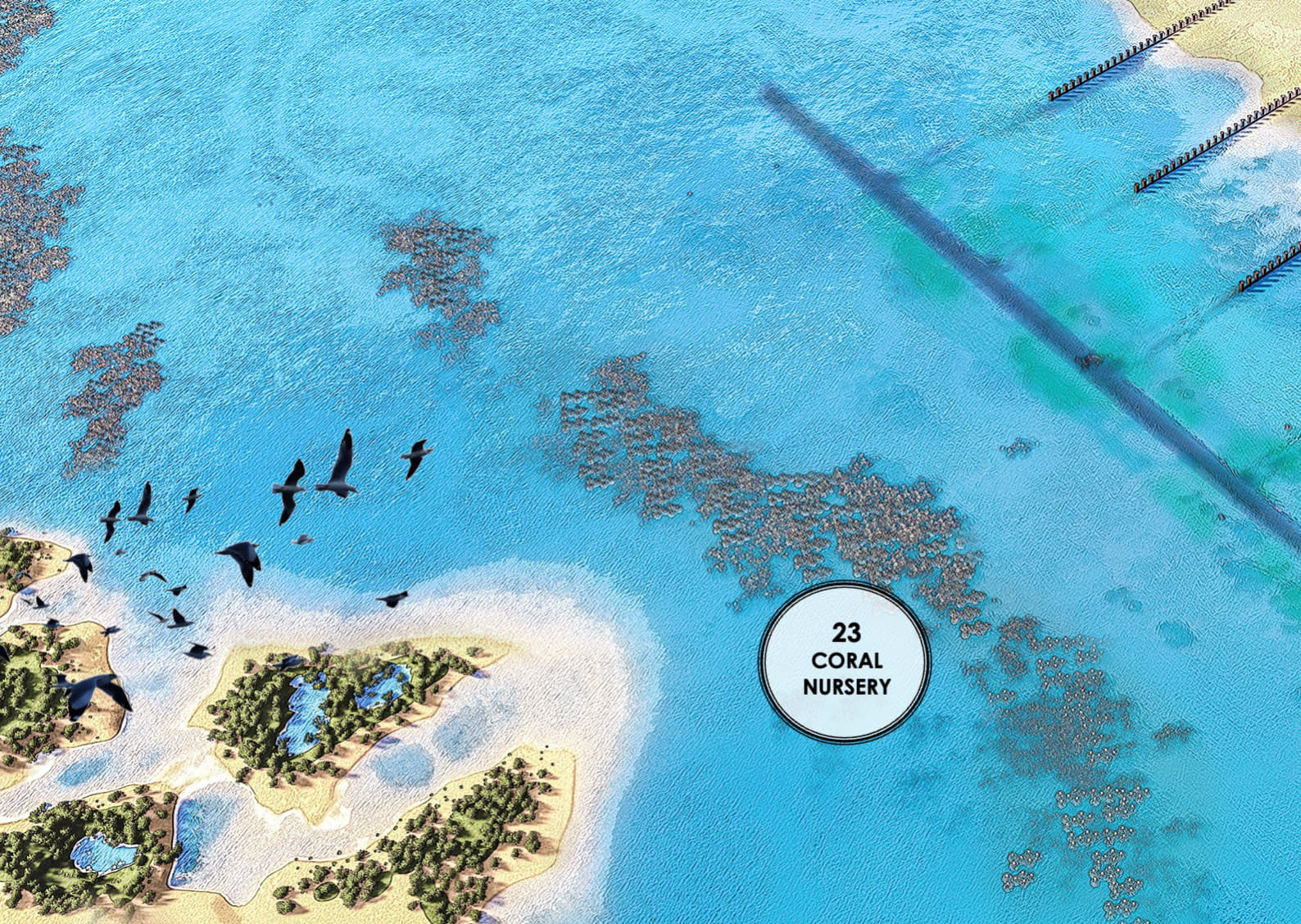
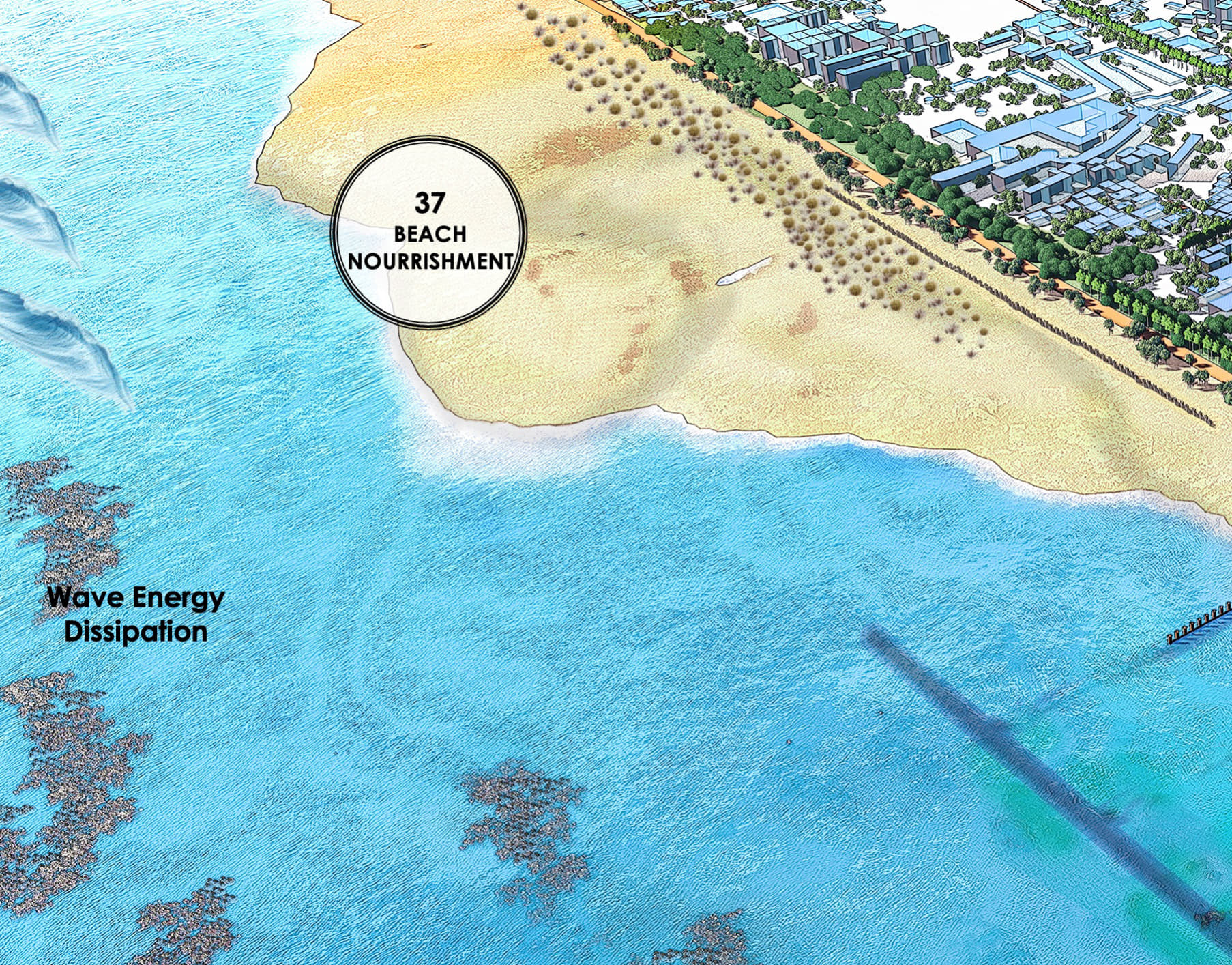
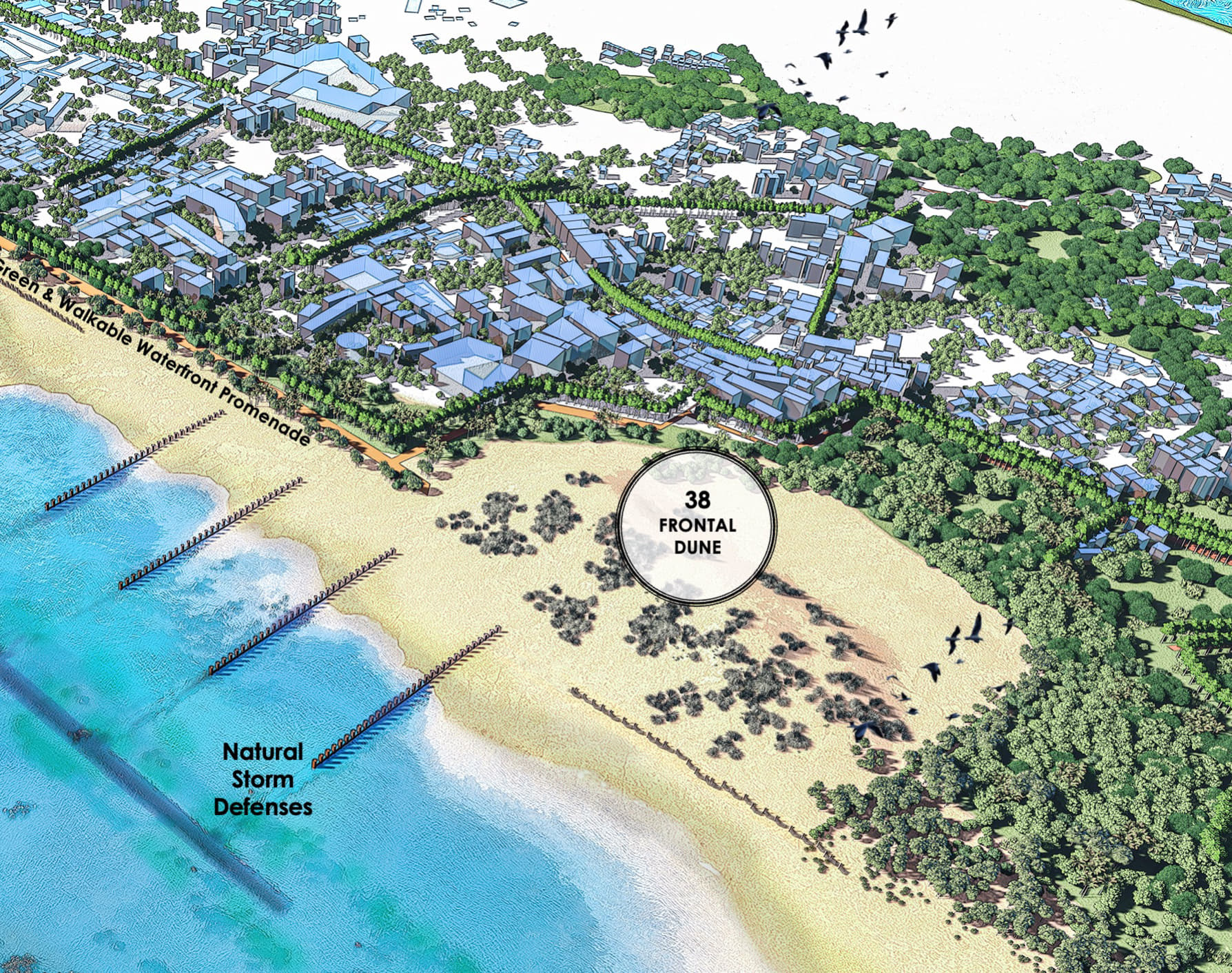
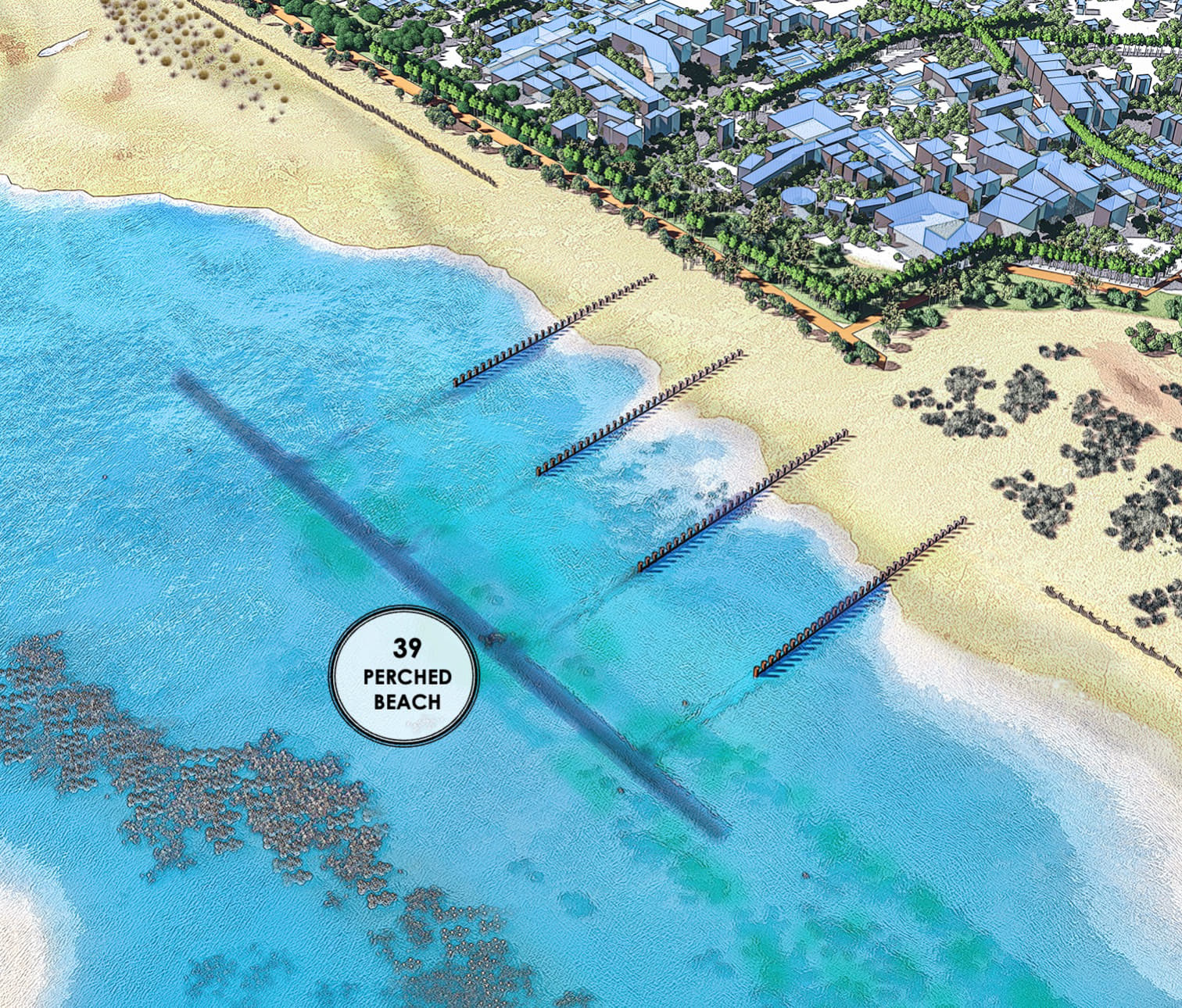
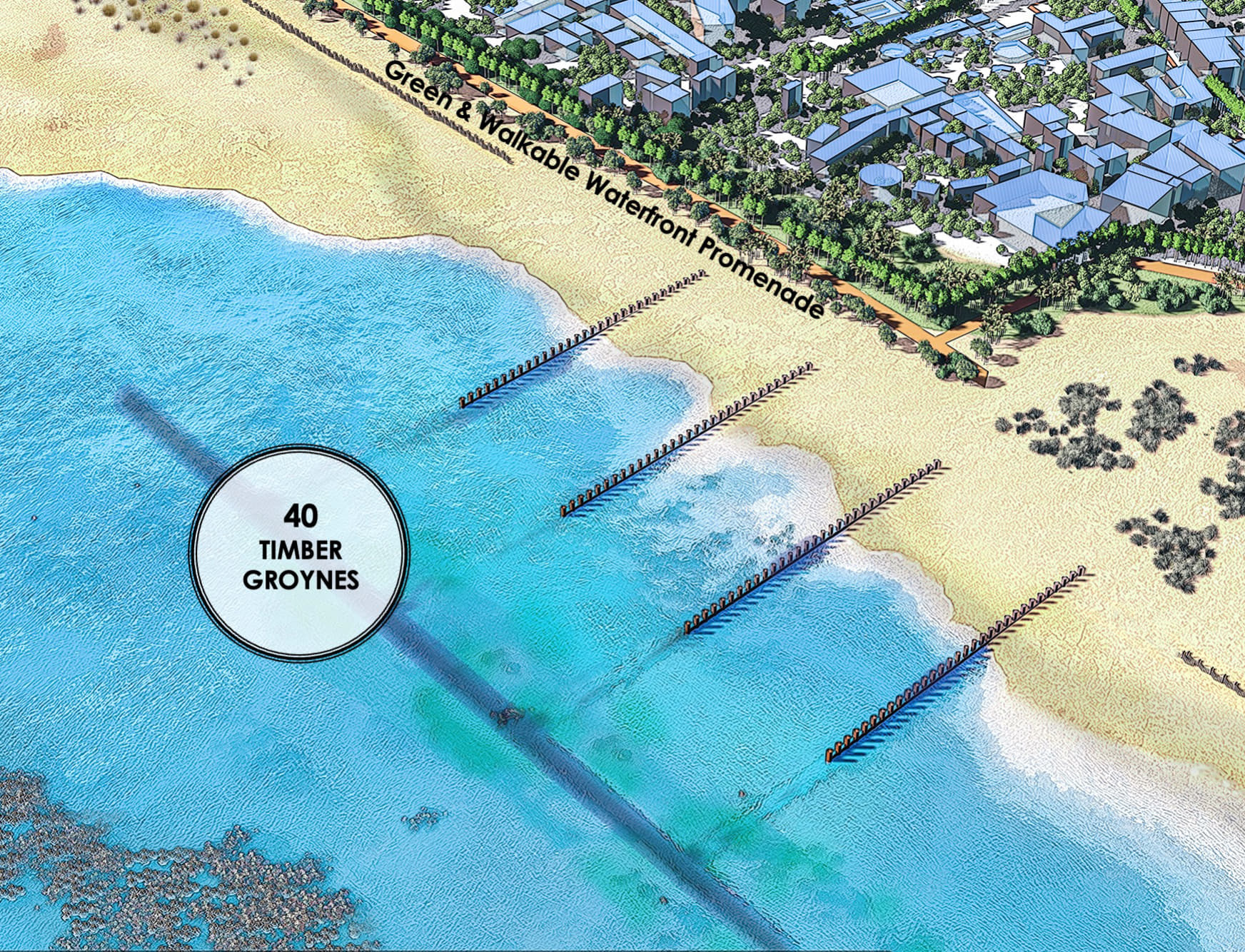
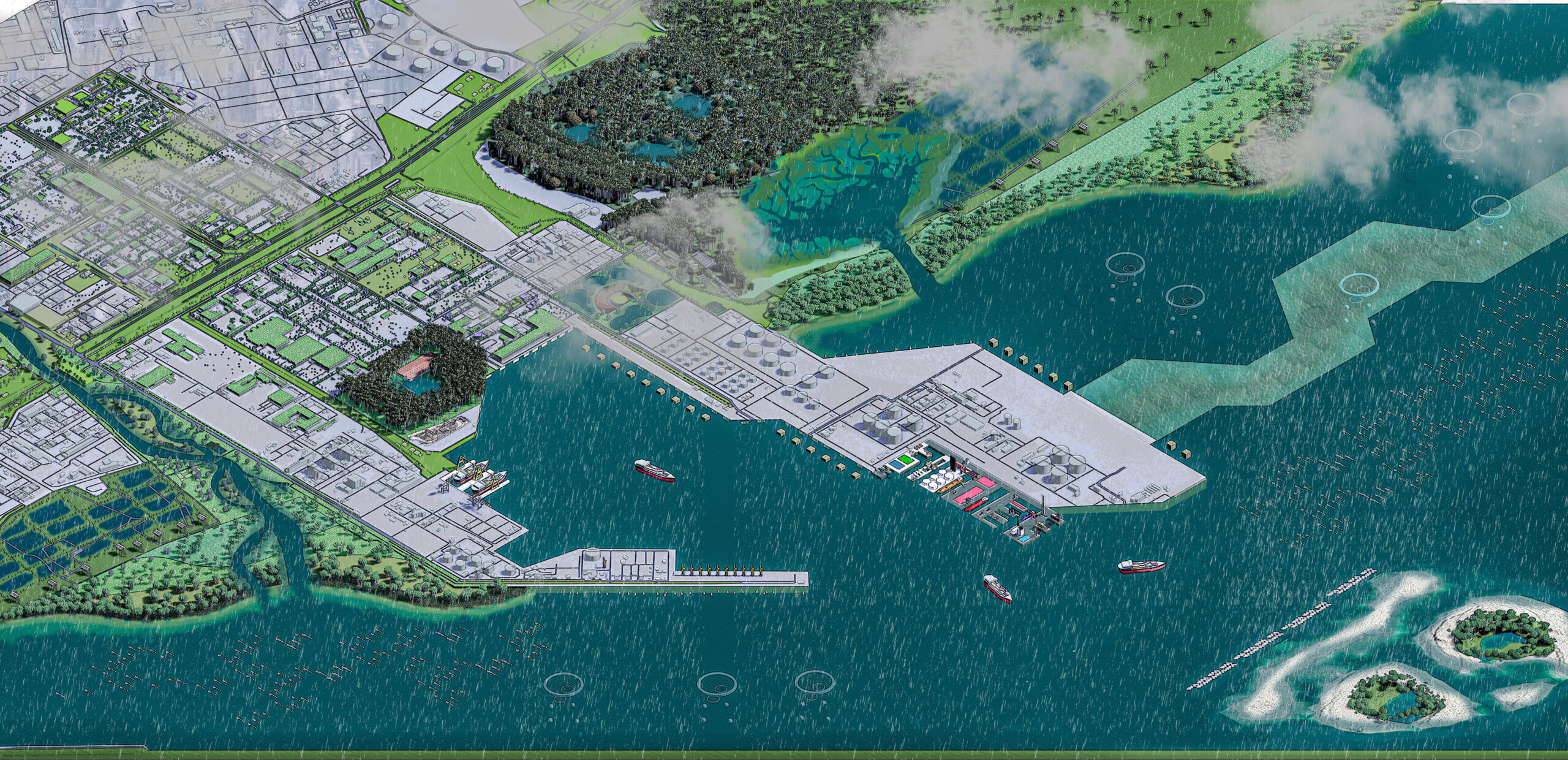
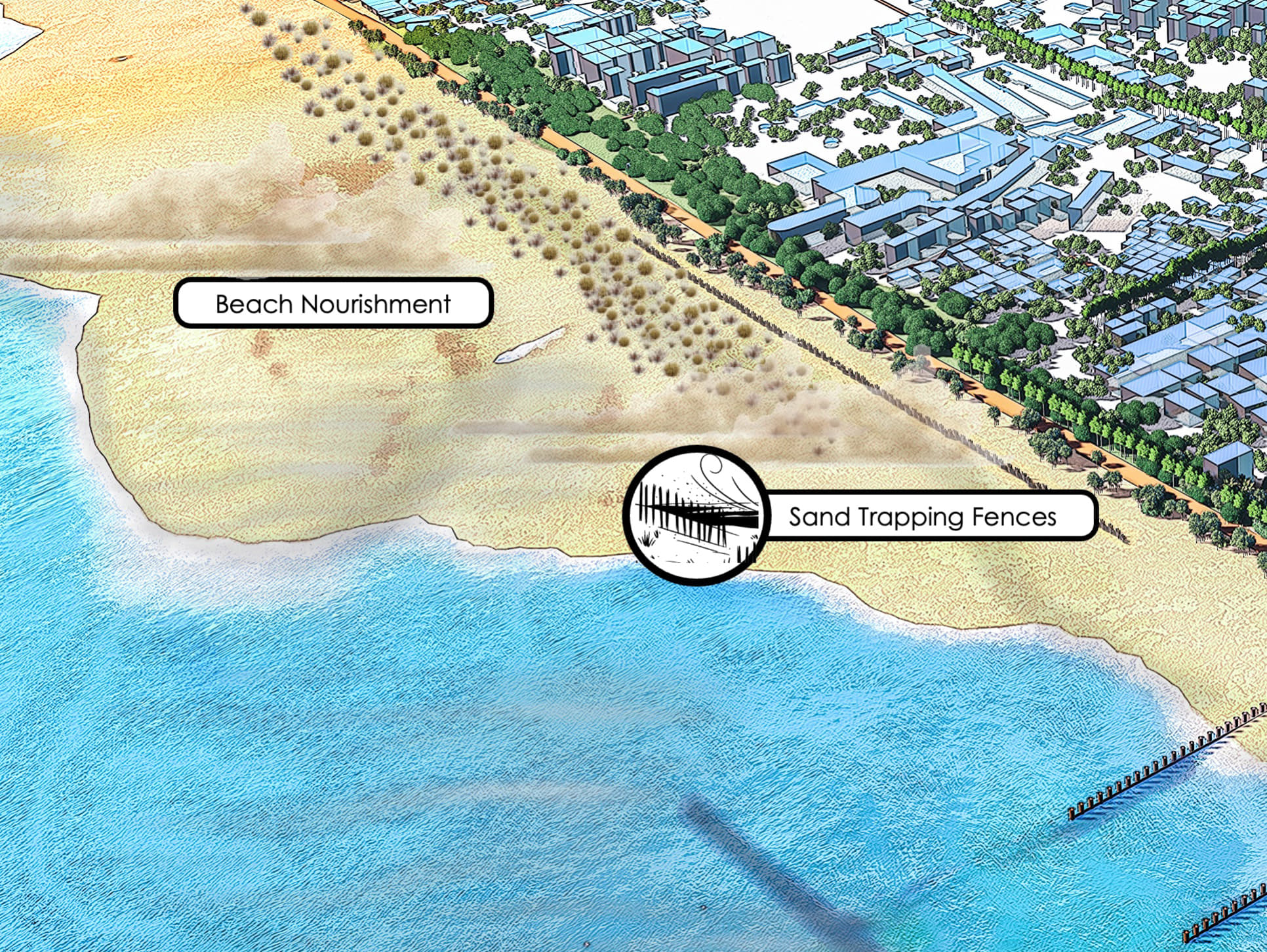
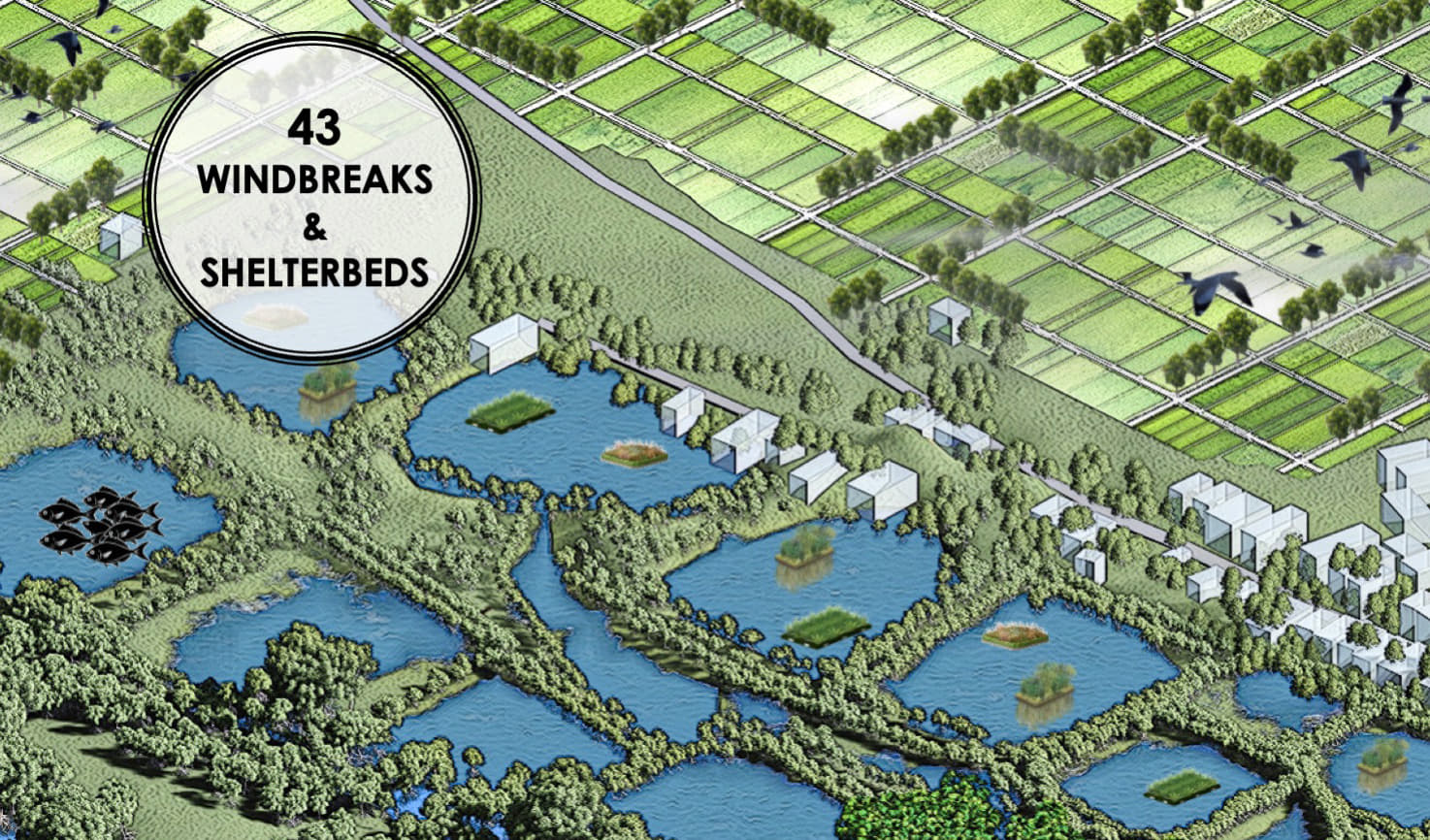
These solutions are diverse but complementary. Coral reefs and seagrass meadows reduce wave energy and anchor sediments, safeguarding coasts while supporting fisheries. Casuarina and pandanus plantations stabilize dunes and act as natural windbreaks, while sand fences, shelterbelts, and beach nourishment reinforce the shoreline. Where erosion is severe, timber groynes, perched beaches, floating reefs, and nature islands provide additional buffers, slowing wave energy and creating habitats for marine life.
By integrating coral nurseries, dune restoration, and waste reduction into tourism management, coastal economies can thrive without degrading the ecosystems that attract visitors in the first place. This balance is already visible in places like Palawan and Bohol in the Philippines, where NbS protect both biodiversity and community livelihoods.
Adaptive sandy shorelines show how human well-being and ecological resilience are deeply intertwined. By restoring dunes, reefs, and coastal forests, sandy shorelines can stand stronger against climate change. These measures not only guard against storms and erosion but also sustain biodiversity, fisheries, and tourism, ensuring that coastal communities can flourish along with the ecosystems that support them.